


The deal, which was unveiled on October 10, 2023, is seen as a potential threat to the existing balance of power among content creators and distributors. Industry insiders argue that the consolidation could lead to fewer opportunities for independent filmmakers and smaller studios, ultimately stifling diversity in storytelling. As a result, unions representing writers, directors, and actors are voicing their concerns and calling for greater scrutiny of the agreement.
Additionally, the Red Sea Film Festival, scheduled to take place in Saudi Arabia from December 6 to 13, 2023, is also being closely watched in this context. The festival aims to showcase regional talent and foster a more inclusive film culture, but the backdrop of major industry deals raises questions about the sustainability of such initiatives. Critics argue that the focus on blockbuster deals may overshadow the need for supporting local filmmakers.
This mobilization comes at a time when the entertainment landscape is rapidly changing, with streaming platforms gaining dominance. As unions and industry groups prepare to challenge the Netflix-Warner Bros. deal, the outcome could set a precedent for future mergers and collaborations in the industry. The stakes are high, and the discussions surrounding this issue are likely to influence the trajectory of film and television production for years to come.
Understanding the Background of the Netflix-Warner Bros Deal
The recent collaboration between Netflix and Warner Bros. marks a significant shift in the entertainment landscape, reflecting broader trends in the industry. Historically, the competition between streaming services and traditional media companies has intensified, particularly as consumer preferences shift towards on-demand content. This deal, however, has raised concerns among unions and industry groups who fear it could undermine labor standards and exacerbate existing inequities in the industry.
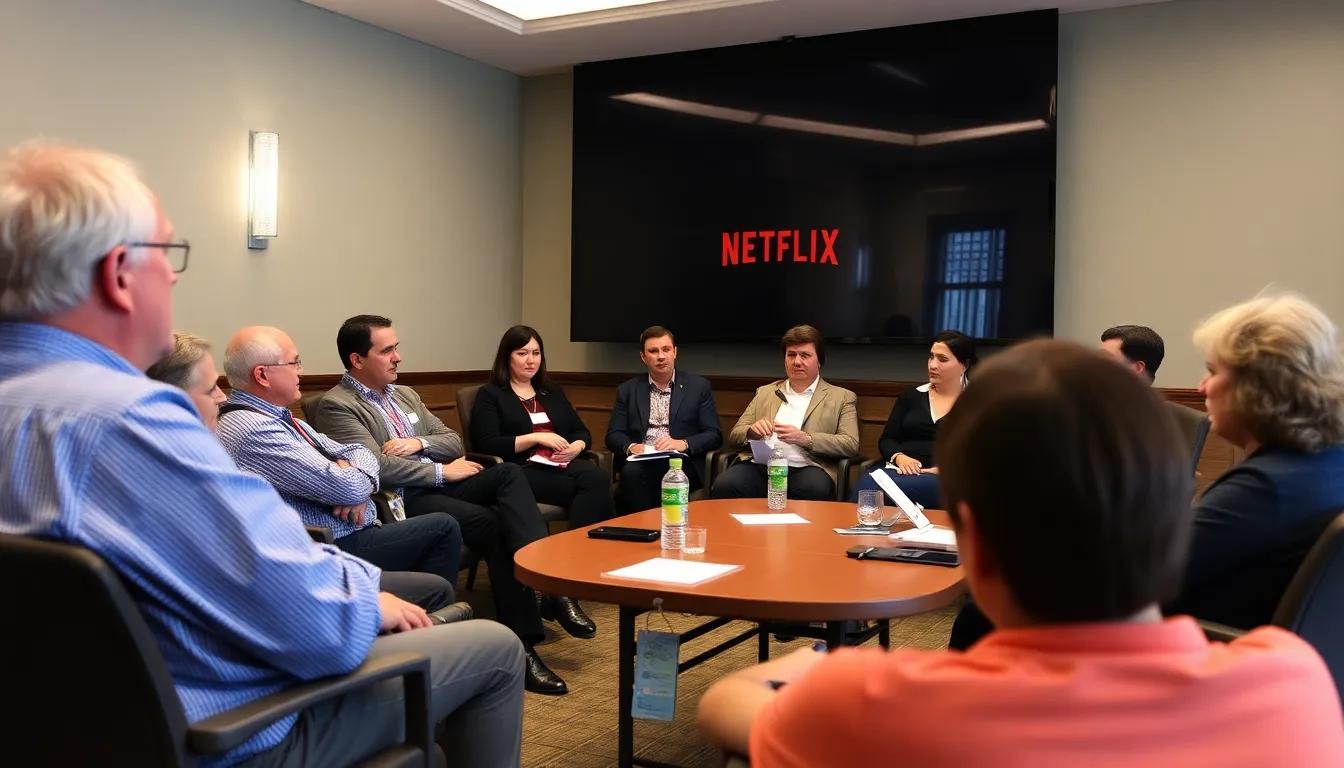
The roots of this conflict can be traced back to the rapid expansion of streaming platforms over the past decade. As services like Netflix gained popularity, traditional studios faced pressure to adapt or risk obsolescence. This led to a series of mergers and partnerships aimed at consolidating resources and content libraries. The Netflix-Warner Bros. deal is seen as a culmination of this trend, where two major players join forces to strengthen their market positions, including recent actions by the Warner Bros.
Impact on Labor and Industry Standards
As the deal unfolds, it has sparked a broader conversation about the implications for labor rights within the industry. Unions representing workers in film and television have expressed concerns that such partnerships could lead to reduced job security, lower wages, and diminished working conditions. In response, various industry groups have mobilized to advocate for stronger protections and fair practices, emphasizing the need for a balanced approach that considers both corporate interests and the welfare of creative professionals.
Moreover, the Red Sea Film Festival, taking place in Saudi Arabia, serves as a backdrop to these discussions, highlighting the changing cultural and economic landscape in the region. As Saudi Arabia invests heavily in its entertainment sector, the intersection of international deals and local industry development raises questions about the future of film production and distribution, both regionally and globally.
In summary, the Netflix-Warner Bros. deal is not just a business transaction; it is a pivotal moment that encapsulates ongoing tensions within the entertainment industry. As unions and industry groups rally to address these challenges, the outcome of this collaboration could set important precedents for future partnerships and labor relations in the sector.
Key Stakeholders and Issues Surrounding the Deal
The proposed deal between Netflix and Warner Bros. has drawn significant attention from various stakeholders, including labor unions, industry groups, and government entities. Each of these actors has distinct interests that shape their response to the merger, reflecting broader concerns within the entertainment industry.
Labor unions, representing film and television workers, are particularly vocal against the deal. Their primary interest lies in safeguarding jobs and ensuring fair wages and working conditions. They fear that the consolidation of power in the streaming industry could lead to job losses and reduced bargaining power for workers. This concern is heightened by the ongoing transition in the industry towards more digital content, which could further marginalize traditional roles.
Industry groups, such as the Motion Picture Association (MPA), have a more complex stance. While they recognize the potential for increased content production and innovation resulting from the merger, they also worry about the implications for competition. A key issue at stake is whether the deal could lead to monopolistic practices that stifle smaller production companies and independent filmmakers.
On the government side, regulatory agencies are tasked with evaluating the deal’s impact on market competition. They must consider the potential for reduced consumer choice and the implications for copyright and intellectual property rights. Legal experts point out that the merger could face scrutiny under antitrust laws, raising questions about the balance between fostering innovation and maintaining a competitive market.
- Job Security: Unions are concerned about potential layoffs and job security for film workers.
- Market Competition: Industry groups fear that the merger could limit opportunities for independent creators.
- Regulatory Scrutiny: Government bodies will assess the deal’s compliance with antitrust laws.
- Intellectual Property Rights: The merger raises questions about the management of copyrights and content ownership.
- Consumer Choice: There are concerns that fewer players in the market may lead to limited options for viewers.
Potential Impacts on the Film Industry and Workers
The recent alliance of unions and industry groups to challenge the Netflix-Warner Bros. deal signifies a pivotal moment for various stakeholders in the film industry. This coalition includes actors, writers, and crew members, all of whom stand to be directly affected by the evolving dynamics of content production and distribution. As these entities unite, the implications extend beyond Hollywood, impacting global markets and local economies.
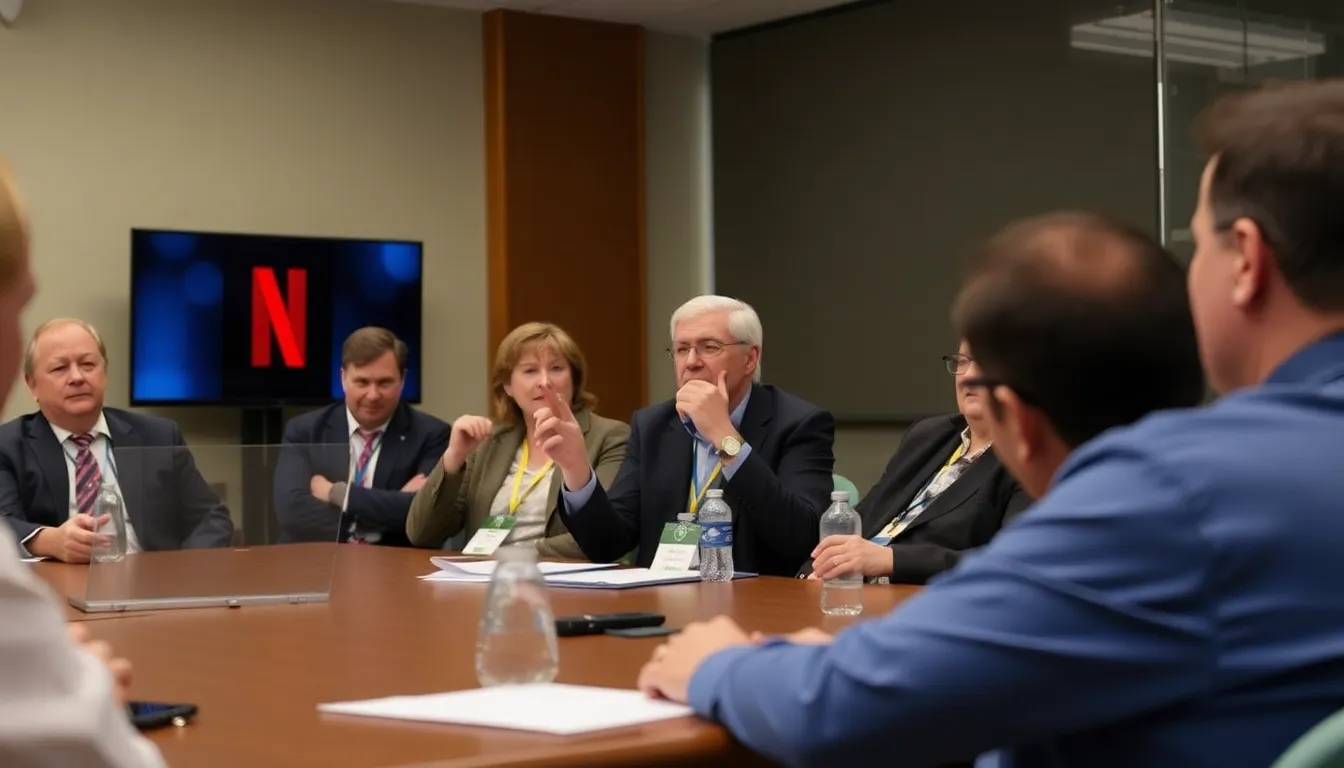
In the short term, the uncertainty surrounding the deal may lead to a slowdown in production schedules, affecting daily operations for studios and independent filmmakers alike. Workers may face job insecurity as negotiations unfold, while industry stakeholders grapple with potential shifts in revenue models. The immediate fallout could manifest in:
- Increased tensions between unions and production companies.
- Delays in film releases, impacting box office revenues.
- Job losses or reduced hours for support staff and freelancers.
Mid-term effects could reshape the landscape of content creation and distribution. If the deal proceeds without significant concessions, it may lead to a consolidation of power among major streaming services, further marginalizing independent filmmakers and smaller production houses. Conversely, it could also open doors for new partnerships and alternative distribution models, fostering innovation within the industry.
Regions like Saudi Arabia, which are increasingly investing in their film sectors, may experience both risks and opportunities. As the Red Sea Film Festival showcases local talent, the global scrutiny on major deals could either attract more international collaborations or deter potential investments due to perceived instability. The evolving landscape may encourage local filmmakers to seek unique narratives that resonate on an international scale, thus enhancing cultural exchange.
A: The deal involves collaboration between Netflix and Warner Bros to produce and distribute films and series. It has raised concerns among unions regarding labor practices and fair compensation. A: Unions are concerned that the deal could undermine labor rights and lead to unfavorable working conditions for film industry workers. A: The Red Sea Film Festival showcases the growing film industry in Saudi Arabia, which is evolving amidst these international deals and local cultural changes. A: The deal could influence the development of local talent and production standards, shaping the future of filmmaking in Saudi Arabia. A: Yes, various industry groups and labor organizations have joined forces to advocate for fair practices and to protect workers’ rights in the film industry.
Frequently Asked Questions About the Deal and Its Implications
Insights on the Future of Film in Saudi Arabia and Beyond
The recent coalition of unions and industry groups opposing the Netflix-Warner Bros. deal signals a significant shift in the film landscape, particularly in Saudi Arabia. This development not only highlights the growing influence of local stakeholders but also underscores the complexities of international partnerships in the entertainment sector. As Saudi Arabia continues to evolve its cultural narrative through initiatives like the Red Sea Film Festival, the implications of such alliances will be crucial to monitor.
Moreover, the changing landscape presents both challenges and opportunities for filmmakers and industry professionals. The pushback against major streaming platforms may lead to a more diverse array of content that reflects local stories and values, while also fostering a competitive environment that could benefit audiences worldwide.
- Watch for potential policy changes in Saudi Arabia that may impact film production and distribution.
- Monitor the responses from major streaming platforms as they navigate local industry dynamics.
- Observe how the coalition of unions and industry groups influences future negotiations and partnerships in the region.
- Consider the implications for local filmmakers as they gain more visibility and support within the global market.
- Stay informed about the outcomes of the Red Sea Film Festival and its role in shaping Saudi Arabia’s film identity.