


His contributions to the entertainment industry extended beyond acting, as he also worked as a producer and director.
The actor’s passing is felt deeply within the Asian American community and among fans worldwide. Tagawa was celebrated not only for his talent but also for breaking barriers in Hollywood, often portraying complex characters that challenged stereotypes. His influence and legacy continue to inspire aspiring actors and filmmakers.
As tributes pour in from colleagues and fans alike, the impact of Tagawa’s work is being recognized across social media platforms. Many are sharing their favorite moments from his films, highlighting his ability to bring depth and charisma to every role he undertook. His artistry and dedication to his craft will be remembered as a significant part of cinematic history.
A look back at Cary-Hiroyuki Tagawa’s career and contributions to film
Tagawa’s breakthrough role came in the 1995 film “Mortal Kombat,” where he played the iconic villain Shang Tsung.
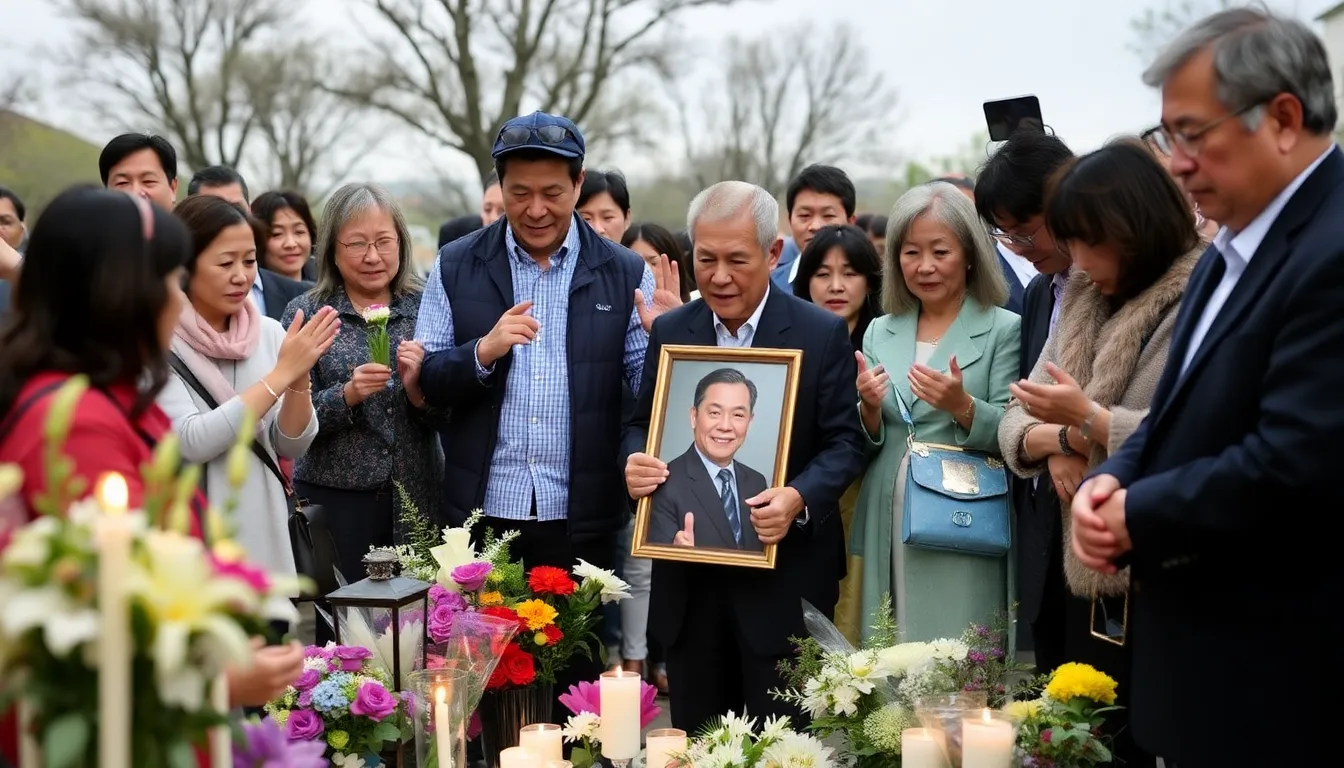
Tagawa’s contributions to film extend beyond his acting prowess. He was also involved in various projects that highlighted Asian American narratives, a significant aspect of his legacy. At a time when Asian representation in Hollywood was limited, Tagawa’s roles challenged stereotypes and opened doors for future generations of Asian actors. His work in films like “The Last Emperor” and “Pearl Harbor,” along with numerous television appearances, showcased his versatility and commitment to his craft.
Breaking Barriers in Hollywood
Throughout his career, Tagawa faced the challenges of being an Asian actor in an industry often characterized by typecasting and limited roles for people of color. His success can be seen as part of a broader movement towards greater diversity in Hollywood, which has gained momentum over the years. Tagawa’s ability to navigate these challenges and emerge as a leading figure in the action genre is a testament to his talent and determination.
In addition to his film work, Tagawa was also an advocate for Asian American representation in the arts. He participated in various cultural initiatives and spoke out about the importance of authentic storytelling. His efforts contributed to a growing awareness of the need for diverse voices in media, influencing both audiences and creators alike.
The impact of Cary-Hiroyuki Tagawa’s career is felt not only in the roles he portrayed but also in the way he paved the way for future actors. His legacy continues to inspire those who aspire to break barriers and redefine narratives in the entertainment industry.
The impact of Tagawa’s roles on Asian representation in Hollywood
As a prominent figure in the entertainment industry, Tagawa’s roles in films such as “Mortal Kombat” and “The Last Emperor” not only showcased his talent but also highlighted the complexities surrounding Asian representation in mainstream media.
Key stakeholders in this discussion include actors, filmmakers, cultural organizations, and audiences. Actors of Asian descent often face challenges in securing diverse and meaningful roles, while filmmakers and studios must navigate the balance between marketability and authenticity in their casting choices. Cultural organizations advocate for greater representation and equity within the industry, pushing for narratives that reflect the true diversity of Asian experiences.
Conflicts arise when considering the commercial interests of studios versus the artistic integrity that many filmmakers strive to uphold. For instance, while casting decisions may be driven by the desire to appeal to a broad audience, this can lead to the perpetuation of stereotypes or the marginalization of nuanced stories. Tagawa’s career serves as a reminder of the need for more inclusive narratives that go beyond traditional tropes.
- Representation: Tagawa’s roles challenged stereotypes and opened doors for future Asian actors.
- Industry Response: His legacy may influence studios to prioritize diverse casting and storytelling.
- Audience Expectations: Viewers increasingly demand authentic representation in films and television.
- Cultural Impact: Tagawa’s work contributed to a broader understanding of Asian culture within Western media.
- Legacy: His passing prompts reflection on the progress made and the work still needed in Hollywood.
As the industry continues to evolve, Tagawa’s contributions will likely serve as a benchmark for discussions surrounding equity and representation. His passing not only marks the loss of a talented performer but also underscores the ongoing journey toward a more inclusive Hollywood landscape.
How Tagawa’s legacy will influence future actors and filmmakers
The passing of Cary-Hiroyuki Tagawa at the age of 75 marks a significant loss for the film industry, particularly for those in the action and martial arts genres. His contributions have not only influenced actors and filmmakers but have also shaped the representation of Asian characters in Hollywood. This loss resonates deeply within the Asian-American community, which has long sought authentic representation in media.
In the short term, Tagawa’s death may lead to a renewed focus on diversity and representation in casting and storytelling. Filmmakers and studios might feel compelled to honor his legacy by creating more roles for Asian actors, potentially increasing opportunities for emerging talent. This could result in a more inclusive industry, fostering a broader range of narratives that reflect diverse experiences.
However, the mid-term impacts could include a temporary vacuum in the leadership and mentorship roles that Tagawa filled. Aspiring actors and filmmakers may feel the absence of his guidance and insight, which could slow the progress of diversity initiatives in Hollywood. Additionally, producers and studios may face challenges in finding actors who can match Tagawa’s unique blend of charisma and skill, potentially affecting the quality of upcoming projects.
- Short-term impacts: Increased focus on diversity in casting.
- Mid-term impacts: Possible vacuum in mentorship and leadership in the industry.
- Risks: Challenges in finding actors with similar charisma and talent.
- Opportunities: Growth in roles for Asian actors and stories.
Overall, while the immediate effects of Tagawa’s passing may prompt positive changes in representation, the industry must navigate the challenges that come with losing a pioneering figure. His legacy will undoubtedly inspire future generations, but it also highlights the ongoing need for systemic change in Hollywood to ensure that diverse voices are not just heard but celebrated.
A: Cary-Hiroyuki Tagawa is best known for his role as Shang Tsung in the 1995 film Mortal Kombat. He also appeared in notable films such as The Last Emperor and Pearl Harbor. A: Tagawa’s performances challenged stereotypes and provided a more nuanced portrayal of Asian characters in mainstream media, paving the way for future actors. A: Cary-Hiroyuki Tagawa passed away at the age of 75, leaving behind a rich legacy in the film industry. A: In addition to acting, Tagawa was involved in voice work for video games and animated series, further showcasing his versatility as a performer.
Frequently Asked Questions about Cary-Hiroyuki Tagawa
Reflecting on Cary-Hiroyuki Tagawa’s enduring legacy in cinema
Cary-Hiroyuki Tagawa’s passing at the age of 75 marks the end of an era for both fans of martial arts cinema and the broader film community. His portrayal of iconic characters, particularly in the “Mortal Kombat” franchise, has left an indelible mark on pop culture. Beyond his roles, Tagawa’s contributions to the industry as a versatile actor and a cultural icon highlight the importance of representation in film, inspiring future generations of artists and actors.
As we remember Tagawa’s achievements, it is essential to consider the broader implications of his work. His legacy serves as a reminder of the evolving landscape of cinema, where diverse stories and characters are increasingly recognized and celebrated. The impact of his career invites reflection on how the industry can continue to honor and elevate the voices of underrepresented communities.
- Monitor the response from the film community regarding tributes and memorials to Tagawa, as these can shape public remembrance and appreciation of his work.
- Watch for potential revivals or reboots of classic films featuring Tagawa, as interest in his legacy may lead to renewed focus on his contributions.
- Consider the ongoing conversations about representation in film, as Tagawa’s career exemplifies the significance of diverse narratives in mainstream media.
- Observe how upcoming actors of Asian descent may draw inspiration from Tagawa’s career, potentially leading to new opportunities and projects that reflect diverse experiences.
- Stay informed about any initiatives or foundations that might emerge in his honor, aimed at supporting aspiring actors and filmmakers from diverse backgrounds.