


The celebration will include a synchronized light show and musical performances, with Miku’s holographic image taking center stage. Organizers have planned a series of activities to engage fans, including interactive exhibits and merchandise stalls. This initiative not only showcases technological advancements but also emphasizes the cultural significance of virtual artists in contemporary entertainment, as highlighted in related events.
Local authorities have collaborated with event planners to ensure a safe and enjoyable experience for attendees. Security measures and crowd control strategies are being implemented to manage the expected influx of participants. This event represents a unique intersection of technology, art, and community, making it a pivotal moment for both the city and the virtual music industry.
The significance of this event extends beyond entertainment; it reflects the growing acceptance and popularity of digital culture in Japan and worldwide. As fans celebrate the end of the year with a beloved character, it serves as a reminder of the evolving landscape of music and performance art in the digital age. The event is poised to set a new benchmark for future celebrations of virtual idols.
Understanding the significance of Hatsune Miku in pop culture
Hatsune Miku, a virtual idol created by Crypton Future Media in 2007, has transcended the boundaries of traditional music and entertainment to become a cultural phenomenon. As a Vocaloid, Miku is powered by voice synthesis technology, allowing users to create songs using her voice. This innovative approach to music production has democratized the music creation process, enabling amateur and professional artists alike to collaborate and share their works with a global audience. Her popularity has not only reshaped the music industry but has also influenced fashion, art, and technology, making her a focal point of pop culture.
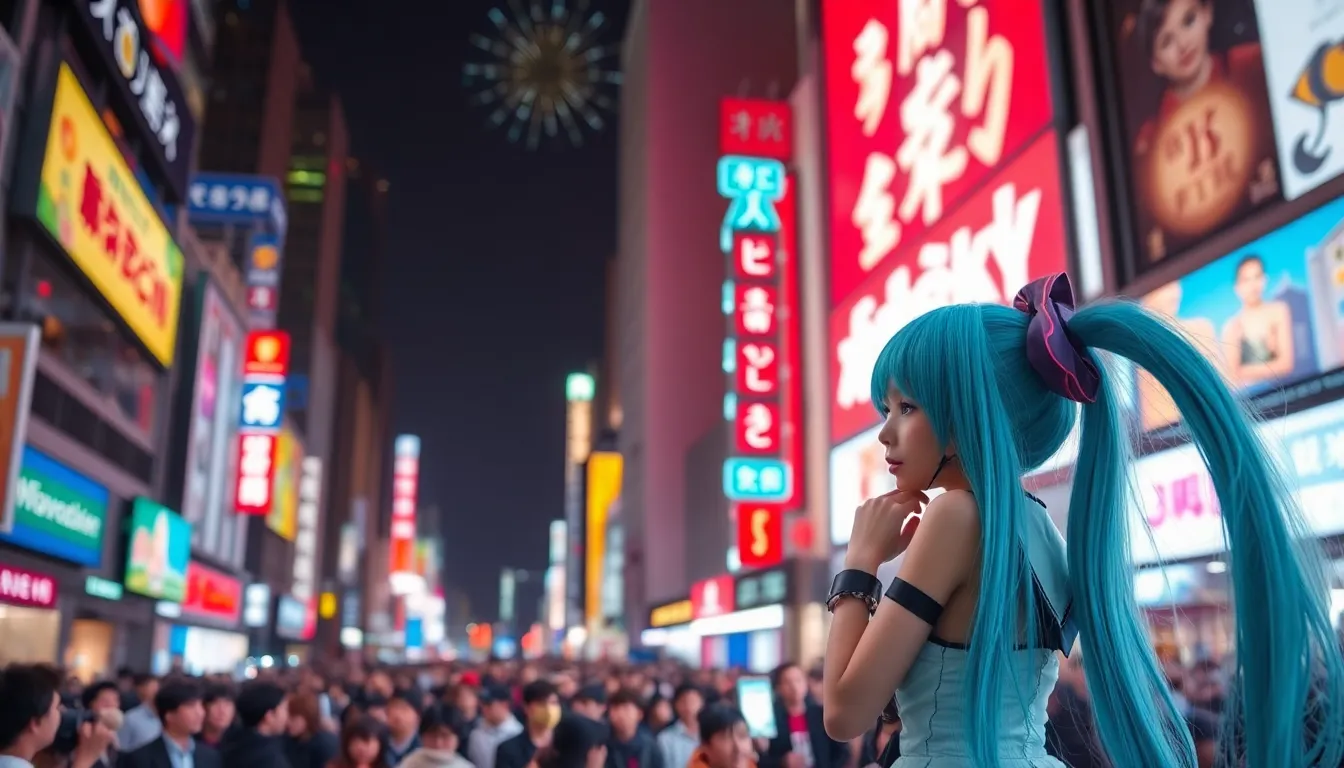
The rise of Hatsune Miku can be attributed to several key milestones, including her first live concert in 2010, where she performed as a hologram. This groundbreaking event showcased the potential of virtual performers and set the stage for future concerts featuring digital avatars. Miku’s concerts have since evolved into elaborate productions, drawing thousands of fans and creating a unique blend of music, technology, and visual art that captivates audiences worldwide.
The Economic Impact of Miku’s Popularity
The economic implications of Hatsune Miku’s rise cannot be overlooked. As she gained traction, a thriving merchandise market emerged, featuring everything from figurines to clothing, which has significantly contributed to Japan’s pop culture economy. Additionally, her collaborations with various brands and industries have further solidified her status as a cultural icon, a subject explored in depth in the context of modern economics. Events like the upcoming New Year’s Eve celebration in Tokyo are not only a testament to her enduring popularity but also serve as a catalyst for tourism and local businesses, highlighting the economic benefits of embracing virtual idols.
Moreover, Miku’s influence extends beyond Japan, as she has garnered a dedicated fanbase internationally. This global reach has sparked interest in Japanese pop culture and opened doors for other virtual idols and artists, fostering a new wave of creativity and collaboration across borders. The phenomenon of Hatsune Miku represents a significant shift in how music and entertainment are consumed and produced, reflecting broader social changes in the digital age.
Key stakeholders and their roles in the event
The upcoming event featuring the largest Hatsune Miku in history on New Year’s Eve in Tokyo involves a diverse array of stakeholders, each with their own interests and potential conflicts. These stakeholders include event organizers, local businesses, government authorities, and fans of the virtual idol.
Event organizers, including companies like Crypton Future Media, are primarily focused on creating a memorable experience that showcases technology and culture. Their interests lie in maximizing attendance and media coverage, which can enhance their brand and potentially lead to increased merchandise sales. However, they must also navigate logistical challenges, such as crowd management and ensuring the safety of attendees.
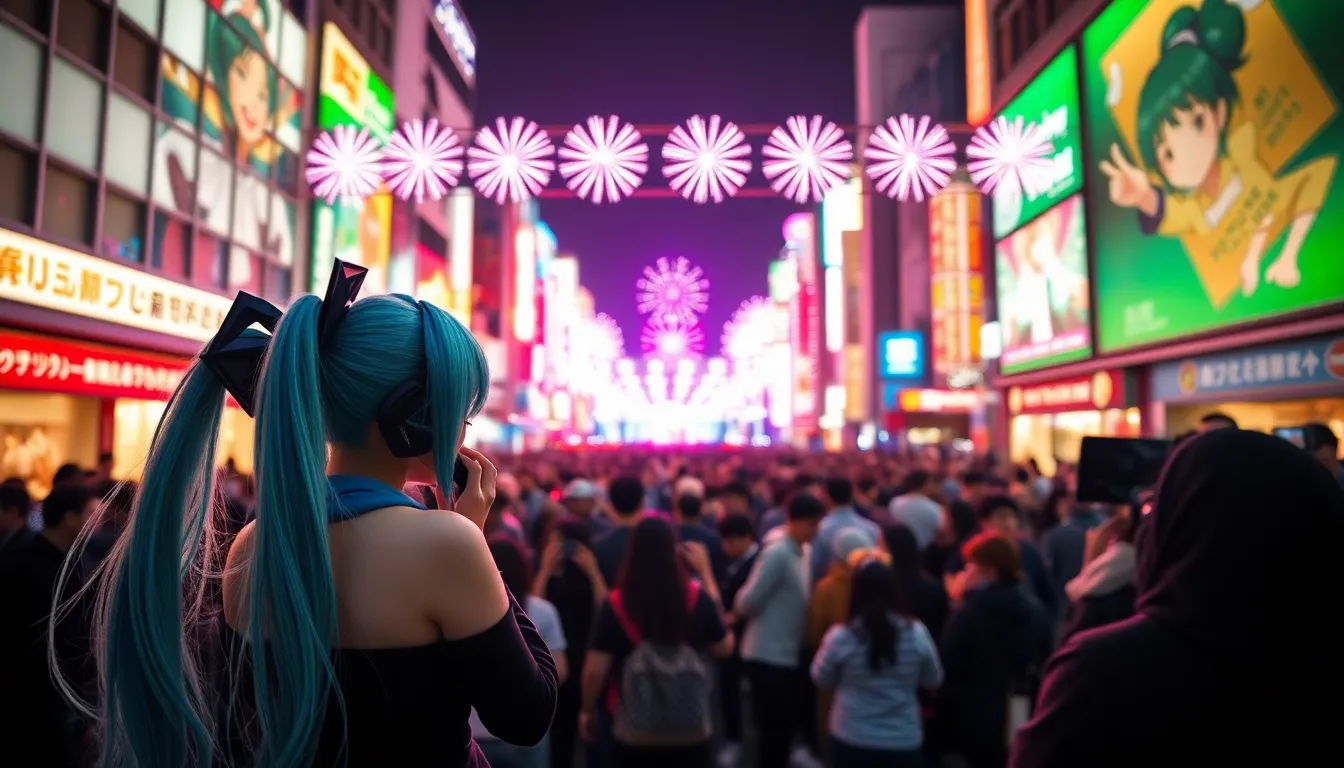
Local businesses, particularly those in the hospitality and retail sectors, stand to benefit economically from the influx of visitors. Hotels, restaurants, and shops may experience a surge in demand, leading to increased revenue. However, there is a trade-off as some businesses may face disruptions due to road closures or increased foot traffic, which could deter regular customers.
Government authorities, including the Tokyo Metropolitan Government, are responsible for ensuring public safety and maintaining order during the event. Their interests include promoting tourism and cultural events while also addressing potential concerns related to noise, crowd control, and emergency services. Conflicts may arise between the desire to celebrate and the need to manage public safety effectively.
- Event organizers: Focus on maximizing attendance and media presence.
- Local businesses: Aim for increased sales while facing potential disruptions.
- Government authorities: Ensure public safety and manage logistical challenges.
- Fans and attendees: Seek an enjoyable and memorable experience.
- Media: Interested in coverage and storytelling opportunities around the event.
The expected impact on local businesses and tourism
The arrival of the largest Hatsune Miku in history on New Year’s Eve is set to create a significant buzz in Tokyo, affecting various groups and industries. Local businesses, especially those in the hospitality and retail sectors, are likely to see a surge in customers as fans flock to the city for this unique event. Restaurants, hotels, and souvenir shops may experience increased demand, leading to a temporary boost in revenue.
Tourism in Tokyo is expected to receive a notable uplift, with both domestic and international visitors drawn to the spectacle. The event could lead to a spike in hotel bookings and a rise in foot traffic in popular areas such as Akihabara, known for its vibrant otaku culture. This influx of visitors presents an opportunity for local businesses to capitalize on the event by offering themed merchandise and special promotions.
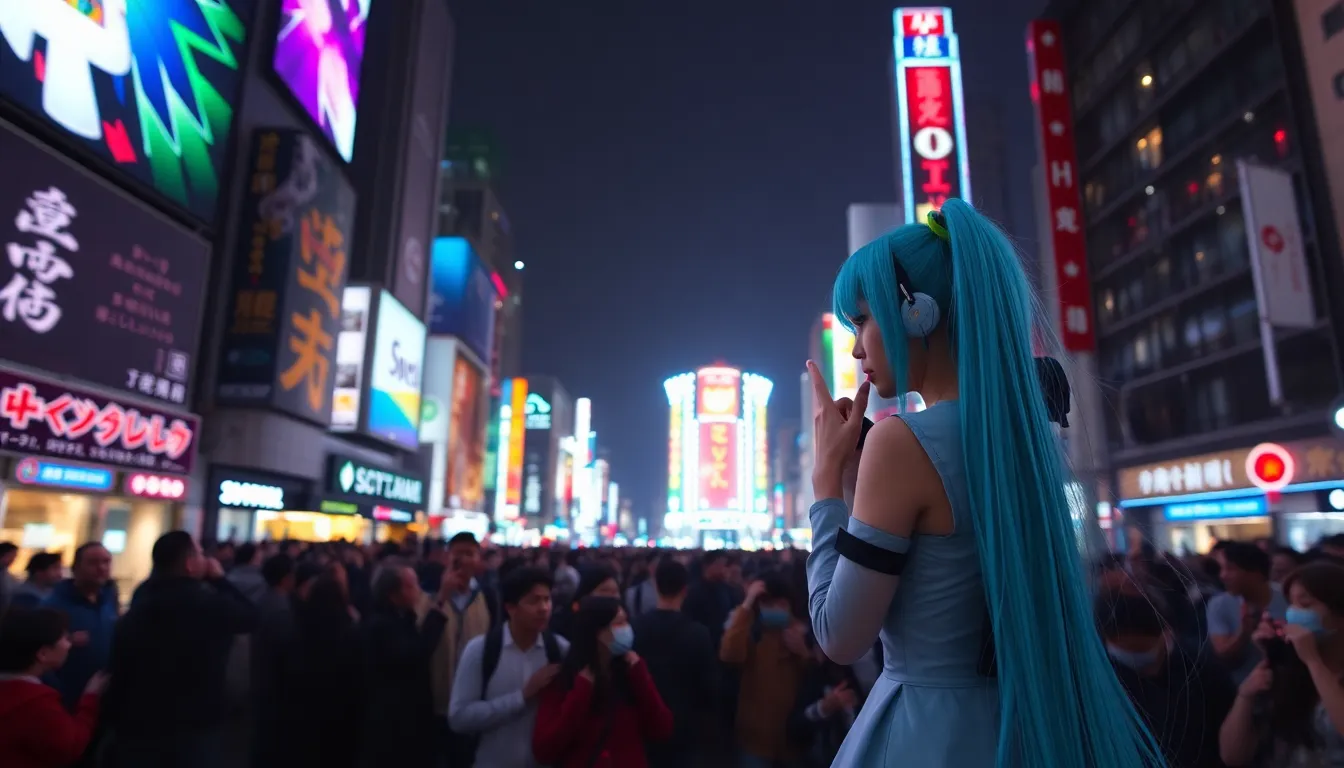
In the short term, the event may disrupt daily life for residents due to increased congestion and heightened security measures in key areas. Public transportation systems may experience delays or reroutes, potentially affecting commuters. However, these challenges could also encourage local authorities to improve infrastructure and enhance public services in the long run.
- Increased customer traffic in local businesses, leading to higher sales.
- Potential for new partnerships between local businesses and event organizers.
- Short-term disruptions in daily commuting and local traffic.
- Opportunities for cultural exchange as international fans engage with local traditions.
While there are risks associated with crowd management and potential disruptions, the overall impact of the Hatsune Miku event presents a unique opportunity for Tokyo to showcase its vibrant culture and creativity. Local policymakers may also take notice of the event’s success, potentially leading to future investments in similar cultural initiatives that can further enhance the city’s global appeal.
A: The event will feature a massive virtual concert with advanced holographic technology, showcasing Hatsune Miku and other virtual idols. A: The event is scheduled for New Year’s Eve in Tokyo, with specific locations to be announced closer to the date. A: Fans can attend in person or watch the live stream online, with various interactive features available for virtual attendees. A: Yes, several popular vocaloid artists and producers are expected to make special appearances during the concert. A: Organizers are implementing health and safety protocols, including crowd control and sanitation measures, to ensure a safe experience.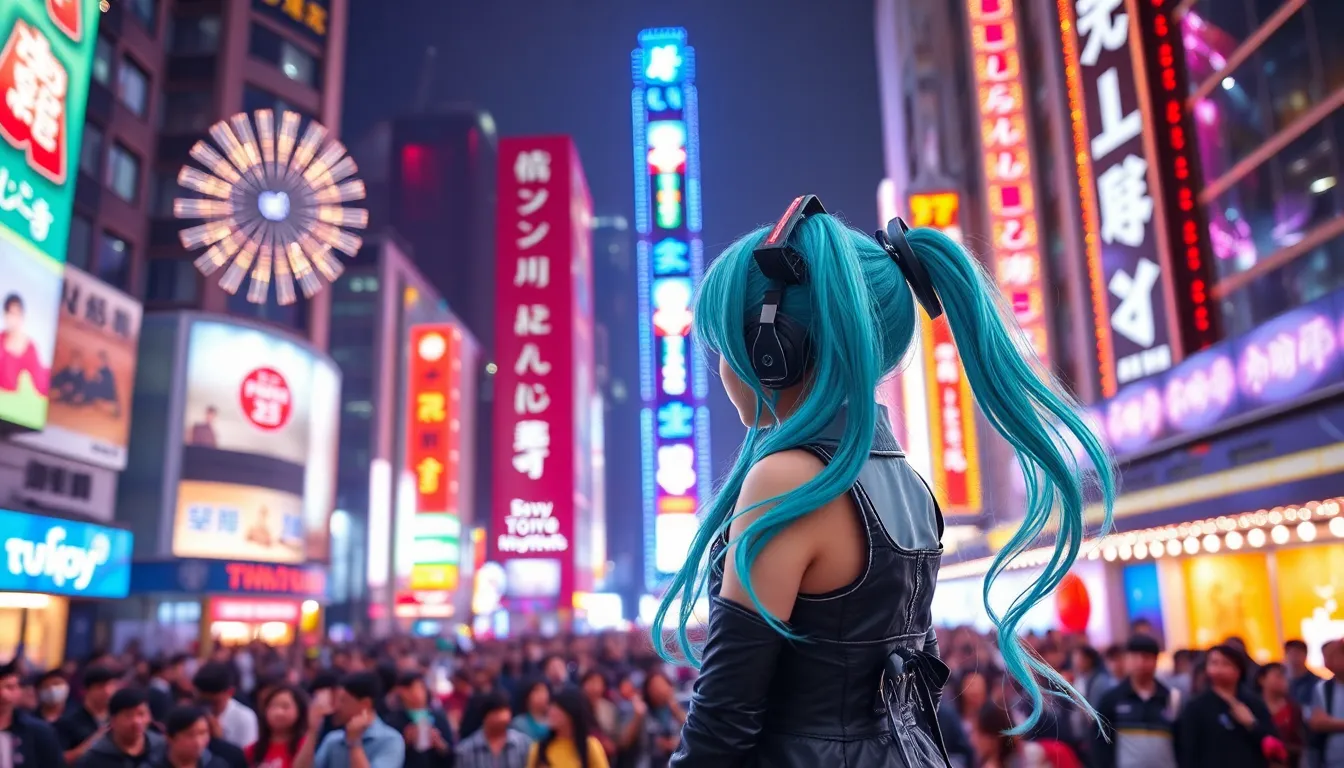
Frequently asked questions about the event
Looking ahead to the future of Hatsune Miku events
The unprecedented scale of the largest Hatsune Miku event in history on New Year’s Eve marks a significant milestone not only for the virtual idol but also for the broader landscape of digital entertainment. As fans gather in Tokyo to celebrate, the event underscores the growing influence of virtual performers in mainstream culture and the potential for immersive experiences that blend technology with traditional festivities.
As we look to the future, the success of this event may pave the way for similar large-scale gatherings, fostering a deeper connection between fans and virtual artists. This evolution could lead to innovative collaborations across various entertainment sectors, including music, gaming, and even fashion, as virtual identities continue to gain traction.
- The integration of augmented and virtual reality technologies could enhance future events, offering attendees an even more immersive experience.
- Expect increased collaboration between virtual artists and traditional musicians, creating unique cross-genre performances that appeal to a wider audience.
- As fan engagement deepens, brands may leverage virtual idols for marketing campaigns, tapping into their growing popularity to reach younger demographics.
- The success of this event may inspire other cities to host similar celebrations, expanding the cultural footprint of virtual artists globally.
- Monitoring the evolution of fan interactions with virtual idols can provide insights into shifting trends in entertainment consumption and community building.