


Russell’s lap time of 1:24.456 put him at the top of the timesheets, demonstrating the competitiveness of the Mercedes team as they aim to secure a strong position for the race. Norris, driving for McLaren, closely followed, finishing just 0.123 seconds behind, underscoring the tight battle for supremacy among the top teams.
The session was characterized by fluctuating weather conditions, which added an extra layer of challenge for the drivers. With temperatures hovering around 30 degrees Celsius and a slight breeze, teams had to adapt their strategies quickly to optimize performance on the track.
As the teams prepare for qualifying later today, the results from FP3 indicate a promising showdown between Russell and Norris, along with other contenders. The outcome of this session not only sets the tone for the qualifying rounds but also raises the stakes for the championship race, making it a crucial moment in the F1 calendar.
Understanding the significance of FP3 in F1
The final practice session, known as FP3, holds considerable importance in the Formula 1 calendar, particularly as teams prepare for the qualifying rounds and the race itself. This session allows teams to fine-tune their setups, test tire strategies, and gather crucial data on track conditions.
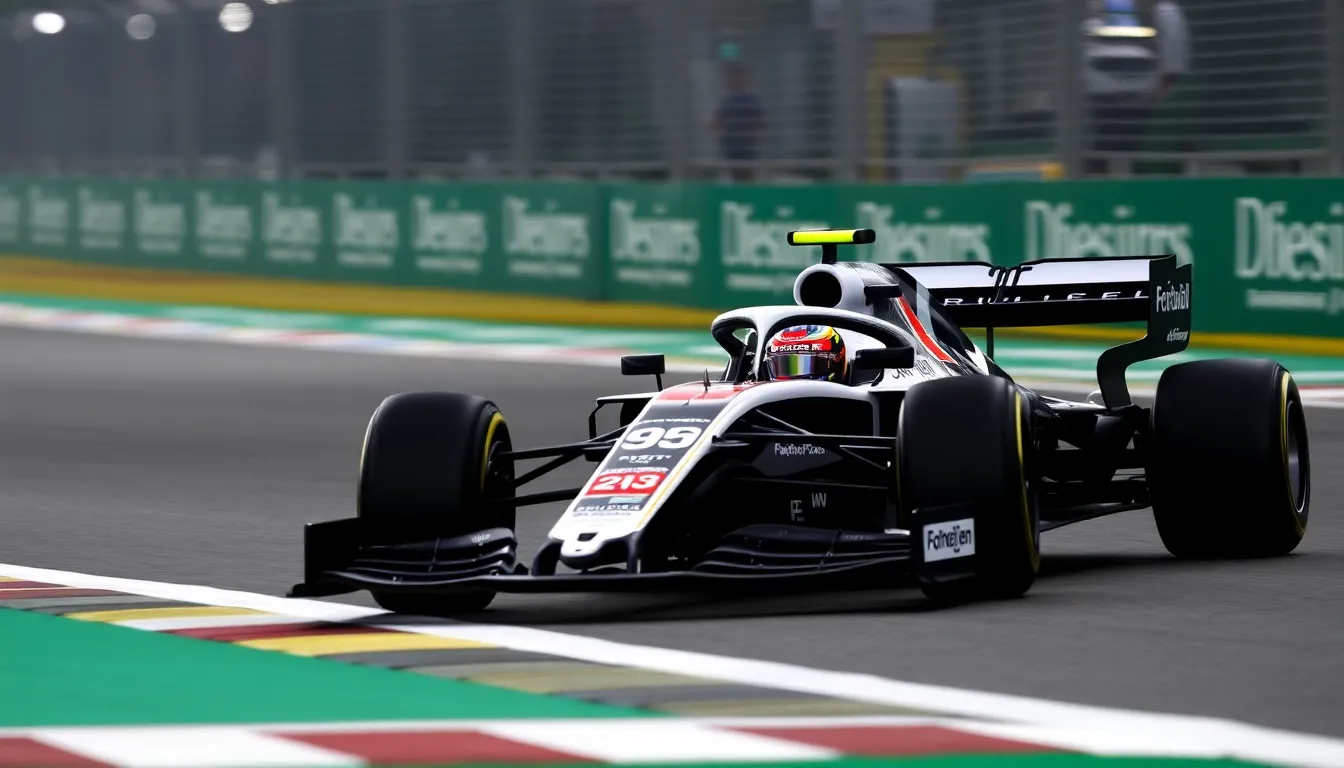
In the context of the Abu Dhabi Grand Prix, FP3 takes on added significance due to the unique characteristics of the Yas Marina Circuit. The track’s layout, which features long straights and tight corners, demands a balance between speed and downforce. As teams navigate the intricacies of this circuit, the insights gained during FP3 can directly influence their strategies for both qualifying and the race, particularly in adapting to the evolving track conditions as the sun sets.
Historical Context of the Abu Dhabi GP
The Abu Dhabi Grand Prix has been a part of the Formula 1 calendar since 2009 and has evolved into a key event, often serving as the season finale. The race’s location in a region known for its opulence and investment in motorsport has attracted significant attention and resources. Over the years, the GP has witnessed various dramatic moments, from title-deciding races to memorable performances by emerging talents. The atmosphere and prestige associated with this event make it a focal point for drivers and teams alike.
In recent years, the rivalry between drivers such as George Russell and Lando Norris has intensified, with both emerging as strong contenders in the sport. Their performances during practice sessions like FP3 not only reflect their individual skill but also the competitive dynamics within their respective teams. As they push the limits of their cars, the results of FP3 can set the tone for the remainder of the race weekend, shaping narratives that resonate with fans and analysts alike.
Key factors influencing the performance of Russell and Norris
The competition between George Russell and Lando Norris during the Abu Dhabi Grand Prix highlights several key stakeholders and issues that shape the dynamics of Formula 1 racing. The primary actors in this scenario include the drivers, their respective teams, the Formula 1 governing body, and the fans who follow the sport. Each of these stakeholders has distinct interests that influence the race outcomes and overall championship standings.
George Russell represents Mercedes, a team with a strong legacy in F1, while Lando Norris drives for McLaren, a team that has been striving to regain its former glory. Both drivers are vying for personal success and team points, which are crucial for their careers and their teams’ standings in the Constructors’ Championship.
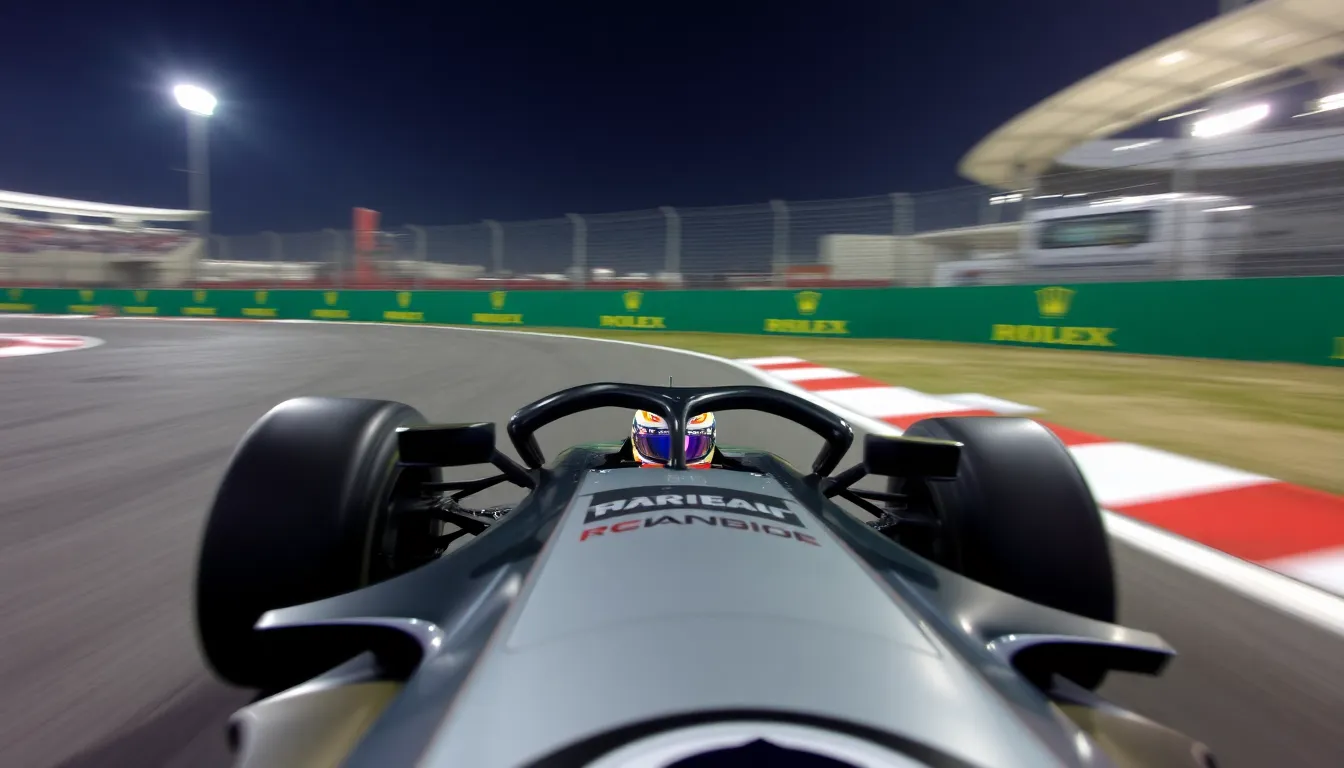
Several key issues emerge from this rivalry, including:
- Team Strategy: The strategies employed by Mercedes and McLaren can significantly impact the performance of their drivers during practice sessions and races.
- Technical Regulations: Changes in F1 regulations can create advantages or disadvantages for specific teams, influencing the competitive balance.
- Sponsorship and Funding: The financial backing of teams affects their ability to develop competitive cars, which in turn impacts driver performance.
- Fan Engagement: The popularity of drivers like Russell and Norris plays a role in attracting sponsorships and maintaining viewership, which is vital for the sport’s growth.
Additionally, the relationship between the drivers and their teams is pivotal. Russell and Norris must not only perform well individually but also align with their teams’ objectives. This can lead to conflicts when personal ambitions clash with team strategies, especially in critical moments during races or qualifying sessions. The balance between individual performance and team success remains a central theme in this competitive landscape.
As the season progresses, the implications of these factors will continue to unfold, influencing not only the standings in the championship but also the future trajectories of both drivers and their teams. The interplay of personal ambition, team dynamics, and external pressures from regulations and sponsorships shapes the narrative of the F1 Abu Dhabi GP and beyond.
How this session affects the race strategy for the teams
The results from the busy FP3 session at the Abu Dhabi Grand Prix have significant implications for various stakeholders in the Formula 1 ecosystem. Teams, drivers, sponsors, and fans are all impacted by the performance outcomes and the strategic decisions that will follow. George Russell’s impressive lap times, edging out Lando Norris, not only highlight the competitive nature of the race but also set the stage for tactical adjustments as teams prepare for qualifying and the race itself.
In the short term, teams are forced to analyze data from FP3 to refine their strategies. This includes tire selection, fuel loads, and potential pit stop strategies. For drivers like Russell and Norris, their performance can influence their confidence levels and overall morale, which are crucial for race day. Additionally, sponsors may assess the visibility and performance of their brands based on how well their drivers perform, impacting future sponsorship deals.
In the mid-term, the outcomes from this session may affect team dynamics and driver contracts. A strong performance by Russell could solidify his position within Mercedes, while Norris’s competitiveness may attract attention from rival teams looking to bolster their rosters. Furthermore, the focus on performance can lead to increased investments in technology and training, as teams aim to gain a competitive edge moving forward.
- Short-term impacts: Immediate adjustments in race strategy, tire choices, and driver morale.
- Mid-term impacts: Potential shifts in driver contracts and increased investments in team resources.
- Risks: Over-reliance on data from FP3 could lead to strategic miscalculations during the race.
- Opportunities: Enhanced visibility for sponsors and potential for new partnerships based on performance outcomes.
The ripple effects of FP3 extend beyond the track, influencing the broader motorsport industry and its stakeholders. As teams and drivers adapt to the insights gained, the excitement surrounding the Abu Dhabi GP continues to build, showcasing the intricate relationship between performance, strategy, and the ever-evolving landscape of Formula 1.
A: FP3 stands for Free Practice 3, which is the final practice session before the qualifying rounds in a Formula 1 race weekend. A: FP3 is crucial as it allows teams to fine-tune their cars and strategies before qualifying, impacting their starting positions for the race. A: George Russell delivered an impressive performance, securing the fastest lap in a tightly contested session, edging out Lando Norris. A: The results from FP3 can influence tire choices and strategies, potentially giving teams an advantage in the race. A: Besides Russell and Norris, several other drivers showed strong performances, making the upcoming race more unpredictable.
Frequently asked questions about the FP3 session
Key takeaways and outlook for the Abu Dhabi GP
The final practice session at the Abu Dhabi Grand Prix showcased the intense competition between George Russell and Lando Norris, with Russell narrowly securing the top spot. This performance sets the stage for an exciting race, highlighting the evolving dynamics among the leading teams. As teams finalize their strategies, the implications of this session could play a crucial role in shaping the outcome of the race.
With both drivers demonstrating strong pace, the focus will now shift to qualifying and the race itself. Factors such as tire management, track conditions, and team strategies will be pivotal as the teams look to capitalize on their FP3 insights.
- Keep an eye on tire strategies, as both Mercedes and McLaren may adopt different approaches to optimize their performance during the race.
- Watch for potential weather changes that could influence race dynamics, especially given the desert climate of Abu Dhabi.
- Consider the impact of track evolution on lap times, as conditions could improve significantly from practice to the race.
- Monitor team communications and pit stop strategies, as these could be critical in determining race outcomes.
- Expect fierce competition not just between Russell and Norris, but also from other contenders aiming to capitalize on any mistakes made by the frontrunners.