


The reopening is part of a broader strategy by Jamie Oliver to reconnect with his audience and restore his culinary legacy. For more insights into the impact of celebrity chefs, check out our article on Scarlett Johansson joining talks for The Batman 2. The first new restaurant is expected to open in early 2024, with additional sites planned throughout the year. This move signals a renewed confidence in the casual dining sector, which has been recovering from the impacts of the COVID-19 pandemic.
Industry analysts suggest that the return of Jamie’s Italian could reinvigorate interest in British cuisine, particularly among younger diners who may not be as familiar with the brand’s history. The original chain was known for its focus on fresh, seasonal ingredients and a casual dining experience, which may resonate well in the current market. The lessons learned from past failures, such as during the economic upheaval caused by the pandemic, will be key in navigating this comeback.
As the hospitality industry continues to evolve, the reopening of Jamie’s Italian will be closely watched. The success of this venture could influence other restaurateurs considering similar returns or expansions in a post-pandemic landscape.
Understanding the background of Jamie’s Italian and its previous challenges
Founded by celebrity chef Jamie Oliver in 2008, Jamie’s Italian quickly gained popularity for its emphasis on fresh, high-quality ingredients and a casual dining experience. The brand expanded rapidly, with numerous locations opening across the UK and internationally. However, this rapid expansion came with its own set of challenges, particularly in terms of financial sustainability and market saturation.
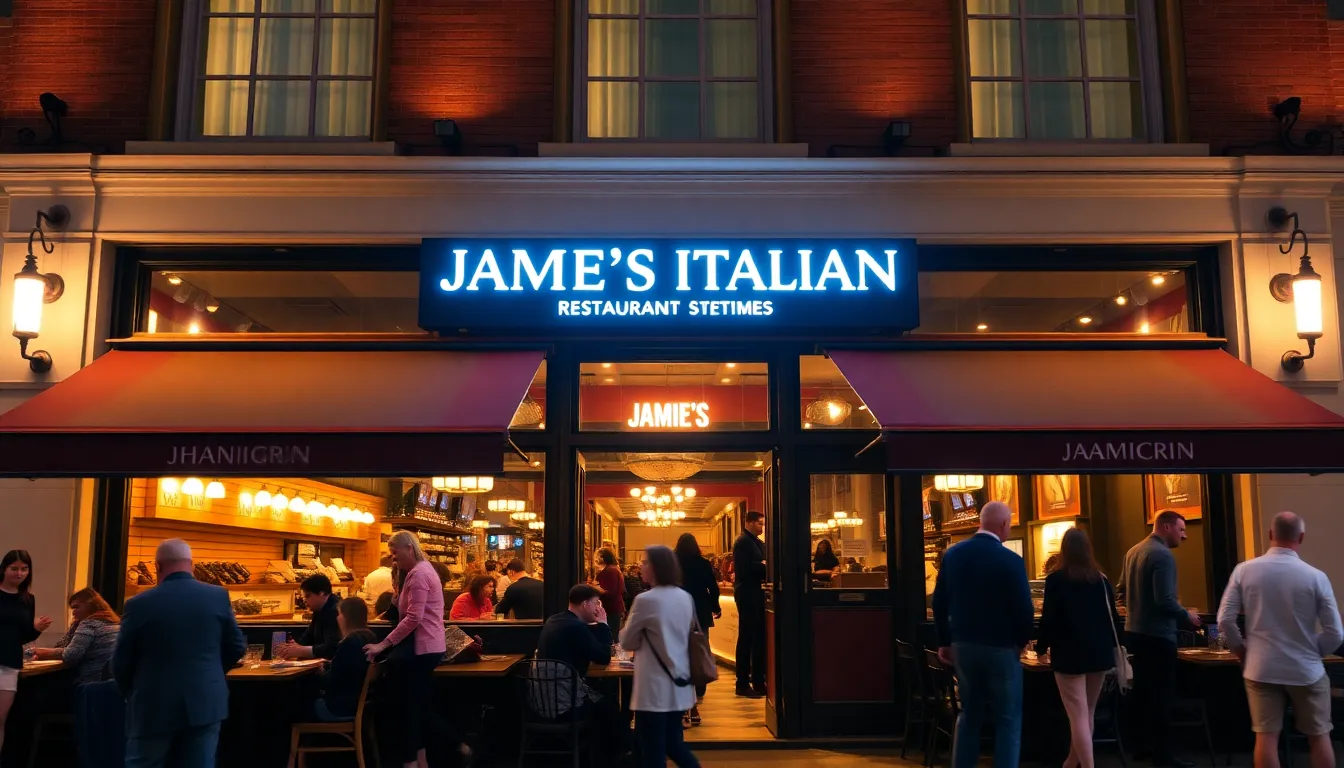
In 2019, Jamie’s Italian faced significant financial difficulties, leading to the closure of several locations and the eventual collapse of the chain. Contributing factors included rising operational costs, increased competition in the casual dining sector, and changing consumer preferences. The economic impact of the COVID-19 pandemic further exacerbated these issues, leading to a dramatic shift in the restaurant industry as many establishments struggled to survive.
Key milestones in the rise and fall of Jamie’s Italian
Throughout its history, Jamie’s Italian experienced several key milestones that shaped its trajectory. In 2015, the chain reported a loss of £4.9 million, prompting Oliver to take measures to revitalize the brand, including menu changes and a focus on reducing costs. Despite these efforts, the financial strain persisted, culminating in the chain entering administration in May 2019.
In the wake of its collapse, Oliver’s team worked to restructure the brand, leading to a renewed focus on fewer locations with a more sustainable business model. This shift reflects broader trends in the restaurant industry, where adaptability and resilience have become essential for survival in an increasingly competitive market. As Jamie’s Italian prepares to make a comeback, it is essential to consider the lessons learned from its previous challenges, much like the discussions around creative projects in the industry, such as Oscar Isaac’s joy in Frankenstein and his personal documentary.
As Jamie’s Italian prepares to make a comeback, it is essential to consider the lessons learned from its previous challenges. The brand’s revival will likely depend on its ability to innovate and resonate with a new generation of diners while maintaining the core values that originally endeared it to customers.
Key stakeholders and issues surrounding the restaurant’s revival
The revival of Jamie’s Italian, a brand that faced significant challenges leading to its collapse six years ago, involves a complex web of stakeholders. Key actors include Jamie Oliver, the founder and celebrity chef, who has a vested interest in restoring his brand’s reputation and profitability. Additionally, investors and creditors who were impacted by the previous collapse are crucial stakeholders, as they seek to recoup losses and ensure the new venture is financially viable.
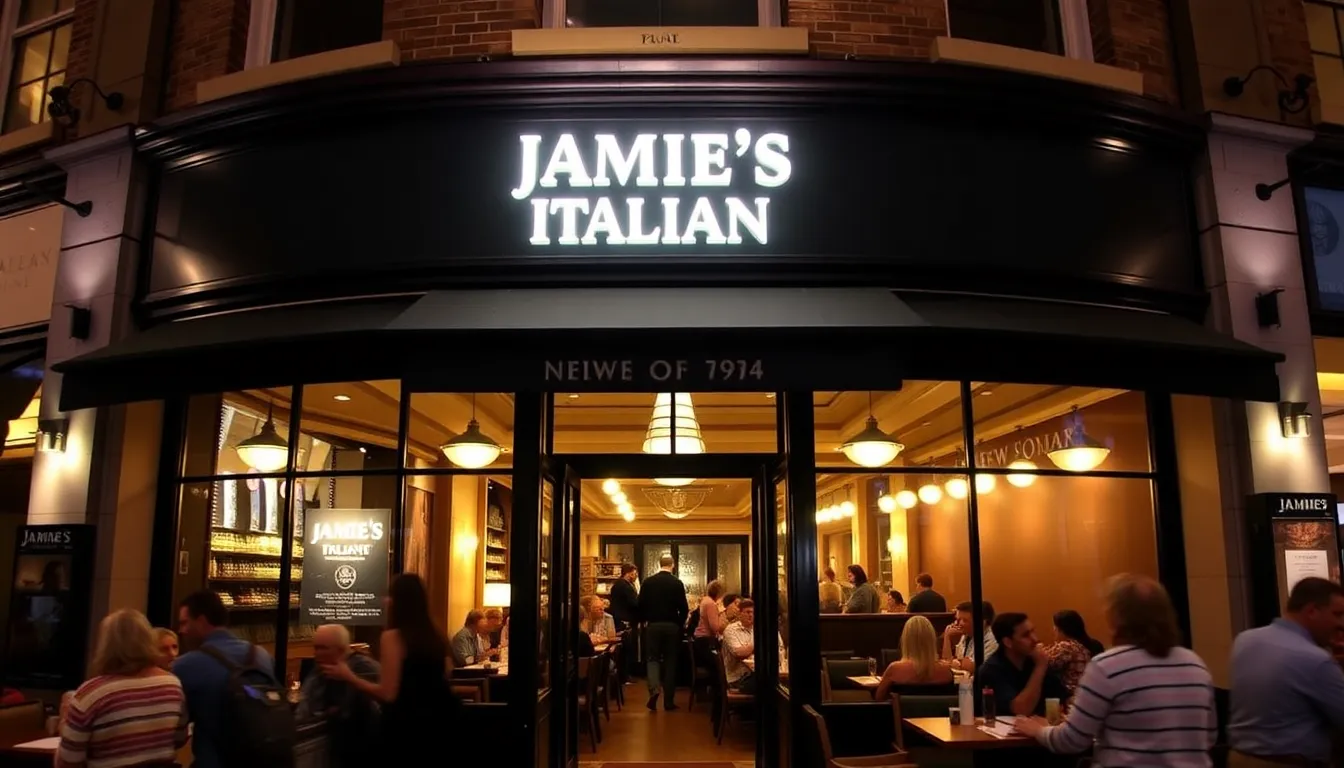
Local governments and regulatory bodies also play a significant role, particularly in terms of compliance with health and safety regulations, as well as potential zoning laws that could affect the restaurant’s operations. The community surrounding the restaurant locations is another important stakeholder, as their support can influence the success of the revival.
Several key issues need to be addressed in the context of this revival:
- Financial Stability: Ensuring that the new business model is economically sound to avoid past mistakes.
- Brand Rehabilitation: Overcoming the negative perceptions associated with the previous collapse.
- Regulatory Compliance: Navigating local laws and regulations that impact restaurant operations.
- Market Competition: Competing with other established dining options in a saturated market.
- Supply Chain Management: Establishing reliable sources for quality ingredients to maintain the brand’s culinary standards.
Moreover, the revival raises questions about the balance between innovation and tradition. Jamie Oliver’s culinary philosophy has always emphasized fresh, high-quality ingredients and a commitment to sustainability. Striking the right balance between these values and the need for operational efficiency will be critical in appealing to both loyal customers and new diners.
Potential impacts on the dining industry and local economies
The return of Jamie’s Italian after a six-year hiatus is poised to affect various stakeholders, including local communities, food suppliers, and the broader dining industry. This revival is likely to create a ripple effect across the culinary landscape, impacting both established restaurants and new entrants in the market.
In the short term, the reopening may boost local economies by generating jobs and increasing foot traffic in urban areas where the restaurants are located. This influx can lead to higher sales for surrounding businesses such as shops and entertainment venues. However, it may also pose challenges for smaller eateries that compete for the same customer base.
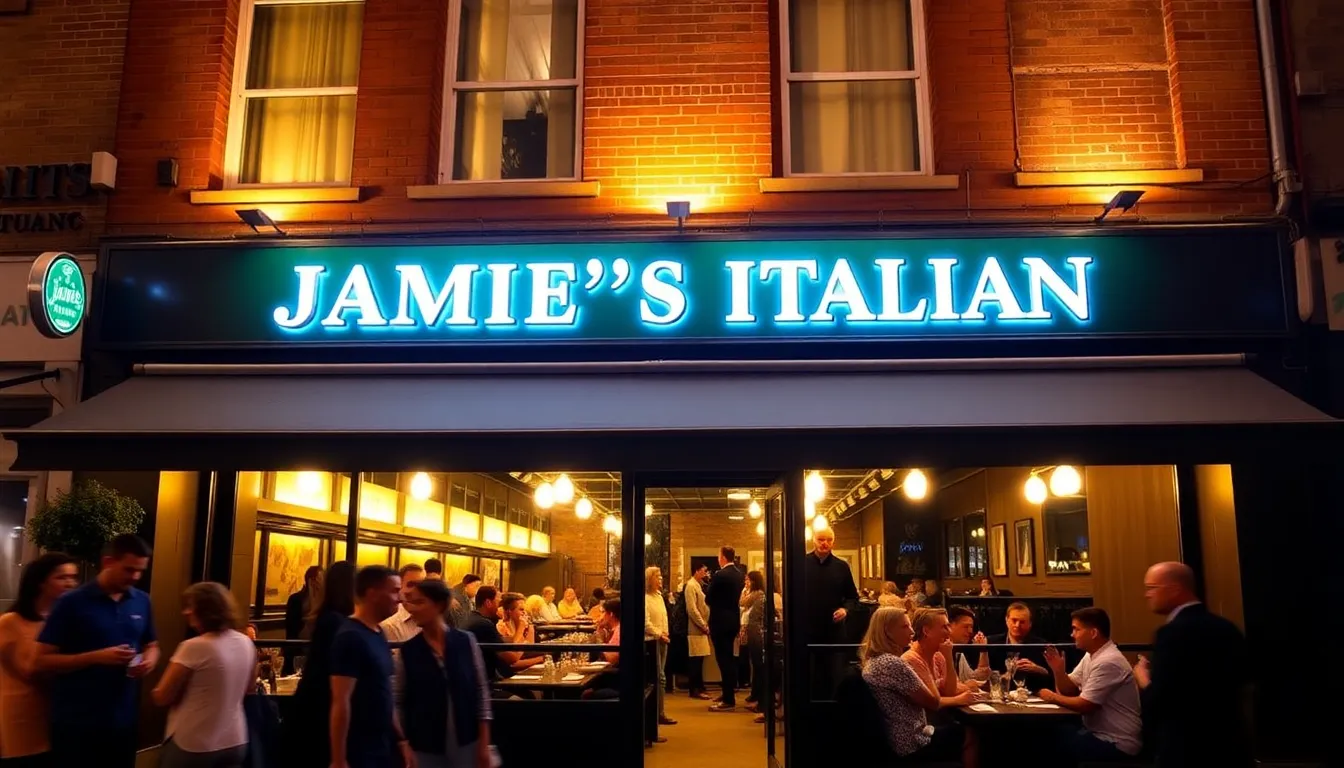
In the mid-term, the return of a well-known brand like Jamie’s Italian could influence dining trends, potentially shifting consumer preferences towards casual dining experiences. This could lead to a rise in demand for similar concepts, encouraging innovation among restaurateurs. On the flip side, established brands may feel pressure to adapt their offerings to retain customers.
- Job creation: New employment opportunities in both front-of-house and kitchen roles.
- Increased competition: Local restaurants may need to enhance their offerings to attract diners.
- Supplier relationships: Local food suppliers could benefit from increased demand for fresh ingredients.
- Tourism boost: The restaurant’s reputation may draw visitors, enhancing the local tourism sector.
While the revival presents numerous opportunities, it also carries risks. If Jamie’s Italian fails to resonate with today’s consumers or if operational challenges arise, it could negatively impact the brand’s image and the local dining scene. Therefore, both opportunities and risks must be carefully managed as the restaurant re-establishes itself in the market.
A: Jamie’s Italian is expected to reopen in early 2024, with specific dates to be announced soon. A: Yes, the new menu will feature updated dishes that reflect current culinary trends while maintaining the brand’s Italian roots. A: The first new locations will be in major cities, with plans for expansion based on customer demand. A: The original chain faced financial difficulties due to various factors, including increased competition and changing consumer preferences. A: Jamie Oliver and a new management team are overseeing the reopening to ensure a successful relaunch.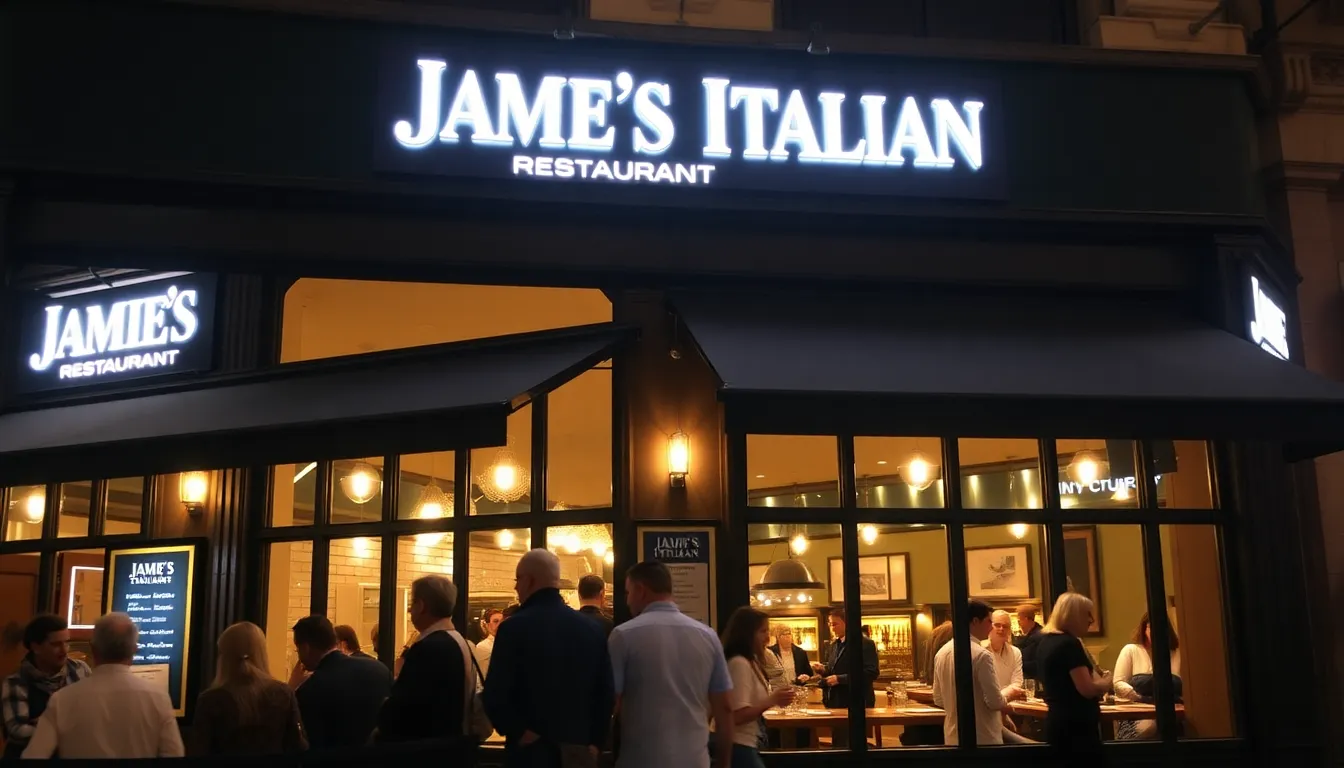
Frequently asked questions about Jamie’s Italian reopening
Insights on the future of Jamie’s Italian and its market position
The reintroduction of Jamie’s Italian marks a significant moment in the culinary landscape, particularly as it navigates a post-pandemic environment. With a renewed focus on sustainability and local sourcing, the brand is poised to attract a diverse clientele that values both quality and ethical practices. This shift also reflects broader trends in the hospitality industry, where consumer preferences are increasingly leaning towards transparency and authenticity.
Furthermore, the revival of such a well-known brand presents an opportunity to leverage nostalgia while innovating the menu and dining experience. As Jamie’s Italian seeks to establish its foothold once again, monitoring its adaptation strategies will be crucial for understanding its long-term viability in a competitive market.
- Watch for innovative menu offerings that balance nostalgia with modern culinary trends.
- Observe the brand’s approach to sustainability and how it resonates with eco-conscious consumers.
- Consider the impact of location choices on the brand’s revival and customer engagement.
- Monitor partnerships and collaborations that could enhance brand visibility and market reach.
- Evaluate customer feedback and engagement strategies as a measure of the brand’s re-establishment success.