


Russian Foreign Minister Sergey Lavrov highlighted that the US strategy reflects a growing recognition of the multipolar nature of international relations. He pointed out that this alignment could pave the way for more constructive dialogue between the two nations, despite ongoing tensions in various geopolitical hotspots. For more on how these tensions unfold, visit this article.
The US strategy outlines a commitment to strengthening alliances and partnerships, which Moscow interprets as a potential shift in the West’s approach to security. Analysts suggest that this could lead to increased diplomatic efforts aimed at de-escalating conflicts in regions where both powers have vested interests, such as Eastern Europe and the Middle East.
As both countries navigate their complex relationship, the implications of this strategic alignment are significant. Observers note that while the rhetoric may suggest common ground, the underlying tensions remain, particularly concerning military deployments and nuclear capabilities.
Understanding the historical context of US-Russia relations
The relationship between the United States and Russia has been marked by a complex interplay of cooperation and conflict, shaped significantly by historical events and geopolitical shifts. Following the end of the Cold War in the early 1990s, there was a brief period of optimism, with both nations seeking to redefine their relationship. However, this optimism was short-lived as differing national interests and ideologies began to resurface, leading to a series of confrontations.
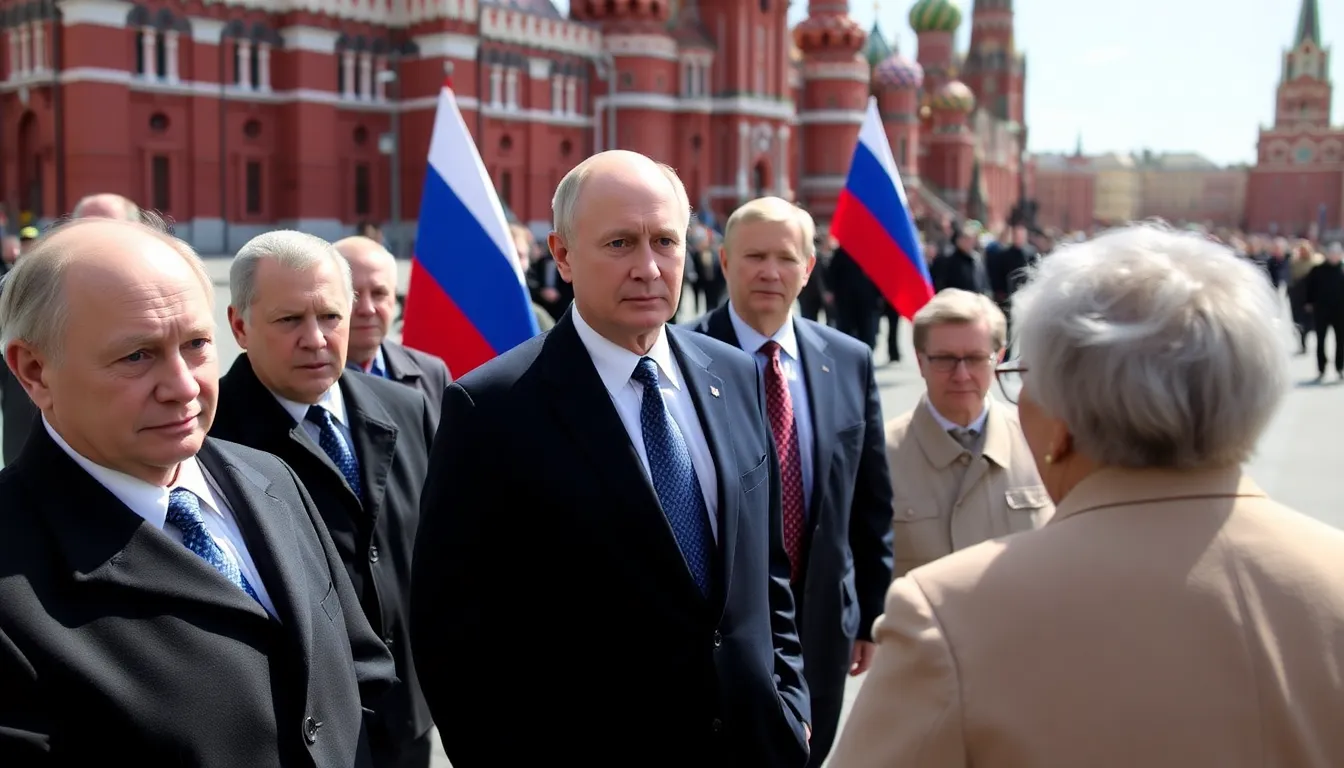
One of the key milestones in this evolving relationship was NATO’s eastward expansion in the late 1990s and early 2000s, which Russia perceived as a direct threat to its sphere of influence. This expansion was viewed in Moscow as a betrayal of assurances given during the dissolution of the Soviet Union, leading to increased tensions. The 2008 war in Georgia further strained relations, as Russia intervened militarily to support separatist regions, which the West condemned as aggression.
In recent years, the annexation of Crimea in 2014 marked a significant turning point, leading to widespread sanctions against Russia and a deterioration of diplomatic ties. The United States and its allies accused Russia of violating international law, while Moscow argued that it was protecting the rights of ethnic Russians in Crimea. This event not only solidified a rift between the two countries but also set the stage for a new security dynamic in Europe and beyond, which parallels other international conflicts. You can read more about similar disputes here.
Economic and Political Factors
The economic sanctions imposed on Russia have had profound implications for its economy, leading to a push for greater self-reliance and closer ties with non-Western nations, particularly China. Politically, Russia has sought to assert its influence in global affairs, often aligning itself with countries that share its skepticism of Western policies. This has resulted in a geopolitical landscape where both the US and Russia are recalibrating their strategies in response to each other’s actions, further complicating their relationship.
Key stakeholders and their interests in the new strategy
The recent announcement of the new US security strategy has drawn attention from various stakeholders, including government officials, military leaders, and international organizations. Each of these actors has distinct interests that shape their responses to the evolving geopolitical landscape.
At the forefront are the United States and Russia, both of whom are re-evaluating their security postures in light of shifting global dynamics. The US aims to strengthen its deterrence capabilities and reaffirm its commitment to NATO allies, while Russia perceives the new strategy as aligning with its own vision for a multipolar world, where it seeks greater influence and recognition on the global stage. This strategic shift raises important questions about future alliances, similar to those explored in the context of global entertainment industries here.
Additionally, European nations play a critical role in this scenario. Their interests often lie in balancing security concerns with economic ties to Russia. The potential for increased military spending and the implications for trade relationships are key considerations for these countries as they navigate their positions amidst heightened tensions.
- US Government: Focused on maintaining global dominance and ensuring the security of its allies.
- Russian Government: Aims to assert its influence and challenge US hegemony in international affairs.
- NATO Allies: Concerned about regional stability and the potential for conflict, balancing defense needs with economic considerations.
- International Organizations: Interested in fostering dialogue and preventing escalation of military tensions.
- Global Economies: Monitoring the potential economic fallout from increased military expenditures and sanctions.
Legal issues also arise as nations grapple with arms control treaties and international law in the context of this new strategy. The potential for arms races and violations of existing agreements could further complicate diplomatic relations, creating a precarious balance of power.
Potential impacts on global security and diplomacy
The recent alignment of the US security strategy with Russia’s vision has far-reaching implications for various groups and industries. Governments, military organizations, and international businesses are likely to feel the effects of this shift, which could alter the landscape of global diplomacy and security.
In the short term, countries that have traditionally relied on US security guarantees may experience uncertainty. This includes NATO allies in Eastern Europe, who may question the commitment of the US to their defense. The potential for increased military spending in these regions could strain national budgets and divert resources from social programs.
Industries such as defense and cybersecurity may see a surge in demand as nations bolster their military capabilities in response to perceived threats. Conversely, sectors reliant on international trade, such as technology and manufacturing, may face disruptions as geopolitical tensions escalate. The following points highlight key impacts:
- Increased military expenditure among Eastern European nations.
- Potential disruptions to global supply chains.
- Heightened cybersecurity risks for businesses.
- Opportunities for defense contractors and cybersecurity firms.
In the mid-term, the realignment may lead to a reevaluation of alliances and partnerships. Countries may seek to strengthen ties with non-Western powers, creating a multipolar world where influence is more evenly distributed. This could foster new economic opportunities in emerging markets, but also risks escalating conflicts in regions where interests clash.
Ultimately, while the new US security strategy presents challenges, it also opens doors for innovation in defense technology and international cooperation. Stakeholders must navigate these complexities to harness potential benefits while mitigating risks associated with a shifting geopolitical landscape.
A: The new US security strategy outlines priorities for national defense, focusing on countering threats from nations like Russia and China. It emphasizes strengthening alliances and enhancing military readiness. A: Russia views the US security strategy as aligning with its own vision, suggesting that it reflects shared concerns about global security. This perception may influence Russia’s future diplomatic and military actions. A: The new strategy may prompt NATO to reassess its defense posture in response to perceived threats from Russia. This could lead to increased military presence in Eastern Europe and heightened tensions. A: The US security strategy’s focus on countering threats from Russia could also impact its approach to China, potentially leading to a more confrontational stance in the Asia-Pacific region. A: The alignment of US and Russian security visions could lead to miscalculations and increased military tensions. It raises concerns about an arms race and the stability of international relations.
Frequently asked questions about the US security strategy
Outlook on US-Russia relations and future implications
The recent statements from Moscow regarding the alignment of the new US security strategy with its own vision suggest a significant shift in the geopolitical landscape. This perception could lead to a recalibration of diplomatic engagements between the two nations, as both sides may seek to navigate their interests within this new framework. The implications of this alignment could resonate across various global issues, including arms control, regional conflicts, and international alliances.
As both countries reassess their strategies, it is crucial to monitor how this alignment influences their respective foreign policies and interactions with third-party nations. The potential for collaboration or increased tension will depend on the willingness of both sides to find common ground amid their historical rivalries.
- Watch for potential changes in arms control negotiations, as both nations may find common interests in reducing nuclear arsenals.
- Observe how regional conflicts, particularly in Eastern Europe and the Middle East, may be affected by this new strategic alignment.
- Monitor the reaction of NATO and other alliances, as shifts in US-Russia dynamics could lead to changes in defense postures and strategies.
- Consider the impact on global economic relations, particularly in energy markets, as both nations reassess their positions.
- Keep an eye on public sentiment within both countries, as domestic perceptions of this alignment could influence future diplomatic efforts.