


Currently, Pochettino is at the helm of Chelsea, having taken over in the summer of 2023. His appointment comes at a time when the club is undergoing significant changes following a tumultuous previous season, which saw them finish 12th in the league. The pressure is on Pochettino to revitalize the squad and restore Chelsea’s status as a title contender, a feat he achieved during his tenure at Tottenham.
The Premier League’s competitive landscape makes the challenge formidable, with clubs like Manchester City and Liverpool setting high standards. Pochettino’s previous success in the league with Tottenham, where he developed a reputation for nurturing young talent, positions him as a capable candidate to lead Chelsea back to glory.
With the January transfer window approaching, Pochettino is expected to advocate for strategic signings that align with his vision for the team. His commitment to winning the Premier League reflects not only personal ambition but also a broader goal of elevating Chelsea back to the upper echelons of English football.
Background on Pochettino’s previous Premier League experience
Mauricio Pochettino first made his mark in the Premier League when he took over as manager of Southampton in January 2013. His tenure at the club was characterized by an emphasis on youth development and attacking football, which quickly garnered attention. Under his management, Southampton finished eighth in the league, their highest position in 27 years, showcasing Pochettino’s ability to compete at a high level, similar to what he later achieved with Tottenham Hotspur.
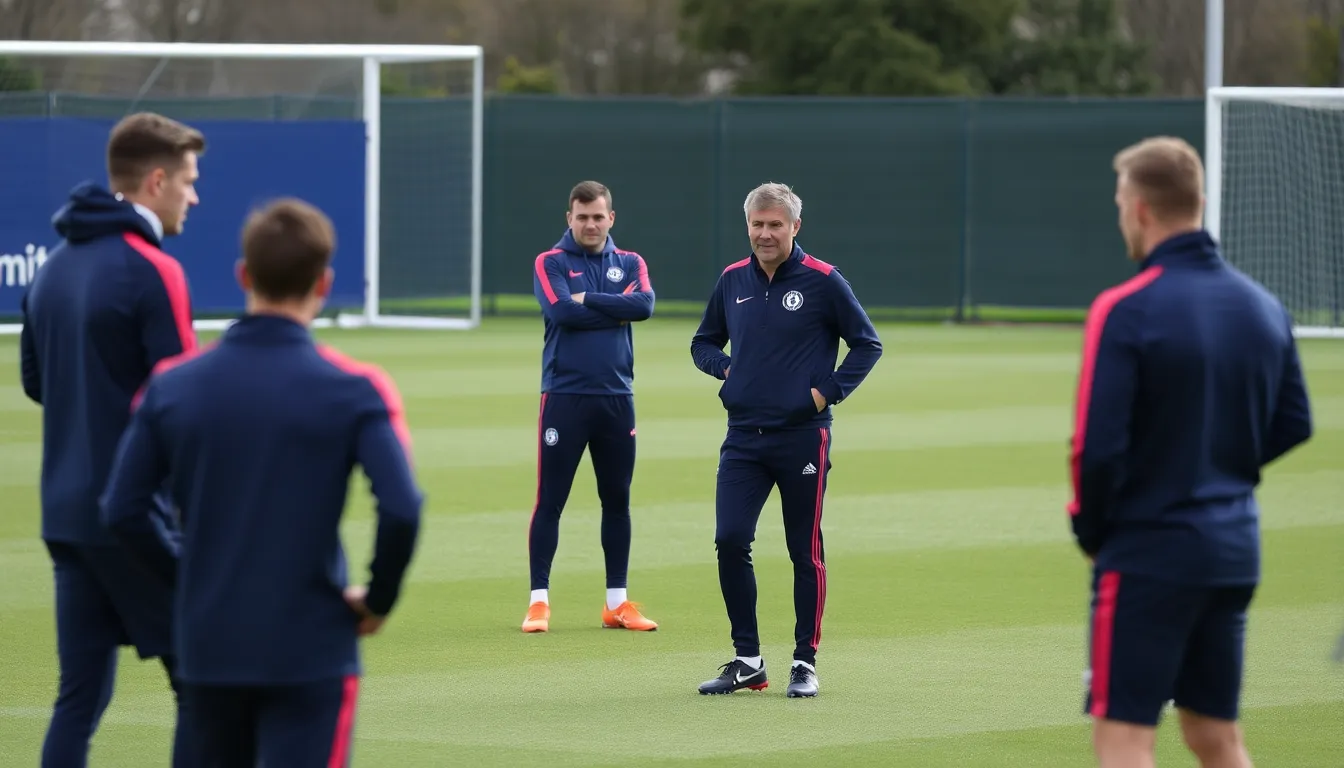
In 2014, Pochettino moved to Tottenham Hotspur, where he would further solidify his reputation as one of the Premier League’s top managers. During his time at Spurs, he led the team to a series of notable achievements, including a second-place finish in the 2016-2017 season, their highest finish in the league since 1961. Pochettino’s tenure was marked by a strong team ethos, an attractive style of play, and a commitment to developing young talent, which resonated with fans and players alike.
Despite these successes, Pochettino’s time at Tottenham came to an end in November 2019 after a disappointing start to the season. His departure marked a significant moment in Premier League history, as he left behind a legacy of transformative football and a team that reached the UEFA Champions League final in 2019, a feat that highlighted the potential of his managerial prowess.
The Economic Landscape of the Premier League
The Premier League’s financial landscape has evolved dramatically over the years, driven by lucrative broadcasting deals and commercial partnerships. This economic boom has increased competition, allowing clubs to invest heavily in talent and infrastructure. Pochettino’s desire to return to this environment reflects not only his ambition to win the league but also his understanding of the resources and support that come with managing a top-tier club in this financially vibrant league, particularly in light of recent developments like the format changes in ESL Pro League.
As Pochettino expresses his intentions to return and win the Premier League, he does so against a backdrop of evolving managerial strategies and heightened expectations from fans and club owners alike. His previous experiences have equipped him with the insights necessary to navigate this competitive landscape effectively.
Key issues surrounding Pochettino’s potential return
As Mauricio Pochettino expresses his desire to return to the Premier League with aspirations of winning the title, several stakeholders come into play, each with distinct interests. The primary actors include Pochettino himself, the clubs interested in his services, players, fans, and the governing bodies of football.
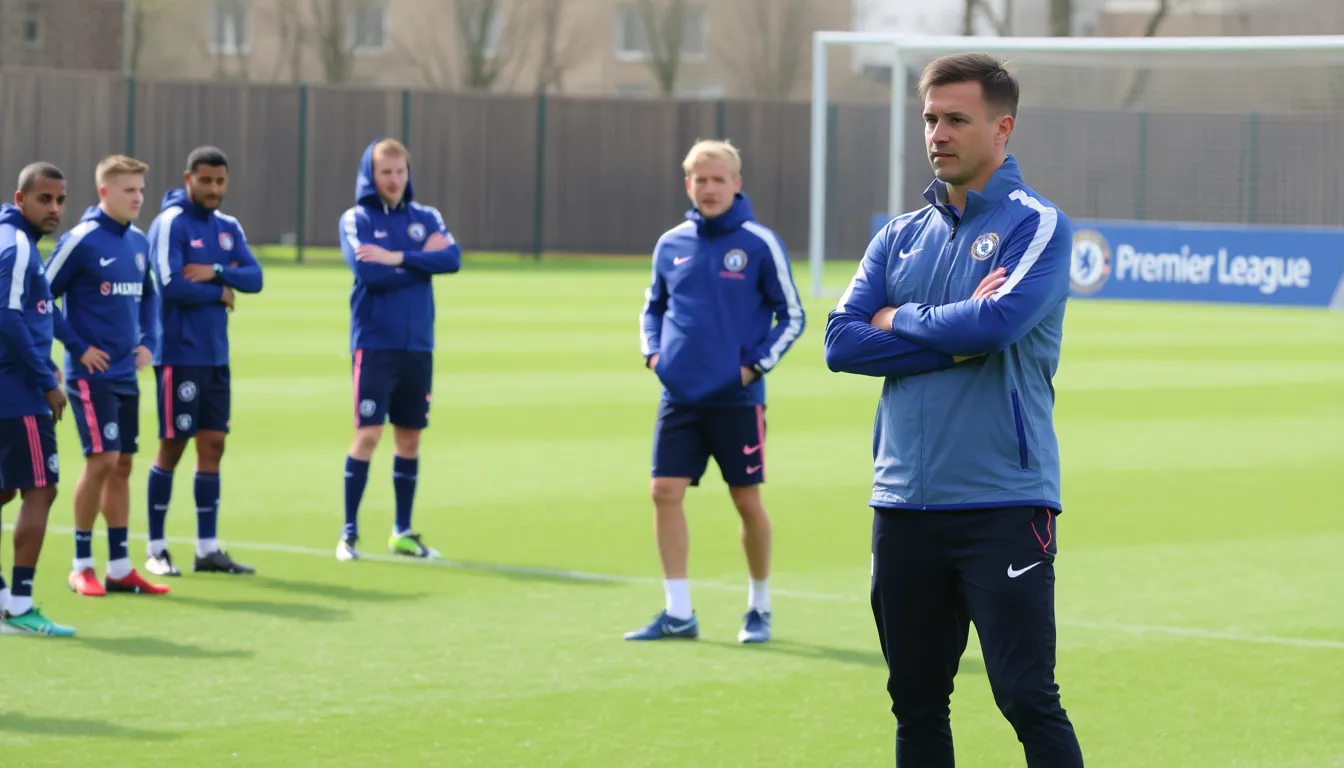
Pochettino’s ambition to reclaim a managerial position in the Premier League indicates his commitment to the league’s competitive environment. His previous success with Tottenham Hotspur has set a high standard, and he aims to replicate that achievement, possibly with a different club. However, his return could also lead to conflicts with current managers and disrupt existing team dynamics.
Clubs considering hiring Pochettino must weigh the potential benefits of his tactical acumen against the financial implications of his contract. The economic landscape of the Premier League is complex, with clubs facing pressures from sponsorship, broadcasting rights, and player wages. Investing in a high-profile manager like Pochettino might be seen as a gamble, especially for clubs struggling to maintain financial stability.
- Managerial Stability: Current managers may feel threatened by Pochettino’s return, leading to tensions within clubs.
- Player Recruitment: Pochettino’s reputation could influence player transfers, attracting talents who align with his coaching philosophy.
- Fan Expectations: Supporters may have high hopes for immediate success, potentially placing pressure on any club that hires him.
- Regulatory Compliance: Clubs must navigate financial fair play regulations when considering a managerial appointment.
- Long-Term Vision: Pochettino’s approach may require a commitment to a long-term project, which not all clubs are willing to undertake.
In summary, Pochettino’s potential return to the Premier League encapsulates a complex interplay of ambitions, economic considerations, and stakeholder interests. The outcome will depend on how these elements align within the broader context of English football.
Potential effects on clubs and players in the league
The return of Mauricio Pochettino to the Premier League is set to create ripples across various stakeholders, including clubs, players, and fans. His previous success at Tottenham Hotspur has raised expectations for his next venture, potentially reshaping the competitive landscape of the league.
In the short term, clubs that are direct competitors to Pochettino’s team may feel the pressure to enhance their performance and recruitment strategies. This could lead to an increase in transfer activity as clubs scramble to bolster their squads. The financial implications for clubs could be significant, with increased investment in player acquisitions and wages as they seek to maintain or improve their competitive edge.
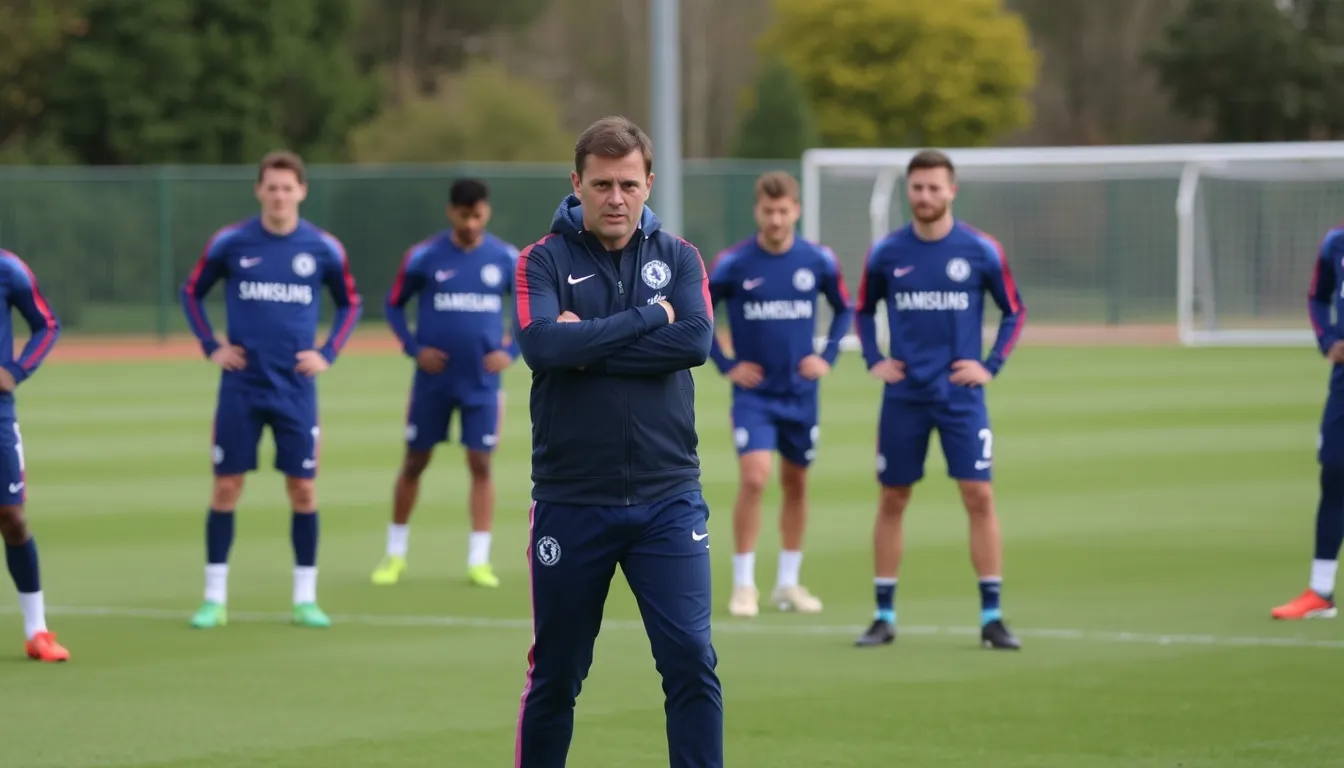
Players under Pochettino’s management could experience a shift in their roles and responsibilities, especially if he implements a tactical overhaul. This can lead to both opportunities for players to thrive in a new system and risks for those who may find themselves sidelined. Additionally, the impact on team morale and dynamics may be profound, as players adapt to Pochettino’s coaching style.
- Increased competition: Clubs may intensify their efforts to attract top talent.
- Financial investment: A surge in transfer spending could reshape club budgets.
- Player development: Opportunities for growth under a renowned coach may arise.
- Fan engagement: A charismatic figure like Pochettino can boost fan enthusiasm and attendance.
In the mid-term, the league could witness a shift in its overall competitiveness. If Pochettino successfully implements his strategies, it could elevate the performance levels across the board, prompting other clubs to reassess their approaches. This may lead to a more dynamic and unpredictable league, benefiting fans and enhancing the overall viewing experience.
However, there are risks involved. If Pochettino’s return does not yield immediate results, it could lead to unrest among fans and stakeholders. The pressure to succeed can be immense, and failure to meet expectations may result in financial and reputational consequences for both him and the club he manages.
A: Pochettino believes that the Premier League is one of the most competitive leagues in the world, and he is eager to prove himself again. He aims to win the title this time, having previously come close. A: Pochettino has managed Southampton and Tottenham Hotspur in the Premier League. His tenure at Tottenham was particularly notable for leading the team to the Champions League final. A: Pochettino may face challenges such as adapting to the evolving style of play in the Premier League and managing expectations from fans and club owners. Competition is fierce, and every match is crucial. A: His past experiences have given him valuable insights into the league’s dynamics and the importance of building a strong team culture. He is determined to leverage this knowledge to achieve success.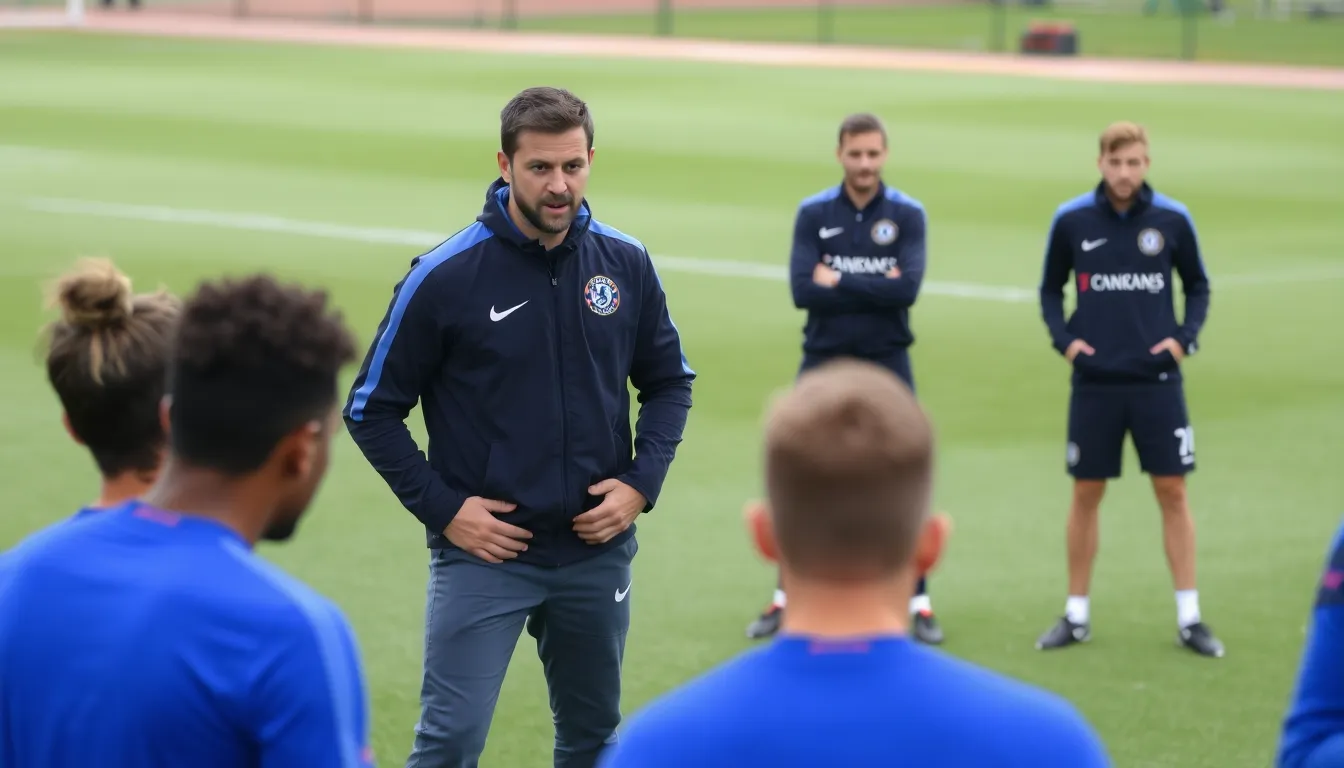
Frequently asked questions about Pochettino’s return
Outlook on Pochettino’s future in Premier League
As Mauricio Pochettino expresses his desire to return to the Premier League with the ambition of securing the title, the implications for both his career and the teams he may lead are significant. His previous tenure in the league showcased his ability to develop talent and implement a cohesive playing style, which could be pivotal for any club looking to reclaim their competitive edge. The challenge will be not only to replicate past successes but also to adapt to the evolving dynamics of the league.
Clubs seeking a managerial change will closely monitor Pochettino’s next steps, particularly given his track record at Tottenham Hotspur. His return could signal a shift in strategy for clubs aiming to compete at the highest level, emphasizing the need for strong leadership and tactical innovation in a league characterized by its intensity and unpredictability.
- Pochettino’s focus on youth development could attract clubs looking to rejuvenate their squads.
- His tactical flexibility may provide an advantage in adapting to different opponents and match situations.
- Expect increased interest from Premier League clubs, especially those underperforming or seeking a new direction.
- The potential for a high-profile return could reignite rivalries and elevate the competitive landscape of the league.
- Monitoring his integration into a new club will reveal how he balances ambition with the realities of player recruitment and squad depth.