


Lillard, who gained prominence in the 1990s through roles in films like “Scream” and “Scooby-Doo,” shared that such criticism from a prominent director can be disheartening.
The exchange has resonated with fans and industry insiders alike, drawing attention to the subjective nature of acting and film criticism. Lillard’s candid response underscores the emotional toll that public critiques can take on performers, regardless of their career achievements. The dialogue reflects broader themes of validation and the challenges of navigating public perception in Hollywood.
This incident also raises questions about the relationship between actors and directors, particularly in a landscape where opinions can significantly influence careers. As Lillard continues to engage with his craft and audience, his reaction serves as a reminder of the complexities inherent in the entertainment industry and the personal stakes involved for those who create art.
Background on the relationship between Matthew Lillard and Quentin Tarantino
Matthew Lillard and Quentin Tarantino are two prominent figures in the film industry, each with a distinct career trajectory, as seen in Lillard’s rise with roles in cult classics like “Scream” and “She’s All That.”

In a recent interview, Lillard expressed his disappointment upon learning that Tarantino did not regard him favorably as an actor. This revelation sheds light on the often subjective nature of artistic evaluation within the film industry. While Tarantino is known for his distinctive style and critical acclaim, his opinions can significantly impact an actor’s career, especially for those seeking to work with high-profile directors.
The dynamic between actors and directors can be complex, often shaped by personal experiences, professional interactions, and the competitive nature of the industry. Lillard’s candid remarks about the emotional toll of such criticism highlight a broader issue faced by many actors: the vulnerability that comes with public scrutiny and the weight of industry opinions. The notion that a director of Tarantino’s stature does not appreciate one’s work can be particularly disheartening for an actor striving for recognition and success.
The Impact of Criticism in Hollywood
Criticism in Hollywood can have far-reaching consequences, influencing not only an actor’s opportunities but also their self-perception. The competitive landscape often pits actors against one another, creating an environment where personal opinions from influential figures can reverberate through careers. Lillard’s experience serves as a reminder of the emotional challenges faced by performers in an industry that thrives on both collaboration and critique.
Exploring the implications of Tarantino’s remarks on Lillard’s career
Matthew Lillard, known for his roles in films such as “Scream” and “Scooby-Doo,” recently expressed his disappointment over Quentin Tarantino’s comments regarding his acting abilities.
One of the primary stakeholders in this situation is Matthew Lillard himself. As an actor, Lillard’s professional reputation is closely tied to the opinions of influential figures in the industry. Tarantino’s remarks could potentially affect Lillard’s opportunities for future roles, especially in projects associated with high-profile directors who may be influenced by Tarantino’s views.

On the other hand, Quentin Tarantino represents a significant voice in the film industry, and his opinions can carry substantial weight. His comments may reflect broader industry sentiments about Lillard’s performances, which could influence casting decisions and the perception of Lillard’s talent among other filmmakers and audiences.
- Impact on Career: Lillard may face challenges in securing roles that require strong endorsements from influential directors.
- Public Perception: The public’s response to Tarantino’s comments could shape how Lillard is viewed by fans and industry professionals alike.
- Industry Dynamics: The exchange highlights the often subjective nature of acting and the varying tastes of directors.
- Potential Backlash: Tarantino’s remarks could invite criticism from fans and peers who support Lillard.
- Future Collaborations: The incident may affect future collaborations between Lillard and other filmmakers who may align with Tarantino’s opinions.
This situation underscores the delicate balance actors must maintain in their relationships with directors and the potential repercussions of public criticism. As the entertainment industry continues to evolve, the implications of such remarks may resonate beyond just the individuals involved, influencing broader discussions about talent evaluation and the subjective nature of artistic expression.
How Tarantino’s opinion shapes public perception of Lillard
The recent comments made by Quentin Tarantino regarding Matthew Lillard have sparked discussions that extend beyond the realm of celebrity gossip. This incident affects multiple groups, including fans of Lillard, the film industry, and aspiring actors. The public’s perception of an actor can significantly influence their career trajectory, and Tarantino’s opinion carries weight due to his status as a renowned filmmaker.
In the short term, Lillard’s fans may feel disheartened by the negative comment from Tarantino, potentially impacting their support for his future projects. This could lead to a decreased box office performance for Lillard’s upcoming films as fans reassess their loyalty based on perceived judgment from influential figures. Additionally, Lillard’s peers in the acting community might experience a ripple effect, where they too feel the pressure of public opinion shaped by such high-profile critiques.
In the mid-term, the film industry may see shifts in casting decisions, as producers and directors might be influenced by Tarantino’s remarks. Actors who are associated with Tarantino, or who aspire to work with him, might be hesitant to collaborate with Lillard, fearing potential backlash or negative associations. This could inadvertently create a divide within the industry, impacting networking opportunities and collaborative projects.
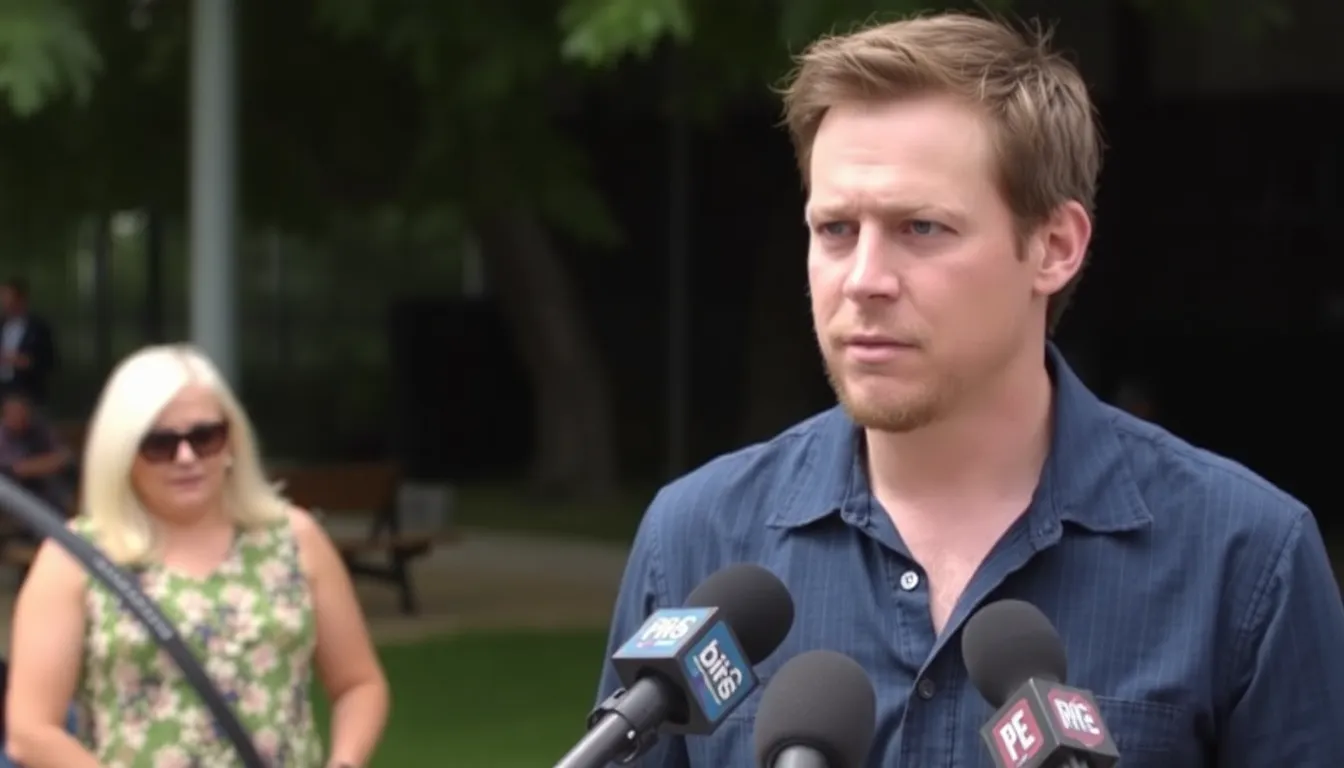
- Risks: Decreased fan support for Lillard.
- Risks: Potential casting decisions influenced by public opinion.
- Opportunities: Lillard may leverage this controversy to showcase his resilience and talent in upcoming roles.
- Opportunities: The incident could spark discussions about the subjective nature of acting and public perception, leading to more nuanced conversations in the industry.
Overall, while Tarantino’s comments may initially seem like a personal critique, they resonate throughout the entertainment landscape, influencing public sentiment, industry dynamics, and the future of those involved.
A: Matthew Lillard expressed that it ‘f—ing sucks’ to hear such negative feedback from Quentin Tarantino, emphasizing that it hurts his feelings. A: Quentin Tarantino’s comments stemmed from his personal opinion on Lillard’s acting abilities, which he openly shared during an interview. A: While Lillard has had a successful career, Tarantino’s criticism may influence how some audiences perceive his talent moving forward. A: Public reaction has been mixed, with many fans supporting Lillard and expressing disappointment in Tarantino’s comments. A: Yes, Lillard continues to work on various film and television projects, despite the criticism he has faced.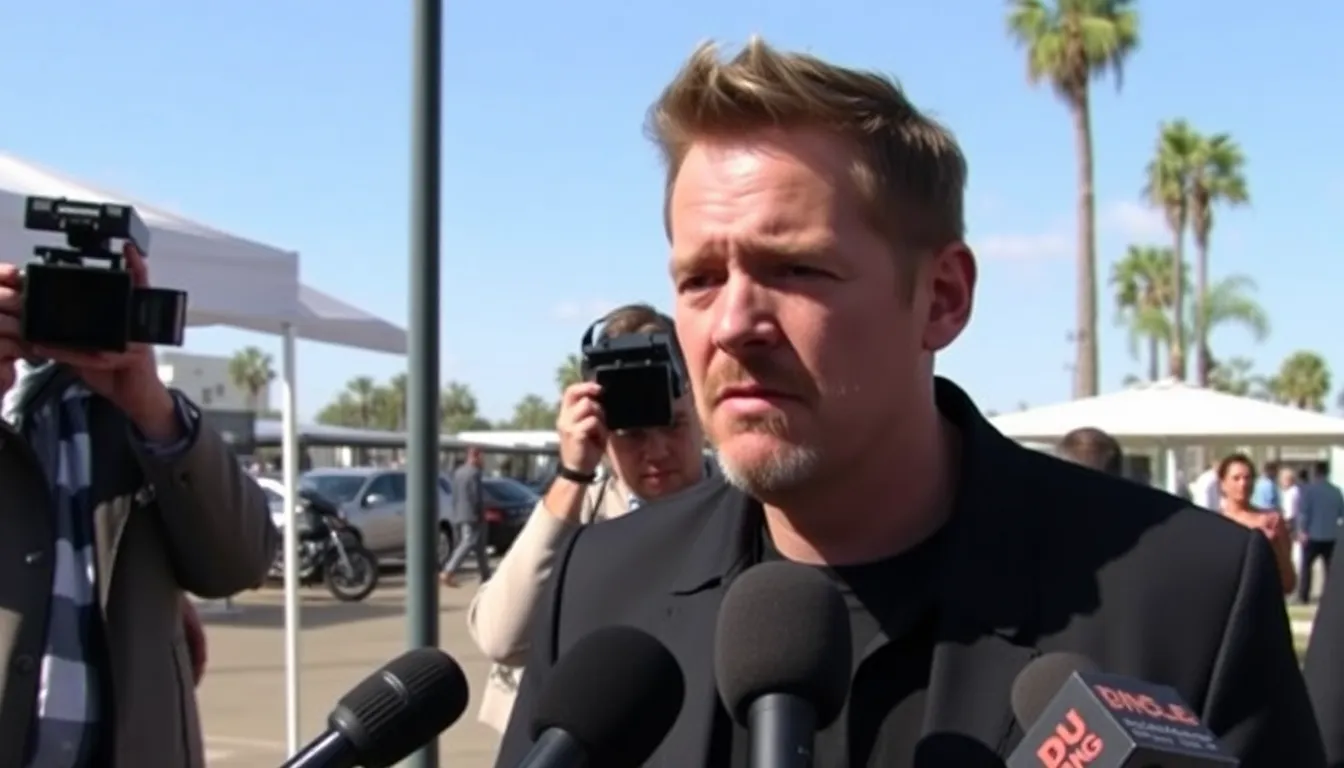
Frequently asked questions about Lillard and Tarantino
Key takeaways from Lillard’s response to Tarantino
Matthew Lillard’s candid remarks regarding Quentin Tarantino’s critical view of his acting highlight the complexities of personal feelings in the entertainment industry. As actors often seek validation from their peers, negative feedback from influential figures can have a profound emotional impact. This incident not only sheds light on Lillard’s personal experience but also reflects broader themes of artistic vulnerability and the subjective nature of performance appraisal.
Moving forward, it is essential to consider how such public criticisms can influence an actor’s career trajectory and mental well-being. The reactions from the industry and fans may also shape the discourse surrounding artistic merit and personal connections in Hollywood.
- Public criticisms can significantly affect an actor’s self-esteem and career choices.
- Industry dynamics often amplify the emotional weight of feedback from established filmmakers.
- Fans and peers may rally around actors facing public scrutiny, impacting their public image.
- Positive or negative remarks from influential figures can create ripple effects in an actor’s future projects.
- The subjective nature of acting means that personal biases can heavily influence professional assessments.