


The conflict has primarily involved Pakistani security forces and Afghan militants, with accusations from each side regarding cross-border attacks. Both governments have expressed concerns over the deteriorating security situation, which threatens to destabilize an already volatile region. For a deeper understanding of ongoing tensions, you can explore our article on Gaza food kitchens.
Local sources indicate that the fighting has been fueled by longstanding territorial disputes and the presence of various militant groups operating in the border area. The situation is further complicated by the ongoing humanitarian crisis, as civilians are caught in the crossfire, leading to mass displacements and a growing need for aid.
International observers are closely monitoring the situation, as the escalating violence poses risks not only to regional stability but also to global security interests. Diplomatic efforts are underway to de-escalate tensions, but the prospects for a peaceful resolution remain uncertain amid the ongoing hostilities.
Understanding the historical context of Pakistan-Afghanistan relations
The relationship between Pakistan and Afghanistan has been fraught with tension and conflict since the two countries gained independence in the mid-20th century. The Durand Line, a border drawn by British colonial rulers in 1893, has remained a contentious issue. It divides ethnic Pashtun populations and has been a source of nationalistic sentiment in both countries. Afghanistan has never formally recognized this border, leading to persistent disputes and mistrust. To gain more insight on international implications, read about Germany’s green hydrogen industry urgency.
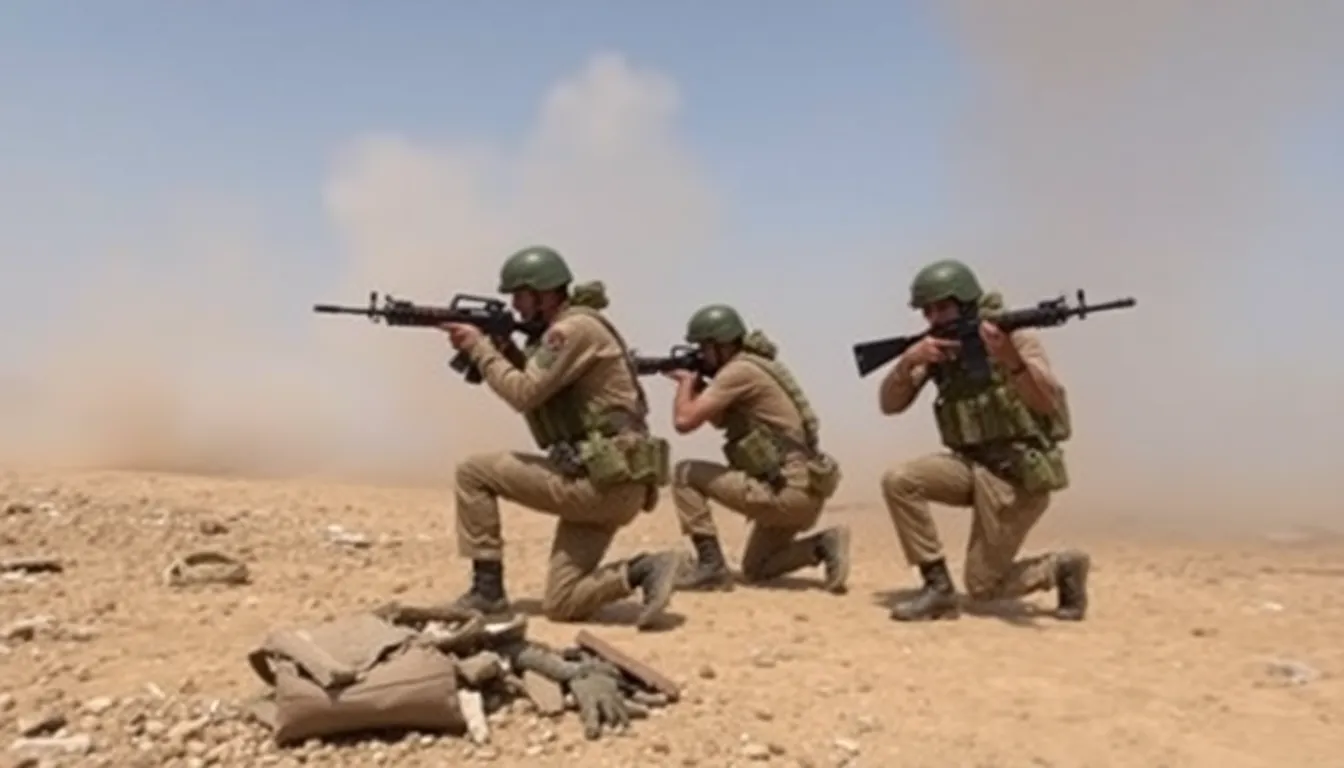
Throughout the 20th century, the geopolitical landscape of the region shifted dramatically, particularly during the Cold War. Pakistan’s alliance with the United States led to significant military and economic support, while Afghanistan’s alignment with the Soviet Union resulted in the Soviet invasion in 1979. This invasion triggered a decade-long conflict that saw Pakistan playing a crucial role by providing support to the Mujahideen fighters, which sowed the seeds for future instability.
After the Soviet withdrawal, Afghanistan descended into civil war, culminating in the rise of the Taliban in the 1990s. Pakistan was one of the few countries to recognize the Taliban regime, further complicating its relationship with Afghanistan. The events of September 11, 2001, and the subsequent U.S.-led invasion of Afghanistan marked another turning point, as Pakistan found itself in a precarious position, caught between its historical ties to the Taliban and the demands of the international community.
Recent Escalations and Ongoing Conflicts
In recent years, cross-border skirmishes and military confrontations have intensified, fueled by accusations from both sides of harboring insurgents. The Taliban’s resurgence in Afghanistan has led to increased tensions, with Pakistan expressing concerns over security threats emanating from Afghan territory. This ongoing cycle of violence is exacerbated by economic challenges and political instability in both nations, making diplomatic resolutions increasingly difficult.
Key stakeholders and their interests in the ongoing conflict
The recent outbreak of deadly border fighting between Pakistan and Afghanistan has drawn attention to a complex web of stakeholders involved in the conflict. The primary actors include the governments of Pakistan and Afghanistan, militant groups operating in the region, and international organizations that have vested interests in maintaining stability in South Asia.
The government of Pakistan is focused on securing its borders and combating militant groups that it perceives as threats to its national security. Pakistan’s military has a history of involvement in Afghanistan, and its interest lies in preventing any spillover of violence that could destabilize its territory. Additionally, Pakistan seeks to maintain its influence over the Afghan government and counter Indian involvement in Afghanistan.
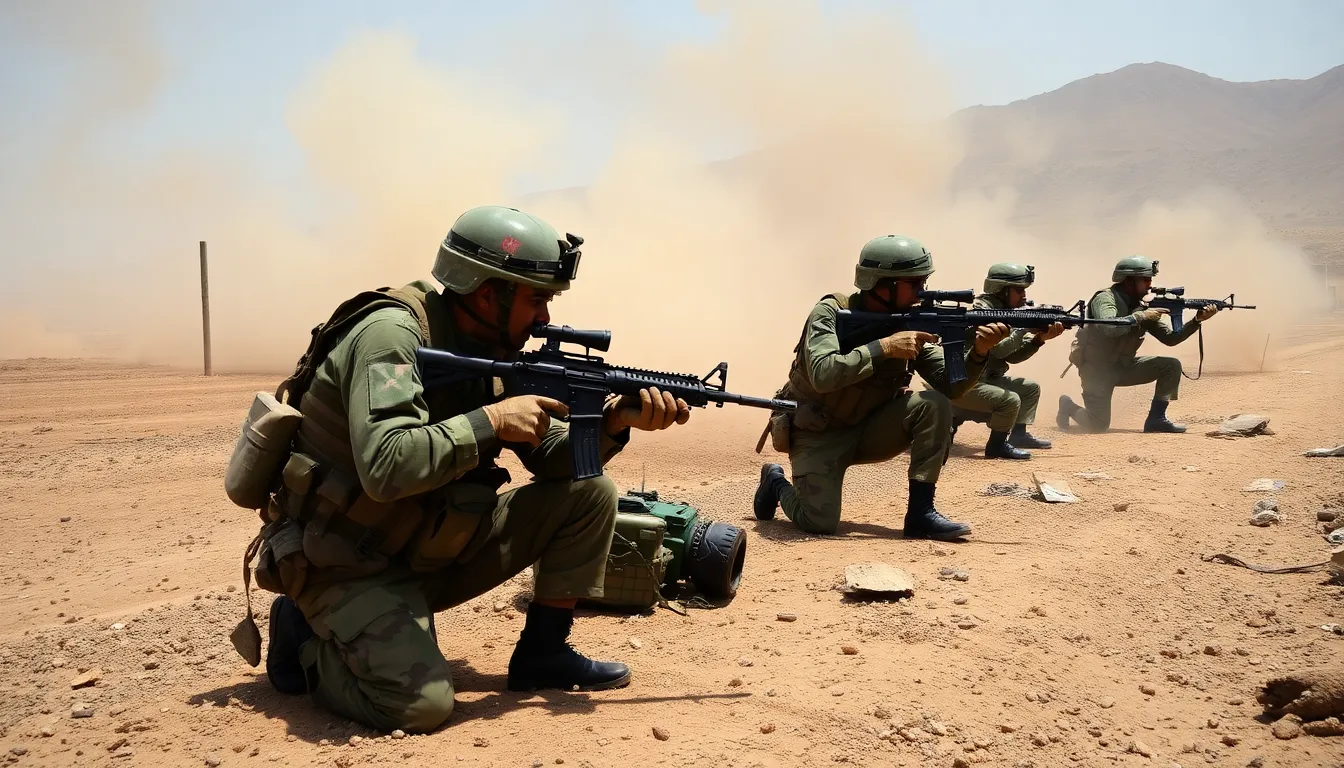
On the other hand, the Afghan government, led by President Ashraf Ghani, is concerned with asserting its sovereignty and territorial integrity. The Afghan leadership aims to combat the Taliban and other insurgent groups that threaten its authority, while also seeking international support for military and economic assistance. This situation is further complicated by the presence of various ethnic groups within Afghanistan, each with distinct interests and grievances.
- Militant Groups: Various militant organizations, including the Taliban and ISIS affiliates, exploit the chaos for territorial gains and influence.
- International Community: Countries such as the United States and China have interests in the region, often advocating for peace and stability to prevent terrorism from spreading.
- Refugee Crisis: The ongoing conflict exacerbates the humanitarian situation, leading to increased displacement and a refugee crisis affecting neighboring countries.
Legal and economic issues also play a significant role in this conflict. The border between Pakistan and Afghanistan, drawn during the British colonial period, is contested and poorly defined, leading to frequent skirmishes. Economically, both nations are affected by the instability, which disrupts trade routes and hampers development efforts. In this context, negotiations and dialogues among stakeholders are crucial for addressing underlying grievances and fostering long-term peace in the region.
The humanitarian and economic impact of the border fighting
The recent outbreak of deadly border fighting between Pakistan and Afghanistan has far-reaching implications for various groups and regions. Civilians living near the border are the most immediately affected, facing threats to their safety and livelihoods. Displacement is likely to increase as families flee conflict zones, leading to a humanitarian crisis that could strain resources in both countries. For additional context on humanitarian issues, check out our coverage of Israel’s Eurovision.
Industries that rely on cross-border trade, such as agriculture and textiles, are also suffering. The disruption of supply chains and the imposition of stricter border controls can lead to shortages and inflation in essential goods. Local businesses that depend on a stable environment to operate may face closures or significant losses in revenue.
- Short-term impacts: Increased violence leads to immediate humanitarian needs, including food, shelter, and medical care.
- Mid-term impacts: Economic instability may result in job losses and reduced investment in the region.
- Policy changes: Governments may implement stricter border security measures, affecting travel and trade.
While the situation poses significant risks, there may also be potential opportunities for humanitarian organizations to provide aid and support to affected populations. Additionally, international attention could lead to diplomatic efforts aimed at de-escalating tensions, fostering a more stable environment for trade and cooperation in the future.
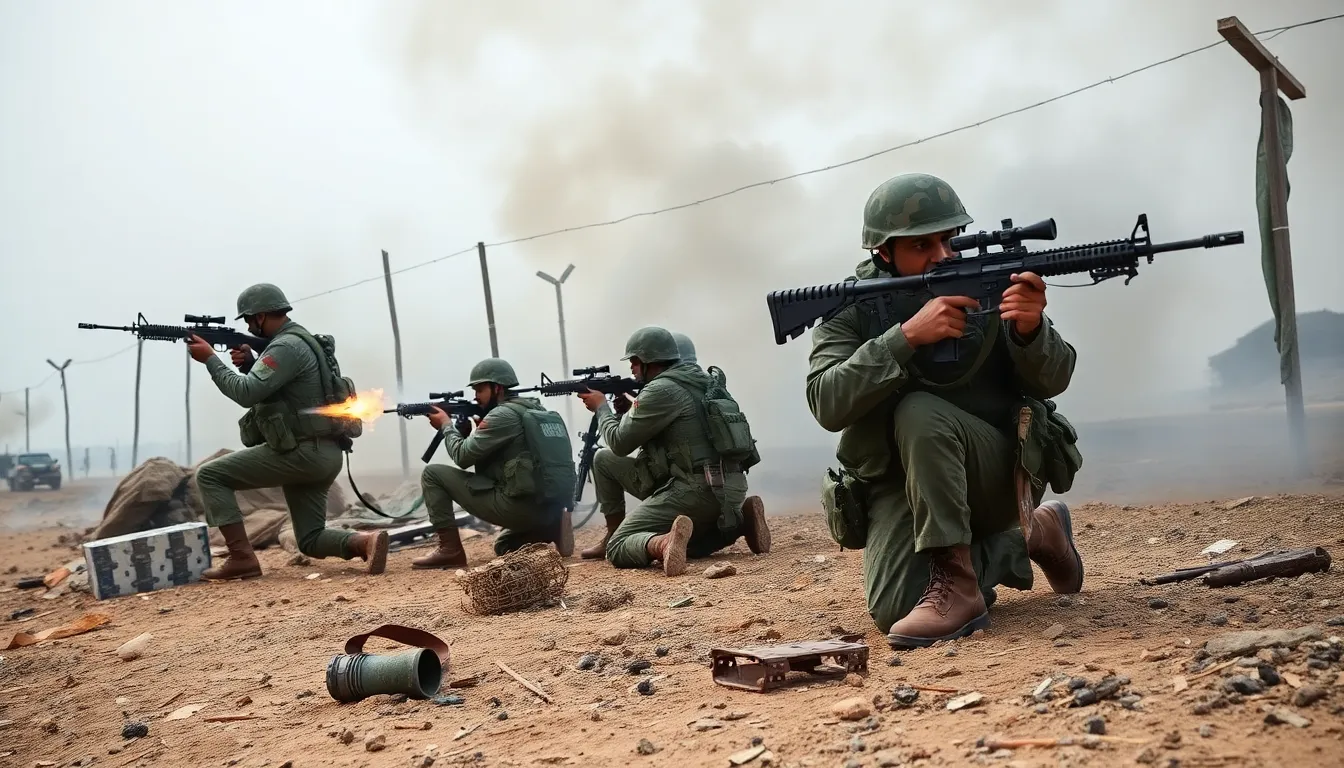
Overall, the border fighting not only threatens the immediate safety of individuals but also disrupts the broader economic landscape, highlighting the interconnectedness of regional stability and economic prosperity.
A: The recent fighting was triggered by a series of border skirmishes that escalated due to long-standing territorial disputes and military posturing from both sides. A: Reports indicate that dozens of soldiers and civilians have been killed or injured, although exact figures vary due to the chaotic nature of the conflict. A: The implications for regional security are significant, as ongoing violence could destabilize not only Pakistan and Afghanistan but also neighboring countries. A: Civilians living near the border are facing displacement, loss of livelihoods, and heightened fear, complicating humanitarian efforts in the region. A: Various diplomatic efforts are underway, including calls for dialogue from international organizations, but progress has been slow due to deep-rooted mistrust.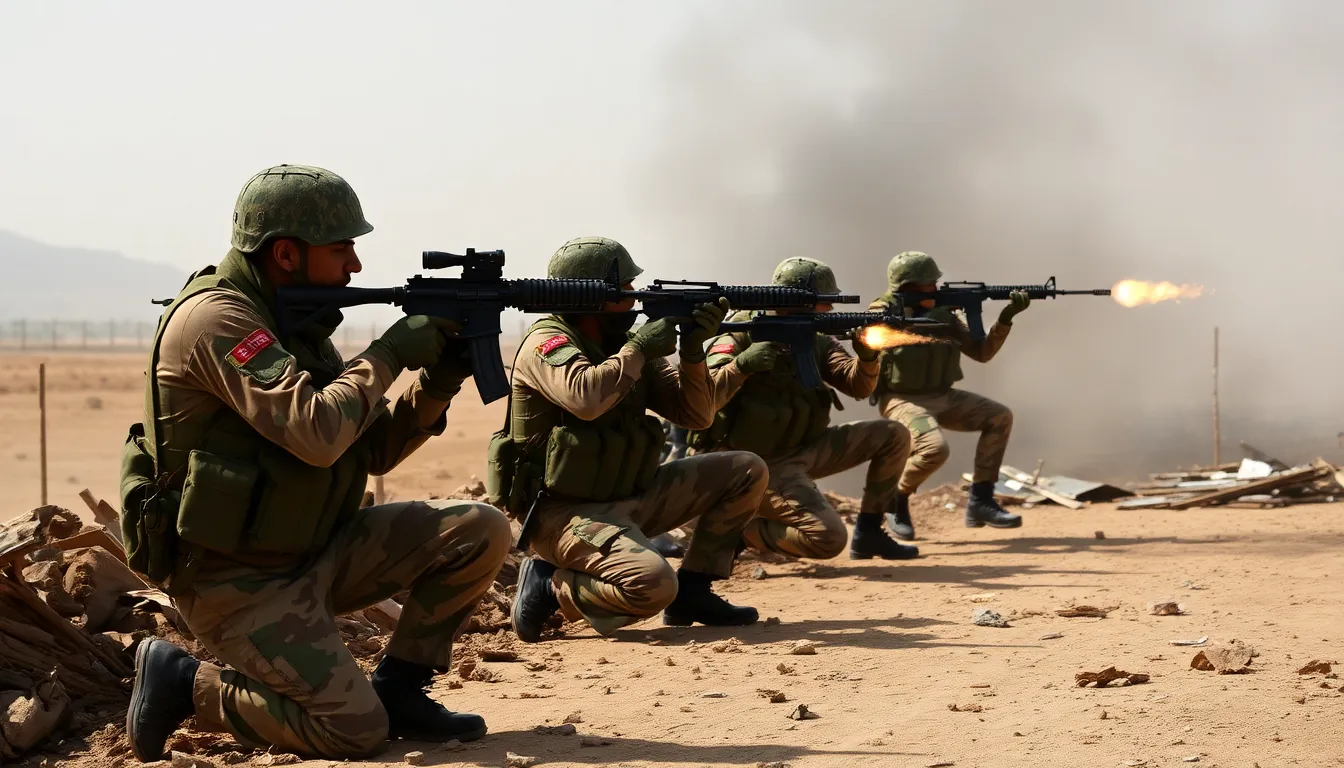
Frequently asked questions about the border conflict
Key takeaways and future outlook on the situation
The recent escalation of deadly border fighting between Pakistan and Afghanistan underscores the fragile nature of relations between the two nations. As both countries grapple with internal security challenges and external pressures, the implications of this conflict extend beyond immediate casualties, affecting regional stability and international diplomatic efforts. Observers should remain vigilant as the situation evolves, particularly regarding the responses from both governments and the potential for broader regional implications.
In the coming weeks, the focus will likely shift to diplomatic channels as both sides seek to de-escalate tensions. However, the underlying issues, such as border disputes and militant activity, remain unresolved and could lead to further confrontations. Stakeholders in the region and beyond must consider the impact of these developments on their own security strategies and diplomatic engagements.
- Increased military presence: Expect both Pakistan and Afghanistan to bolster their military operations along the border, potentially leading to further clashes.
- International mediation: Watch for calls for international mediation as both sides may seek external support to address the conflict.
- Impact on civilian populations: The ongoing violence could lead to humanitarian crises, with increased displacement and casualties among civilians.
- Regional alliances: Monitor how this conflict influences regional alliances, particularly with neighboring countries that may take sides.
- Long-term stability: The situation may prompt a reevaluation of long-term security strategies in the region, with implications for counter-terrorism efforts.