


The blaze occurred in a building undergoing renovation in the Yau Ma Tei district, where the presence of scaffolding mesh reportedly hampered firefighters’ access to the flames. Investigations revealed that the mesh, intended to protect pedestrians and workers, may have inadvertently contributed to the fire’s rapid spread, raising concerns about its safety implications, as highlighted in a recent article about the Hong Kong fire investigation.
The Hong Kong government has instructed all construction companies to comply with the removal order by the end of the month. Construction sites that fail to adhere to the new regulations may face penalties, emphasizing the administration’s commitment to prioritizing public safety in light of this devastating event.
This incident has reignited discussions about building safety standards and the effectiveness of current regulations in the city. As Hong Kong continues to grapple with urban development and safety, the implications of this decision extend beyond immediate safety concerns, potentially influencing future construction practices and policies.
Understanding the circumstances surrounding the recent blaze
The recent tragic blaze in Hong Kong that resulted in multiple fatalities has brought to light longstanding concerns regarding building safety standards and regulatory enforcement in the region. Hong Kong, known for its dense urban environment, has a history of rapid construction and development, often prioritizing speed and cost over safety measures. This incident has reignited discussions about the adequacy of safety protocols, particularly concerning the use of scaffolding and protective materials on construction sites.
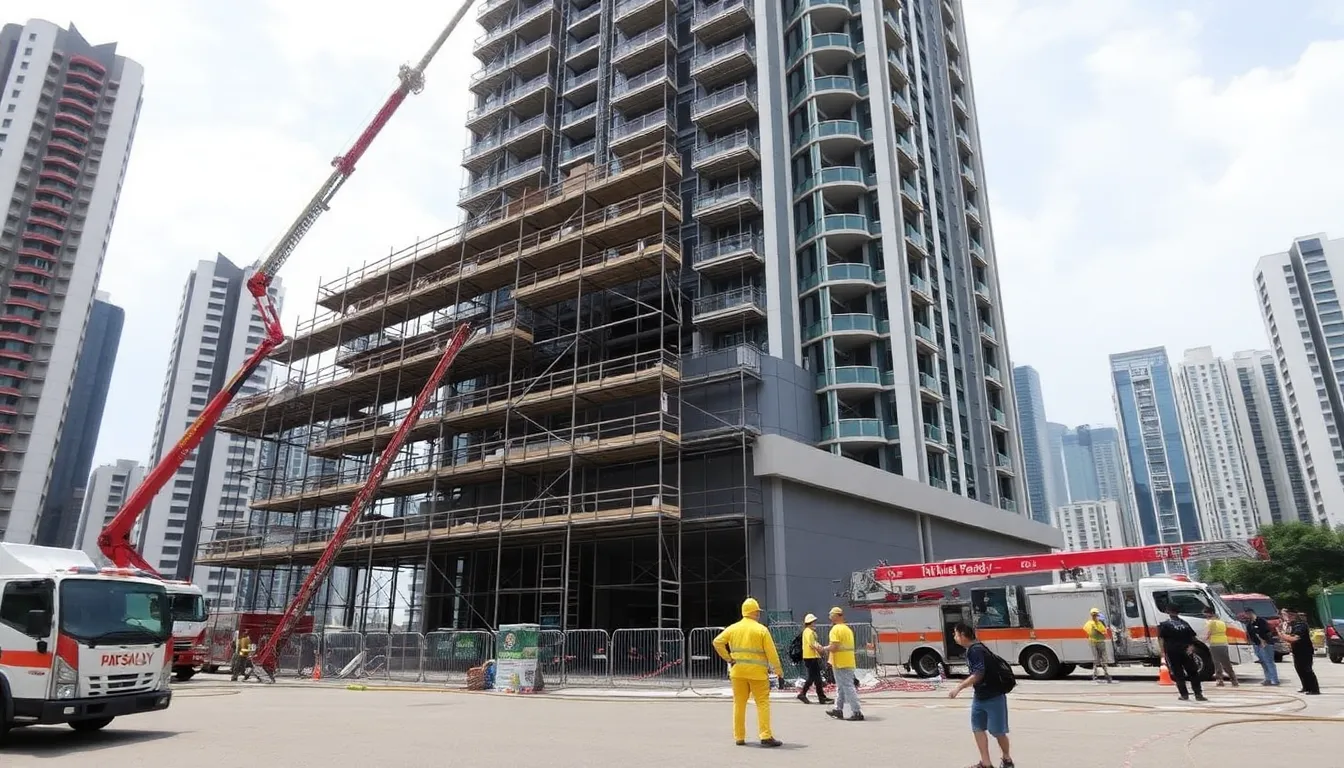
Historically, Hong Kong’s construction industry has faced scrutiny due to its high rate of accidents and incidents. In the past decade, various high-profile cases of construction-related fires and collapses have underscored the need for stricter regulations and oversight. The government’s response has often been reactive rather than proactive, leading to a cycle of reforms that are frequently criticized for their effectiveness. This recent blaze serves as a grim reminder of the potential consequences of these lapses in safety management, a point also raised in discussions about public anger and unanswered questions.
The role of scaffolding in construction safety
Scaffolding is a critical component in the construction industry, providing necessary support for workers and materials. However, the materials used, such as mesh and tarpaulin, can pose significant fire hazards if not properly managed. In light of the recent incident, the Hong Kong government has ordered the removal of scaffolding mesh across the city, a move that reflects the urgent need to reassess safety protocols. This decision highlights the tension between maintaining construction schedules and ensuring the safety of workers and the public, as discussed in various articles on the construction sector’s impact.
The economic implications of such safety measures cannot be overlooked. The construction sector is a vital part of Hong Kong’s economy, contributing significantly to employment and GDP. However, the recent blaze has prompted calls for stricter regulations that could impact project timelines and costs. Stakeholders, including developers and labor unions, are now faced with the challenge of balancing economic growth with the imperative of ensuring safety standards are met.
As Hong Kong grapples with these issues, the recent fire may serve as a catalyst for long-overdue reforms in the construction industry. The public outcry for accountability and improved safety measures is likely to shape the future of building regulations, as both the government and private sector reassess their commitment to safeguarding lives in the face of ongoing development pressures.
Key stakeholders and issues related to the scaffolding safety
The recent tragic fire incident in Hong Kong has brought to light various stakeholders involved in scaffolding safety, including government authorities, construction companies, and the local community. Each of these actors has distinct interests that influence their positions on safety regulations and building practices.
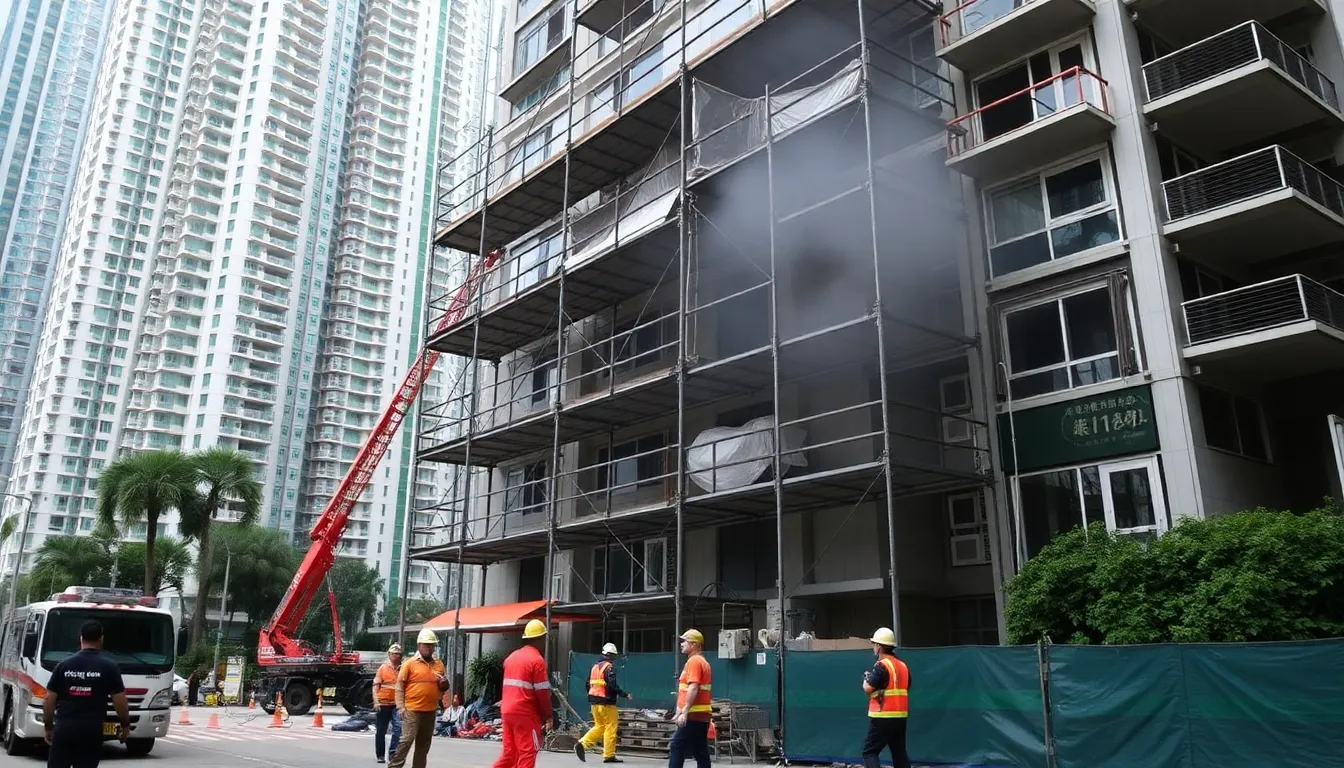
Government authorities, particularly the Hong Kong Buildings Department, are primarily focused on ensuring public safety and compliance with building regulations. Their interest lies in preventing future incidents, which may lead to stricter enforcement of safety standards for scaffolding and construction sites. This could result in increased regulatory scrutiny and potential penalties for non-compliance.
Construction companies, on the other hand, are concerned about the financial implications of heightened regulations. While they recognize the importance of safety, they may resist changes that could lead to increased costs or operational delays. The balance between maintaining profitability and ensuring safety standards is a critical issue for these stakeholders.
The local community, including residents and workers, has a vested interest in the safety of their environment. Their primary concern is to avoid future tragedies, which can lead to calls for more stringent safety measures. However, there may also be tensions between community demands and the economic viability of construction projects, highlighting potential conflicts between public safety and economic development.
- Increased regulatory scrutiny: Potential for more stringent safety regulations impacting construction timelines and costs.
- Financial implications for construction companies: Balancing safety measures with the need to maintain profitability.
- Community safety concerns: Local residents advocating for enhanced safety measures to prevent future incidents.
- Legal liabilities: Possible legal repercussions for construction companies in the event of non-compliance with safety regulations.
- Economic development vs. safety: Navigating the trade-offs between economic growth and ensuring a safe living environment.
The impact of the scaffolding removal on construction and safety regulations
The recent order for the removal of scaffolding mesh in Hong Kong has significant implications for various stakeholders, including construction workers, contractors, and local residents. The immediate effect is felt most acutely by construction firms that rely on scaffolding for safety and efficiency in their projects. With the sudden enforcement of this measure, many projects may face delays, leading to financial strain on contractors and increased costs for developers.
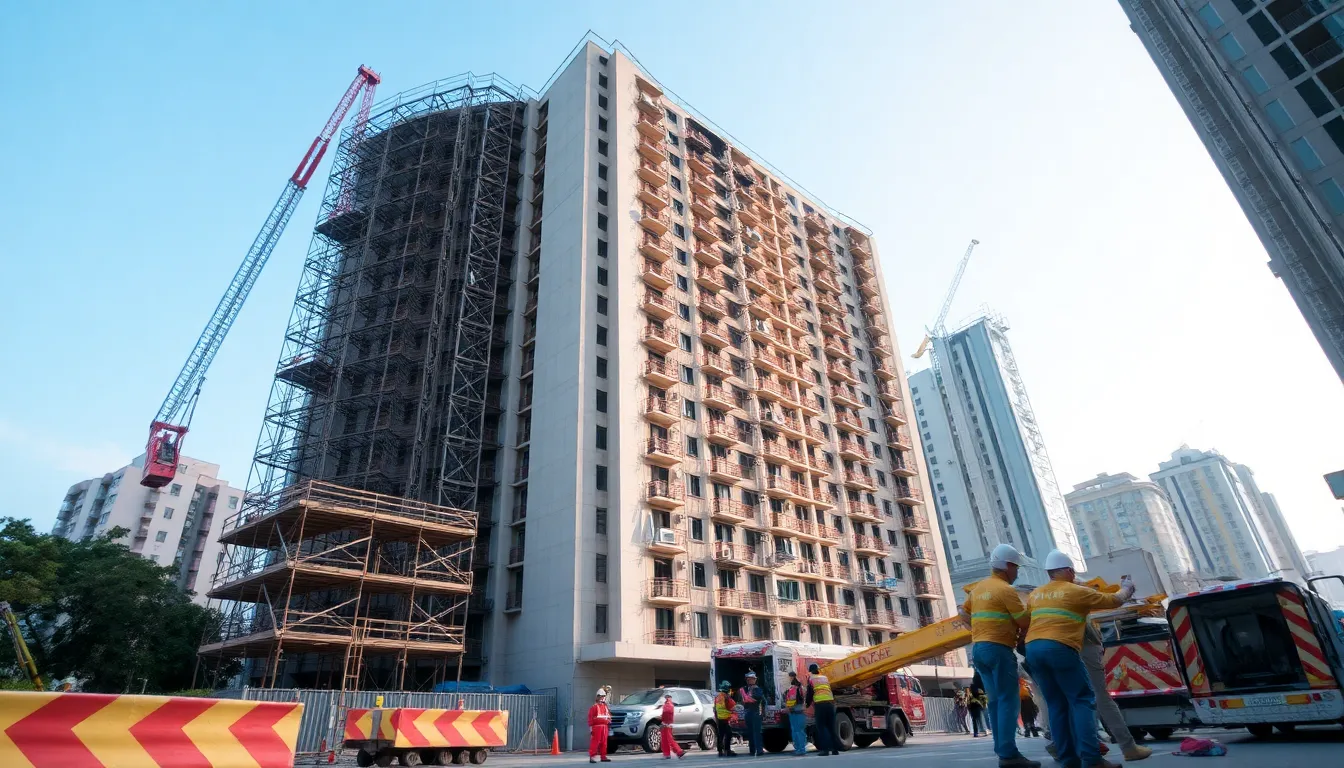
In the short term, construction sites may experience operational disruptions as companies scramble to comply with the new regulations. This could lead to a temporary slowdown in construction activities, affecting not only the workers directly involved but also suppliers and related businesses that depend on a steady flow of projects. Local residents may also face inconveniences due to extended construction timelines and potential disturbances from ongoing work.
In the mid-term, the regulatory changes may prompt a reevaluation of safety practices within the industry. Companies may need to invest in new materials or technologies to ensure compliance with safety standards, which could lead to increased operational costs. However, this shift also presents an opportunity for innovation, as businesses that adapt quickly may find themselves at the forefront of a safer and more efficient construction landscape.
- Construction Industry: Potential delays and increased costs.
- Local Residents: Inconvenience due to extended construction timelines.
- Safety Regulations: Reevaluation of safety practices and potential for innovation.
- Suppliers: Impact on demand for construction materials and services.
Furthermore, the incident that led to this regulatory change highlights the critical need for robust safety measures in construction. While risks are evident, there is a growing awareness among industry players about the importance of prioritizing safety, which could lead to a more sustainable and responsible construction environment in the long run.
A: The removal was prompted by a deadly fire incident that raised significant safety concerns regarding the use of scaffolding mesh in construction sites. A: Ongoing construction projects may face delays as contractors will need to comply with the new safety regulations and remove existing scaffolding mesh. A: Authorities are expected to enforce stricter safety measures, including regular inspections and compliance checks to ensure the safety of construction sites. A: Yes, there will likely be penalties for construction companies that fail to comply with the new regulations regarding scaffolding safety. A: The public can stay informed through official government announcements and updates from the Construction Industry Council regarding safety protocols.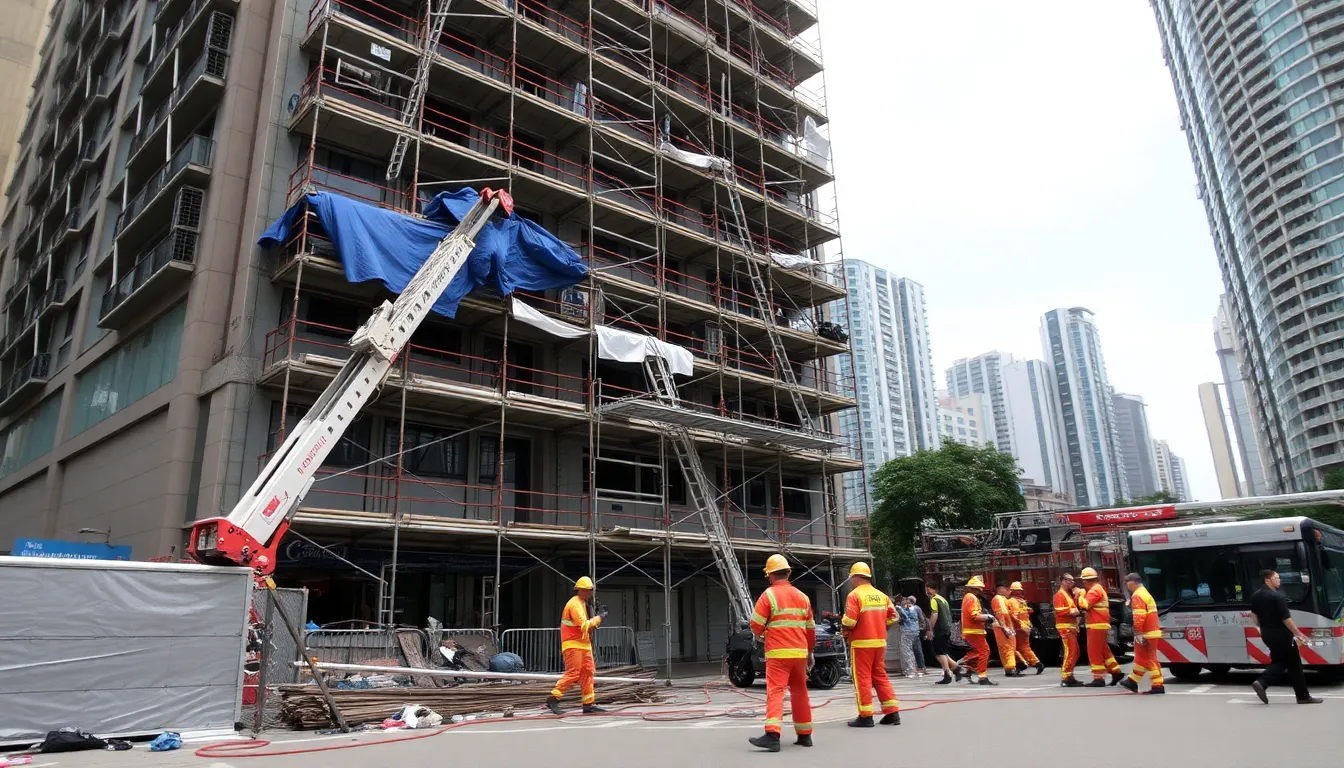
Frequently asked questions about the scaffolding removal
Key takeaways and future outlook on construction safety in Hong Kong
The recent tragic incident in Hong Kong, where a deadly blaze resulted from scaffolding mesh, underscores the urgent need for improved safety regulations in the construction sector. Authorities have responded by mandating the removal of such materials, highlighting a significant shift toward stricter oversight and accountability. This incident serves as a catalyst for broader discussions on fire safety, building materials, and overall construction practices.
Looking ahead, it will be essential for stakeholders, including government bodies, construction companies, and safety organizations, to collaborate in establishing more robust safety standards. The implications of this incident could lead to enhanced training for workers, a reevaluation of existing materials used in construction, and a push for innovative safety technologies that can prevent similar tragedies in the future.
- Enhanced Regulations: Expect tighter regulations on construction materials, particularly those related to fire safety.
- Increased Training: Construction workers may undergo more comprehensive training focused on safety protocols and emergency response.
- Material Innovation: There may be a surge in research and development of safer building materials that can withstand fire hazards.
- Public Awareness: The incident could lead to greater public awareness and advocacy for construction safety, influencing policy changes.
- Collaboration Opportunities: Increased collaboration between government, industry, and safety organizations may emerge to address construction safety challenges.