


The senator, who represents a right-wing political party, claimed that the burka symbolizes a lack of integration and a challenge to Australian values. This stunt has drawn both support and condemnation, highlighting the deeply polarized views on immigration and multiculturalism within the country. For more on the impact of immigration, check out our article on Pope’s Visit to Turkey Aims to Bridge Christian Divides.
Following the incident, parliamentary leaders condemned the act, stating that it undermines the decorum of the institution. The senator’s suspension has reignited discussions about appropriate conduct in parliament and the responsibilities of elected officials to foster respectful dialogue.
Public reactions have varied, with some praising the senator for raising awareness on cultural issues, while others criticize the act as a cheap political stunt. This situation underscores the ongoing tensions in Australian society regarding identity, religion, and the role of government in addressing these complex issues.
Understanding the background of the burka controversy
The burka controversy in Australia has its roots in the broader discussions surrounding multiculturalism, religious freedom, and national identity. Over the past two decades, Australia has seen a significant increase in its Muslim population, leading to heightened scrutiny and debate over Islamic practices, including the wearing of the burka. This garment, which covers the body and face, has often been at the center of political and social discourse, with proponents arguing for religious freedom and critics claiming it symbolizes oppression. Similar challenges can be seen in the context of the recent uproar in online communities.
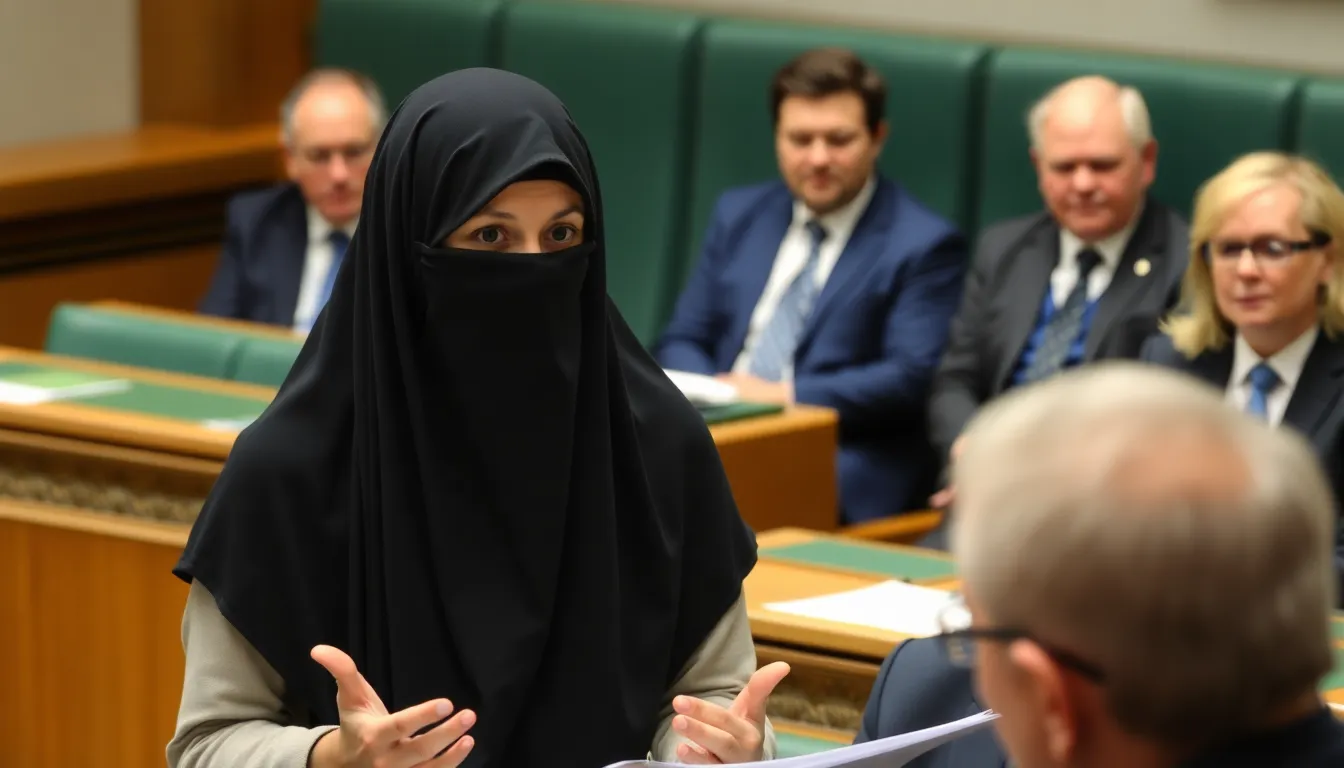
In 2017, the Australian Senate witnessed a notable incident when a senator donned a burka during a parliamentary session as a protest against the garment. This act was intended to highlight what the senator perceived as an issue of national security and cultural integration. However, it sparked outrage and condemnation from various quarters, including many within the Muslim community and civil rights organizations, who viewed the stunt as disrespectful and inflammatory.
Key Milestones in the Burka Debate
The burka debate in Australia has been marked by several key milestones. In 2011, then-Prime Minister Julia Gillard stated that the burka was “not a common sight” in Australia, reflecting a growing discomfort with the garment. In 2016, a parliamentary inquiry into the issue of immigration and social cohesion revealed deep divisions in public opinion regarding the acceptance of Islamic practices. These events set the stage for the more recent parliamentary stunt, illustrating the ongoing tensions in Australian society regarding cultural diversity and acceptance.
Economic factors also play a role in this issue, as debates about immigration and cultural integration often intersect with concerns about job competition and social services. The burka has become a symbol in these discussions, representing broader anxieties about the impact of immigration on Australian identity and values. As such, the senator’s actions were not merely an isolated incident but part of a larger narrative that continues to shape the political landscape in Australia, echoing themes of connection seen in stories like Miley Cyrus’s engagement.
Examining the stakeholders and key issues involved
The recent suspension of an Australian senator following a burka stunt in parliament has sparked a myriad of reactions and highlighted various stakeholders in this issue. Key actors include the senator in question, the Australian Parliament, various advocacy groups, and the broader public. Each of these stakeholders has distinct interests that shape their responses to the incident.
The senator, who performed the stunt, may argue that it was intended to provoke a discussion about national security and cultural identity. However, this action has drawn criticism for being disrespectful to Muslim Australians and for trivializing serious discussions about religious freedoms and multiculturalism. The Australian Parliament, as an institution, is concerned with maintaining decorum and respect within its chambers, while also navigating the complex landscape of political expression.
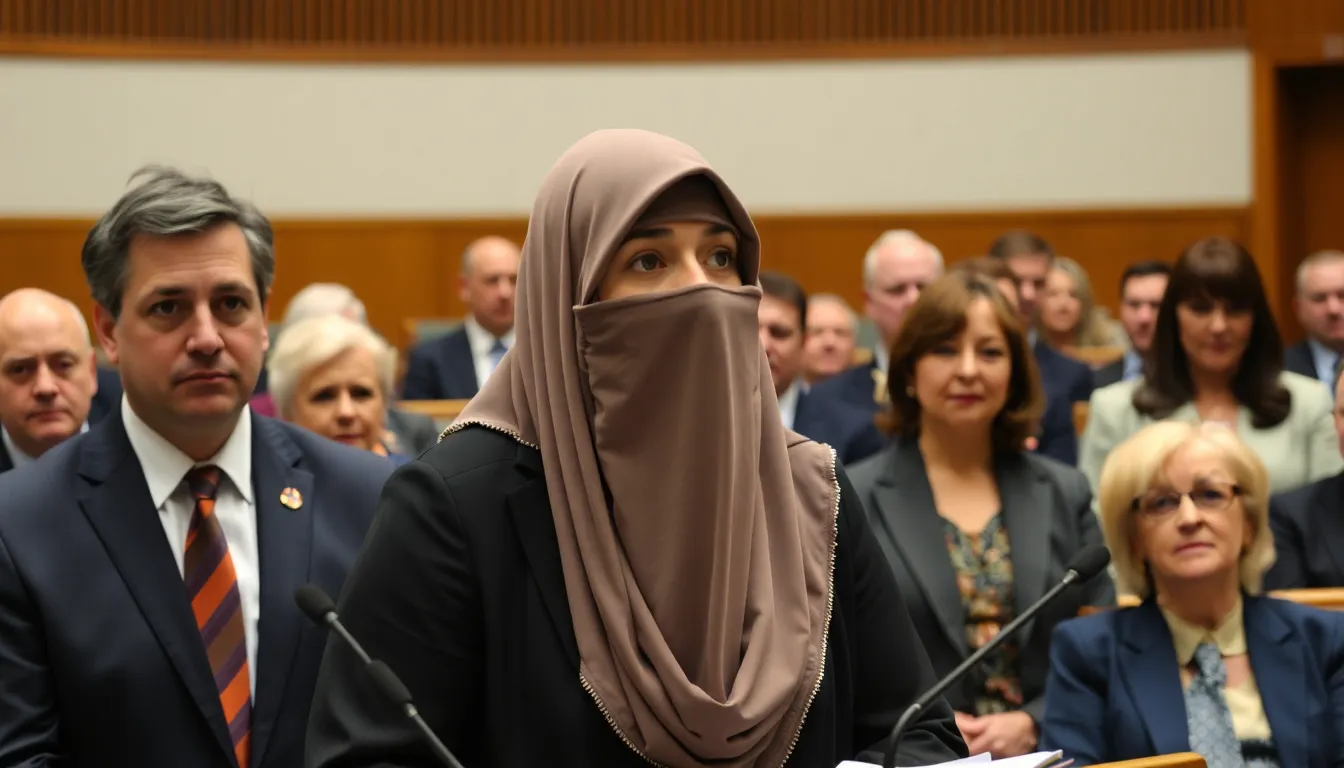
Advocacy groups, particularly those representing Muslim communities, have expressed outrage over the stunt, citing it as an example of Islamophobia and a harmful stereotype. Their interest lies in protecting the rights and dignity of individuals from diverse backgrounds, advocating for a society that embraces multiculturalism rather than division. The media also plays a crucial role in shaping public perception, with coverage of the incident influencing how the public views both the senator’s actions and the broader implications for Australian society.
- Legal Issues: The incident raises questions about freedom of speech versus hate speech, and where the line is drawn in political discourse.
- Economic Considerations: The backlash may affect the senator’s political career and potential funding for future campaigns, impacting their party’s financial resources.
- Social Impact: The stunt could exacerbate tensions between different cultural groups, affecting community relations and social cohesion.
- Political Ramifications: This event may influence upcoming elections, as political parties reassess their positions on multiculturalism and inclusivity.
Overall, the incident underscores the delicate balance between political expression and social responsibility, revealing the complexities of navigating cultural sensitivities in a diverse society like Australia.
The implications for Australian politics and society
The recent suspension of a senator for a burka stunt has reverberated across various groups and industries in Australia. Politicians, community leaders, and citizens alike are grappling with the implications of this incident, which has raised questions about cultural sensitivity, political decorum, and the role of public figures in shaping societal norms.
In the short term, the incident has sparked heated debates within political circles, potentially polarizing opinions among constituents. Groups advocating for multiculturalism and religious tolerance may feel particularly targeted, leading to increased activism and public demonstrations. Conversely, those who support the senator’s actions may rally behind him, creating a divide in public opinion that could influence future elections.
In the mid-term, businesses, especially those in the hospitality and tourism sectors, may experience shifts in consumer behavior as public sentiment evolves. Regions with significant Muslim populations might see changes in how they engage with local businesses and services. Additionally, policymakers may feel pressured to revisit legislation regarding hate speech and cultural representation, which could lead to more stringent regulations or, conversely, to a push for greater freedom of expression.
- Increased activism from multicultural organizations.
- Potential shifts in consumer behavior in affected regions.
- Reevaluation of policies on hate speech and cultural representation.
While risks abound, there are also opportunities for dialogue and education. This incident could serve as a catalyst for broader discussions about cultural diversity and inclusivity in Australia. Educational institutions might seize the moment to enhance their curricula on multiculturalism, fostering a more informed and empathetic society. In this way, the fallout from the senator’s actions could ultimately lead to a deeper understanding of Australia’s diverse population.
A: The senator wore a burka in parliament to make a statement about immigration and national security, which sparked outrage and debate. A: The suspension was due to the disruptive nature of the stunt, which was seen as undermining parliamentary decorum. A: Reactions have been mixed, with some supporting the senator’s right to free speech while others condemned the act as offensive. A: This incident highlights ongoing tensions regarding immigration, cultural identity, and freedom of expression in Australia. A: The senator may face further disciplinary actions, and the incident could impact their political career and party relationships.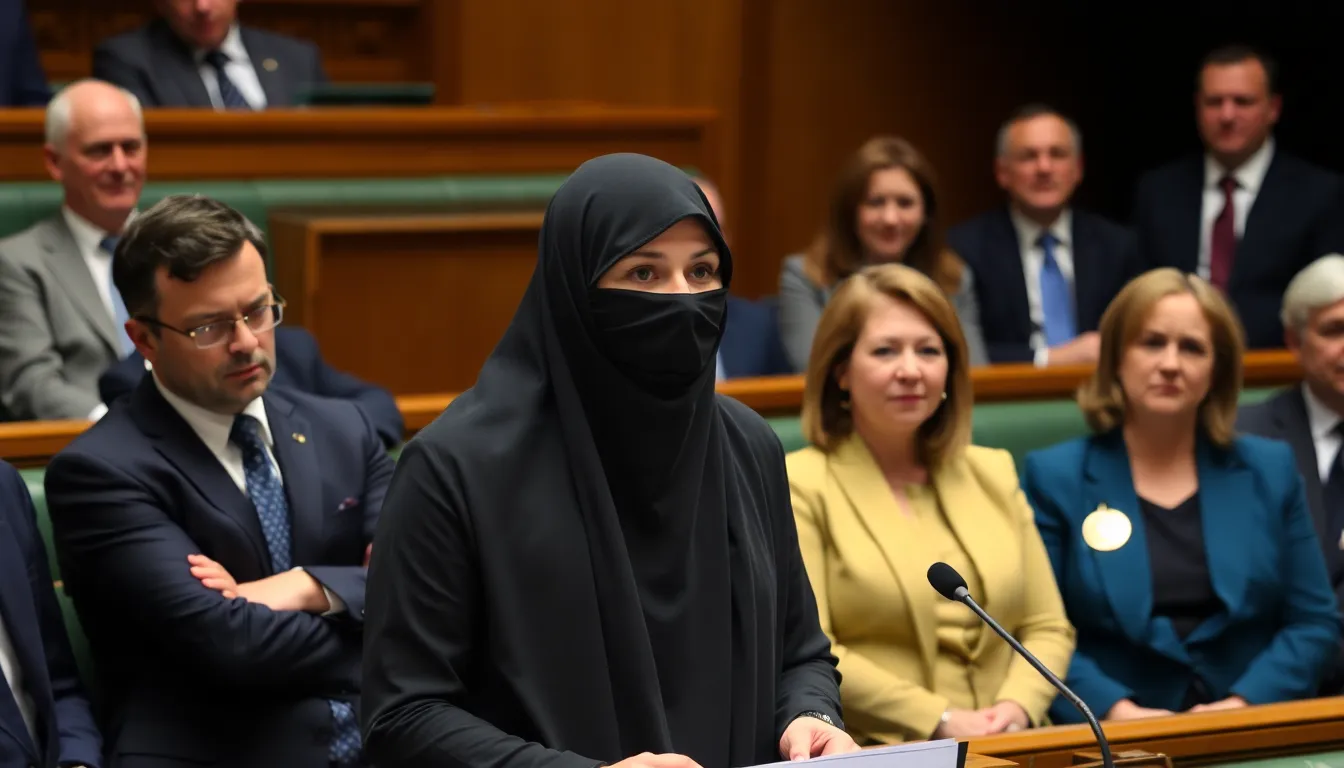
Frequently asked questions about the incident
Key takeaways and future outlook on the issue
The recent suspension of an Australian senator following a controversial burka stunt in parliament highlights the ongoing tensions surrounding cultural representation and freedom of expression in political discourse. This incident not only raises questions about the appropriateness of such actions in a legislative setting but also reflects broader societal attitudes towards multiculturalism in Australia.
As the political landscape continues to evolve, the ramifications of this event may influence future legislative behavior and public sentiment regarding cultural sensitivity. Observers should consider how this incident may impact party dynamics, voter perceptions, and the discourse surrounding immigration and cultural integration.
- Monitor how political parties respond to this incident and whether it leads to changes in internal policies regarding conduct in parliament.
- Watch for shifts in public opinion regarding multiculturalism and how this may affect upcoming elections.
- Consider the potential impact on legislation related to cultural practices and freedoms, particularly in the context of religious attire.
- Evaluate how media coverage shapes narratives around cultural representation and political accountability.