


Throughout the history of the World Cup, there have been 11 notable last-minute goals that have defined matches and shaped narratives, such as the incredible moments in sports history. From Diego Maradona’s iconic strikes to more recent examples like the late winner by Mario Götze in the 2014 final, these moments encapsulate the spirit of the tournament. Each goal carries a story, often filled with tension and elation, making them unforgettable highlights.
The significance of these last-minute goals extends beyond just the scoreline; they often serve as pivotal moments in a nation’s sporting legacy. For instance, the last-minute goal by Geoff Hurst in the 1966 final helped England secure their first World Cup title. Such moments are etched in history, celebrated in the hearts of fans and remembered for generations.
As teams prepare for the next World Cup, the anticipation of potential last-minute drama looms large. The pressure of the tournament often leads to nail-biting finishes, where every second counts. Fans eagerly await the possibility of witnessing yet another unforgettable last-minute winner that could change the course of history.

Understanding the significance of last-minute goals in football
Last-minute goals in football are often seen as the epitome of drama and excitement, encapsulating the unpredictable nature of the sport. These moments not only influence the outcome of matches but also resonate deeply with fans and players alike, creating lasting memories that define tournaments. In the context of the FIFA World Cup, last-minute winners have become a hallmark of the competition, showcasing the resilience and determination of teams striving for glory on the world stage.
The phenomenon of last-minute goals can be traced back to the early days of football, where matches were often decided by narrow margins. Historical matches, such as the 1950 World Cup final where Uruguay triumphed over Brazil in a stunning comeback, set a precedent for the dramatic nature of late-game heroics.
The socio-political implications of last-minute goals
Beyond the thrill of the game, last-minute goals often carry significant socio-political weight. They can symbolize national pride, especially in a World Cup context where nations come together to compete on an international platform. For example, the iconic last-minute goal by Diego Maradona in the 1986 World Cup quarter-finals not only secured Argentina’s place in the semifinals but also became a symbol of national identity and unity during a tumultuous period in the country’s history.
Economically, the impact of last-minute goals extends to the financial stakes involved in football. A team’s success in the World Cup can lead to increased sponsorship deals, merchandise sales, and heightened interest in domestic leagues, similar to the economic implications seen in other industries. The emotional highs and lows associated with last-minute winners can also drive fan engagement, creating a cycle that boosts the sport’s popularity and economic viability.
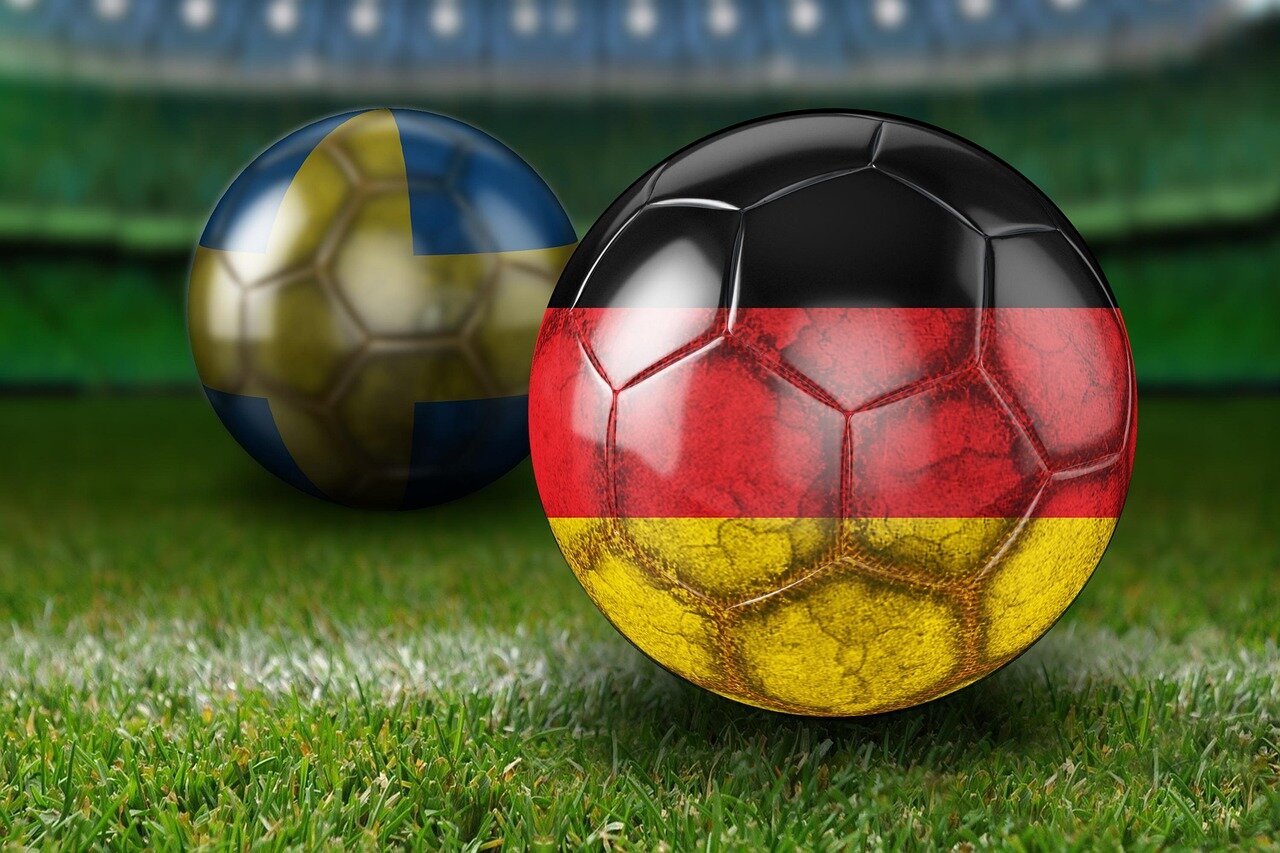
As we reflect on the 11 last-minute winners in World Cup history, it is essential to recognize how these moments encapsulate the essence of footballits unpredictability, its ability to unite, and its capacity to create legends. Each goal tells a story, not just of the match itself, but of the broader historical and cultural narratives that shape the beautiful game.
Analyzing the impact of last-minute winners on teams and fans
Last-minute winners in World Cup matches have significant implications for various stakeholders, including teams, fans, and sponsors. These dramatic moments not only influence the outcome of the games but also shape the narratives surrounding the tournament, affecting everything from team morale to fan engagement.
For teams, securing a last-minute victory can boost confidence and momentum, fostering a sense of unity and determination among players. Conversely, for teams that concede such goals, the psychological toll can be detrimental, leading to a reevaluation of strategies and team dynamics. The immediate impact on the teams is often reflected in their subsequent performances in the tournament.
Fans play a crucial role in the atmosphere surrounding World Cup matches. Last-minute winners can lead to euphoric celebrations, enhancing the communal experience of watching the games. However, for fans of the losing team, these moments can result in heartbreak and disappointment, highlighting the emotional investment that comes with supporting a national team.

Moreover, sponsors and broadcasters closely monitor these pivotal moments as they can significantly affect viewership and brand engagement. The excitement generated by last-minute goals can lead to increased ratings and advertising revenue, making these moments economically valuable.
- Team Dynamics: Last-minute victories can strengthen team cohesion, while defeats may lead to internal conflicts.
- Fan Engagement: Dramatic finishes enhance fan loyalty and increase social media interaction.
- Sponsorship Value: High-stakes moments can boost viewership, impacting sponsorship deals and advertising strategies.
- Media Narratives: Last-minute winners create compelling stories that dominate sports news coverage.
- Psychological Impact: The thrill of victory versus the agony of defeat affects players and fans alike, shaping their future interactions with the sport.
The emotional and psychological effects of last-minute victories
Last-minute winners in the World Cup evoke a wave of emotions that ripple through various groups, particularly fans, players, and the broader sporting community. The thrill of unexpected triumphs can lead to increased national pride and unity, especially in regions where football is a key cultural element. This emotional surge often translates into heightened engagement and support for local teams and leagues, fostering a deeper connection between fans and the sport.
Industries surrounding the World Cup, such as tourism, hospitality, and merchandise, experience immediate benefits from these dramatic moments. For example, cities that host matches often see a spike in visitors, leading to increased spending in hotels, restaurants, and local attractions. Additionally, businesses that capitalize on the excitement through promotions or themed products can see a significant boost in sales, particularly in the short term.

However, the intense emotional highs associated with last-minute victories can also lead to risks, such as increased stress and anxiety among fans and players alike. The pressure to perform can take a toll on athletes, potentially affecting their mental health and performance in future games. Furthermore, the intense rivalry that often accompanies such moments can escalate tensions between fans, leading to conflicts both online and offline.
- Short-term impacts: Increased tourism and local spending during the World Cup.
- Mid-term impacts: Enhanced national pride and ongoing support for football-related initiatives.
- Risks: Potential for heightened fan rivalries and mental health challenges for players.
- Opportunities: Growth in merchandise sales and promotional activities in the sporting industry.
In the mid-term, the effects of these last-minute victories can lead to policy changes, particularly in how countries approach sports funding and youth development programs. Governments may be inspired to invest more in sports infrastructure and community programs to harness the enthusiasm generated by such thrilling moments, ultimately aiming to cultivate future talent and increase participation in the sport.
A: A last-minute winner is a goal scored in the final moments of a match, typically within the last few minutes, that secures a victory for the scoring team. A: There have been 11 notable last-minute winners in World Cup matches, each contributing to the tournament’s dramatic narratives. A: Teams like Germany and Argentina have a history of scoring last-minute goals, often turning matches in their favor at crucial moments. A: Last-minute goals are memorable due to their dramatic nature, often resulting in intense emotions for players and fans alike, and can change the outcome of the tournament. A: Yes, scoring a last-minute winner can boost a team’s confidence and morale, impacting their performance in subsequent matches.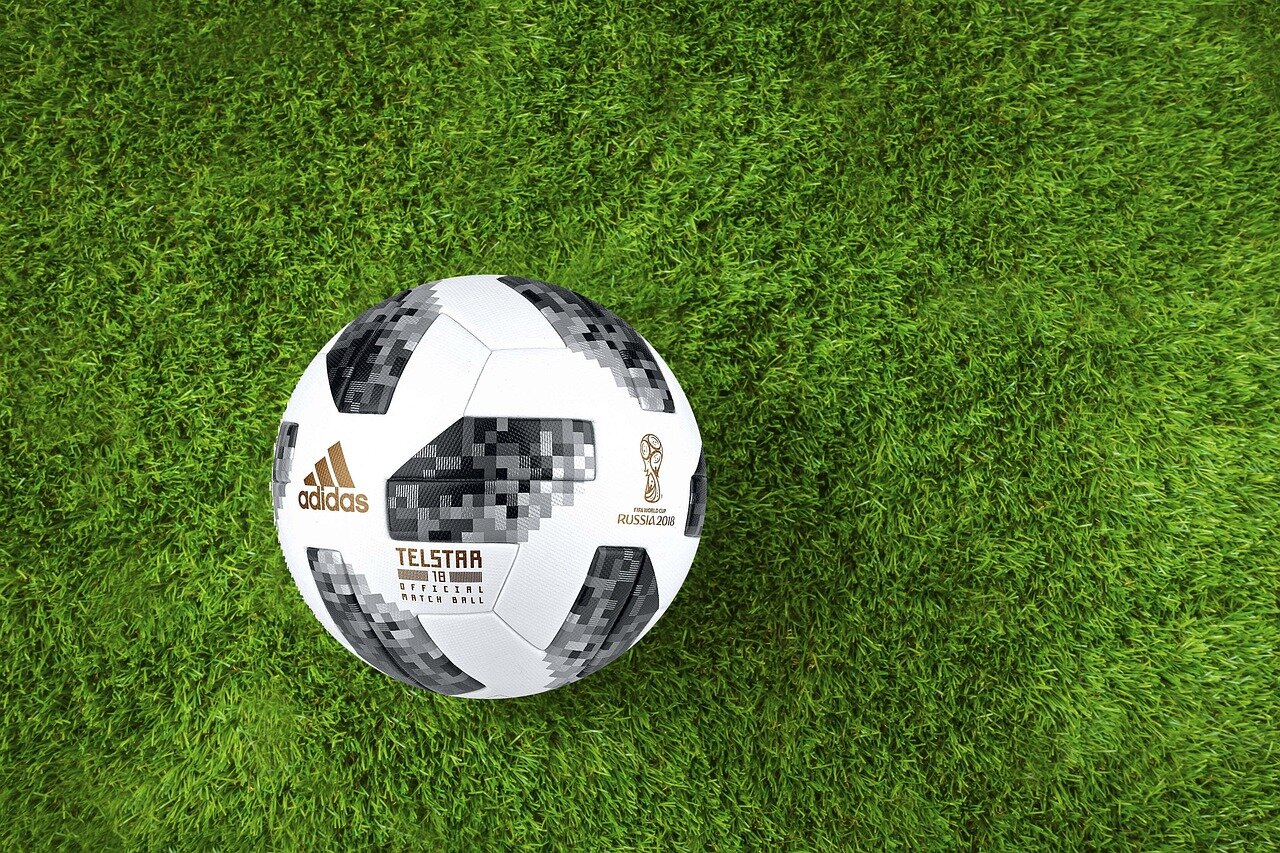
Frequently asked questions about last-minute winners
Key takeaways and future implications of last-minute goals
The phenomenon of last-minute winners in World Cup history highlights the unpredictable nature of football, where matches can pivot dramatically in the dying moments. These decisive goals not only alter the outcomes of games but also shape the narratives of teams and players, often leading to heightened emotions and memorable moments that resonate with fans long after the tournament concludes.
As we look ahead, the impact of these late-game heroics can influence strategies, player morale, and even fan engagement in future competitions. Teams may increasingly focus on maintaining composure and tactical discipline in the closing stages of matches, while fans will undoubtedly continue to cherish the thrill of last-minute drama.
- Expect teams to invest in mental resilience training to better handle high-pressure situations as matches approach their conclusion.
- Coaches may adapt their game plans to prioritize defensive stability in the final minutes, minimizing risks that could lead to last-minute goals against.
- Players known for their clutch performances could see their market value rise, as clubs seek individuals who can deliver under pressure.
- Fan engagement strategies may evolve, with an emphasis on creating memorable experiences around the excitement of potential last-minute outcomes.