


This bear reportedly entered the couple’s home through an open door and made its way to the kitchen, where it rummaged through the refrigerator, consuming food items before fleeing the scene. Such behavior is not entirely uncommon in regions where bears are known to forage for food, but the incident highlights increasing encounters between wildlife and residents, which have been discussed extensively in various articles on wildlife conservation.
Authorities have noted a rise in bear sightings and break-ins in the area, prompting them to issue warnings to local residents about securing their homes and food sources. As the search for this particular bear continues, officials are also considering broader strategies to manage wildlife populations and prevent similar incidents in the future, reflecting a trend also observed in urban areas.
Local residents have expressed both concern and curiosity about the bear’s behavior, with some calling for more education on living in harmony with wildlife. The situation underlines the delicate balance between human habitation and wildlife conservation, emphasizing the need for effective measures to ensure safety for both parties involved.
Recent increase in bear sightings raises concerns
In recent years, Japan has witnessed a troubling rise in bear sightings, particularly in rural areas where human-wildlife interactions are becoming increasingly common. This surge can be attributed to several factors, including habitat loss due to urban development, changes in agricultural practices, and a decline in natural food sources for bears. As a result, bears are venturing closer to human settlements in search of food, leading to a series of alarming incidents, including the recent case of a bear raiding a couple’s refrigerator.
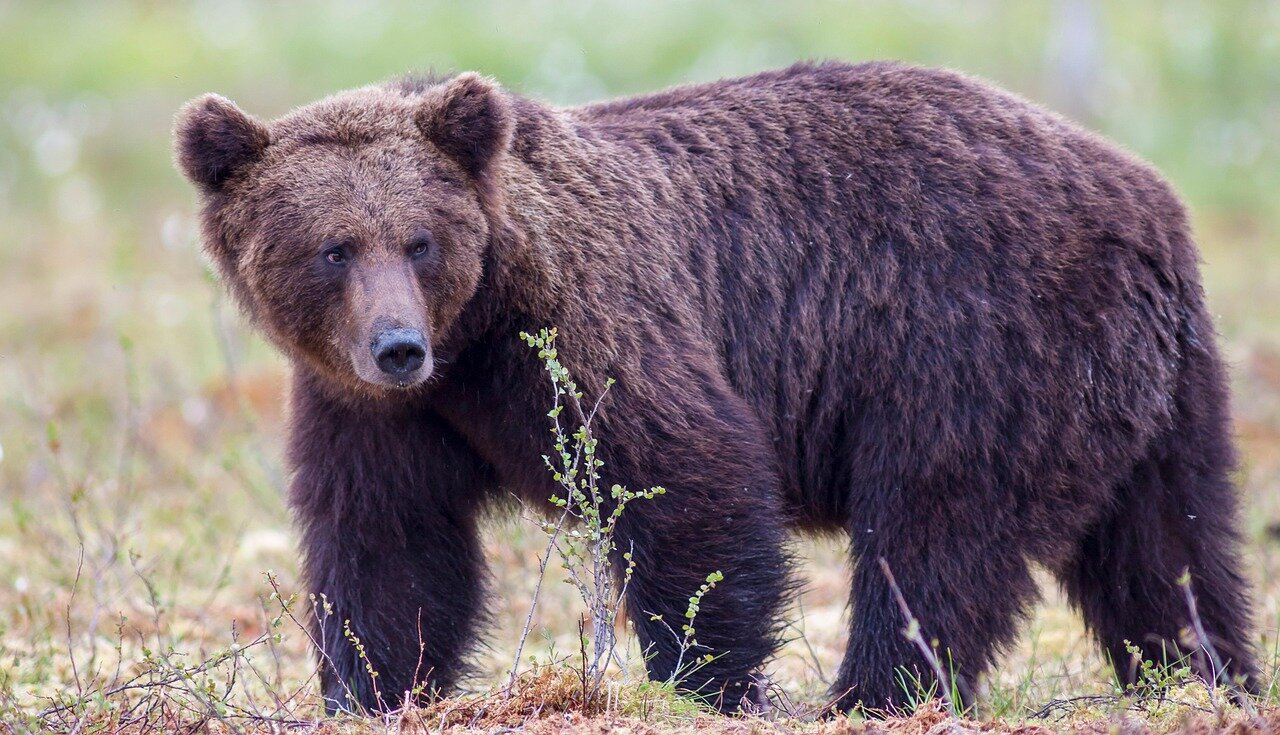
The historical context of bear populations in Japan dates back centuries, with the Japanese black bear being a native species. Traditionally, these bears were revered in local folklore and were often seen as symbols of strength. However, as Japan’s population has shifted towards urbanization, the natural habitats of these animals have been encroached upon, leading to increasing conflicts between humans and wildlife, which has parallels in other environmental discussions.
Government Response and Community Impact
In response to the growing number of bear encounters, Japanese officials have implemented various measures aimed at mitigating these conflicts. Local governments have begun to educate residents on bear safety and bear-proofing their homes and food supplies. Additionally, wildlife management teams are being deployed to monitor bear movements and capture problematic individuals. However, these efforts have been met with mixed reactions from communities who feel both threatened and sympathetic towards the bears, creating a complex social dynamic.
Moreover, the economic implications of these bear encounters cannot be overlooked. Farmers are increasingly facing challenges as their crops are targeted by bears, leading to financial losses. This has prompted discussions about wildlife conservation, agricultural policies, and the need for sustainable coexistence strategies that not only protect bear populations but also support local economies.
As Japan continues to grapple with this issue, the recent bear raid serves as a stark reminder of the delicate balance between urban development and wildlife conservation. The increasing frequency of such incidents highlights the urgent need for comprehensive solutions that address both human safety and the preservation of Japan’s natural heritage.
The implications of wildlife interactions with humans
The recent incident involving Japanese officials hunting a bear that raided a couple’s fridge highlights the complex dynamics between wildlife and human populations. Key actors in this situation include local government authorities, wildlife management organizations, and the affected residents. Each of these stakeholders has distinct interests that shape their responses to wildlife encounters.

Local government officials are primarily concerned with public safety and the protection of residents. Their interest lies in ensuring that wildlife does not pose a threat to human life or property. This often leads to the implementation of measures such as bear hunts, which can be controversial among conservationists and animal rights advocates.
Wildlife management organizations, on the other hand, focus on the preservation of bear populations and their habitats. They advocate for non-lethal methods of managing wildlife interactions, such as education on securing food sources and habitat preservation. The conflict arises when these organizations’ goals clash with the immediate safety concerns of residents, leading to trade-offs between human safety and animal welfare.
- Public Safety: Residents seek protection from wildlife threats, leading to calls for action from authorities.
- Conservation Efforts: Wildlife organizations promote strategies that prioritize the well-being of bear populations.
- Legal Framework: Regulations governing wildlife management often dictate the responses available to officials.
- Economic Considerations: The impact of wildlife on local economies, particularly in rural areas, can influence policy decisions.
- Community Engagement: Involving local residents in wildlife management discussions can help balance interests.
Furthermore, the legal implications of wildlife management practices must be considered. Regulations may limit the actions that officials can take, complicating their ability to respond effectively to human-wildlife conflicts. Economic factors also play a critical role, as rural communities may rely on tourism that could be affected by negative perceptions of wildlife encounters.
Local residents are feeling unsafe due to wildlife encounters
The recent bear raid on a couple’s fridge in Japan has heightened concerns among local residents, particularly those living in rural areas where wildlife encounters are becoming more frequent. This situation has created a sense of unease, as families worry about their safety and the potential for further break-ins by wildlife.
In addition to residents, local businesses that cater to tourists and outdoor enthusiasts may also feel the impact. With headlines about bear encounters making news, there could be a temporary decline in tourism as potential visitors reconsider their plans to explore these regions. This could lead to short-term revenue losses for businesses reliant on seasonal tourism.

Moreover, local government officials are under pressure to address wildlife management policies. The need for stronger measures to prevent wildlife from encroaching into residential areas may lead to increased funding for wildlife control programs. This could result in changes in local policies regarding bear habitats and human interactions, which might have mid-term implications for land use and conservation efforts.
- Increased safety concerns among residents, leading to potential changes in daily routines.
- Short-term revenue losses for local businesses due to decreased tourism.
- Policy shifts regarding wildlife management and land use in affected regions.
- Potential opportunities for wildlife control industries to expand services.
While the risks are apparent, there may also be opportunities for local businesses to adapt by offering guided wildlife tours or educational programs about bear safety. This could help to mitigate the negative impacts of wildlife encounters while promoting a better understanding of coexistence with nature.
A: The bear likely entered the home in search of food, as bears are attracted to human food sources, especially in urban areas. A: Authorities are using traps and monitoring bear movements to safely capture and relocate the animal. A: While bear encounters are not unheard of, the frequency of break-ins has increased recently, prompting concern among residents. A: Residents are advised to stay calm, avoid approaching the bear, and contact local wildlife authorities for assistance. A: Communities can reduce encounters by securing trash, avoiding leaving food outside, and educating residents about bear behavior.
Frequently asked questions about the bear incident
Looking ahead at wildlife management strategies
The recent incident involving a bear raiding a couple’s fridge highlights the ongoing challenges that Japan faces in managing its wildlife populations. As urban areas expand and human activities encroach on natural habitats, the likelihood of wildlife encounters increases. This situation underscores the need for effective strategies that balance human safety with wildlife conservation.
Officials are not only focused on capturing the bear responsible for the break-in but are also prompted to reassess their approach to wildlife management. The interplay between urban development and wildlife habitats necessitates a comprehensive evaluation of how to mitigate future incidents while respecting the ecological significance of these animals.
- Monitoring wildlife populations will be crucial in identifying potential threats to urban areas.
- Public awareness campaigns can educate residents on how to secure food sources and reduce attractants for wildlife.
- Collaboration between government agencies and local communities can foster more effective wildlife management practices.
- Investing in technology, such as surveillance systems, may help in tracking wildlife movements and preventing future break-ins.
- Long-term urban planning should consider wildlife corridors to facilitate safe animal movement and reduce human-wildlife conflicts.