


On October 10, 2023, the government announced a £2 million support package aimed at alleviating some of the pressures faced by struggling farmers. However, many in the industry argue that this amount is insufficient to address the scale of the crisis, with some farmers estimating losses in the hundreds of thousands of pounds.
Farmers have reported that many are considering leaving the industry altogether, which could have long-term implications for food security and rural economies.
The National Pig Association has called for a more comprehensive support strategy that includes longer-term solutions, such as improved access to markets and sustainable pricing mechanisms. As the situation continues to evolve, the future of pig farming in the UK remains uncertain, highlighting the need for immediate and effective policy responses.

The background of the current crisis in pig farming
The UK pig farming industry has faced significant challenges over the past few years, exacerbated by a combination of economic pressures, rising costs, and shifting consumer demands. Historically, the sector has been a vital part of British agriculture, contributing to both the economy and food security. However, the landscape began to change dramatically around 2020, with the onset of the COVID-19 pandemic leading to disruptions in supply chains and labor shortages.
The introduction of new regulations and tariffs has further strained the industry, leaving many farmers struggling to compete with cheaper imports, especially after Brexit.
Economic Strain and Rising Costs
In addition to the political factors, the economic environment has become increasingly challenging for pig farmers. The rising costs of feed, energy, and labor have placed immense financial pressure on producers. Many farmers have reported that their profit margins have shrunk significantly, leading to a situation where the proposed £2 million support package is viewed as insufficient to address the scale of the crisis. This financial strain has resulted in some farmers being forced to cull their herds or exit the industry altogether.
Furthermore, consumer behavior has shifted, with a growing preference for plant-based diets and concerns over animal welfare impacting demand for pork products. This change in consumer sentiment has compounded the difficulties faced by pig farmers, who are now navigating a market that is not only more competitive but also increasingly volatile.
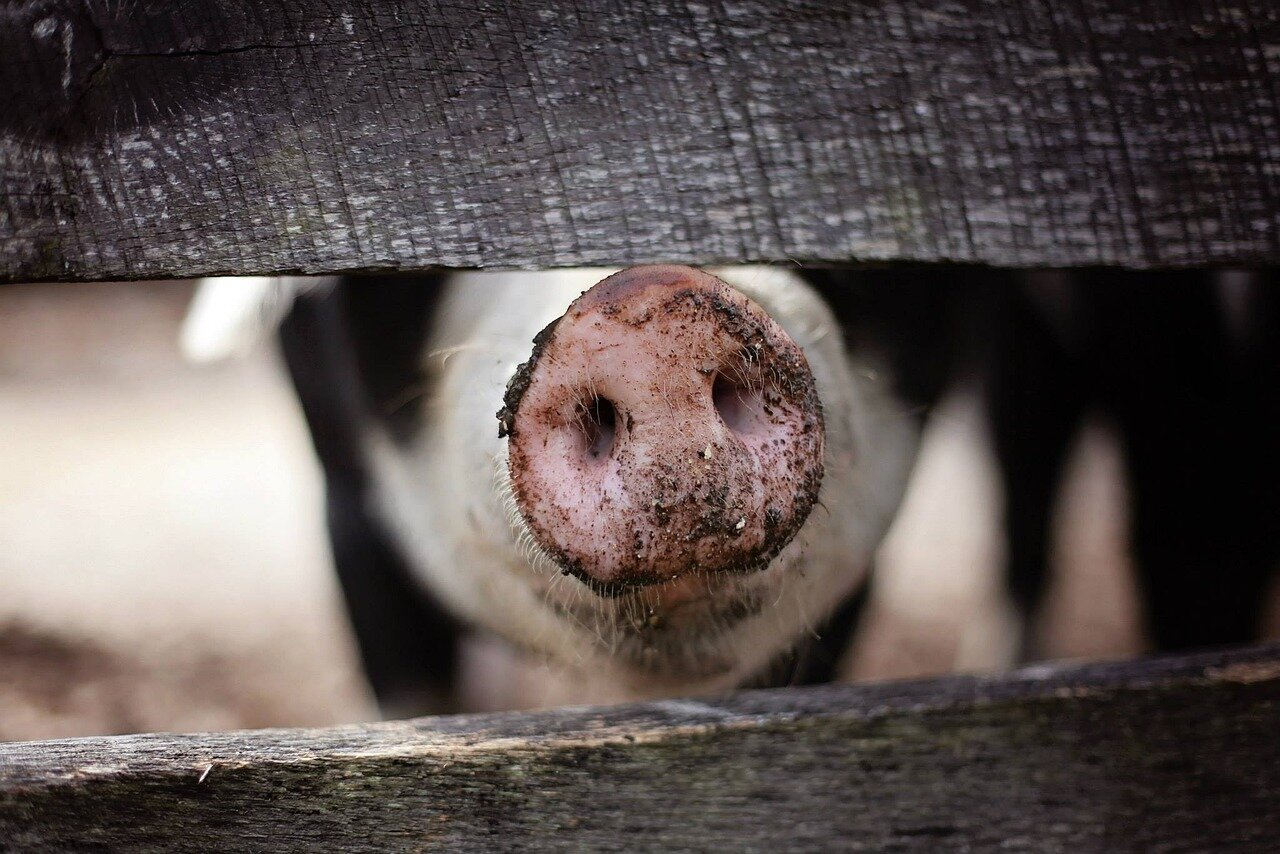
As the situation continues to evolve, the future of pig farming in the UK remains uncertain. The combination of historical challenges, political decisions, and economic pressures has created a perfect storm that has left many farmers feeling unsupported and at risk of financial ruin.
Key issues and stakeholders in the pig farming sector
The pig farming sector in the UK is currently facing significant challenges, prompting calls for government intervention and support. The recent announcement of a £2 million support package has sparked debate among various stakeholders, including farmers, government officials, and industry organizations. Each group has distinct interests and perspectives on the adequacy of this financial assistance.
Farmers, particularly those struggling with rising feed costs and market instability, argue that the £2 million package is insufficient to address the scale of their financial difficulties. Many are concerned about the sustainability of their operations, as they face increased competition and changing consumer preferences. The interests of these farmers center around securing more substantial financial support and long-term solutions to stabilize the industry.
On the other hand, government officials are tasked with balancing the needs of the agricultural sector with broader economic considerations. The challenge lies in providing adequate support without overextending public finances. This creates a trade-off between immediate aid for farmers and the potential long-term implications for taxpayers and other sectors of the economy.

Their involvement underscores the need for collaboration among stakeholders to address the multifaceted issues facing the pig farming sector, which have been highlighted in various discussions, including those surrounding government intervention.
- Increased feed costs impacting profit margins for farmers.
- Market volatility and changing consumer demand affecting sales.
- Government budget constraints limiting the scope of financial support.
- Calls for a more comprehensive strategy beyond immediate financial aid.
- The role of industry organizations in advocating for farmers’ needs.
The broader impact on the agricultural market and consumers
The recent announcement of a £2 million support package for struggling pig farmers highlights the challenges faced by this sector, which is a vital part of the UK’s agricultural landscape. The farmers most affected are primarily located in rural regions, particularly in East Anglia and the Midlands, where pig farming is a significant contributor to the local economy.
In the short term, the financial aid may alleviate some immediate pressures, but many farmers argue that it is insufficient to cover rising production costs and ongoing market instability. This situation could lead to a decrease in pork supply, ultimately impacting consumers with higher prices at the grocery store. As a result, families may find themselves paying more for staple items, affecting their overall budget and spending habits.

Mid-term implications could see a shift in the agricultural market, where smaller farms may be forced to close, leading to increased consolidation in the industry. This could create a risk of reduced competition and innovation, which might negatively affect product quality and consumer choice. However, it may also present opportunities for larger agricultural businesses to expand their operations and invest in more sustainable practices.
- Increased pork prices for consumers.
- Potential farm closures leading to job losses in rural communities.
- Consolidation of the pig farming industry.
- Opportunities for larger farms to adopt sustainable practices.
Furthermore, the situation may prompt policymakers to reconsider existing support structures for farmers. There is a risk that without adequate intervention, the agricultural sector could face long-term viability issues, affecting food security and local economies. Conversely, this challenge could catalyze discussions on better support mechanisms and innovations in farming practices, paving the way for a more resilient agricultural sector in the future.
A: The £2m support package is designed to provide financial assistance to struggling pig farmers facing rising costs and market challenges. A: Farmers argue that the £2m package fails to cover the extensive losses they have incurred due to increased feed prices and operational costs. A: Rising costs have severely impacted pig farmers’ profitability, leading many to consider leaving the industry due to unsustainable financial pressures. A: If the financial struggles continue, there could be a significant reduction in pig production, affecting supply chains and consumer prices. A: In addition to the £2m package, farmers may explore other government grants and subsidies aimed at the agricultural sector.
Frequently asked questions about the support package
Outlook on the future of pig farming support
The recent announcement of a £2 million support package for struggling pig farmers has sparked significant debate within the industry. While this funding is a step towards addressing the challenges faced by farmers, many argue that it falls short of what is needed to ensure long-term sustainability. The current economic pressures, including rising feed costs and labor shortages, continue to threaten the viability of pig farming in the UK.
As the industry navigates these turbulent waters, it is crucial to monitor how the government responds to the ongoing concerns of farmers. The effectiveness of the support package and any potential additional measures will play a pivotal role in shaping the future landscape of pig farming in the region.
- Farmers may need to advocate for more substantial and targeted support to address specific challenges in the sector.
- Monitoring market trends and consumer demand for pork products will be essential for farmers to adapt their strategies.
- Collaboration between farmers and policymakers could lead to more effective solutions and initiatives in the future.
- Investments in technology and sustainable practices may help farmers mitigate rising costs and improve productivity.
- Continued public awareness and support for local farming could influence future government support measures.