


As rescue operations continue, the Venezuelan government has declared a national emergency, mobilizing military and civilian resources to assist in recovery efforts. International aid has begun to flow in, with several countries offering support, including medical supplies and personnel. You can read more about how these efforts are evolving in our article on international aid initiatives. However, logistical challenges remain significant, hampering the distribution of aid to remote and heavily impacted areas.
The situation is further complicated by Venezuela’s ongoing economic crisis, which has left the country with limited resources to address such a large-scale disaster. Infrastructure damage has disrupted transportation and communication networks, making it difficult for relief teams to reach those in need. Local organizations are stepping up to fill the gaps, but the scale of the recovery effort looms large.
In addition to immediate humanitarian needs, there are growing concerns about long-term recovery and rebuilding efforts. Experts warn that the combination of pre-existing vulnerabilities and the recent earthquake may lead to a prolonged crisis for many communities. As the country grapples with this tragedy, the resilience of its people will be tested in the face of immense challenges ahead.
Understanding the background of the earthquake
The recent earthquake in Venezuela, which has tragically resulted in over 4,300 deaths, is a stark reminder of the country’s vulnerability to natural disasters. Historically, Venezuela is located in a seismically active region, with numerous fault lines running through the Andes and coastal areas. For more context on the geopolitical aspects affecting disaster management, check out our article on political and economic instability. This geographical reality has made the nation susceptible to earthquakes, but the effects of such disasters have been exacerbated by years of political and economic instability.

In the past two decades, Venezuela has faced significant turmoil, marked by political strife and economic decline. The government, led by Nicolás Maduro since 2013, has been criticized for its handling of the economy, which has led to hyperinflation, poverty, and a mass exodus of citizens. This instability has weakened the country’s infrastructure and emergency response capabilities, making it increasingly difficult to manage the aftermath of natural disasters.
Historical Precedents
Venezuela has experienced several significant earthquakes in its history, including the devastating 1967 Caracas earthquake, which resulted in over 200 fatalities and extensive damage to buildings and infrastructure. The lessons learned from this event, however, have not been adequately applied in the decades since, as the country’s focus has shifted towards political conflicts rather than disaster preparedness and resilience. For insights into how such challenges are discussed in media, listen to our podcast on resilience strategies.
Moreover, the lack of investment in infrastructure and emergency services has left many regions ill-equipped to handle the scale of recovery efforts needed after such a catastrophic event. The current humanitarian crisis, coupled with the recent earthquake, has created a complex situation that challenges both local and international aid efforts, highlighting the urgent need for a comprehensive strategy to address the underlying vulnerabilities in Venezuela.
Analyzing the key stakeholders involved in recovery efforts
The devastating earthquake in Venezuela has not only resulted in a tragic loss of life, with the death toll surpassing 4,300, but has also highlighted the complex web of stakeholders involved in the recovery efforts. These stakeholders include the Venezuelan government, international aid organizations, local communities, and private sector entities, each with their own interests and challenges.
The Venezuelan government is a central actor in the recovery process. Its primary interest lies in restoring order and stability while managing public perception amidst ongoing economic and political crises. The government faces the challenge of coordinating relief efforts effectively, which may be complicated by existing resource limitations and international sanctions that affect its ability to procure aid and materials.
International aid organizations, such as the United Nations and various non-governmental organizations (NGOs), play a crucial role in providing humanitarian assistance. Their interests often align with immediate relief efforts, but they also seek to address long-term recovery and rebuilding. However, these organizations may encounter conflicts with the Venezuelan government regarding access to affected areas and the distribution of aid, raising legal and ethical questions about sovereignty and intervention.
- Local communities are essential stakeholders, as they are directly affected by the disaster and the recovery initiatives. Their needs and voices must be prioritized to ensure effective aid distribution.
- Private sector involvement can enhance recovery efforts through investment and infrastructure development, but it may also lead to conflicts of interest where profit motives clash with humanitarian goals.
- International relations are strained, as geopolitical factors influence the flow of aid and support, complicating the recovery landscape.
Ultimately, navigating the interests and conflicts among these stakeholders is crucial for a successful recovery. The intertwining of humanitarian needs with political, legal, and economic dimensions creates a complex environment that requires careful management and collaboration among all parties involved.
The impact of the earthquake on communities and infrastructure
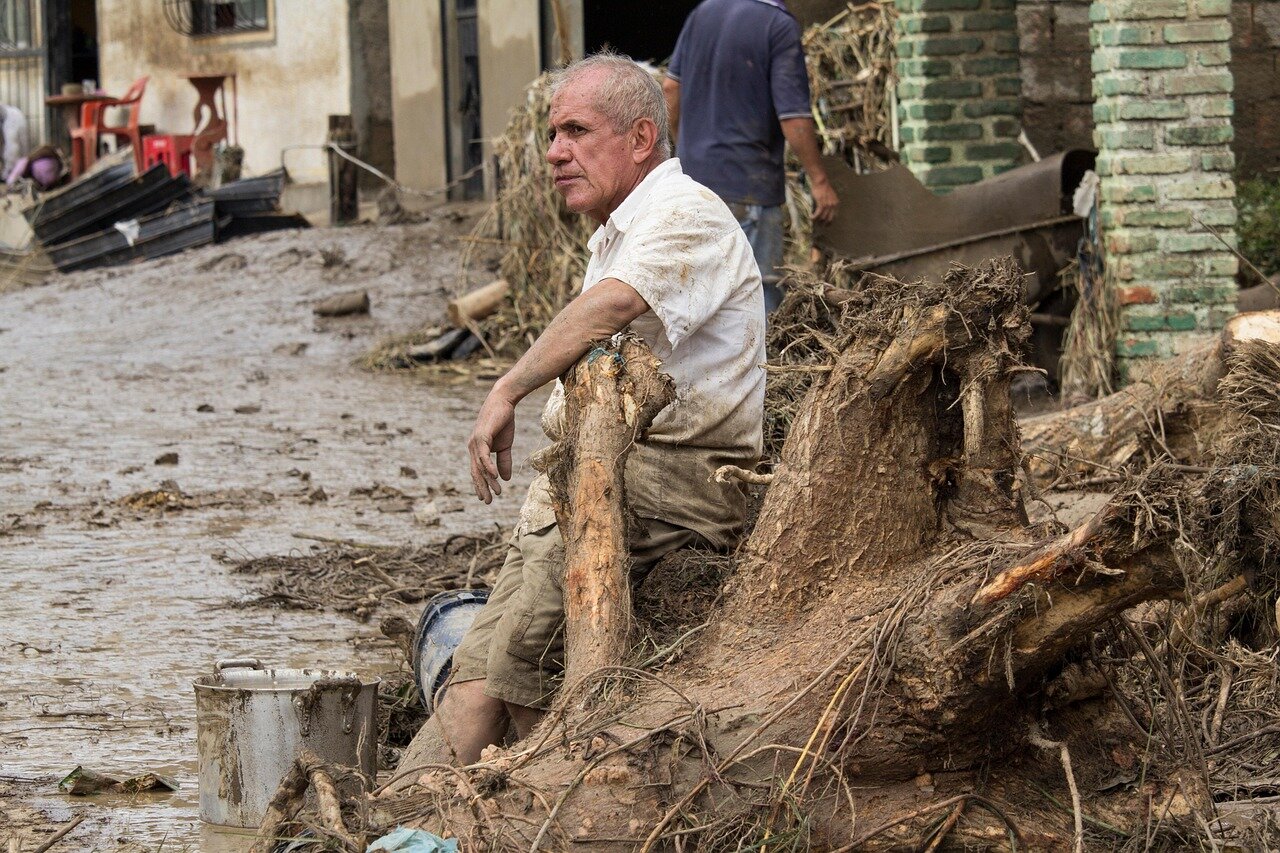
The recent earthquake in Venezuela has had a devastating impact on various communities, particularly in the regions closest to the epicenter. Rural areas, already struggling with limited resources, have faced the brunt of the destruction, leading to significant loss of life and displacement. Urban centers are also affected, as infrastructure damage disrupts daily activities and essential services.
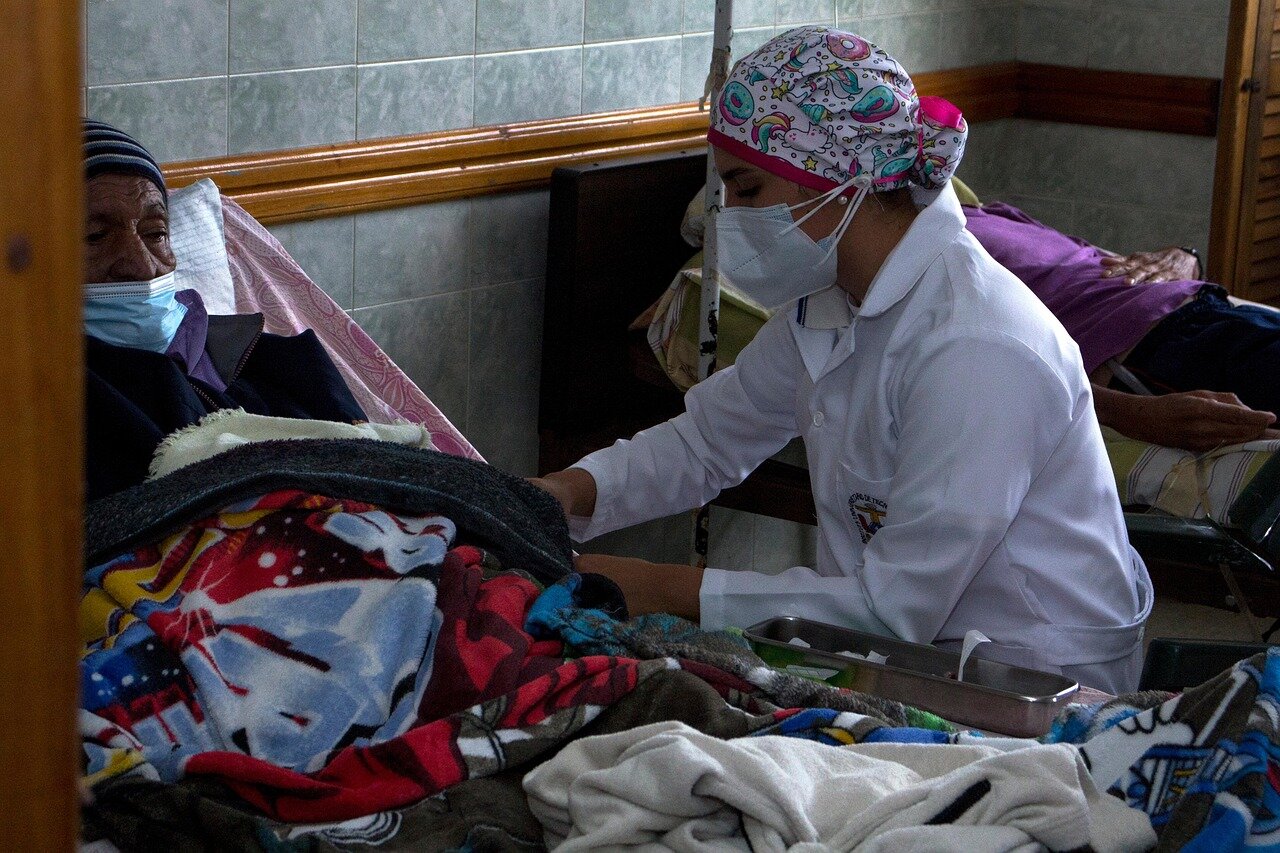
Key groups affected include local families who have lost homes and loved ones, emergency responders stretched thin, and healthcare facilities overwhelmed by an influx of injured individuals. The agricultural sector is likely to suffer as farmland is damaged, affecting food supply chains and local economies.
- Displacement of thousands of families.
- Strain on healthcare systems and emergency services.
- Disruption of local businesses and markets.
- Increased demand for humanitarian aid and support.
In the short term, daily life has been severely disrupted as communities grapple with the immediate aftermath of the quake. Many residents are facing challenges such as lack of access to clean water, electricity, and basic necessities. Businesses are struggling to reopen, and the economic impact is beginning to ripple through various sectors.
In the mid-term, the government may need to implement new policies to address the recovery efforts, which could include increased funding for rebuilding infrastructure and support for affected families. While there are significant risks, such as potential political instability and long-term economic downturns, there are also opportunities for reconstruction efforts that could lead to improved infrastructure and community resilience in the future.
A: The earthquake was caused by tectonic activity in the region, which is known for its seismic activity. Experts are still analyzing the specific geological factors that led to this particular event. A: The Venezuelan government has mobilized emergency services and is coordinating with international aid organizations to provide assistance. However, logistical challenges are complicating the recovery efforts. A: Aid includes food, medical supplies, and temporary shelter for those displaced by the earthquake. Various NGOs are also involved in delivering essential services. A: Individuals can contribute by donating to reputable organizations that are providing aid in Venezuela. Volunteering time or resources to local charities can also make a difference. A: The long-term implications include potential economic setbacks and the need for extensive rebuilding efforts. The disaster may also exacerbate existing social and political challenges.
Frequently asked questions about the earthquake and recovery efforts
Key points and outlook for Venezuela’s recovery
The devastating earthquake in Venezuela has not only claimed over 4,300 lives but has also left a profound impact on the nation’s infrastructure and social fabric. As the country grapples with the immediate aftermath, the scale of the recovery effort presents significant challenges that require coordinated responses from both local authorities and international organizations. The road to recovery will be long and complex, necessitating a focus on both immediate humanitarian needs and long-term rebuilding strategies.
In the coming weeks and months, it will be crucial to monitor the effectiveness of relief efforts, the resilience of the affected communities, and the potential for international support. The situation underscores the importance of preparedness and response mechanisms in disaster-prone regions, as well as the need for sustainable development practices to mitigate future risks.
- Monitor relief efforts: Keep an eye on how local and international organizations mobilize resources and aid to the affected areas.
- Assess infrastructure damage: Evaluate the extent of damage to essential services and infrastructure, which will be critical for recovery.
- Community resilience: Observe how affected communities adapt and respond to the challenges, which may offer insights into future disaster preparedness.
- International cooperation: Watch for the level of international involvement and support, which could influence recovery timelines and strategies.
- Long-term planning: Consider the implications for urban planning and disaster management policies in Venezuela to enhance future resilience.