


Former F1 driver and commentator, Paul di Resta, has highlighted that these ongoing problems could provide a crucial opportunity for Ferrari to capitalize on Mercedes’ struggles. With Ferrari showing improved pace and consistency, the door appears to be open for them to challenge for the championship title, especially as the season progresses into the summer months. This opportunity comes as Mercedes grapples with their reliability issues that have plagued them over the years.
The reliability woes at Mercedes have been attributed to a combination of factors, including engine performance and aerodynamic issues. As the team works to address these challenges, the pressure mounts, not only from fans but also from within the organization, to return to their former dominance in the sport.
As of now, Ferrari sits in a strong position, with Charles Leclerc and Carlos Sainz delivering solid performances that could propel the team into contention. With each race that passes, the stakes grow higher for Mercedes, as their rivals continue to gain momentum in the championship race.

The historical context of Mercedes’ dominance in F1
Mercedes-Benz has been a dominant force in Formula 1 since its return as a full works team in 2010. Their success can be traced back to the introduction of the V6 turbo hybrid power units in 2014, which revolutionized the sport and gave Mercedes a significant technological advantage. With drivers like Lewis Hamilton and Nico Rosberg at the helm, the team secured seven consecutive Constructors’ Championships from 2014 to 2020, establishing a legacy of excellence and innovation.
However, this dominance did not come without challenges. The 2021 season marked a turning point as Mercedes faced increased competition from Red Bull Racing, led by Max Verstappen. The intense rivalry culminated in a controversial title fight that ended with Verstappen claiming the championship under contentious circumstances. This shift in competitive dynamics highlighted vulnerabilities within the Mercedes camp and foreshadowed the reliability issues that would plague them in subsequent seasons.
The 2022 season saw a further decline in Mercedes’ performance, as the team struggled with a car that was not only uncompetitive but also prone to reliability issues. These problems were exacerbated by the regulatory changes aimed at reducing downforce and improving safety. As Mercedes grappled with these challenges, Ferrari began to show signs of resurgence, capitalizing on their own advancements in engineering and strategy.
Key milestones in the reliability saga
Several key milestones have defined the reliability woes for Mercedes in recent seasons. The introduction of the new power unit regulations in 2022 forced teams to adapt quickly, and Mercedes was caught off guard by the performance and reliability of their rivals. Incidents such as engine failures and inconsistent performance during critical races have opened the door for teams like Ferrari to capitalize on Mercedes’ misfortunes. As the 2023 season unfolds, the implications of these reliability issues could significantly impact the championship landscape, potentially allowing Ferrari to mount a serious challenge for the title, which fans eagerly anticipate.

Key stakeholders and implications of Mercedes’ struggles
The ongoing reliability issues faced by Mercedes in the Formula 1 season have significant implications for various stakeholders in the sport. Key actors include the Mercedes-AMG Petronas Formula One Team, Ferrari, the FIA (Fédération Internationale de l’Automobile), and the fans. Each of these stakeholders has distinct interests and perspectives regarding the unfolding situation.
Mercedes, as a dominant force in recent F1 seasons, is primarily concerned with maintaining its competitive edge and reputation. The team’s technical department is under pressure to resolve reliability issues quickly to prevent further erosion of their championship standing. In contrast, Ferrari sees an opportunity to capitalize on Mercedes’ struggles, aiming to reclaim its position as a championship contender. This rivalry not only fuels competition on the track but also impacts fan engagement and sponsorship dynamics, particularly as supporters rally behind the historic Ferrari brand.
The FIA plays a crucial role in regulating the sport, ensuring fair competition and safety standards. As reliability issues arise, the FIA may need to assess whether any regulatory changes are necessary to maintain a level playing field. Additionally, economic factors come into play, as sponsors and teams evaluate their investments based on performance outcomes. The financial implications of a successful Ferrari campaign could shift sponsorship dynamics within the sport.
- Mercedes’ Technical Challenges: Ongoing reliability issues may lead to increased scrutiny and pressure on the engineering team.
- Ferrari’s Competitive Edge: With Mercedes faltering, Ferrari has a potential pathway to reclaim championship glory.
- Fan Engagement: The rivalry between Mercedes and Ferrari could enhance viewer interest, impacting ticket sales and merchandise.
- Sponsorship Dynamics: Shifts in team performance may influence sponsorship deals and financial investments in the sport.
- Regulatory Considerations: The FIA may need to intervene if reliability issues lead to concerns about fair competition.
Overall, the interplay between these stakeholders highlights the complex nature of Formula 1, where mechanical reliability, competitive strategy, and financial interests converge. The outcome of this season could reshape the landscape of the sport for years to come.
Potential impact on Ferrari and the championship standings
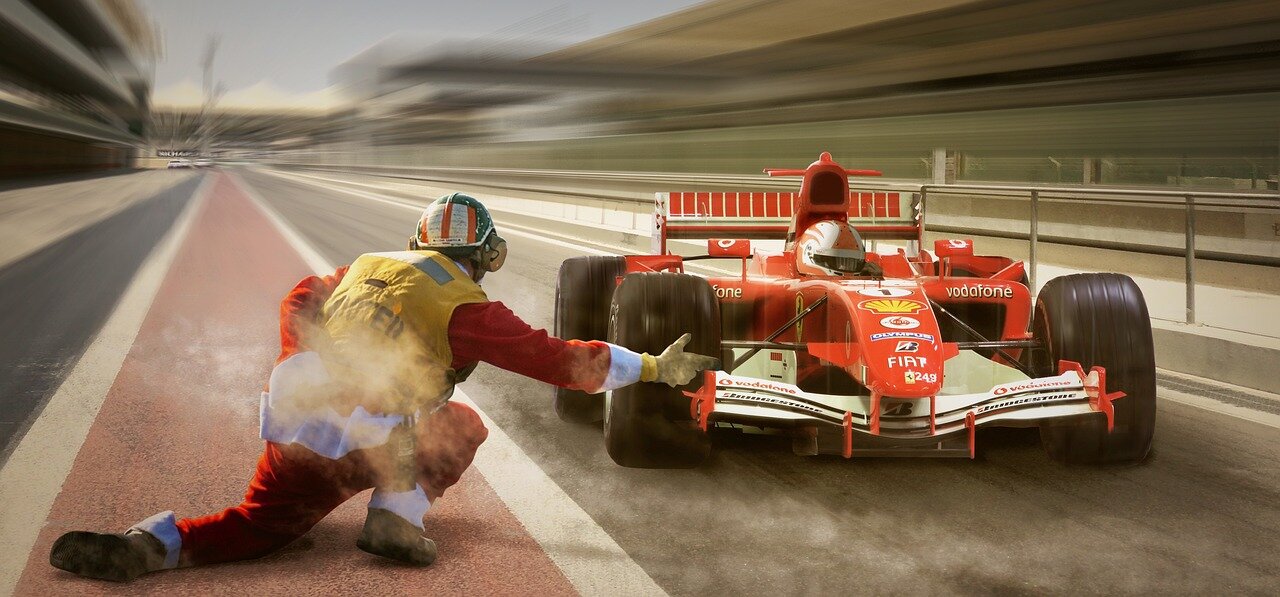
The reliability issues plaguing Mercedes have opened a significant opportunity for Ferrari, affecting various stakeholders within the Formula 1 ecosystem. Fans, teams, sponsors, and the broader automotive industry are all poised to experience shifts as the championship narrative evolves.
In the short term, Ferrari’s improved performance could lead to a surge in fan engagement and attendance at races. This heightened interest is likely to boost ticket sales, merchandise, and related hospitality services, benefiting local economies surrounding race venues. Additionally, sponsors may be more inclined to invest in Ferrari as the team gains traction, creating a ripple effect in marketing and promotional activities.
Mid-term impacts could include a shift in team dynamics within Formula 1. With Ferrari potentially becoming a frontrunner, rival teams may need to reassess their strategies and investments. This could lead to increased competition, fostering innovation and technological advancements in car design and performance across the grid.
- Increased fan engagement: More spectators and higher merchandise sales.
- Sponsor interest: Potential for new partnerships and funding for Ferrari.
- Competitive landscape: Other teams may innovate to keep pace with Ferrari.
However, these shifts also come with risks. If Ferrari fails to capitalize on the opportunity, it may lead to disillusionment among fans and sponsors alike. Furthermore, if Mercedes addresses its reliability woes swiftly, the competitive balance could shift back, leaving Ferrari in a precarious position. The overall impact on the automotive industry remains to be seen, but heightened visibility for Ferrari could enhance its brand equity and consumer interest in its road cars.

A: Mercedes has reported several mechanical failures and performance inconsistencies, particularly with their power units and tire management, which have hindered their race outcomes. A: With Mercedes struggling, Ferrari has a clearer path to capitalize on these issues, potentially increasing their chances of winning races and the championship. A: Other teams have expressed surprise at Mercedes’ difficulties, as they have been the benchmark in F1 for several years, but they are also eager to take advantage of the situation. A: Yes, several races this season have seen Mercedes retire from contention due to mechanical failures, notably in races with high-stress conditions. A: Ferrari may focus on optimizing their car’s performance and reliability, while also strategically managing race strategies to maximize points in the championship.
Frequently asked questions about the current F1 season
Looking ahead: the future of the championship battle
The recent reliability issues faced by Mercedes have not only raised questions about their current performance but also opened a significant opportunity for Ferrari to capitalize on this situation. As the championship progresses, the dynamics among the top teams will be crucial in determining the outcome of the title race. With Ferrari’s potential for improvement, the landscape could shift dramatically in the coming races.
Teams will need to closely monitor the developments in both Mercedes and Ferrari’s strategies, as well as their technical advancements. The ability of Ferrari to maintain consistency while capitalizing on Mercedes’ missteps will be a key factor in the championship narrative.
- Watch for Ferrari’s upgrades in the upcoming races, which could enhance their competitiveness against Mercedes.
- Monitor Mercedes’ response to reliability issues; their ability to rectify these problems will be critical for their title defense.
- Pay attention to the psychological impact on drivers and teams, as confidence and pressure can significantly influence performance.
- Consider the role of team strategy in race execution, particularly how Ferrari might leverage opportunities presented by Mercedes’ struggles.
- Keep an eye on emerging teams that may also capitalize on the situation, potentially complicating the championship battle further.