



In a study published in September 2023, scientists utilized advanced imaging techniques to observe brain activity in response to various bodily sensations. The findings revealed that individuals with heightened interoceptive awareness demonstrated more accurate emotional responses. This research highlights the connection between bodily awareness and psychological well-being, emphasizing the importance of understanding how external factors can influence these internal processes.
Moreover, experts are exploring the implications of these findings for mental health treatments. Disorders such as anxiety and depression have been linked to disrupted interoceptive processing. By mapping how the brain perceives internal signals, researchers aim to develop targeted therapies that could improve emotional resilience. This could be particularly relevant for innovative treatment methods.
The ongoing research in this field is attracting attention from both academic and clinical communities, with numerous conferences and symposiums scheduled for 2024 to discuss these breakthroughs. As the understanding of the brain’s internal mapping expands, it may pave the way for innovative approaches to mental health care and enhance our overall understanding of the mind-body connection, much like how social platforms have transformed consumer experiences.
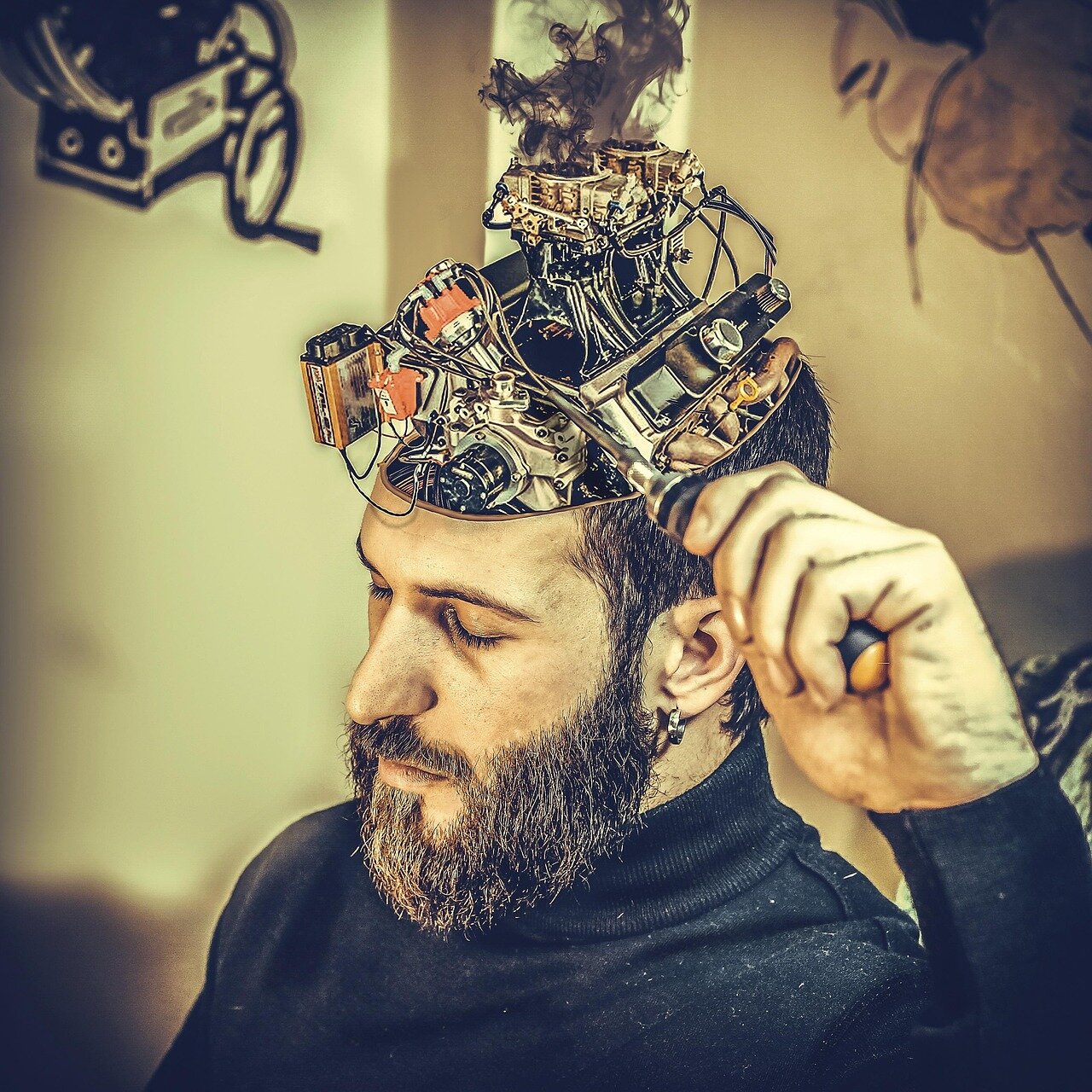
The historical background of brain-body communication research
The exploration of how the brain perceives and interprets signals from the body has a rich history that dates back to ancient civilizations. Early philosophers, such as Hippocrates and Galen, speculated about the connection between mind and body, laying the groundwork for future inquiries into human physiology and psychology. However, it wasn’t until the advent of modern science in the 17th century that systematic studies began to unravel the complexities of brain-body communication.
In the 19th century, significant advancements in neuroscience emerged, particularly with the work of figures like Santiago Ramón y Cajal, who is often referred to as the father of modern neuroscience. His pioneering research on the structure of neurons provided crucial insights into how the brain processes information. This period also saw the development of the reflex arc concept, which illustrated the direct pathways between sensory input and motor output, further emphasizing the brain’s role in bodily functions.
Technological Milestones in Brain Mapping
The 20th century heralded a technological revolution that transformed neuroscience. The invention of imaging techniques such as MRI and PET scans allowed researchers to visualize brain activity in real-time, opening new avenues for understanding how the brain communicates with the body. These technologies played a pivotal role in identifying brain regions responsible for various functions, including those related to bodily awareness and internal sensations.
As research progressed, the 21st century has seen a surge in interdisciplinary studies combining neuroscience, psychology, and even philosophy to explore the brain’s representation of bodily states. This shift has led to a more nuanced understanding of how emotions, thoughts, and bodily sensations interact, influencing everything from mental health to physical well-being. The growing interest in the gut-brain axis and its implications for health further exemplifies the ongoing exploration of this intricate communication network.
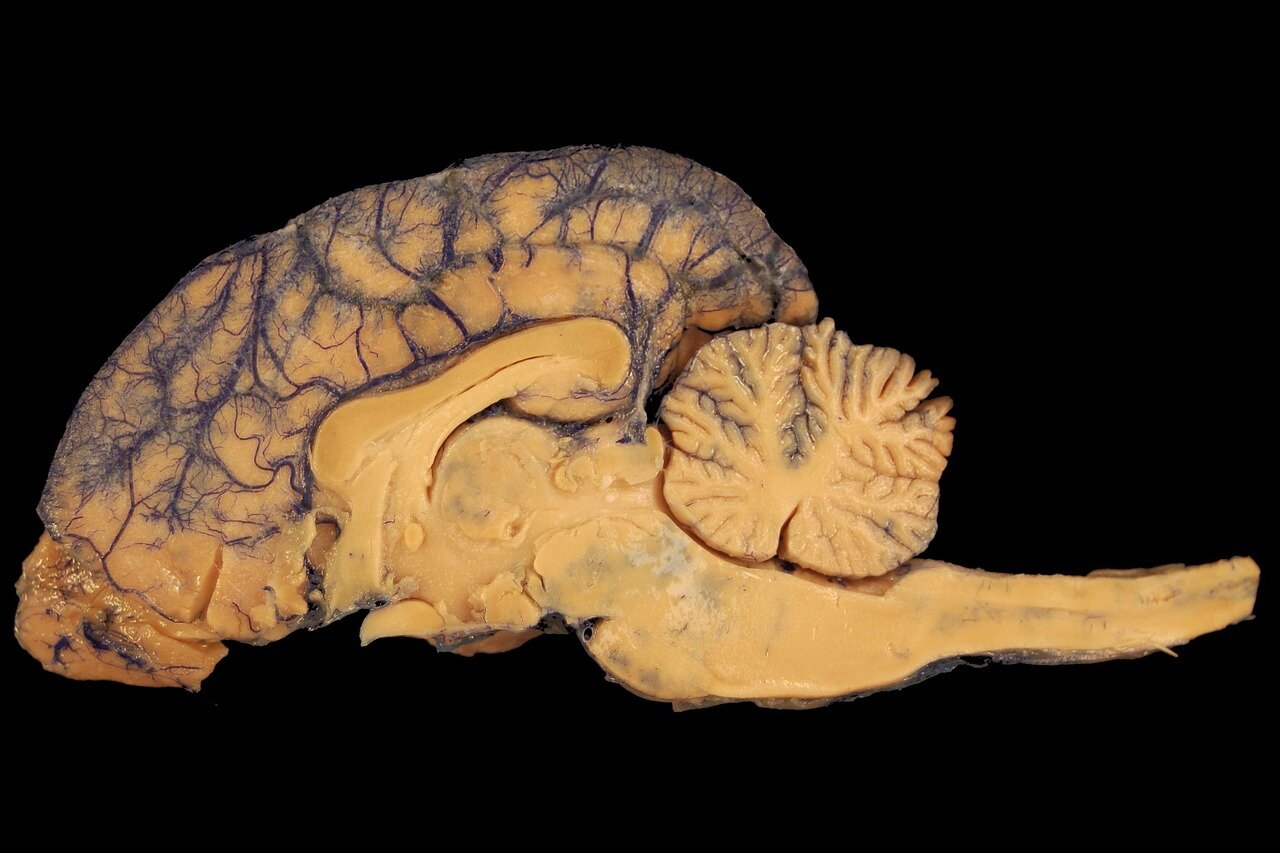
Today, the field continues to evolve, with researchers striving to map the brain’s intricate pathways that govern our sense of internal bodily states. This ongoing research is not only advancing scientific knowledge but also raising important questions about how we perceive ourselves and our health in an increasingly complex world.
Key issues in neuroscience and implications for health
As researchers delve deeper into understanding the brain’s mapping of bodily sensations, several key stakeholders emerge, each with distinct interests. These include academic institutions, healthcare providers, technology companies, and governmental bodies. The interplay of their interests shapes the direction of neuroscience research and its applications in healthcare.
Academic institutions are primarily focused on advancing knowledge and understanding of the brain’s functions. Their research often relies on funding from government grants and private foundations, which can lead to competition for resources. This competition may influence the priorities of research agendas, potentially sidelining some critical areas of study.
Healthcare providers are interested in the practical applications of neuroscience research, particularly in developing new treatment protocols for conditions such as chronic pain, anxiety, and other sensory-related disorders. However, the translation of research findings into clinical practice can be slow, often due to regulatory hurdles and the need for extensive clinical trials to ensure safety and efficacy.

- Technological advancements: Companies developing neuroimaging and brain-computer interface technologies have a vested interest in the outcomes of this research, as these innovations could lead to new products and services.
- Ethical considerations: The potential for misuse of neuroscience findings raises ethical concerns, particularly regarding privacy and consent, as well as the implications of manipulating sensory experiences.
- Policy and regulation: Governments play a crucial role in setting the regulatory framework that governs research and its applications, balancing innovation with public safety and ethical standards.
Conflicts may arise between the interests of different stakeholders. For instance, the push for rapid commercialization of research findings by technology companies may conflict with the cautious approach favored by academic researchers who prioritize thorough validation of results. Additionally, disparities in funding and access to resources can create inequities in research opportunities and healthcare delivery.
As neuroscience continues to evolve, the trade-offs between innovation, ethical considerations, and regulatory oversight will be critical in shaping the future landscape of health interventions and the understanding of how our brains interpret bodily sensations.
How this research affects our understanding of health and disease
The recent advancements in mapping the brain’s sense of bodily awareness have significant implications for various groups, including healthcare professionals, patients with chronic illnesses, and researchers in neuroscience. This research could reshape how we approach treatments for conditions such as anxiety, depression, and chronic pain, which are often linked to disruptions in bodily awareness.
In the short term, healthcare providers may begin to incorporate new diagnostic tools that leverage this understanding, leading to more personalized treatment plans. Patients could experience improved outcomes as therapies become more targeted, addressing the root causes of their conditions rather than just the symptoms.
In the mid-term, industries such as pharmaceuticals and mental health services may see a shift in focus towards therapies that enhance bodily awareness, creating new market opportunities. This could lead to the development of innovative products, including apps and wearable technologies that help individuals monitor and understand their bodily signals.
- Healthcare Providers: Adoption of new diagnostic methods.
- Patients: Enhanced treatment plans and outcomes.
- Pharmaceutical Industry: Shift towards therapies targeting bodily awareness.
- Technology Sector: Growth in health monitoring applications.
However, there are also risks associated with this research. Misinterpretation of bodily signals could lead to increased anxiety or unnecessary medical interventions. Furthermore, the commercialization of this knowledge may create disparities in access to new therapies, particularly for underserved populations.
A: The brain receives signals from various organs and systems, interpreting them to create a sense of the body’s internal state. This process involves complex neural pathways that relay information about sensations such as pain, hunger, and temperature. A: Researchers use various techniques, including functional MRI and electrophysiology, to observe brain activity in response to internal body signals. These methods help to visualize how different areas of the brain are activated. A: Understanding how the brain maps internal signals can lead to better treatments for conditions like chronic pain and anxiety. It also enhances our knowledge of how physical health influences mental well-being. A: Yes, insights from this research can inform therapeutic strategies, improve mental health treatments, and enhance our understanding of psychosomatic disorders. A: Absolutely, the findings can guide the development of advanced medical devices that monitor internal body signals and provide real-time feedback to patients and healthcare providers.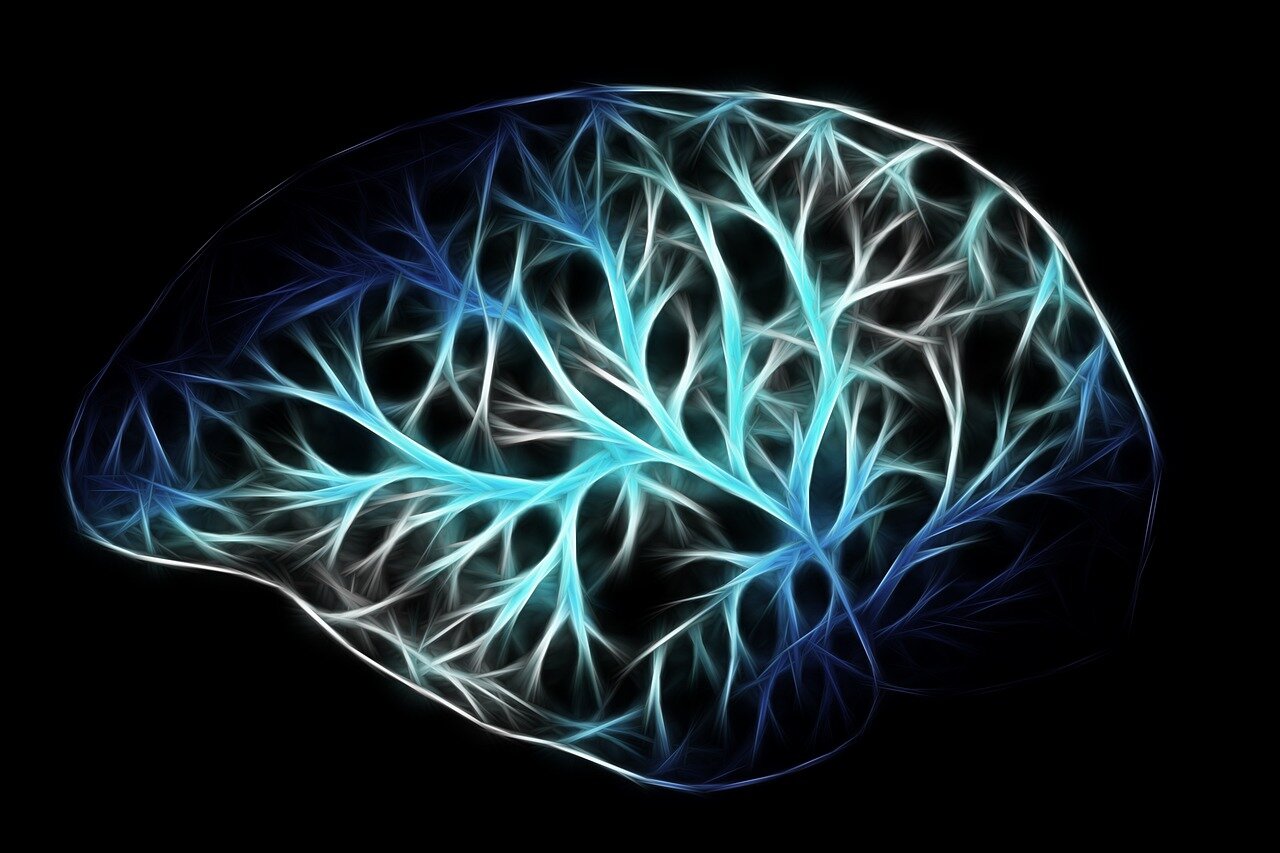
Frequently asked questions about brain mapping
Future directions in understanding the brain’s internal mapping
The exploration of how the brain interprets and represents internal bodily states is paving the way for significant advancements in neuroscience. As researchers delve deeper into the mechanisms behind this internal mapping, the potential for new therapeutic approaches to a range of conditions, including anxiety and chronic pain, becomes increasingly tangible. Understanding the brain’s internal signals may not only enhance our grasp of human physiology but also improve mental health treatments and overall well-being.
Furthermore, the interplay between bodily sensations and emotional responses highlights the importance of a holistic approach to health. As science progresses, integrating insights from brain mapping with psychological practices could lead to more effective interventions, fostering a better quality of life for individuals grappling with the complexities of their internal experiences.
- Advancements in brain imaging techniques will enhance our ability to visualize and understand the brain’s internal mapping processes.
- Greater understanding of how the brain interprets bodily signals may lead to targeted therapies for conditions like anxiety and depression.
- Interdisciplinary approaches combining neuroscience and psychology could yield innovative treatment strategies for mental health issues.
- Continued research may uncover the role of the gut-brain axis in shaping emotional and physical health.