


In the film, the protagonist navigates a web of deceit involving illicit financial practices, which ultimately jeopardizes his marriage. The storyline draws parallels to real-life incidents in Bulgaria, where corruption has been a longstanding challenge, undermining public confidence in institutions. This thematic exploration is particularly relevant as Bulgaria continues to grapple with issues related to governance and accountability, as seen in the recent discussion around anti-corruption measures.
Notable performances by leading actors bring depth to the characters, making the emotional stakes palpable. The film’s release in October 2023 coincides with heightened public discourse around anti-corruption measures in Bulgaria. As citizens demand greater transparency, the film serves as a mirror reflecting the complexities of navigating moral dilemmas in an environment rife with corruption.
Critics have praised the film for its ability to blend humor with serious commentary, making the heavy subject matter accessible to a wider audience. By addressing the consequences of ‘black money’ in a relatable manner, the production encourages viewers to reflect on their own values and the societal structures that influence them. This timely release underscores the urgent need for reform and the importance of integrity in personal and communal relationships.

Understanding the cultural backdrop of Bulgarian tragicomedy
Bulgarian tragicomedy has deep roots in the country’s tumultuous history, reflecting the struggles and resilience of its people. The genre often intertwines humor with sorrow, capturing the complexities of life in Bulgaria, especially in the post-communist era. This duality serves as a lens through which social and political issues can be examined, making it a powerful medium for storytelling.
Following the fall of communism in 1989, Bulgaria underwent significant political and economic transformations. The transition from a centralized economy to a market-oriented one was fraught with challenges, leading to widespread corruption and the emergence of a shadow economy. This backdrop is essential to understanding the themes presented in ‘Black Money for White Nights,’ where the characters navigate a world riddled with moral ambiguity and financial deceit.
The rise of oligarchs and the privatization of state assets created a new class of wealthy individuals, often at the expense of the general populace. This economic disparity is a recurring theme in Bulgarian tragicomedies, highlighting the struggles of ordinary citizens against a backdrop of greed and corruption. In ‘Black Money for White Nights,’ the characters’ personal dilemmas are intricately linked to these broader societal issues, illustrating how corruption seeps into the fabric of everyday life.
The interplay of personal and political
In Bulgarian tragicomedy, personal relationships often mirror the larger political landscape. The marriage at the center of ‘Black Money for White Nights’ serves as a microcosm of the societal decay caused by corruption. As the characters grapple with their own moral choices, their struggles reflect the collective disillusionment of a society still reeling from its past. This interplay between the personal and political not only enhances the narrative but also invites audiences to reflect on their own lives within a corrupt system, echoing themes found in other narratives.
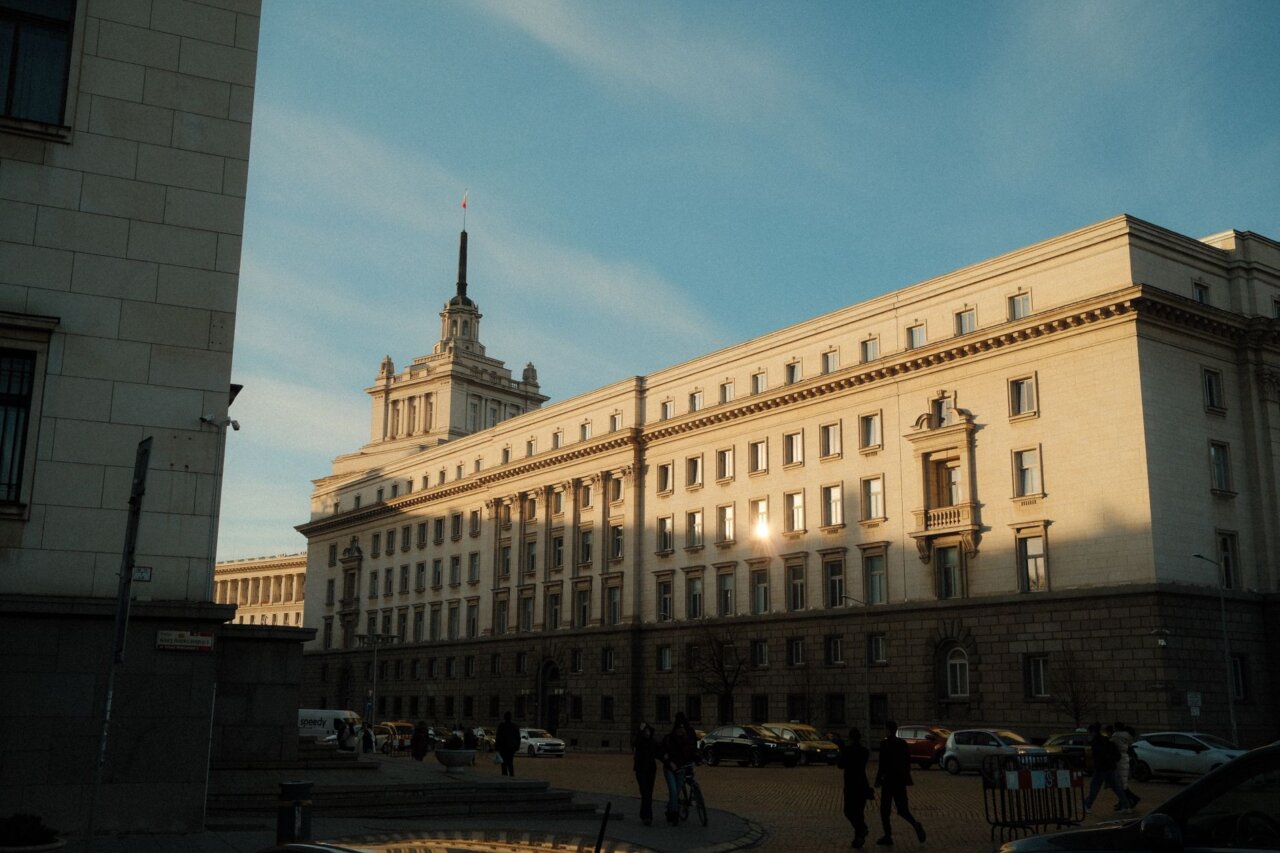
Key issues and character dynamics in the narrative
In the Bulgarian tragicomedy ‘Black Money for White Nights’, the interplay between personal relationships and systemic corruption highlights the complexities of modern societal issues. The main actors in this narrative include the protagonist couple, various corrupt officials, and the broader societal context that enables such corruption to thrive. Each character embodies different interests that often conflict with one another, leading to a rich tapestry of dramatic tension.
At the heart of the story is the couple’s struggle against the backdrop of a corrupt system that threatens their marriage. The husband, entangled in financial malfeasance, represents the desperate lengths individuals may go to in order to maintain a facade of success. Meanwhile, the wife’s growing awareness of these corrupt practices illustrates the moral dilemmas faced by those who are indirectly implicated in such systems. Their relationship serves as a microcosm of the larger societal issues at play, much like the dynamics explored in other cinematic stories.
Key issues that emerge from this narrative include:
- Corruption and Accountability: The film critiques the pervasive corruption within governmental and economic institutions, raising questions about accountability and the rule of law.
- Personal vs. Societal Morality: The characters’ personal choices reflect broader ethical dilemmas, where individual desires clash with societal expectations and moral integrity.
- Economic Pressures: The narrative showcases how economic instability can lead to desperate measures, revealing the trade-offs individuals make when faced with financial ruin.
- Impact on Relationships: The strain of corruption and dishonesty on personal relationships serves as a poignant reminder of how external pressures can fracture familial bonds.
These elements collectively illustrate the cyclical nature of corruption and its far-reaching implications, not only for the individuals involved but also for society as a whole. The film invites viewers to reflect on the consequences of complicity in corrupt systems and the moral compromises that often accompany them.

The societal implications of corruption depicted in the film
The film ‘Black Money for White Nights’ presents a stark reflection of how corruption permeates various aspects of society, particularly affecting ordinary citizens, business owners, and government officials in Bulgaria. The narrative illustrates the ripple effects of unethical practices, which extend beyond individual characters to impact entire communities and industries.
In the short term, the portrayal of corruption can lead to a heightened sense of distrust among the populace. Citizens may become more skeptical of public institutions and their leaders, resulting in decreased civic engagement and participation. This disillusionment can manifest in lower voter turnout and a general apathy towards political processes, as people feel their voices are overshadowed by corrupt practices.
In the mid-term, businesses may experience fluctuations in stability and growth due to the uncertain environment created by corruption. The film highlights how unethical dealings can distort market dynamics, leading to unfair competition and barriers for honest entrepreneurs. As a result, small businesses may struggle to survive, while larger corporations might exploit the lack of regulation to consolidate power.
- Trust Erosion: Increased skepticism towards institutions and leaders.
- Economic Instability: Fluctuations in business growth and market fairness.
- Social Discontent: Heightened frustration among citizens leading to protests or civic movements.
- Policy Changes: Potential for reform as public awareness rises.
Despite these challenges, the film also opens avenues for potential opportunities. As the public becomes more aware of corruption, there may be a push for greater transparency and accountability in both government and business sectors. This could lead to reforms that not only strengthen institutions but also create a more equitable environment for all stakeholders involved.
A: The film revolves around a couple whose marriage is tested by the pervasive corruption in their society, leading to a series of tragicomic events. A: Corruption is depicted as a cycle that not only affects the characters’ lives but also serves as a commentary on societal issues in Bulgaria. A: The film explores themes of betrayal, trust, and the impact of societal corruption on personal relationships. A: The story centers around a married couple, whose struggles reflect the broader issues of corruption and moral dilemmas faced by individuals. A: While it is a fictional narrative, the film draws inspiration from real societal issues prevalent in Bulgaria.
Frequently Asked Questions about the film
Key takeaways and future outlook on similar narratives
The exploration of corruption within personal relationships, as depicted in ‘Black Money for White Nights’, highlights the intricate ties between societal issues and individual lives. The tragicomedy serves as a poignant reminder of how external pressures can infiltrate the sanctity of marriage, leading to a cycle of deceit and moral compromise. As audiences engage with such narratives, they are prompted to reflect on the broader implications of corruption and its pervasive influence on personal integrity and trust.
Looking ahead, the themes presented in this film resonate with ongoing global discussions about ethics, accountability, and the human condition. The portrayal of characters grappling with the consequences of their choices invites viewers to consider the weight of their own decisions in a world rife with moral ambiguity.
- The intertwining of personal and societal corruption can serve as a powerful narrative device, offering rich ground for character development.
- Future stories may explore the psychological impact of corruption on relationships, emphasizing the emotional turmoil faced by individuals.
- Audiences may increasingly seek out narratives that challenge conventional morality, prompting deeper conversations about ethics in everyday life.
- Filmmakers could leverage tragicomedy to balance heavy themes with humor, making the subject matter more accessible and engaging.
- The global context of corruption will likely remain a relevant backdrop for storytelling, allowing for diverse cultural interpretations and insights.