


Amid this decline, Nintendo has maintained a strong presence in the physical gaming sector, primarily through its popular franchises and unique gaming experiences. The company reported that 2022 was its best year for physical game sales, with titles such as “The Legend of Zelda: Breath of the Wild” and “Super Mario Odyssey” continuing to attract consumers. As competitors increasingly prioritize digital formats, Nintendo’s commitment to physical releases may position it favorably in the market.
Moreover, the recent announcement of Nintendo’s next console, expected to launch in late 2024, has sparked renewed interest in physical gaming. This upcoming system is rumored to support both physical and digital formats, potentially attracting a wider audience. As other companies grapple with inventory issues and supply chain disruptions, Nintendo’s ability to deliver physical products could solidify its dominance in the sector.
As the gaming industry evolves, the shift towards digital may inadvertently create opportunities for Nintendo to capture a larger share of the market. With its strong brand loyalty and a robust lineup of physical titles, the company is well-positioned to inherit the physical gaming crown, especially if competitors continue to deprioritize physical formats. The coming years will be crucial in determining how this dynamic unfolds and what it means for consumers and the industry at large.
Understanding the evolution of gaming and its players
The gaming industry has undergone significant transformations since its inception in the early 1970s. Initially dominated by arcade games and home consoles, the landscape evolved with the advent of personal computers and online gaming, leading to a diverse range of gaming experiences. The rise of mobile gaming in the late 2000s further shifted the dynamics, attracting a broader demographic of players. As consumer preferences evolved, so too did the strategies of major gaming companies, including Nintendo, Sony, and Microsoft.
Nintendo, a company that began as a playing card manufacturer in 1889, entered the video game market in the 1970s and quickly became a household name with the release of iconic franchises such as Super Mario and The Legend of Zelda. The introduction of the Nintendo Entertainment System (NES) in the mid-1980s marked a pivotal moment in gaming history, helping to revitalize an industry that had been struggling after the video game crash of 1983. This success solidified Nintendo’s position as a leader in the market, but it also set the stage for fierce competition.
The rise and fall of physical gaming
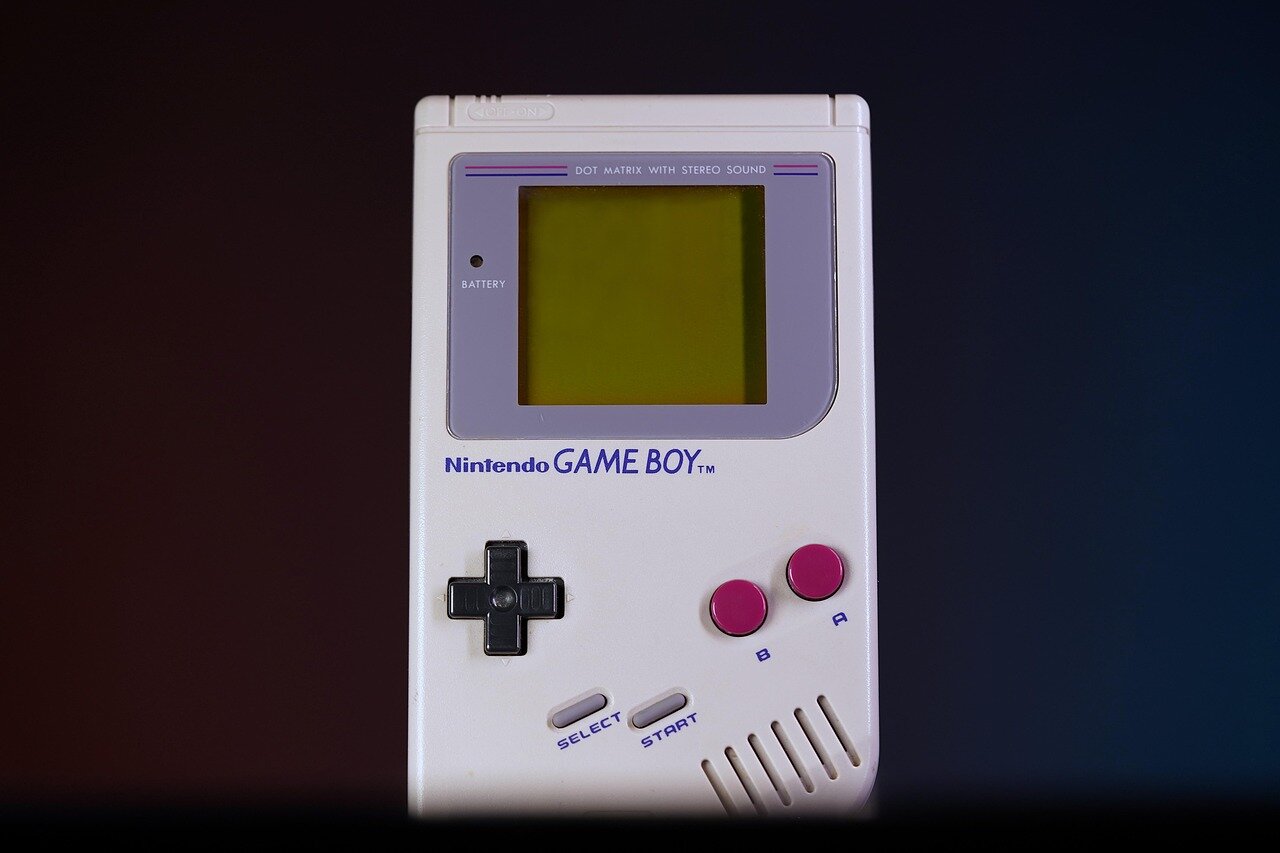
As the gaming industry matured, the late 1990s and early 2000s saw the emergence of CD-ROM technology and online distribution, which began to challenge the dominance of physical media. Companies like Sony and Microsoft capitalized on this trend, pushing for digital downloads and online gaming services. However, Nintendo maintained its focus on physical gaming, emphasizing the tactile experience of cartridges and discs. This decision, while initially limiting, allowed Nintendo to cultivate a loyal fan base that values the nostalgia and collectibility of physical games.
In recent years, the rise of digital platforms has led to a significant shift in consumer behavior, with many players opting for convenience over physical ownership. However, supply chain disruptions and shortages during the COVID-19 pandemic have reignited interest in physical gaming products. As digital storefronts faced challenges, Nintendo’s commitment to physical releases positioned it favorably in a market where consumers began to appreciate the tangible aspects of gaming once again.
As the gaming landscape continues to evolve, Nintendo’s potential to inherit the physical gaming crown by default is becoming increasingly plausible. With competitors focusing on digital ecosystems, Nintendo’s unique approach may resonate with a growing segment of players longing for the nostalgia and reliability of physical media. This shift could redefine the competitive landscape, allowing Nintendo to reclaim its legacy as a leader in the gaming industry.
Key stakeholders and their roles in the gaming industry
The gaming industry is a complex ecosystem involving various stakeholders, each with distinct interests and influences. At the forefront are major gaming companies like Nintendo, Sony, and Microsoft, all vying for market share and consumer loyalty. Nintendo, in particular, is positioned uniquely to capitalize on recent shifts in the industry dynamics, especially as competitors face challenges in the transition to digital platforms.
Consumers are another critical stakeholder group, whose preferences and purchasing behaviors drive the market. Increasingly, gamers are seeking physical products that offer tangible value, especially as digital game ownership faces scrutiny over licensing and permanence. This shift could enhance Nintendo’s standing, as they have a strong legacy of physical gaming products.
Moreover, regulatory bodies and governments play a significant role in shaping the gaming landscape. Issues such as data privacy, consumer protection, and intellectual property laws are paramount. As the gaming industry continues to evolve, these entities may impose regulations that could impact how companies operate, particularly around digital sales and consumer rights.
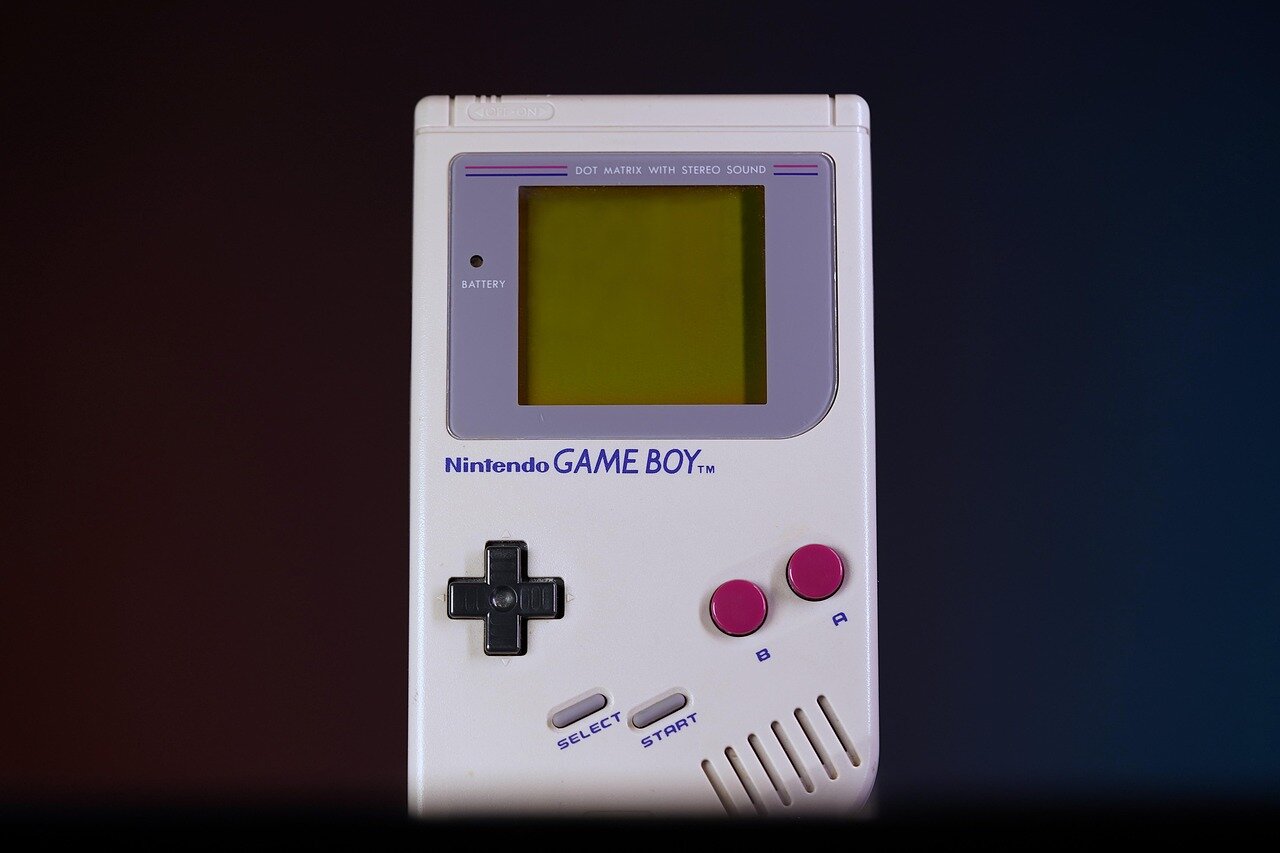
- Market Competition: Nintendo’s potential to lead in physical gaming could disrupt the current balance of power among major gaming companies.
- Consumer Trends: Growing demand for physical products may influence Nintendo’s strategy and product offerings.
- Regulatory Challenges: Compliance with evolving laws may create hurdles for all gaming companies, affecting their operational strategies.
- Technological Advancements: The shift towards cloud gaming and digital distribution could pose risks and opportunities for Nintendo.
- Economic Factors: Global economic conditions may impact consumer spending on gaming, influencing how stakeholders position themselves in the market.
In summary, the interplay between these stakeholders reveals a landscape fraught with both challenges and opportunities. As Nintendo navigates this environment, understanding the interests and influences of each group will be crucial in determining its future success in the gaming industry.
Who will be affected by Nintendo’s potential rise
The potential rise of Nintendo as a leader in the physical gaming market could have significant implications for various groups, industries, and regions. Primarily, gamers, retailers, and game developers stand to be directly impacted. As Nintendo solidifies its position, the dynamics of the gaming industry may shift, affecting how games are marketed, sold, and consumed.
In the short term, traditional retailers may experience a boost in sales as Nintendo’s popularity drives demand for physical games and consoles. This resurgence could lead to increased foot traffic in stores, benefiting not only gaming retailers but also ancillary businesses, such as electronics and entertainment outlets. However, this could also pose risks to digital gaming platforms, which may see a decline in sales as consumers gravitate towards physical copies.
In the mid-term, the gaming landscape may witness a transformation in business strategies. Developers might pivot towards creating exclusive titles for Nintendo platforms to capitalize on the brand’s resurgence. This could lead to a more competitive market where innovation is prioritized, resulting in a richer gaming experience for consumers. On the flip side, smaller developers may struggle to gain visibility in a market dominated by larger players, potentially stifling creativity and diversity.
- Increased retail sales: Boost for physical game retailers and related businesses.
- Shift in development focus: Potential for exclusive titles that enhance competition.
- Risks for digital platforms: Possible decline in digital game sales.
- Impact on smaller developers: Challenges in gaining market presence.
Regions with a strong gaming culture, such as North America and Japan, may see heightened interest in gaming events and conventions, further solidifying Nintendo’s influence. However, the global market may also experience disparities, with some areas lagging behind in access to physical gaming products, leading to unequal opportunities for gamers worldwide.
A: Nintendo has a strong brand loyalty and a unique lineup of games that appeal to a wide audience. With competitors facing challenges, Nintendo’s established presence could give it an edge. A: Nintendo must navigate shifting consumer preferences and the rise of digital gaming. Additionally, it needs to innovate while maintaining its classic gaming appeal. A: The decline of other physical gaming brands can create a vacuum that Nintendo may fill, allowing it to capture a larger market share and potentially redefine physical gaming. A: Emerging technologies can enhance the gaming experience, and if Nintendo adapts these innovations effectively, it could solidify its leadership in physical gaming.
Frequently asked questions about Nintendo’s position
Looking ahead at Nintendo’s future in gaming
Nintendo’s position in the gaming landscape is evolving, particularly as competitors face challenges in the physical gaming space. With the potential decline of traditional gaming formats, Nintendo stands to benefit from its established brand loyalty and innovative approach to hardware and software integration. As the industry shifts, Nintendo’s unique offerings may not only retain existing fans but also attract a new audience seeking accessible and engaging gaming experiences.
Monitoring Nintendo’s strategic moves will be crucial in understanding how it capitalizes on this opportunity. The company’s ability to adapt to changing consumer preferences and technological advancements will determine its success in inheriting the physical gaming crown.
- Watch for new hardware releases: Innovations in console design and features could redefine user engagement.
- Monitor software partnerships: Collaborations with third-party developers may expand Nintendo’s game library and appeal.
- Observe consumer trends: Understanding shifts in player demographics and preferences will be key to Nintendo’s strategy.
- Evaluate online services: Enhancements to online gaming and subscription models could solidify Nintendo’s market position.
- Consider global market dynamics: Expansion into emerging markets may present new growth opportunities for Nintendo.