


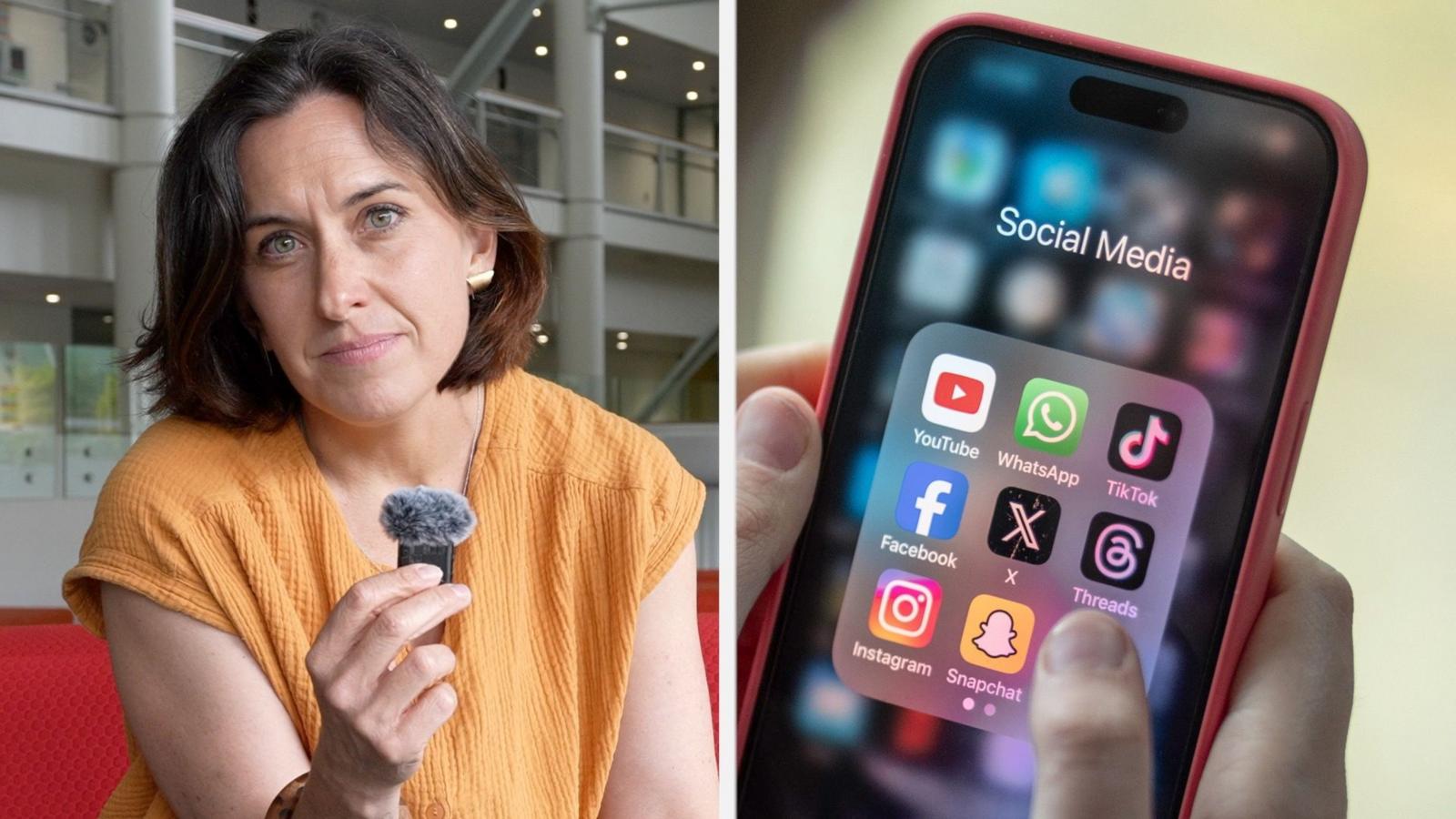
Key stakeholders, including technology companies and civil rights groups, have voiced their opinions on the matter. Major platforms such as Facebook and Twitter have expressed their concerns about the potential for overreach and the implications for user privacy. Meanwhile, advocacy groups argue that the ban is a necessary step to ensure accountability and promote a safer online environment. For a deeper understanding of the evolving regulations in Australia, check out the article on Australia’s beloved weather website undergoes a controversial redesign.
The implementation of the ban is set to begin in early November 2023, with the government outlining specific guidelines for compliance. Social media companies will be required to monitor and remove harmful content proactively, or face significant penalties. This timeline has raised questions about the feasibility of such measures and the potential impact on user engagement and platform viability. Stakeholders are keenly observing the situation, reflecting a broader trend seen in the F.D.A. seeking increased oversight of vaccine trials and approvals.

Public opinion on the ban remains divided, with some citizens supporting the initiative as a means to combat online toxicity, while others fear it could lead to censorship and a reduction in the diversity of viewpoints available online. As the situation develops, the effectiveness of the ban will be closely monitored, and its implications for the future of social media regulation in Australia will be a focal point of discussion.
Exploring the background and reasons behind the social media ban
The debate surrounding Australia’s social media ban is rooted in a complex interplay of historical, political, and social factors. Over the past decade, the rapid rise of social media platforms has transformed the way information is disseminated and consumed. While these platforms have provided unprecedented access to information and fostered connections, they have also been implicated in the spread of misinformation, cyberbullying, and harmful content, prompting governments worldwide to reconsider their regulatory frameworks.
In Australia, the government has faced increasing pressure to address the negative impacts of social media on public discourse and mental health. High-profile incidents, such as the Christchurch mosque shootings, which were livestreamed on social media, have highlighted the potential dangers of unregulated platforms. As a result, lawmakers have sought to implement measures that hold social media companies accountable for the content shared on their platforms, leading to discussions about potential bans or restrictions.
Key milestones in the regulatory landscape
Several key milestones have shaped the current regulatory landscape in Australia. In 2020, the Australian government introduced the News Media Bargaining Code, which aimed to ensure that news organizations were compensated for their content when used by platforms like Facebook and Google. This move marked a significant shift in the relationship between traditional media and social media giants, signaling a growing recognition of the need for regulation in the digital age. These developments echo ongoing discussions regarding the impacts of media regulations, similar to those surrounding the former Daily Mail editor Paul Dacre testifying in the Prince Harry trial.
Additionally, the Australian eSafety Commissioner has been proactive in addressing online safety issues, launching initiatives to combat cyberbullying and harmful content. These efforts reflect a broader societal concern regarding the impact of social media on mental health and well-being, particularly among young people. As these issues have gained prominence, the call for a comprehensive social media ban has emerged as a potential solution, raising questions about its effectiveness and implications for freedom of expression.
Analyzing the stakeholders and key issues surrounding the ban
The proposed social media ban in Australia has drawn attention from a diverse array of stakeholders, each with their own interests and concerns. Key actors include the Australian government, social media companies, civil society organizations, and the general public. Each group plays a crucial role in the ongoing debate about the effectiveness and implications of such a ban.
The Australian government, advocating for the ban, aims to address issues related to misinformation, cyberbullying, and the overall impact of social media on mental health. They argue that restricting access to certain platforms can mitigate these problems and protect citizens, particularly younger demographics. However, this approach raises questions about censorship and the potential infringement on individual freedoms.
On the other hand, social media companies like Facebook and Twitter have a vested interest in opposing the ban. They argue that such measures could stifle free speech and limit the ability of users to connect and share information. These companies also face economic implications, as a ban could disrupt advertising revenue and user engagement, ultimately affecting their bottom line.
- Public Opinion: The general public is divided, with some supporting the ban for safety reasons, while others view it as an overreach of government power.
- Legal Challenges: Potential legal issues may arise if the ban is seen as violating constitutional rights related to freedom of expression.
- Economic Impact: The ban could have significant repercussions for local businesses that rely on social media for marketing and customer engagement.
- International Relations: Australia’s stance could influence its relationships with other countries, particularly those with different views on digital freedoms.
In summary, the social media ban in Australia exemplifies a complex interplay of interests among various stakeholders. The potential conflicts and trade-offs highlight the challenges of balancing safety and freedom in an increasingly digital world.

Assessing the potential impact on users and the market
The proposed social media ban in Australia is set to affect a wide range of groups, including individual users, businesses, and content creators. With millions of Australians relying on social media for communication, information, and entertainment, the immediate impact could be significant. Users may find themselves cut off from their preferred platforms, leading to feelings of isolation and frustration.
Industries that heavily depend on social media for marketing and customer engagement, such as retail, hospitality, and entertainment, are likely to face challenges. The short-term effects could include a drop in sales and customer interaction, as businesses struggle to adapt to a new landscape without direct access to their audiences. Additionally, content creators and influencers may experience a loss of income as their primary channels for monetization are disrupted.
In the mid-term, the ban could reshape the digital marketing landscape in Australia. Companies may be forced to explore alternative advertising methods, which could lead to a resurgence of traditional media channels. However, this shift may also present opportunities for local platforms to emerge, filling the gap left by the absence of global social media giants.
- Risks: Decreased user engagement, loss of business revenue, and potential job losses in affected sectors.
- Opportunities: Growth of local platforms, increased investment in alternative marketing strategies, and potential innovation in digital communication.
Regions with a high concentration of businesses reliant on social media, such as urban centers, may feel the impact more acutely. Conversely, rural areas with less dependency on these platforms might adapt more easily, highlighting a digital divide that could influence future policy discussions. As the situation unfolds, it will be crucial to monitor how various stakeholders respond to these changes and the long-term implications for Australia’s digital landscape.
A: The main goal is to reduce misinformation and harmful content on social media platforms, aiming to create a safer online environment for users. A: Enforcement mechanisms are still under discussion, but it may involve penalties for platforms that fail to comply with new regulations. A: Users may face restrictions on accessing certain platforms, which could limit their ability to communicate and share information online. A: Yes, many critics argue that the ban could infringe on freedom of speech and limit public discourse. A: Several countries have considered or enacted social media regulations, including China and Russia, often citing similar concerns over misinformation.
Frequently asked questions about the social media ban
Key insights and future outlook on the social media ban
The potential effectiveness of Australia’s social media ban hinges on various factors, including user adaptability and the response from social media platforms. As the government aims to curb misinformation and promote safer online environments, the real challenge lies in monitoring compliance and assessing the long-term impacts on digital communication. Observing how users and businesses adjust to these restrictions will provide valuable insights into the ban’s overall success.
Furthermore, the reaction from international tech companies could shape the future landscape of social media regulation in Australia. Stakeholders must remain vigilant about emerging trends and shifts in public sentiment as the ban unfolds.
- User Adaptability: Watch how users transition to alternative platforms or communication methods in response to the ban.
- Platform Compliance: Monitor how social media companies react to the ban and whether they implement changes to their services in Australia.
- Impact on Misinformation: Assess whether the ban effectively reduces the spread of false information and enhances the quality of online discourse.
- Public Sentiment: Keep an eye on public opinion regarding the ban and its perceived effectiveness over time.
- Global Implications: Consider how Australia’s approach may influence other countries facing similar challenges with social media regulation.