


ChessFest will take place in a prominent location in the city, providing a vibrant atmosphere for attendees. With the growing popularity of chess, especially following the success of various online platforms and media portrayals, such as the journey of Taylor and Travis, this event comes at a time when interest in the game has surged significantly. The festival is expected to showcase not only competitive play but also the cultural aspects of chess.
Key figures in the chess community, including renowned players and educators, will be participating, offering insights and sharing experiences. This gathering is not just about competition; it also emphasizes community engagement and the importance of strategic thinking in everyday life. With numerous activities planned, attendees can expect a day filled with learning and enjoyment.
As the countdown to the event continues, organizers are preparing to ensure a seamless experience for all participants. The anticipated turnout reflects a broader trend of increased engagement with chess, signaling its relevance in today’s society. ChessFest represents a unique opportunity to bring together fans and newcomers alike, fostering a shared passion for this timeless game.
The significance of ChessFest in the chess community
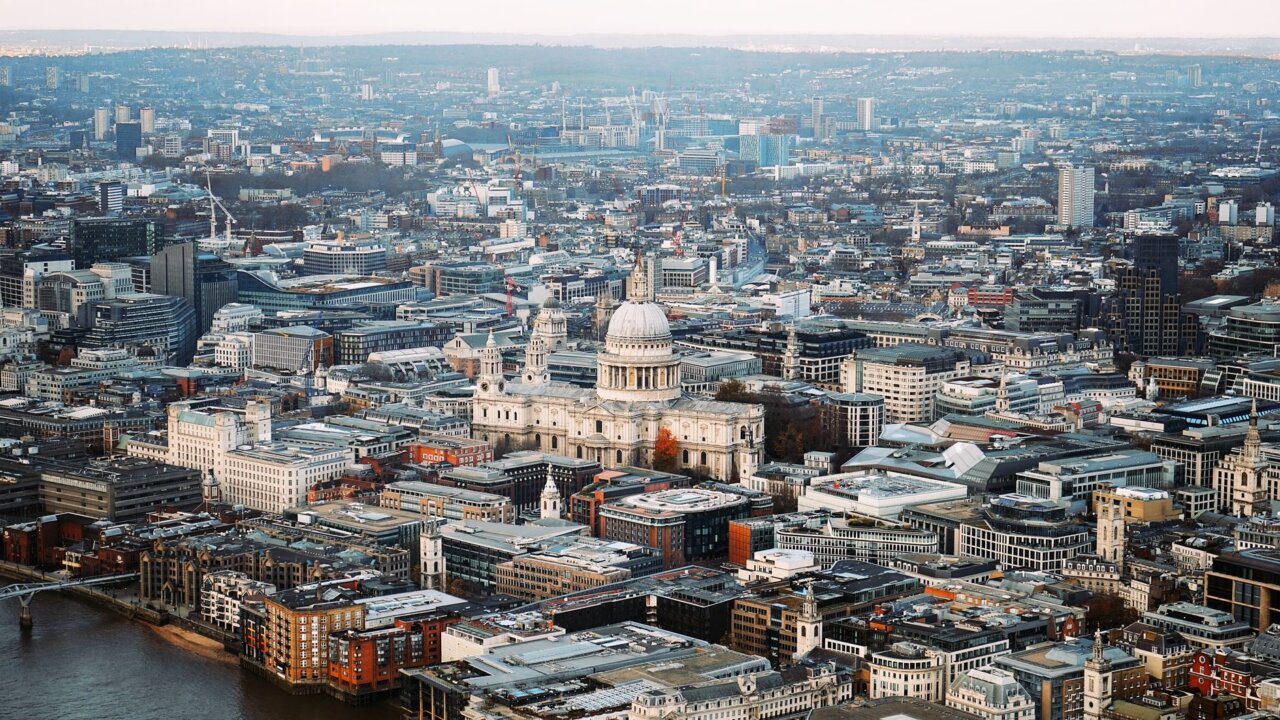
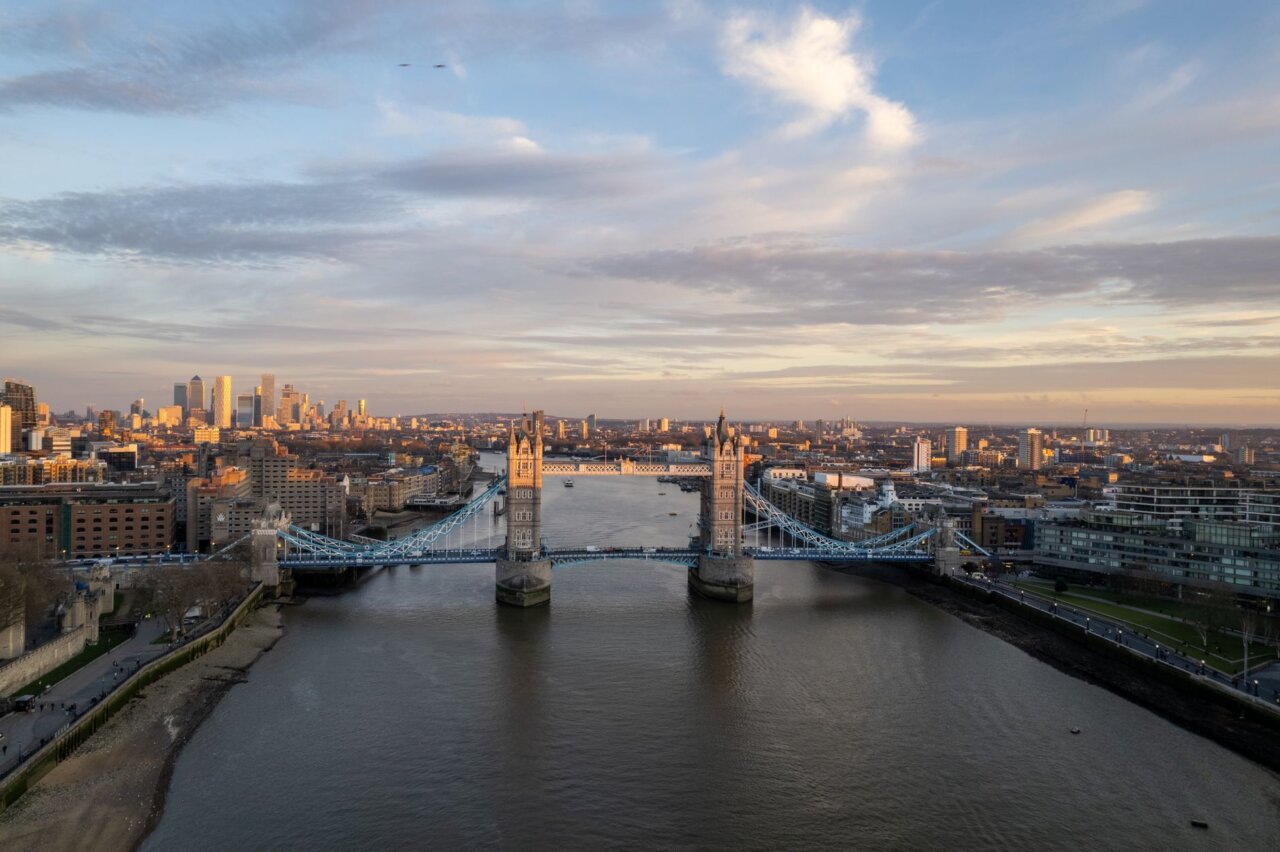
ChessFest, set to take place in London on 12th July, represents a significant milestone in the world of chess, highlighting the game’s resurgence in popularity across various demographics. This event is expected to draw around 25,000 fans, showcasing not only the competitive spirit of chess but also its cultural and social relevance in today’s society. The event underscores how chess has evolved from a pastime of the elite to a widely embraced activity enjoyed by people from all walks of life.
The roots of ChessFest can be traced back to the increasing interest in chess sparked by popular media, including the Netflix series “The Queen’s Gambit.” This series brought chess into the mainstream, inspiring a new generation of players and fans. Additionally, the global pandemic saw a surge in online chess playing, further catalyzing the growth of the chess community. As a result, events like ChessFest are crucial for fostering a sense of community and encouraging face-to-face interactions among enthusiasts, highlighting connections similar to those seen in celebrity events.
Historical Milestones in Chess
The history of chess events in London is rich and varied, with the city hosting numerous prestigious tournaments over the decades. Notable milestones include the 1851 London Tournament, which was the first international chess tournament and won by Adolf Anderssen. This event set the stage for competitive chess as we know it today. More recently, London has hosted the Chess World Cup and other significant competitions, cementing its status as a chess hub.
Moreover, the establishment of organizations such as the English Chess Federation has played a pivotal role in promoting chess at all levels, from grassroots initiatives to professional tournaments. ChessFest is a continuation of this legacy, aiming to bring together players, families, and fans to celebrate the game and its rich history.

As ChessFest approaches, it is clear that this event is not just a celebration of chess but also a reflection of the game’s enduring appeal and its ability to adapt to modern trends. The anticipated turnout of 25,000 fans is a testament to the community’s enthusiasm and the growing recognition of chess as a vital cultural activity.
Key stakeholders and their roles in ChessFest
ChessFest, scheduled for 12th July in London, is set to attract approximately 25,000 fans, making it a significant event in the chess community. The key stakeholders involved include event organizers, local government, sponsors, and the chess community itself. Each of these stakeholders has distinct interests that shape the event’s execution and its broader impact.
The event organizers, likely comprising chess federations and private companies, aim to create a successful and profitable festival that promotes chess culture. Their interests include maximizing attendance, securing sponsorships, and providing an engaging experience for participants and spectators. They are also responsible for ensuring the event adheres to safety regulations and logistical requirements.
Local government entities play a crucial role in facilitating the event. They are interested in the economic benefits that ChessFest could bring to the city, such as increased tourism and local business revenues. However, they must also consider the challenges of managing large crowds, potential disruptions, and public safety concerns. Balancing these interests can lead to conflicts, especially if resources are stretched or public sentiment is divided, similar to the challenges faced during large-scale gatherings like the Taylor Swift and Travis Kelce wedding.
Sponsors, ranging from chess equipment manufacturers to local businesses, have a vested interest in promoting their brands during the event. Their involvement can provide essential funding and resources, but it also raises questions about commercial influence on the event’s integrity. The trade-off here involves ensuring that sponsorship does not overshadow the core values of chess as a sport and community activity.
- Potential conflicts between event organizers and local government over resource allocation.
- Economic trade-offs for local businesses versus the costs of hosting such a large-scale event.
- Legal considerations regarding permits and safety regulations that must be adhered to.
- Balancing commercial interests of sponsors with the need for an authentic chess experience.
- Community engagement and the role of local chess clubs in the event’s success.
The potential impact of ChessFest on local businesses
ChessFest, scheduled for 12th July in London, is set to attract around 25,000 fans, creating a significant impact on various sectors. Local businesses, particularly in hospitality, retail, and tourism, are likely to experience a surge in activity as chess enthusiasts flock to the event. Restaurants, cafes, and hotels in the vicinity can expect increased patronage, contributing positively to their bottom line.
In the short term, the influx of visitors will likely lead to heightened sales for local shops and services. This can provide a much-needed boost to businesses that have faced challenges in recent years. Additionally, the event may encourage other local events and festivals, fostering a vibrant community atmosphere.
However, the event also presents certain risks. The potential for overcrowding and logistical challenges could strain local infrastructure and services. Traffic congestion and limited public transport availability may lead to dissatisfaction among residents and visitors alike. Moreover, businesses that are unprepared for the sudden influx may miss out on opportunities.
In the mid-term, the visibility brought by ChessFest could enhance London’s reputation as a hub for chess and intellectual pursuits. This may lead to increased interest in chess-related activities and events, potentially benefiting educational institutions and chess clubs. Furthermore, the event could inspire policy discussions around promoting sports and intellectual games in schools, fostering a culture of strategic thinking.
- Increased sales for local businesses
- Potential for overcrowding and infrastructure strain
- Enhanced visibility for London as a chess hub
- Opportunities for future events and festivals
- Policy discussions on promoting chess in education
A: ChessFest is a large-scale event celebrating chess, featuring games, exhibitions, and activities for fans of all ages. A: ChessFest will take place at a central location in London, accessible to attendees from various parts of the city. A: Tickets for ChessFest can be purchased online through the official website or at the venue on the day of the event. A: Yes, ChessFest will include a variety of activities specifically designed for children, including workshops and games. A: ChessFest is scheduled to start in the morning and will run throughout the day, concluding in the evening.
Frequently asked questions about ChessFest
Looking ahead to ChessFest and its implications
The upcoming ChessFest in London on July 12th is poised to be a significant event, drawing an impressive crowd of 25,000 chess enthusiasts. This gathering not only highlights the growing popularity of chess but also reflects broader cultural trends where strategic games are gaining traction in mainstream entertainment. As the event unfolds, it will serve as a litmus test for the future of chess-related activities and their potential to engage diverse audiences.
In the wake of ChessFest, stakeholders in the chess community, from educators to event organizers, will need to consider how to capitalize on this momentum. The festival may also inspire similar events in other cities, potentially leading to a renaissance of interest in chess, both as a competitive sport and a social pastime.
- Monitor the engagement levels of various demographics to understand chess’s appeal across age groups.
- Evaluate the effectiveness of live events in promoting chess education and community building.
- Consider the potential for increased sponsorship and media coverage as chess gains popularity.
- Watch for innovative formats and technologies that could enhance the spectator experience at future chess events.
- Assess how ChessFest influences local chess clubs and initiatives in fostering new talent.