


In 2023, the Tamil Nadu government announced a comprehensive plan to renovate and maintain several historic temples, allocating approximately ₹500 crore for these initiatives. This funding aims to address the deterioration of temple infrastructure and ensure that these sites continue to serve their communities, as highlighted in the exploration of community engagement. Local activists and historians have welcomed this move, emphasizing the need for sustainable practices in temple management.
However, the preservation efforts are not without challenges. Issues such as encroachment, pollution, and neglect threaten the integrity of these sacred spaces. Community engagement and awareness campaigns are being organized to educate the public about the importance of protecting these cultural landmarks, ensuring they remain vibrant parts of Tamil Nadu’s identity.
Moreover, the temples are increasingly becoming focal points for tourism, drawing visitors from across India and the globe. This influx presents both opportunities and challenges, as the need for infrastructure to support tourism must be balanced with the preservation of the temples’ sanctity, akin to the demands of modern investment efforts. As local economies benefit from this interest, stakeholders are urged to prioritize the temples’ historical and cultural significance in their development plans.
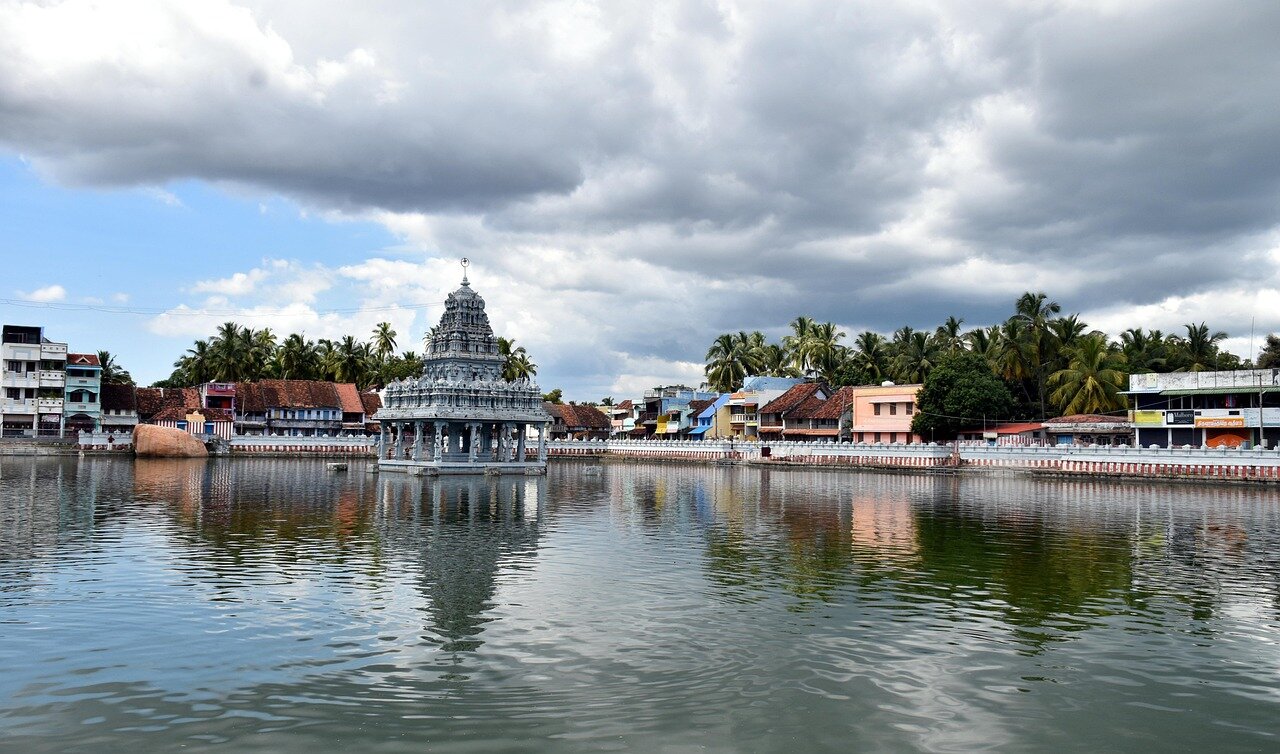
The Historical Background of Temples in Tamil Nadu
Tamil Nadu, a state in southern India, is renowned for its rich cultural heritage and historical significance, particularly through its ancient temples. These temples are not merely places of worship; they are architectural marvels that reflect the socio-political and economic fabric of the region over centuries. The origins of these temples can be traced back to the early Tamil dynasties, such as the Cholas, Pandyas, and Pallavas, who constructed grand edifices that served as centers of power and devotion.
During the reign of the Chola dynasty from the 9th to the 13th centuries, temple architecture reached its zenith. The Brihadeeswarar Temple in Thanjavur, a UNESCO World Heritage site, exemplifies the grandeur of Chola architecture, showcasing intricate sculptures and vast courtyards, reminiscent of the intricate storytelling found in drama and entertainment. Temples during this period were not only religious centers but also hubs of economic activity, facilitating trade and agriculture, thus contributing to the prosperity of the region.
Political Significance of Temples
The political history of Tamil Nadu is inextricably linked to its temples. Rulers often used temple construction as a means to legitimize their authority and foster loyalty among their subjects. The temples served as symbols of power, and the patronage of these structures was a demonstration of a ruler’s wealth and commitment to the divine. This intertwining of politics and religion has shaped the social dynamics in Tamil Nadu, where temples continue to play a crucial role in community identity and governance.
In the modern era, the temples of Tamil Nadu have also become focal points for tourism and economic development. The influx of visitors seeking spiritual solace and cultural enrichment has led to the establishment of various support services, benefiting local economies. Furthermore, the preservation and restoration efforts for these ancient sites have garnered attention, emphasizing their importance not only as religious institutions but also as vital components of Tamil Nadu’s cultural heritage.
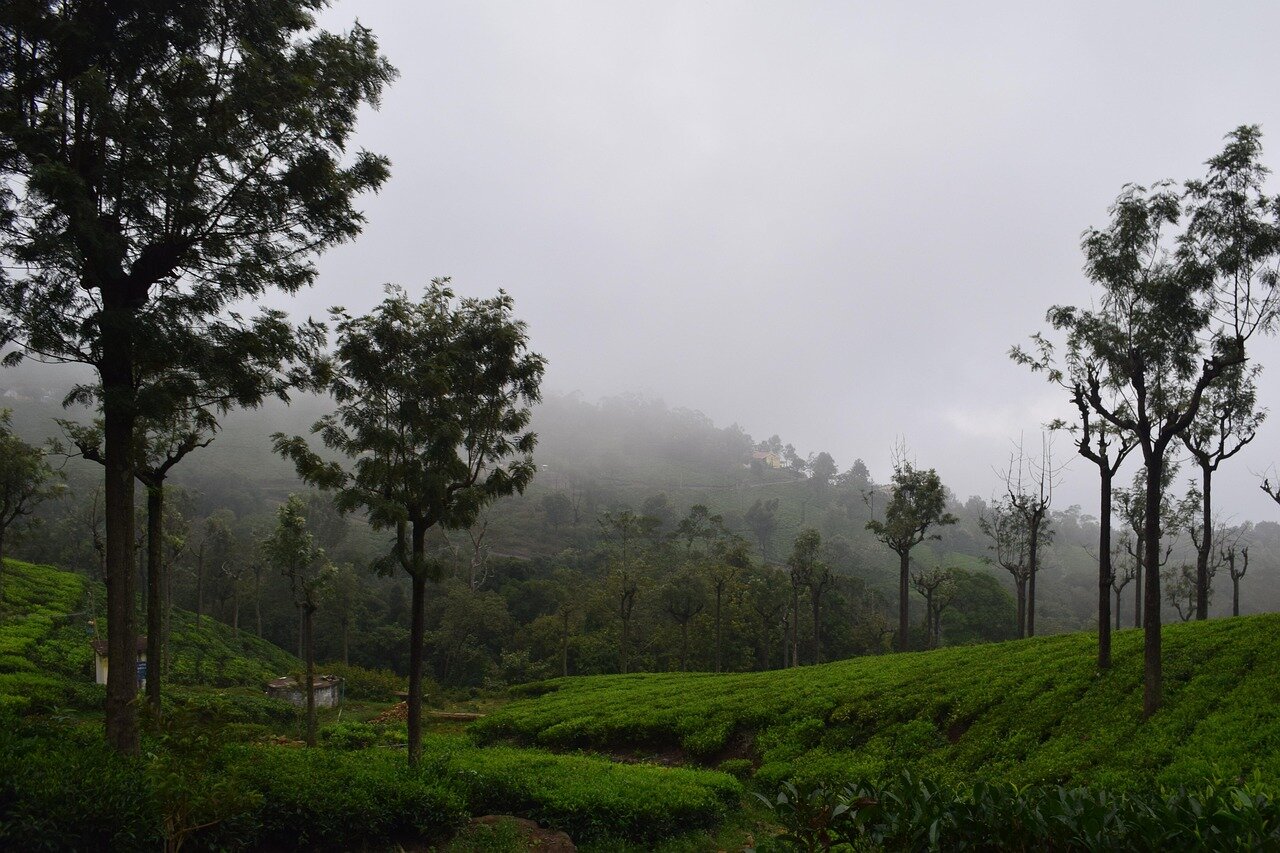
As the state continues to evolve, the legacy of its ancient temples endures, serving as a testament to the rich history and vibrant culture of South India. The ongoing reverence for these sites underscores their role as the soul of Tamil Nadu, bridging the past with the present and shaping the future of the region.
Key Issues Surrounding the Preservation of Ancient Temples
The preservation of ancient temples in Tamil Nadu involves a complex interplay of various stakeholders, including government bodies, local communities, religious organizations, and conservationists. Each of these actors has distinct interests that can sometimes conflict with one another, leading to challenges in maintaining the integrity and cultural significance of these historical sites.
One of the primary stakeholders is the Tamil Nadu government, which is responsible for the maintenance and regulation of these temples. Their interest lies in promoting tourism and cultural heritage, which can drive economic growth. However, this often leads to tensions with local communities who may feel that their spiritual practices and traditions are being overshadowed by commercial interests.
Religious organizations play a significant role in the management of temple activities and rituals. They advocate for the preservation of traditional practices and the sanctity of these sites. Conflicts arise when modernization efforts, such as infrastructure development around temples, threaten to alter the historical landscape or disrupt religious observances.
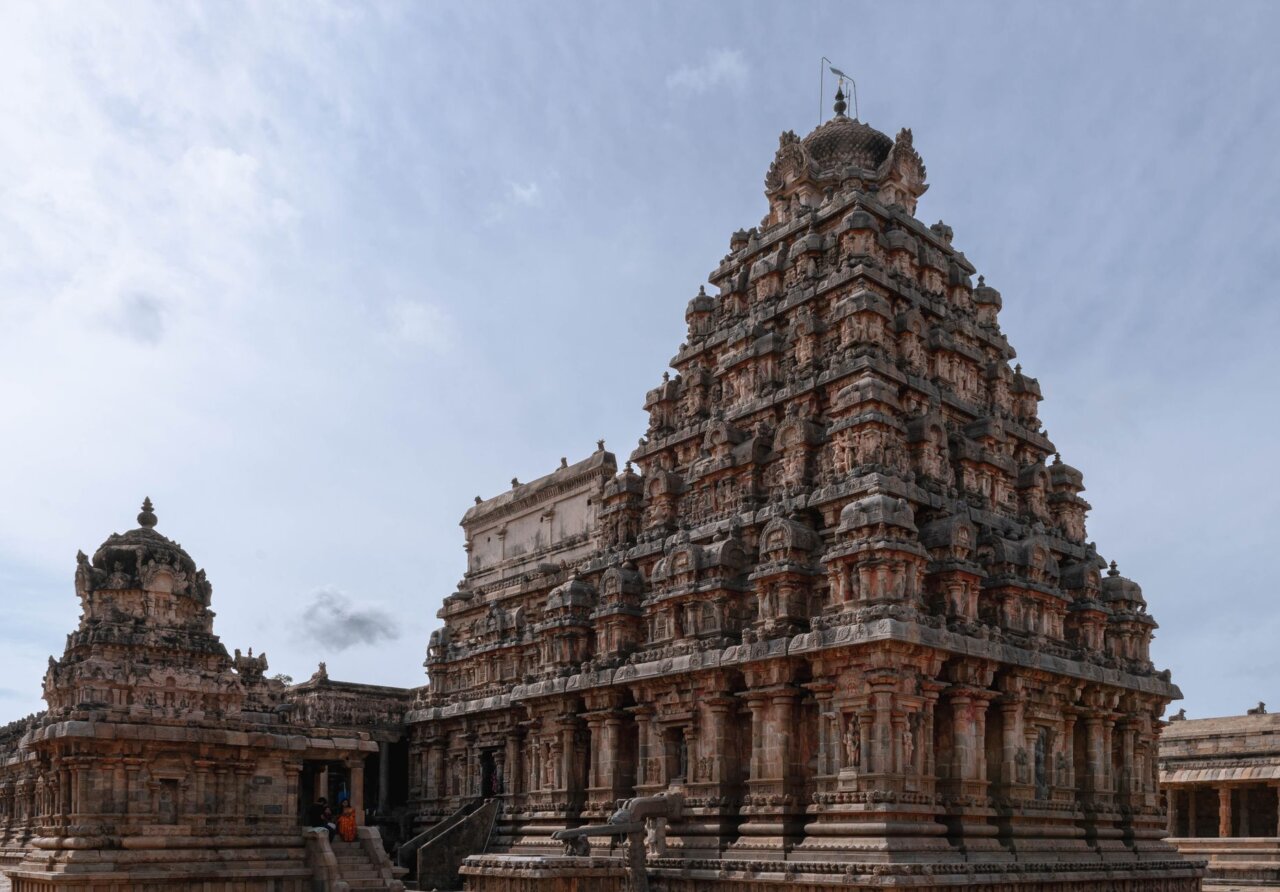
- Economic Interests: The potential for tourism revenue can clash with the need for authentic cultural preservation.
- Legal Challenges: Land ownership disputes and regulatory frameworks can complicate preservation efforts.
- Community Engagement: Ensuring local voices are heard in decision-making processes is crucial but often overlooked.
- Environmental Concerns: Development projects may pose risks to the ecological integrity of temple surroundings.
- Heritage vs. Modernization: Balancing the need for modernization with the preservation of ancient architecture remains a contentious issue.
Conservationists and heritage activists also play a pivotal role in advocating for the protection of these sites. Their interests often align with preserving the historical and architectural significance of the temples, yet they face challenges in garnering support from both the government and local populations, who may prioritize immediate economic benefits over long-term preservation.
The Impact of Temples on Local Communities and Tourism
Tamil Nadu’s ancient temples are not just places of worship; they are pivotal to the identity and economy of the region. Various groups, including local artisans, merchants, and tour operators, are directly affected by the vibrancy of temple culture. The temples attract millions of devotees and tourists each year, creating a ripple effect that influences multiple sectors.
In the short term, the influx of visitors boosts local businesses, particularly in the hospitality and retail sectors. Restaurants, hotels, and shops that cater to tourists often see increased patronage during festival seasons and special religious events. This surge in activity can lead to a temporary spike in employment opportunities, as businesses hire additional staff to accommodate the crowds.
Mid-term impacts are more complex, as they involve the sustainability of tourism and the preservation of cultural heritage. While the economic benefits are significant, there are risks associated with over-commercialization and potential neglect of the temples’ historical significance. If not managed properly, the very essence of these sacred sites could be undermined, leading to a decline in visitor interest over time.

However, there are also opportunities for local communities to enhance their cultural tourism offerings. By promoting responsible tourism practices, communities can ensure that the temples remain vibrant and relevant. This can include guided tours that educate visitors about the history and significance of the temples, as well as workshops that showcase traditional crafts and skills.
- Economic Growth: Increased revenue for local businesses and job creation.
- Cultural Preservation: Opportunities to promote and preserve traditional arts and crafts.
- Community Engagement: Strengthened local identity and community pride through active participation in temple activities.
- Policy Development: Potential for government policies to support sustainable tourism initiatives.
A: Tamil Nadu’s temples are renowned for their intricate architecture, vibrant sculptures, and rich history, making them unique cultural landmarks. A: These temples play a vital role in local traditions, festivals, and daily life, serving as centers for community gatherings and spiritual practices. A: Yes, various governmental and non-governmental organizations are actively involved in preserving and restoring these ancient structures to maintain their historical significance. A: Temple festivals in Tamil Nadu are significant cultural events that attract thousands of visitors, showcasing traditional music, dance, and rituals. A: The temples are major tourist attractions, drawing visitors from around the world, which significantly boosts the local economy and promotes cultural exchange.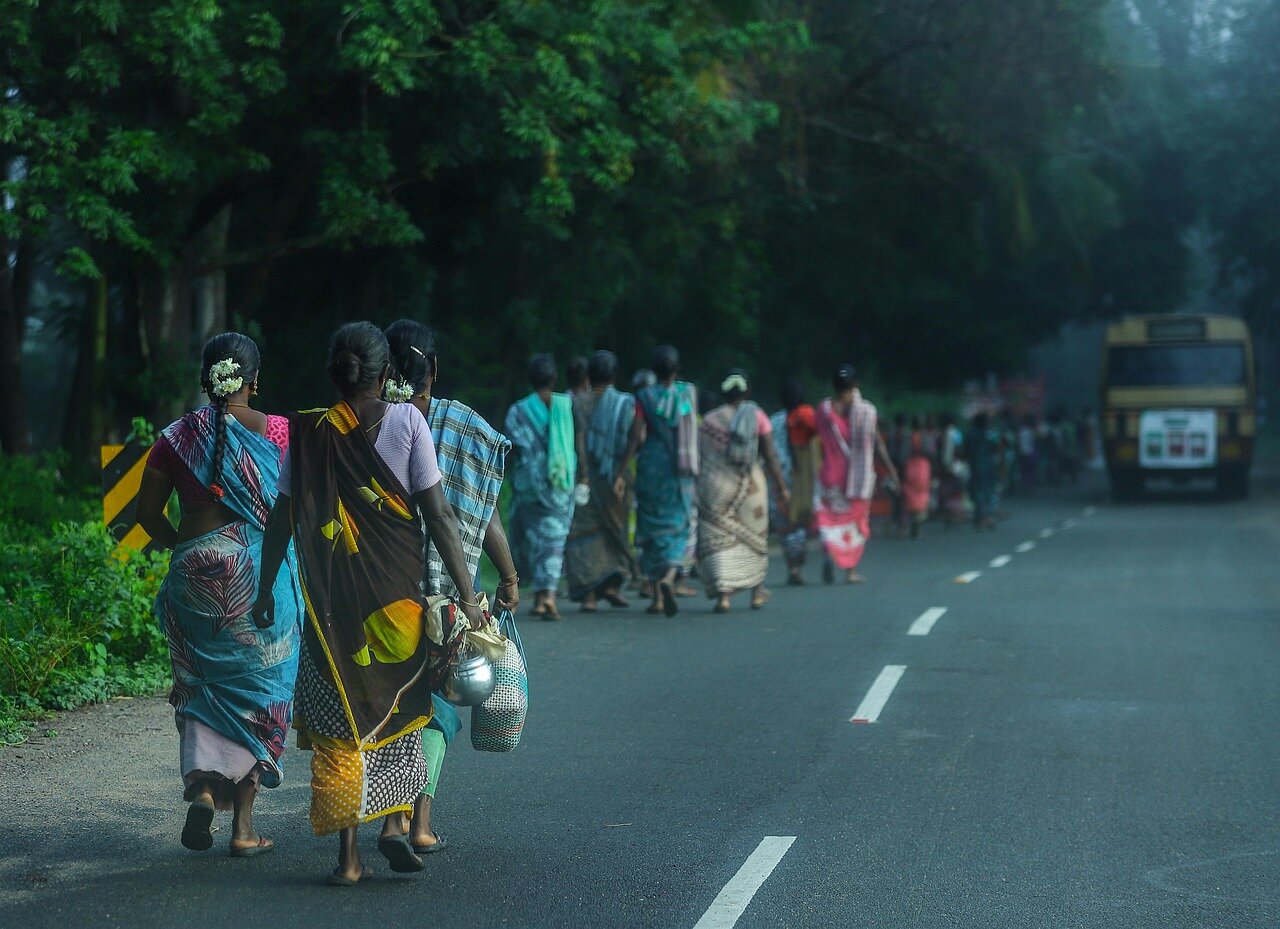
Frequently Asked Questions About Tamil Nadu’s Temples
Key Insights and Future Prospects for Tamil Nadu’s Temples
Tamil Nadu’s ancient temples are not merely places of worship; they are vibrant cultural hubs that encapsulate the region’s rich history and artistry. As custodians of tradition, these temples offer invaluable insights into the socio-economic fabric of South India, influencing everything from tourism to local craftsmanship. The continued preservation and promotion of these sacred sites will be crucial in maintaining their relevance in a rapidly modernizing world.
Looking ahead, stakeholders must balance the preservation of these historical treasures with the demands of contemporary society. This includes leveraging technology for conservation efforts while fostering community engagement to ensure these temples remain central to Tamil Nadu’s identity.
- Cultural Tourism Growth: Expect an increase in cultural tourism initiatives aimed at showcasing the architectural and historical significance of Tamil Nadu’s temples.
- Community Involvement: Local communities may play an increasingly active role in temple management and preservation, fostering a sense of ownership and pride.
- Technological Integration: The adoption of digital tools for restoration and visitor engagement could enhance the visitor experience and broaden access to temple histories.
- Interfaith Dialogue: Temples may serve as platforms for interfaith discussions, promoting harmony and understanding among diverse religious communities.
- Environmental Sustainability: Future conservation efforts will likely incorporate sustainable practices, ensuring that the temples coexist harmoniously with their natural surroundings.