


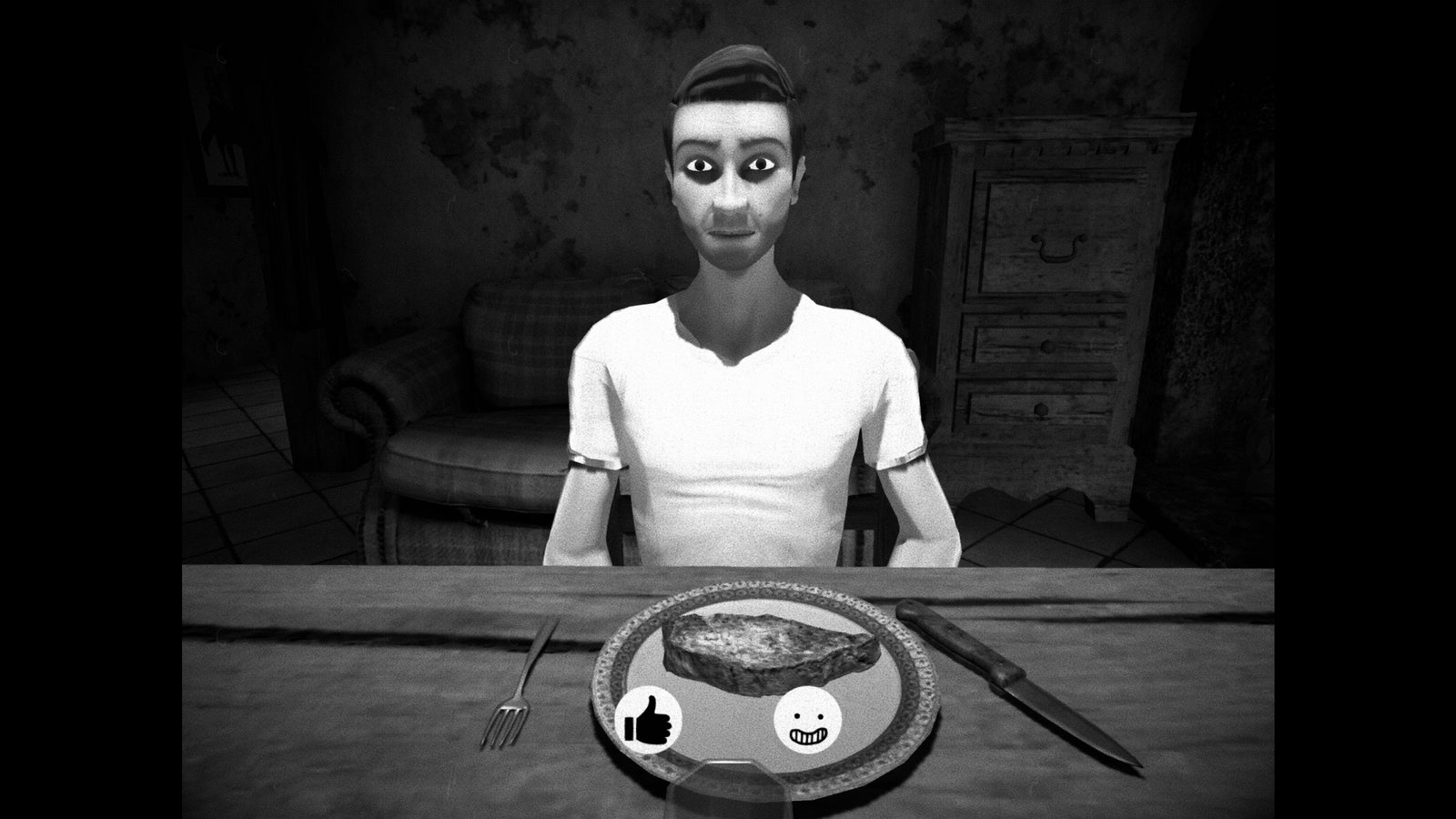
The situation escalated on October 15, 2023, when Valve informed Santa Ragione that their game did not meet the platform’s guidelines. The specific reasons for the block have not been publicly disclosed, leaving the developer in a precarious position as they seek clarity and potential resolution. This event has drawn attention to broader issues in game distribution.
Founded in 2011, Santa Ragione is known for its innovative titles and has garnered a dedicated following. The potential closure of the studio would not only impact its employees but also the gaming landscape, as it highlights the challenges faced by indie developers in navigating platform regulations.
The developer has expressed its disappointment and is currently exploring alternative options for releasing their game. As the situation develops, many in the gaming community are watching closely, emphasizing the importance of fair treatment for independent creators in the industry.
Understanding the situation surrounding Valve and game distribution
The recent announcement by developer Santa Ragione regarding the potential closure of their studio has brought significant attention to the ongoing complexities of digital game distribution. The catalyst for this situation stems from Valve’s decision to block Santa Ragione’s game from being listed on its popular platform, Steam. This incident highlights the broader issues of platform control, developer autonomy, and the economic realities of game publishing in a highly competitive market.

Historically, Valve has maintained a dominant position in the digital distribution of video games since the launch of Steam in 2003. The platform has become a critical avenue for independent developers to reach audiences worldwide. However, as the industry has evolved, so too have the challenges faced by developers. Issues such as content moderation, platform policies, and revenue sharing have led to tensions between developers and distribution platforms.
Santa Ragione, known for their unique titles that often push creative boundaries, has faced hurdles that are not uncommon for indie developers. The decision by Valve to block their game raises questions about the criteria used for such actions and the implications for developers who may not conform to mainstream expectations. This scenario is reminiscent of previous controversies where other indie developers have faced similar challenges, often leading to public outcry and debates about freedom of expression in gaming.
The economic impact of platform decisions
The economic ramifications of Valve’s decision could be profound, not only for Santa Ragione but for the indie game development community at large. With many developers relying on platforms like Steam for visibility and sales, a single decision can jeopardize their financial viability. The situation underscores the precarious nature of indie development, where success can hinge on the whims of a platform’s policies, prompting calls for more transparent and fair distribution practices across the industry.
Examining the implications of Valve’s decision on developers
The recent decision by Valve to block Santa Ragione’s game from its Steam platform has sent ripples through the gaming community, raising concerns among developers, players, and industry stakeholders. This situation highlights the complex interplay between platform holders and independent developers, particularly in an era where digital distribution is paramount.
At the forefront of this issue are the developers at Santa Ragione, who are advocating for their creative freedom and the right to distribute their work. Their interests lie in ensuring that their game reaches its target audience without unnecessary barriers imposed by platform policies. On the other hand, Valve, as a major player in the gaming industry, has its own interests in maintaining control over the content available on its platform, which it argues is necessary for quality assurance and compliance with legal standards.

This conflict presents several key issues that merit further examination:
- Content Moderation: Valve’s decision to block the game raises questions about the criteria used for content moderation and the transparency of such processes.
- Economic Implications: For Santa Ragione, the inability to launch on Steam could lead to significant financial losses, affecting not only the studio but also the broader ecosystem of indie developers.
- Legal Considerations: The situation may lead to legal challenges regarding intellectual property rights and contractual obligations, as developers navigate the complexities of platform agreements.
- Market Dynamics: This incident could shift the balance of power in the gaming market, encouraging developers to seek alternative distribution channels or platforms.
As the situation unfolds, it is essential to consider the broader implications of Valve’s actions not only for Santa Ragione but for the indie game development community as a whole. The outcomes of this case may set precedents that influence how platforms interact with developers in the future, potentially redefining the landscape of digital game distribution. Such developments are critical, especially in an environment where platform policies continue to evolve.
The impact on the gaming industry and affected stakeholders
The recent claim by Developer Santa Ragione regarding the potential closure of their studio after Valve blocked their game from Steam has sent shockwaves through the gaming industry. This situation primarily affects independent game developers, gamers, and platform holders like Valve. The ripple effects could extend to various stakeholders, including investors, publishers, and even local economies that thrive on gaming events and related activities.
In the short term, the immediate impact is likely to be felt by the employees of Santa Ragione, who may face job insecurity and financial instability. The gaming community could also experience a loss of a unique title, which can diminish the diversity of available games. Furthermore, this incident may prompt other developers to reconsider their reliance on major platforms, leading to a potential shift in the industry landscape.
In the mid-term, the situation could influence business strategies across the gaming sector. Developers might explore alternative distribution channels, such as self-publishing or utilizing emerging platforms, to mitigate the risks associated with dependency on a single entity like Steam. This could foster innovation and encourage more diverse gaming experiences, but it may also lead to increased fragmentation in the market.

- Job Losses: Employees at Santa Ragione may face layoffs or reduced job security.
- Market Dynamics: Potential shift towards alternative distribution methods by indie developers.
- Community Impact: Gamers may lose access to unique titles, affecting overall gaming diversity.
- Investor Sentiment: Investors may become wary of funding projects that rely heavily on major platforms.
While the risks are significant, there are also potential opportunities. The situation may encourage the rise of new platforms that prioritize indie developers, fostering a more inclusive gaming ecosystem. Additionally, the incident could galvanize community support for Santa Ragione, leading to crowdfunding efforts or partnerships that could help the studio survive and thrive in a challenging environment.
A: Valve has not publicly disclosed the specific reasons for blocking the game, but it may relate to policy violations or content concerns. A: If the situation does not improve, Santa Ragione may face financial difficulties, potentially leading to closure. A: This incident raises concerns among indie developers about their reliance on platforms like Steam and the risks associated with content moderation. A: Yes, Santa Ragione could potentially appeal Valve’s decision, but the process and outcome are uncertain. A: If they close, Santa Ragione might explore crowdfunding, partnerships, or self-publishing on other platforms.
Frequently asked questions about the situation
Key takeaways and future outlook for Santa Ragione
The recent decision by Valve to block Santa Ragione’s game from Steam has raised significant concerns about the future of the developer. This move not only impacts the company’s immediate revenue but also poses broader questions about the distribution landscape for indie developers. As the gaming industry continues to evolve, the implications of such decisions may resonate far beyond this singular case.
Looking ahead, the situation underscores the need for developers to diversify their distribution channels and explore alternative platforms. The challenges faced by Santa Ragione may serve as a cautionary tale for other indie studios, highlighting the importance of building a robust presence outside of major platforms like Steam.
- Developers should consider multiple distribution avenues to mitigate risks associated with platform dependency.
- Monitoring industry trends and platform policies will be crucial for developers to adapt and thrive.
- Engaging with the gaming community and building a loyal fanbase can provide support during challenging times.
- Exploring crowdfunding or direct sales models may offer financial stability and creative freedom.
- Staying informed about legal implications and rights regarding game distribution is essential for protecting developer interests.