


The video features a digitally altered version of Trump in a white coat, humorously diagnosing critics who oppose him. This creative use of technology comes amid a heated political climate as Trump continues to campaign for the 2024 presidential election, making the timing of the video particularly significant. This trend in media manipulation can be better understood by examining how it relates to current technological advances.
Critics have raised concerns about the potential for misinformation and the ethical implications of using AI to manipulate public perception. As AI technology becomes more prevalent in media, this incident highlights the need for critical engagement and awareness among viewers regarding the authenticity of online content.
Supporters of Trump, on the other hand, view the video as a clever and entertaining way to counteract negative narratives surrounding his presidency. This divide reflects broader trends in political communication, where social media and AI tools are increasingly leveraged to shape public discourse.
Understanding the origins of ‘derangement syndrome’
The term “derangement syndrome” has its roots in the political discourse surrounding former President Donald Trump. It is often used by Trump and his supporters to describe what they perceive as irrational or extreme criticism from his opponents. This phrase gained traction during his presidency, particularly in relation to the intense scrutiny and backlash he faced from various political factions, media outlets, and public figures.
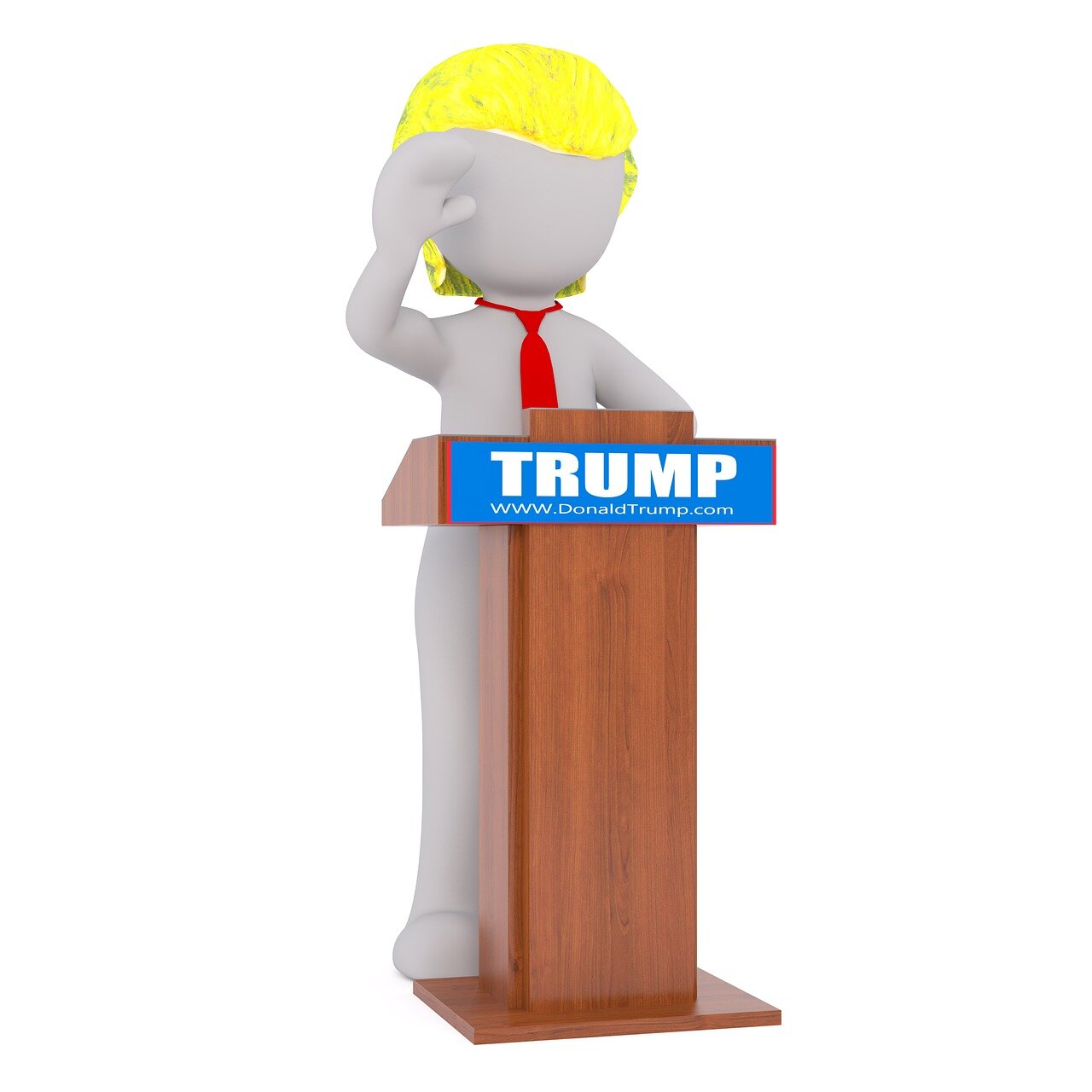
Historically, the concept of a “syndrome” has been invoked in political contexts to suggest that a group of people is suffering from a collective delusion. In Trump’s case, the term has been employed to dismiss dissenting opinions and to frame criticism as a psychological ailment rather than a legitimate political stance. This tactic reflects a broader trend in contemporary politics where labeling opponents can serve to delegitimize their arguments.
The rise of political rhetoric in the digital age
With the advent of social media, political rhetoric has evolved significantly. The rapid spread of information and memes has allowed for phrases like “derangement syndrome” to gain popularity and become part of the political lexicon. Trump’s use of AI-generated videos, such as the recent one depicting himself as a doctor treating critics, exemplifies this trend, showcasing how digital tools can be leveraged to create engaging narratives that resonate with supporters while mocking opponents.
Moreover, this phenomenon underscores the polarization within American politics, where individuals increasingly align with media that reinforces their beliefs. The use of humor and satire, particularly through AI technology, serves not only as a means of entertainment but also as a strategy to galvanize support and draw attention to perceived injustices against Trump and his administration.
As Trump’s influence persists in the political arena, the concept of “derangement syndrome” continues to evolve, reflecting the ongoing battles between differing ideologies. This situation highlights the intersection of technology, politics, and social dynamics, illustrating how language and imagery can shape public perception and discourse in profound ways.
Examining the implications of Trump’s portrayal
The recent video posted by Donald Trump, depicting himself as a doctor treating critics for what he terms ‘derangement syndrome’, raises significant questions about the stakeholders involved and the broader implications of such portrayals in political discourse. This scenario includes various actors, such as Trump himself, his supporters, critics, and the media, each with distinct interests and reactions to the content.

Trump’s portrayal serves to solidify his base by framing his critics as irrational and in need of ‘treatment’. This strategy appeals to his supporters, who may feel validated by the depiction of dissenters as suffering from a mental ailment. The video also seeks to divert attention from ongoing legal challenges he faces, thereby reinforcing his narrative of being a victim of political persecution.
On the other hand, critics of Trump, including political opponents and mental health professionals, may view this portrayal as trivializing mental health issues. They argue that such depictions can contribute to stigma and misunderstanding surrounding mental health, which is a critical societal issue. This conflict highlights the trade-off between political expression and the potential harm caused by misrepresenting mental health conditions.
- Public Perception: The video may influence public perception of mental health, potentially leading to increased stigma.
- Political Strategy: Trump’s approach could be seen as a tactic to rally his base while dismissing legitimate criticisms.
- Media Responsibility: The media’s role in covering such portrayals raises questions about the ethics of sensationalism.
- Legal Implications: Potential legal ramifications may arise if the content is deemed defamatory or inciting harm.
- Social Media Impact: The role of social media in amplifying such messages poses challenges for regulating harmful content.
In summary, the interplay between these stakeholders reveals a complex landscape where political messaging intersects with critical social issues, necessitating a careful examination of the implications of such portrayals in public discourse.
Reactions from supporters and critics alike
The recent AI-generated video of Donald Trump portraying a doctor treating critics’ ‘derangement syndrome’ has sparked varied reactions across different demographics. Supporters of Trump see this as a clever use of technology to mock opponents, while critics view it as a troubling example of misinformation and manipulation. The impact of this video extends beyond political discourse, affecting various groups and industries.
One of the most affected groups includes political analysts and commentators, who will likely see an increase in discussions surrounding the ethical implications of AI in media. This could lead to a rise in demand for experts in digital ethics and media literacy, as audiences seek to understand the authenticity of content in an era where AI can easily create convincing fabrications.
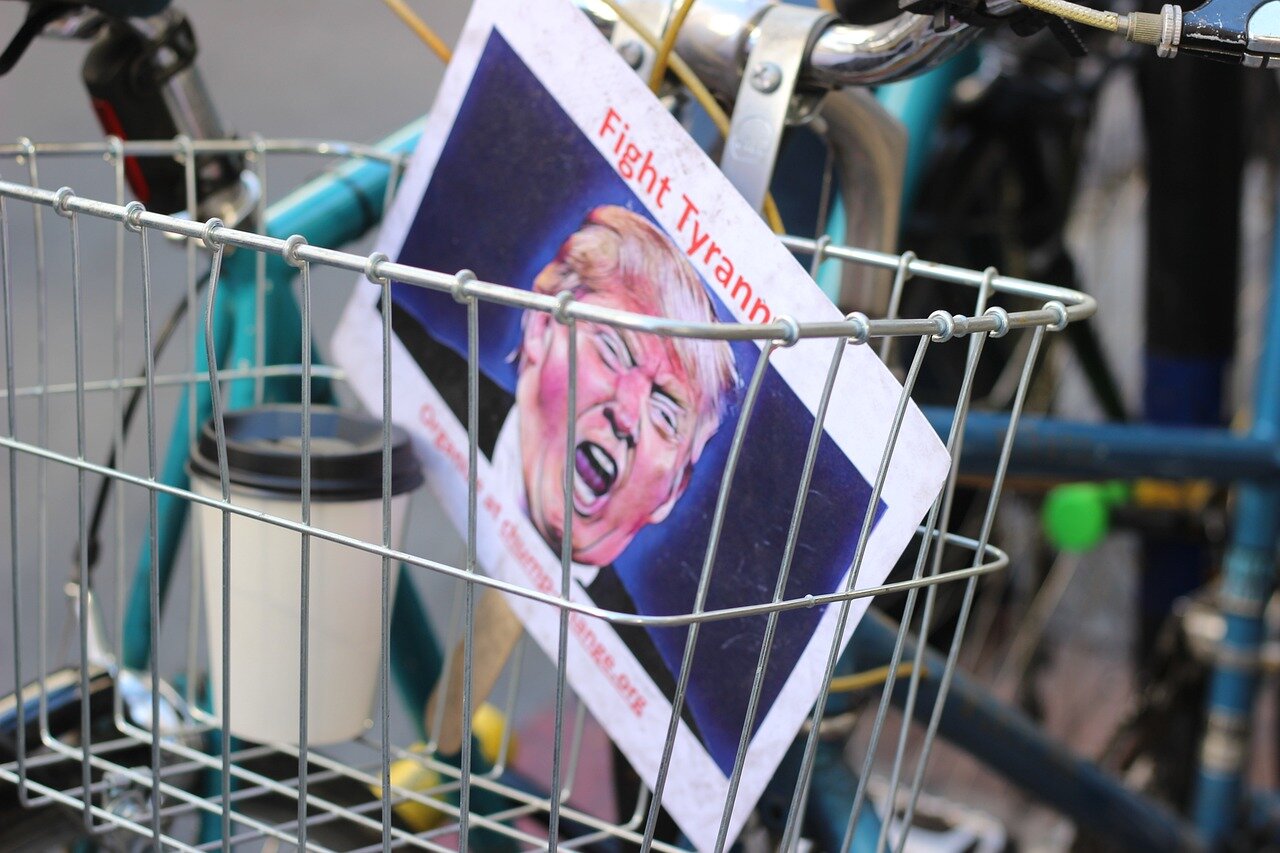
In the short term, businesses involved in digital marketing and social media may experience a surge in engagement, as users share and debate the video across platforms. This could lead to increased advertising revenue for social media companies, while also prompting businesses to reassess their strategies for dealing with misinformation and AI-generated content.
- Short-term impact: Increased engagement on social media platforms.
- Mid-term impact: Greater demand for media literacy programs and digital ethics training.
- Risks: Potential for further polarization in political discourse.
- Opportunities: Growth in sectors focused on combating misinformation.
Regions with high political engagement, particularly swing states, may see intensified discussions around the implications of such AI content on voter perception and behavior. This could influence local businesses that rely on political advertising and engagement, as they may need to navigate a more complex landscape of public opinion shaped by viral content.
A: The video portrays Trump as a doctor treating critics for ‘derangement syndrome’, suggesting that his opponents are irrational in their criticism of him. A: Reactions have been mixed, with some supporters finding it humorous, while critics view it as an inappropriate use of AI technology. A: ‘Derangement syndrome’ is a term coined by Trump supporters to describe what they perceive as irrational behavior from critics, particularly regarding Trump’s actions. A: Yes, AI technology is increasingly being used in political campaigns for various purposes, including creating content and targeting voters. A: The risks include spreading misinformation, manipulating public perception, and ethical concerns regarding the authenticity of content.
Frequently asked questions about the AI video
Key takeaways and future outlook on Trump’s media strategy
Trump’s recent AI-generated video, depicting him as a doctor treating critics for ‘derangement syndrome’, underscores his innovative use of technology to engage with his audience and shape public perception. This approach not only highlights his ability to adapt to the digital landscape but also reflects a strategic move to redefine narratives around his political persona. As social media continues to evolve, such tactics may become increasingly prevalent, influencing both political discourse and voter engagement.
Moving forward, it will be essential to monitor how this blend of entertainment and political messaging impacts Trump’s support base and his opponents. The implications of using AI in political communication raise questions about authenticity, misinformation, and the ethical boundaries of digital content creation.
- Watch for increased use of AI in political campaigns as candidates seek to connect with voters through innovative content.
- Consider the potential for AI-generated media to blur the lines between reality and fabrication, affecting public trust in political messaging.
- Analyze how Trump’s media strategy may inspire similar tactics from other political figures, leading to a shift in campaign dynamics.
- Pay attention to the legal and ethical discussions surrounding the use of AI in political contexts, particularly regarding transparency and accountability.