


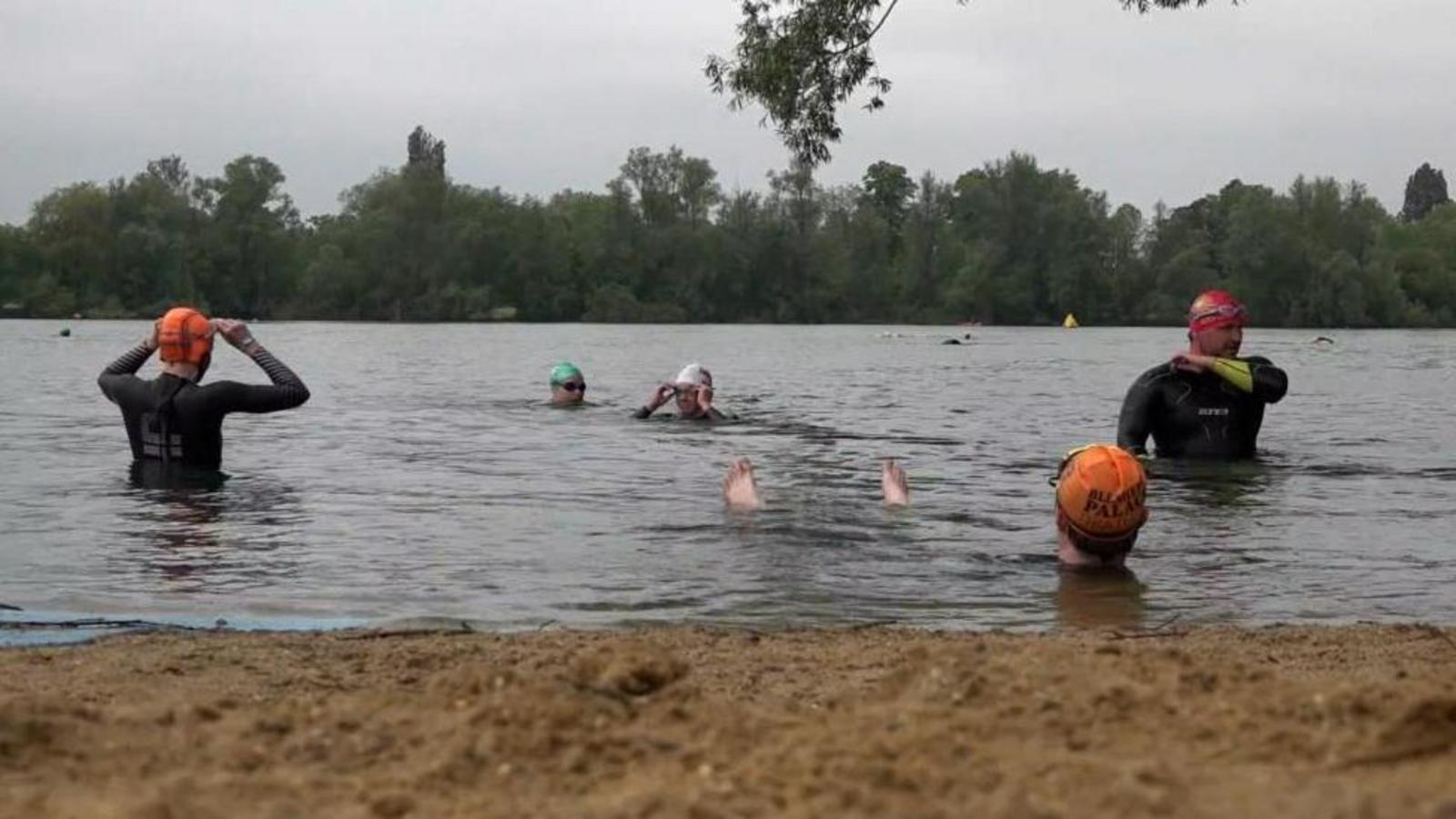
The figures, published on October 15, 2023, reveal that 85% of monitored bathing sites met the minimum water quality standards set by health authorities. This is an increase from 80% in the previous year, suggesting a positive trend in water management practices and pollution control efforts. For more on related safety issues, you can read about the challenges faced in other safety domains.
Key actors in this improvement include local governments and environmental organizations that have implemented stricter regulations and increased monitoring of water bodies. Initiatives such as regular water testing and public awareness campaigns have contributed to the enhanced quality of recreational waters. The active involvement of these organizations is crucial, much like the efforts in community safety.
Despite this progress, experts caution that challenges remain. Certain areas still report high levels of contaminants, particularly after heavy rainfall, which can lead to runoff from urban and agricultural sources. Continuous efforts are essential to ensure that all bathing sites achieve and maintain safe water quality levels.

Understanding the factors influencing water quality in bathing areas
Water quality at bathing sites has long been a concern for public health and environmental advocates. Over the years, various factors have contributed to the fluctuations in water quality, including industrial pollution, agricultural runoff, and urban development. These elements have historically impacted the ecosystems of lakes, rivers, and coastal areas, leading to increased monitoring and regulation efforts by governmental agencies, a concern also highlighted in discussions about technology’s role in sustainability.
In the late 20th century, awareness of water pollution surged, prompting significant legislative action. The Clean Water Act of 1972 in the United States marked a pivotal moment in environmental policy, establishing the framework for regulating discharges of pollutants into the waters. This legislation aimed to restore and maintain the integrity of the nation’s waters, leading to improvements in water quality at many bathing sites across the country.
Despite these efforts, challenges remain. Economic pressures often lead to compromises in environmental protections, particularly in regions where tourism and recreation are vital to local economies. The balance between economic development and environmental sustainability continues to be a contentious issue, with communities grappling with the implications of both water quality and economic viability.
Recent Trends and Improvements
Recent figures indicate a slight improvement in water quality at various bathing sites, attributed to enhanced monitoring and stricter regulations. Technological advancements in water treatment and pollution control have also played a crucial role in these improvements. Community engagement and public awareness campaigns have further contributed to the positive trend, as citizens become more proactive in advocating for cleaner water and healthier ecosystems.

Overall, the journey toward better water quality is ongoing, shaped by historical precedents, policy decisions, and the collective efforts of communities and organizations dedicated to preserving natural resources for future generations.
Key stakeholders and issues surrounding water quality improvement
The improvement in water quality at bathing sites has garnered attention from various stakeholders, each with distinct interests and concerns. These include governmental bodies, environmental organizations, local communities, and the tourism sector. Understanding the dynamics between these groups is essential for a comprehensive analysis of the situation.
Government agencies, such as environmental protection departments, play a crucial role in monitoring water quality and implementing regulations. Their primary interest lies in ensuring public health and compliance with environmental standards. However, they often face challenges in balancing regulatory measures with economic growth, particularly in regions reliant on tourism.
Environmental organizations advocate for sustainable practices and the protection of water resources. They often highlight the need for stricter regulations to prevent pollution from agricultural runoff and industrial discharges. Conflicts can arise between these groups and local businesses that may view such regulations as burdensome, potentially impacting their profitability.

- Public Health Concerns: The health of local populations is at stake, as poor water quality can lead to health issues.
- Economic Trade-offs: Stricter regulations may hinder local businesses, especially those in tourism, which depend on clean bathing waters.
- Community Engagement: Local communities often have varying opinions on water quality initiatives, with some advocating for immediate action while others prioritize economic stability.
- Legal Framework: Existing laws may limit the ability of agencies to enforce stricter measures, leading to debates over necessary legal reforms.
- Long-term Sustainability: Balancing short-term economic benefits with long-term environmental health is a critical challenge.
In summary, the interplay between these stakeholders reflects a complex landscape of interests and conflicts. The ongoing dialogue about water quality improvement is not just about environmental health but also involves economic, legal, and social dimensions that require careful consideration.
How the improvement in water quality affects local communities and tourism
The recent improvement in water quality at bathing sites is set to positively impact various groups, particularly local communities, businesses, and the tourism industry. Regions that rely heavily on coastal and freshwater recreational activities will see immediate benefits, as cleaner water encourages more visitors and enhances the overall experience for locals and tourists alike.
In the short term, local businesses such as restaurants, hotels, and recreational facilities may experience an uptick in customer traffic. Increased footfall can lead to higher revenues, benefiting the local economy. Additionally, residents living near these improved bathing sites may enjoy enhanced leisure opportunities, contributing to a better quality of life.
In the mid-term, this improvement could drive policy changes, as local governments may be encouraged to invest further in environmental protection and water quality initiatives. This could lead to stricter regulations on pollution and waste management, fostering a more sustainable approach to tourism and recreation.
- Positive impacts on tourism: Increased visitor numbers can lead to higher economic activity.
- Enhanced local quality of life: Residents benefit from cleaner environments for recreation.
- Potential for policy shifts: Improved water quality may drive stricter environmental regulations.
- Risks of complacency: Stakeholders may underestimate the need for ongoing monitoring and improvement.
- Opportunities for eco-tourism: Regions may capitalize on their natural resources to attract environmentally conscious travelers.
However, there are risks associated with this improvement. Stakeholders may become complacent, assuming that the current state of water quality will remain stable without continued effort. Furthermore, while the immediate economic benefits are promising, there is a need for sustainable practices to ensure long-term viability.
In conclusion, the slight improvement in water quality at bathing sites presents both opportunities and challenges for local communities and industries. By capitalizing on the positive aspects while remaining vigilant about potential risks, stakeholders can foster a healthier environment and a more vibrant economy.
A: The improvement indicates that the water is safer for swimming, reducing the risk of waterborne illnesses. Swimmers can enjoy a more pleasant experience at these sites. A: Water quality is typically measured through tests for bacteria levels, chemical pollutants, and other indicators. These tests help determine if the water is safe for recreational use. A: Factors include rainfall, runoff, pollution control measures, and seasonal changes in water temperature. These elements can significantly impact the overall quality of bathing waters. A: No, improvements vary by location. Some sites may still face challenges due to pollution or environmental factors, while others show marked improvements. A: Local authorities are implementing stricter regulations on pollution, enhancing monitoring efforts, and promoting community awareness to ensure ongoing improvements.
Frequently asked questions about water quality improvements
Looking ahead: implications of improved water quality for future bathing seasons
The recent figures indicating a slight improvement in water quality at bathing sites present a positive shift for public health and environmental management. As communities prepare for the upcoming bathing season, these improvements could enhance the overall experience for beachgoers and promote increased visitation to coastal areas. However, continued monitoring and proactive measures will be essential to sustain this progress and address any potential challenges that may arise.
Stakeholders, including local authorities and environmental organizations, should remain vigilant in their efforts to maintain and further improve water quality. This involves not only addressing current pollution sources but also engaging in public education about the importance of preserving water ecosystems.
- Increased public confidence in water safety may lead to higher attendance at popular bathing sites.
- Local businesses could see a boost in revenue as more visitors flock to improved bathing areas.
- Ongoing monitoring will be crucial to ensure that water quality improvements are not only maintained but also built upon.
- Community engagement initiatives can foster greater awareness and responsibility regarding local water resources.
- Potential for enhanced funding and support for environmental projects aimed at sustaining water quality improvements.