


Ancient woodlands, defined as areas that have been continuously wooded since at least 1600, are crucial for biodiversity and carbon storage. The survey highlights that many of these woodlands are home to species that are rare or threatened, making their preservation essential for ecological health. For more on conservation efforts, check out our article on failing sea defences, which discusses the importance of preserving local ecosystems.
Key actors in this initiative include the Woodland Trust and various environmental NGOs, which have been actively involved in restoration projects. These organizations have worked alongside government bodies to implement policies that encourage the planting of native trees and the protection of existing woodlands. The collaboration has led to a more concerted effort to manage and expand ancient woodland areas.
This increase in ancient woodland is particularly significant in the context of climate change, as these ecosystems play a vital role in mitigating carbon emissions. Experts argue that enhancing and preserving woodland areas is one of the most effective strategies for combating climate change. The survey results serve as a reminder of the importance of continued investment in environmental conservation initiatives, similar to what was discussed in the context of women’s health issues.
Understanding the significance of ancient woodlands
Ancient woodlands are defined as areas that have been continuously wooded since at least 1600 AD. These ecosystems are not only vital for biodiversity but also serve as crucial carbon sinks, playing a significant role in combating climate change. Historically, these woodlands have been a part of the landscape for centuries, often holding cultural and historical significance for local communities.
The recognition of ancient woodlands as important ecological and cultural resources gained momentum in the late 20th century. In the UK, the Ancient Woodland Inventory was established in 1981 to catalog these irreplaceable habitats. This initiative marked a pivotal point in conservation efforts, as it highlighted the need for protective measures against urban development and agricultural expansion that threatened these areas.
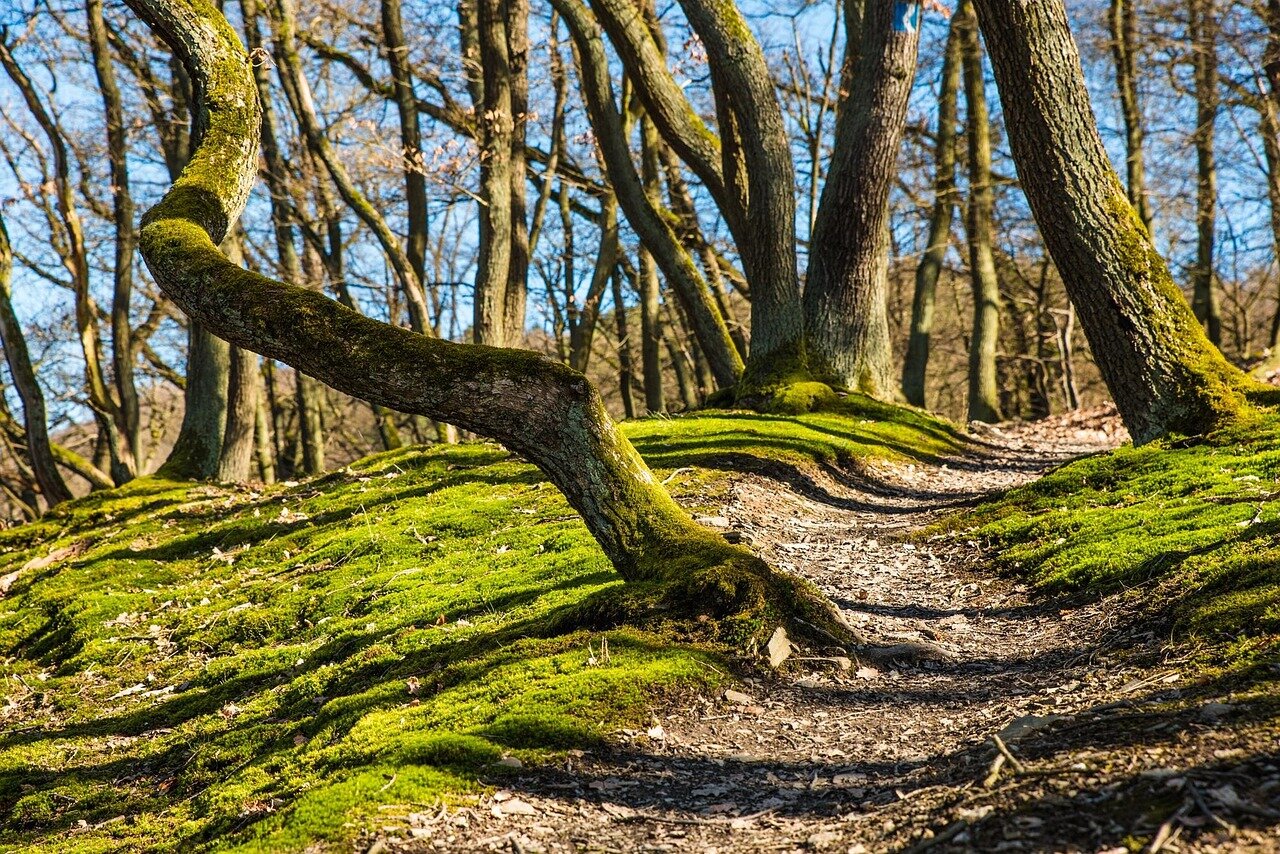
Politically, ancient woodlands have been at the center of various debates regarding land use and conservation policies. The introduction of the Countryside and Rights of Way Act 2000 in the UK aimed to enhance the protection of these woodlands. This legislation was a response to growing concerns over habitat loss and the impact of human activities on the environment, emphasizing the need for sustainable management of natural resources.
Economic implications of ancient woodlands
The economic value of ancient woodlands extends beyond their environmental benefits. They provide resources such as timber and non-timber products, which can contribute to local economies. However, the balance between economic development and conservation remains a contentious issue. The recent survey indicating a significant increase in the area of ancient woodlands suggests a shift towards prioritizing ecological health over short-term economic gains, reflecting a broader societal change in attitudes towards nature and conservation, echoing the community efforts seen when Japanese fans cleaned their stadium.
Key stakeholders and their roles in woodland conservation
The recent survey indicating a significant increase in ancient woodland has drawn attention from various stakeholders involved in conservation efforts. These stakeholders include government bodies, environmental organizations, local communities, and private landowners, each with distinct interests and motivations regarding woodland preservation.
Government agencies play a crucial role in setting policies and regulations that protect ancient woodlands. Their interests often align with biodiversity conservation and climate change mitigation. However, conflicts may arise when economic development pressures, such as urban expansion or agriculture, threaten these ecosystems. Striking a balance between development and conservation remains a key challenge.
Environmental organizations, such as the Woodland Trust and the Royal Society for the Protection of Birds, advocate for the protection of ancient woodlands. Their efforts focus on raising public awareness, lobbying for stronger legal protections, and securing funding for conservation projects. These organizations often face trade-offs, as they must navigate relationships with landowners and local governments while pushing for stricter conservation measures.
Local communities are also significant stakeholders, as many rely on woodlands for recreational activities, cultural heritage, and ecosystem services. Their interests may sometimes conflict with conservation goals, particularly if restrictions on land use are perceived as limiting economic opportunities. Engaging local communities in conservation efforts is essential for fostering a sense of ownership and ensuring sustainable management of these resources.

- Government policies can either support or hinder woodland conservation efforts.
- Environmental organizations advocate for stronger protections and public awareness.
- Local communities may have conflicting interests regarding land use and conservation.
- Private landowners hold significant power over the management of ancient woodlands.
- Economic pressures from development can pose threats to woodland preservation.
Impact of increased ancient woodland on ecosystems and communities
The recent survey indicating a significant increase in ancient woodland affects various groups, including environmentalists, local communities, and the forestry industry. Regions with newly identified ancient woodlands may experience shifts in biodiversity, tourism, and land use practices.
In the short term, communities near these woodlands may see a boost in eco-tourism, attracting nature enthusiasts and researchers. This can lead to increased revenue for local businesses, such as hotels and restaurants. However, there may also be challenges, such as the need for sustainable management practices to preserve these ecosystems while accommodating increased visitor numbers.
In the mid-term, policymakers may be prompted to revise land use regulations and conservation strategies. This could result in stricter protections for ancient woodlands, impacting industries such as agriculture and real estate. While these regulations could limit development opportunities, they also present a chance for innovative land management practices that could enhance local economies.
Key impacts include:
- Economic Opportunities: Growth in eco-tourism and related businesses.
- Environmental Benefits: Enhanced biodiversity and ecosystem services.
- Policy Changes: Potential for stricter conservation laws affecting land use.
- Community Engagement: Increased awareness and involvement in conservation efforts.
While the expansion of ancient woodlands presents opportunities for economic growth and environmental improvements, it also poses risks related to land management and regulatory challenges that will need to be navigated by affected stakeholders.

Frequently asked questions about ancient woodland
A: Ancient woodland is defined as land that has been continuously wooded since at least 1600 AD in England and 1750 in Scotland. These areas are vital for biodiversity and are home to many rare species.
A: The increase in ancient woodland is significant because it enhances biodiversity, improves carbon storage, and contributes to climate change mitigation. It also provides recreational spaces for communities.
A: The survey was conducted using satellite imagery and ground surveys to assess woodland areas across various regions. This method allows for accurate tracking of changes over time.
A: The main threats to ancient woodlands include urban development, agricultural expansion, and climate change. These factors can lead to habitat loss and fragmentation.
A: Individuals can help by supporting conservation organizations, participating in local tree planting initiatives, and advocating for policies that protect these vital ecosystems.
Key insights and future outlook on ancient woodland conservation
The recent survey indicating a significant increase in ancient woodland highlights the importance of ongoing conservation efforts and the positive impact of public awareness initiatives. This trend not only reflects a growing appreciation for biodiversity but also underscores the potential for policy changes that prioritize the protection and restoration of these vital ecosystems.
As stakeholders in conservation continue to collaborate, the findings suggest that sustainable management practices and community engagement will play crucial roles in maintaining the health of ancient woodlands. Monitoring these developments will be essential in understanding how best to support and expand these natural resources in the future.
- Increased funding and support for conservation projects can further enhance the protection of ancient woodlands.
- Community-led initiatives may foster greater local involvement and stewardship of woodland areas.
- Policy reforms aimed at land use and forestry management could significantly influence the preservation of ancient woodlands.
- Ongoing research and monitoring will be vital in assessing the health and biodiversity of these ecosystems.
- Public education campaigns can raise awareness about the benefits of ancient woodlands, encouraging broader support for conservation efforts.