


Recent reports suggest that Prince George may be considering several prestigious institutions known for their academic rigor and royal connections. Schools such as Eton College and Harrow School have been mentioned as possible options, fueling discussions about the educational path of the future king. The choice of school is significant, as it reflects not only personal preferences but also the royal family’s values regarding education.
The decision on Prince George’s schooling is expected to be made by his parents, the Duke and Duchess of Cambridge, who have emphasized the importance of a well-rounded education. Their choice will likely be influenced by factors such as academic excellence, extracurricular opportunities, and the school’s environment. As the royal family navigates this decision, public interest continues to grow, highlighting the ongoing fascination with the lives of the young royals.
With the start of the school year just weeks away, the royal family has yet to make an official announcement regarding Prince George’s schooling. This uncertainty adds to the intrigue surrounding his future and the educational choices that will shape his formative years. As fans and observers await further developments, the conversation about the young prince’s education remains a hot topic in royal circles.
Understanding the royal family’s education choices
The education of royal children has always been a topic of public interest, particularly in the British monarchy. The choices made by the royal family regarding schooling often reflect broader societal values and traditions. For Prince George, the firstborn child of the Duke and Duchess of Cambridge, the question of where he will attend school is not just about personal preference but also about the expectations placed upon him as a future king.
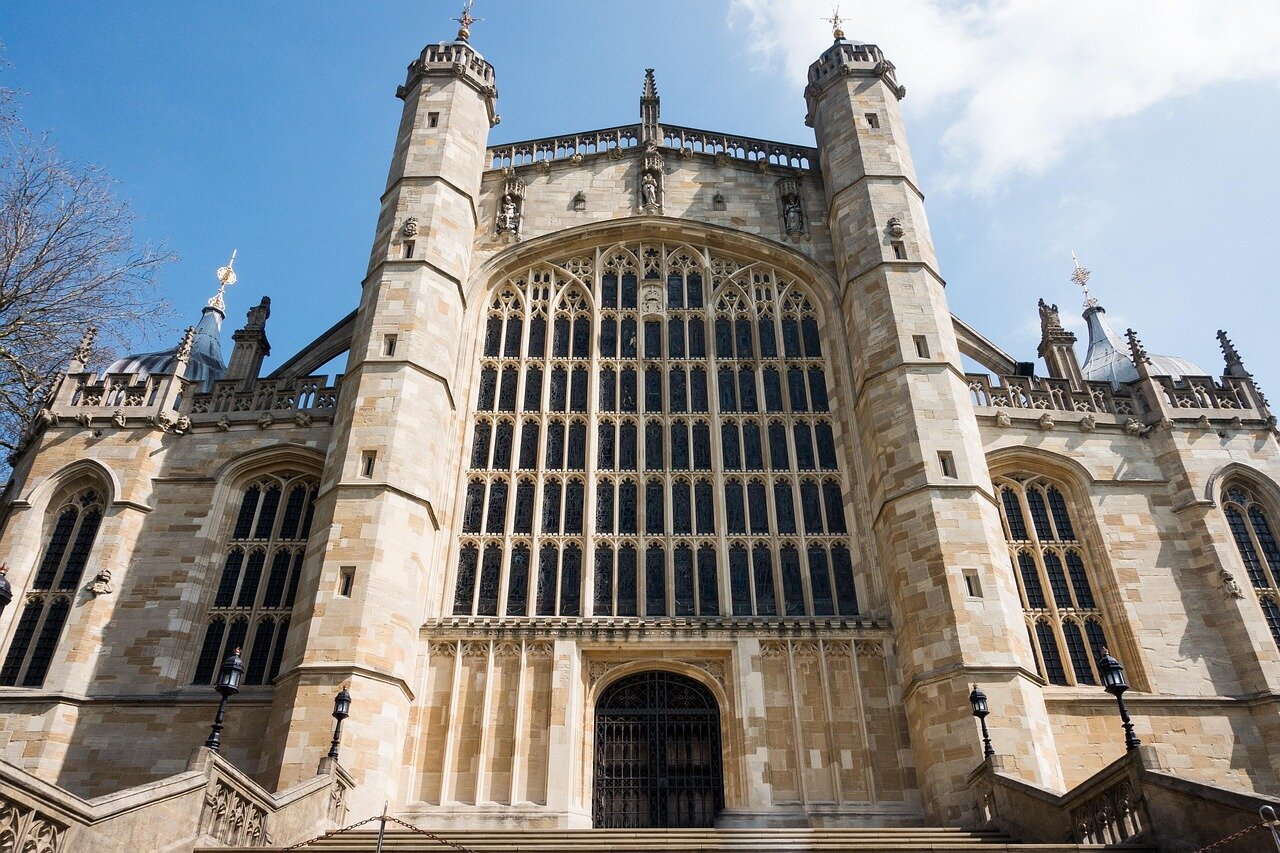
Historically, members of the royal family have attended prestigious institutions, which serve to prepare them for their future roles. For instance, Prince William and Prince Harry both attended Eton College, a school known for its elite status and rigorous academic standards. This tradition of attending elite schools has been a way for the royal family to maintain its connection to the upper echelons of British society, while also providing their children with a comprehensive education that includes not just academics but also leadership training.
Shifts in Educational Philosophy
In recent years, there has been a noticeable shift in how royal children are educated. The Duke and Duchess of Cambridge have expressed a desire for their children to have a more grounded upbringing compared to previous generations. This has led to a more modern approach to education, with an emphasis on emotional intelligence and social skills, rather than solely on academic achievement. As such, the choice of school for Prince George may also reflect this evolving philosophy, much like the changing methods seen in other areas of society.
Moreover, the political and social climate in the UK plays a significant role in shaping educational choices. With increasing discussions around educational equality and access, the royal family’s decisions are often scrutinized for their implications on public perceptions of privilege and elitism. The choice of school for Prince George could serve as a barometer for how the monarchy wishes to position itself in contemporary society, balancing tradition with modern values.
As the time approaches for Prince George to start his formal education, the speculation surrounding his school choice highlights not only the royal family’s legacy but also the ongoing dialogue about education in the UK. The decisions made today will undoubtedly influence future generations and the way the monarchy is viewed in the context of modern British life.
Key factors influencing the school decision
The decision regarding where Prince George will attend school involves several key stakeholders, each with distinct interests and concerns. The primary actors include the British royal family, educational institutions, the media, and the public. Each of these groups plays a significant role in shaping the discourse surrounding this decision.

The British royal family is keenly interested in ensuring that Prince George receives a high-quality education while also maintaining a sense of normalcy and privacy. Their preference may lean towards schools that offer a balanced curriculum, a supportive environment, and opportunities for social development. Additionally, they may wish to avoid institutions that attract excessive media attention, which could impact the child’s well-being.
On the other hand, educational institutions are motivated by the potential prestige and visibility that comes with having a royal student. Schools may compete for the opportunity to enroll Prince George, as his attendance could enhance their reputation and attract future students. This competition may lead to negotiations regarding the school’s offerings, facilities, and even the level of privacy afforded to the royal family, a topic also explored in our article about the life of other public figures.
The media plays a crucial role in this scenario, often speculating about the potential schools and their suitability for Prince George. Their coverage can influence public perception and, in turn, the decisions made by the royal family. The intense scrutiny from the press may create pressure on both the family and the schools involved, complicating the decision-making process.
Finally, the public’s interest cannot be overlooked. Many people feel a sense of connection to the royal family and are invested in Prince George’s upbringing. This interest can lead to public discourse on educational values, the role of privilege in education, and the importance of accessibility for all children. The following key points summarize the central issues at play:
- Balancing privacy and public interest in Prince George’s education.
- Competition among schools for royal patronage and its implications.
- The media’s influence on public perception and school choices.
- Public sentiment regarding privilege and access to quality education.
- The long-term impact of the schooling decision on Prince George’s development.
Who will be affected by Prince George’s school choice
The decision regarding Prince George’s schooling will have a ripple effect across various groups, including families in the local community, educational institutions, and even the broader public. Parents with children in similar age groups may feel a heightened sense of competition and pressure to choose the best educational path for their kids, following the royal precedent.
In the short term, schools that are considered for Prince George may experience an influx of interest and applications, leading to increased enrollment numbers. This surge can benefit local businesses that cater to families, such as tutoring centers, extracurricular programs, and educational supply stores. Conversely, schools that do not receive the royal nod might see a decline in their perceived prestige, affecting their enrollment and funding.
In the mid-term, the choice of school could influence educational policies, especially if Prince George attends an institution that emphasizes innovative teaching methods or a particular curriculum. This could prompt other schools to adapt their programs to remain competitive, potentially leading to a shift in educational standards across the region.
- Increased competition among local schools for enrollment and funding.
- Potential for policy changes in education based on the royal school choice.
- Boost to local businesses that support educational activities.
- Heightened media attention on the chosen school and its programs.
While there are risks associated with heightened scrutiny and pressure on educational institutions, there are also opportunities for schools to enhance their offerings and improve community engagement. The royal connection can serve as a catalyst for positive change, encouraging schools to innovate and adapt to the evolving educational landscape.
A: While no official announcement has been made, several schools are being considered based on royal tradition and proximity to the family. A: The royal family typically considers factors such as academic reputation, location, and the school’s alignment with royal values. A: It is expected that Prince George will attend a private school, following the family’s historical preference for prestigious institutions. A: His school choice is likely to attract significant media attention and public interest, influencing perceptions of royal education. A: An official announcement is anticipated in the coming months, as the family prepares for the new school year.
Frequently asked questions about Prince George’s education
Looking ahead: What to expect regarding Prince George’s schooling
As discussions continue about Prince George’s educational journey, several factors will likely influence the final decision regarding his school. The royal family’s commitment to a well-rounded education suggests that the choice will prioritize not only academic excellence but also character development and social skills. Observers should consider the implications of this decision on both the royal family’s public image and the potential impact on Prince George’s future role within the monarchy.
Moreover, the choice of school could reflect broader trends in educational preferences among high-profile families, potentially setting a precedent for future generations. As the royal family navigates this important milestone, the public will be keenly watching how these decisions align with contemporary values in education.
- The choice of school may emphasize a balance between tradition and modern educational practices.
- Expect increased media scrutiny and public interest in Prince George’s academic experience.
- Watch for potential influences from other royal family members’ educational paths.
- The decision could impact the royal family’s engagement with educational initiatives and charities.
- Anticipate discussions on how this choice reflects changing societal expectations for royal upbringing.