


The visit is scheduled for early 2024, coinciding with a period when both nations are looking to strengthen economic partnerships and address global challenges such as climate change and security concerns in the Indo-Pacific region. This upcoming engagement resembles previous historical moments that shaped US-India relations.
In recent months, there have been signs of warming relations, including increased trade discussions and joint military exercises. The U.S. and India have also collaborated on technology and defense initiatives, showcasing a mutual interest in countering regional threats and enhancing bilateral ties.
Analysts suggest that Trump’s visit could pave the way for a more robust alliance, particularly as both nations seek to navigate complex geopolitical landscapes. As the world watches, the outcome of this engagement may significantly influence the strategic dynamics in South Asia and beyond.

Understanding the historical context of US-India relations under Trump and Modi
The relationship between the United States and India has evolved significantly over the past two decades, characterized by a blend of cooperation and tension. Under President Donald Trump and Prime Minister Narendra Modi, the dynamics of this relationship have been particularly notable, marked by both opportunities for partnership and challenges stemming from differing national interests.
Historically, US-India relations were strained during the Cold War, with India aligning more closely with the Soviet Union. However, the economic liberalization in India during the 1990s and subsequent strategic dialogues paved the way for a more collaborative relationship, including significant agreements in trade and defense.
Trump’s presidency brought a new approach to foreign policy, characterized by an “America First” stance. This approach initially created uncertainty in US-India relations, particularly regarding trade tariffs and defense cooperation. However, as Trump and Modi sought to strengthen their countries’ ties, they found common ground on issues such as counterterrorism and regional security, especially concerning China’s growing influence in the Indo-Pacific region.
Key Milestones in US-India Relations
One of the key milestones during Trump’s term was his visit to India in February 2020, which aimed to bolster trade ties and strengthen defense cooperation. This visit, marked by large public rallies and discussions on various bilateral issues, underscored the importance of the relationship. Despite some setbacks, including trade disputes and differing views on climate change, both leaders have expressed a commitment to enhancing cooperation.
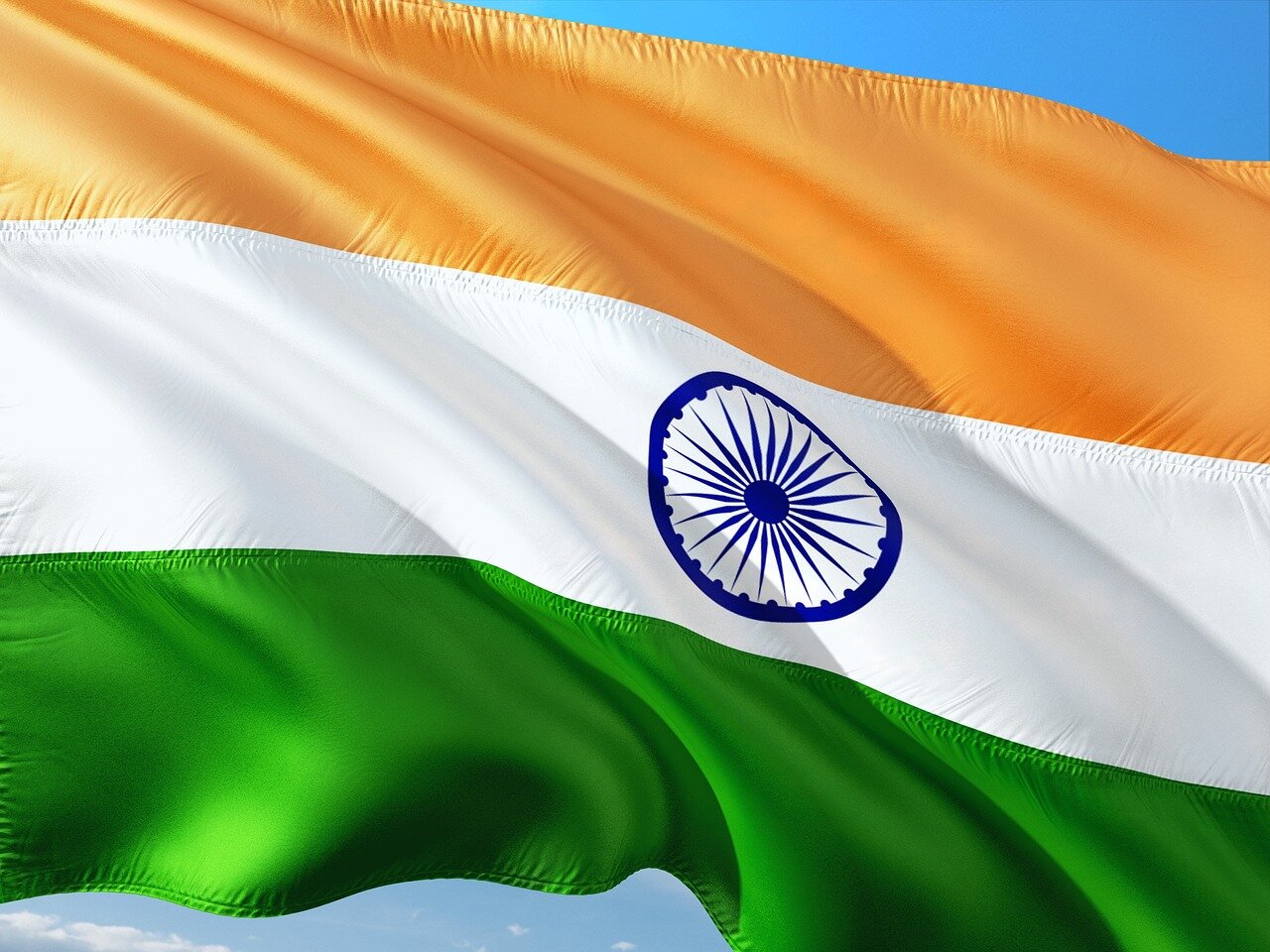
As the geopolitical landscape continues to shift, the recent thawing of relations between Trump and Modi indicates a potential for renewed collaboration. This visit is seen as an opportunity to further solidify this partnership, particularly in light of the ongoing discussions surrounding technology initiatives.
Key stakeholders and their interests in the evolving US-India relationship
The announcement of former President Donald Trump’s planned visit to India marks a significant moment in the complex dynamics of US-India relations. Key stakeholders include the governments of the United States and India, as well as influential political figures, businesses, and international organizations. Each actor has distinct interests that shape their engagement with one another.
The United States government, under President Joe Biden, aims to strengthen strategic partnerships in the Indo-Pacific region, focusing on countering China’s influence. This includes fostering closer ties with India, which is seen as a pivotal player in maintaining regional stability. Trump’s visit could be framed as a way to reinforce this commitment and possibly address trade issues that have been contentious in the past.
The Indian government, led by Prime Minister Narendra Modi, is interested in enhancing economic cooperation and security collaborations with the US. India seeks to attract foreign investment and technology transfer, particularly in sectors like defense and renewable energy. The thawing relationship with Trump could signal a willingness to engage more openly on these fronts, despite previous tensions.

Key issues that may arise during this evolving relationship include:
- Trade Relations: Ongoing trade disputes and tariffs have created friction, and both nations must navigate these economic challenges to foster a more robust partnership.
- Defense Cooperation: Enhancing military ties and joint exercises could be a focal point, addressing regional security concerns, particularly regarding China.
- Climate Change: Collaborative efforts on climate initiatives could be an area of mutual interest, despite differing approaches to environmental regulations.
- Human Rights Concerns: The US has historically raised concerns about human rights issues in India, which could complicate diplomatic engagements.
- Geopolitical Strategy: The broader geopolitical landscape, including relations with Russia and China, will influence the strategies of both nations moving forward.
As these stakeholders navigate their interests, the interplay of economic, legal, and political factors will shape the future trajectory of US-India relations. The outcome of Trump’s visit could set the tone for a new phase in bilateral ties, with implications that extend beyond their borders.
Potential effects of improved relations on trade and security in the region
The announcement of Trump’s visit to India signals a potential thaw in the historically frosty relationship between the United States and India, particularly under Prime Minister Modi’s leadership. This development could have far-reaching implications for various sectors, including trade, technology, and defense.
Industries such as technology and manufacturing may experience significant benefits from enhanced collaboration. American tech companies could gain access to India’s vast market, while Indian firms might find new opportunities for partnerships and investments in the U.S. This could lead to job creation and innovation in both countries.

In the short term, businesses might witness a surge in trade agreements and joint ventures as both nations look to capitalize on improved relations. However, there are risks associated with over-reliance on a single market or geopolitical tensions that could arise from shifting alliances. Companies must navigate these complexities carefully.
- Short-term impacts: Increased trade agreements, potential job creation, and investment opportunities.
- Mid-term impacts: Strengthened economic ties, collaborative projects in technology and defense, and possible shifts in regional security dynamics.
- Risks: Geopolitical tensions, over-dependence on U.S. markets, and potential backlash from domestic political factions.
- Opportunities: Access to new markets, enhanced innovation through collaboration, and expanded influence in the Indo-Pacific region.
Regions within India that are heavily reliant on exports, such as Gujarat and Maharashtra, may see immediate benefits from increased trade with the U.S. Conversely, industries facing competition from American goods might experience challenges, necessitating adjustments to their business strategies.
A: Trump’s visit is significant as it represents a thaw in relations between the US and India, which have been strained in recent years. It could lead to enhanced cooperation on various fronts, including trade and security. A: The exact date of Trump’s visit has not been confirmed yet, but it is anticipated to take place in the coming months. Further announcements will provide more clarity. A: The relationship between Trump and Modi has seen ups and downs, with initial camaraderie followed by tensions over trade policies. Recent developments indicate a move towards reconciliation. A: Improved relations could lead to more favorable trade agreements and increased economic collaboration, benefiting both nations. This could also impact global supply chains. A: Trump’s visit could strengthen security ties between the US and India, particularly in countering regional threats. This may also enhance India’s strategic position in the Indo-Pacific.
Frequently asked questions about Trump’s visit to India
Looking ahead: What Trump’s visit could mean for future US-India ties
As Trump prepares for his visit to India, the thawing of relations between the two nations could pave the way for significant diplomatic and economic developments. This visit may signal a renewed commitment to cooperation on various fronts, including trade, defense, and climate change. Observers will be keen to see how both leaders navigate their respective domestic challenges while seeking to strengthen bilateral ties.
The implications of this visit extend beyond immediate discussions, potentially reshaping the geopolitical landscape in the region. A successful meeting could lead to enhanced strategic partnerships, while also addressing mutual concerns such as security and economic stability.
- Increased Trade Opportunities: Expect discussions around trade agreements that could benefit both economies.
- Defense Collaboration: Look for announcements regarding joint military exercises or defense technology sharing.
- Climate Initiatives: Potential partnerships in renewable energy and climate resilience efforts may be on the agenda.
- Regional Stability: The visit could influence India’s role in regional security dynamics, particularly concerning China.
- Public Sentiment: Monitor how the visit impacts public opinion in both countries regarding their leaders and foreign policy.