


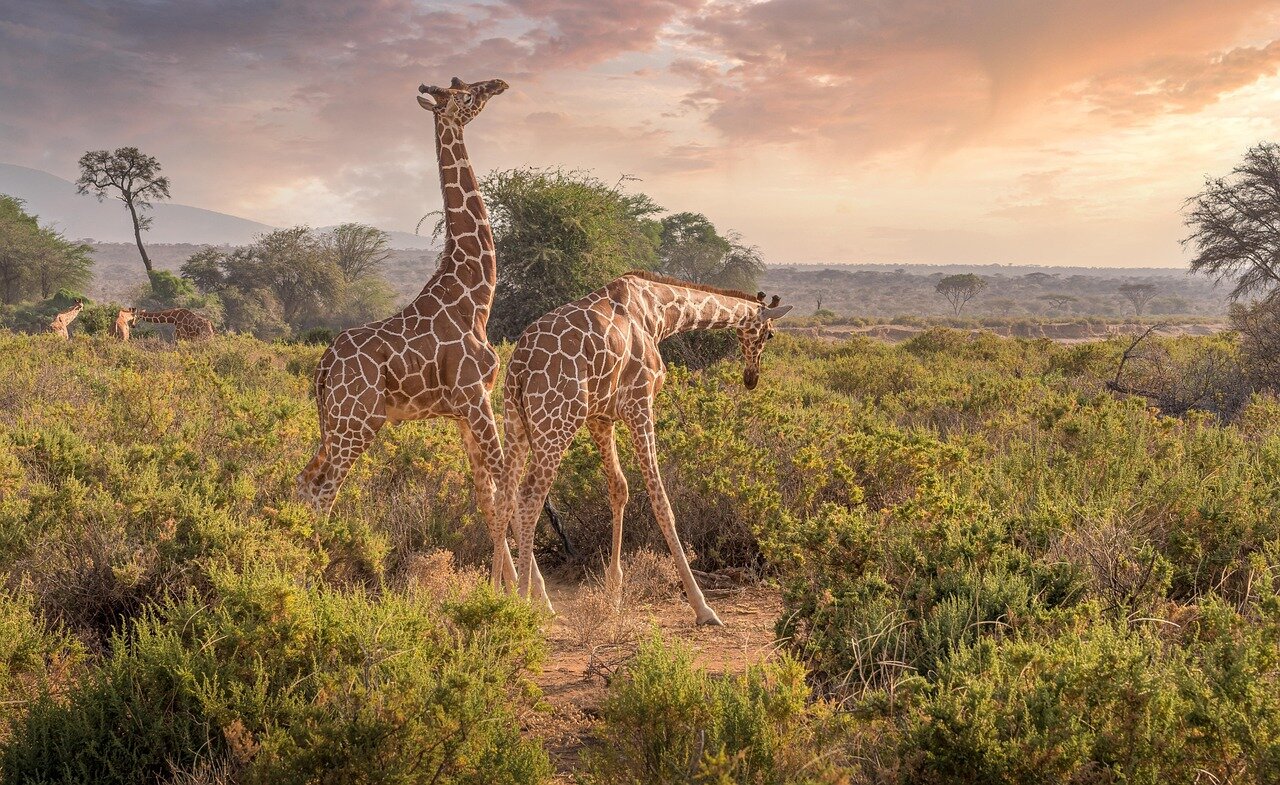
In a notable development, a new arrival at the Giraffe Conservation Center in Kenya aims to bolster the genetic diversity of the endangered Rothschild’s giraffe. This individual, rescued from a local wildlife park, arrived on October 15, 2023, and is expected to play a crucial role in a breeding program designed to increase population numbers, as noted in related initiatives by the Giraffe Conservation Foundation.
The breeding program, initiated by the Giraffe Conservation Foundation, focuses on creating a sustainable population of Rothschild’s giraffes, which currently number fewer than 2,500 in the wild. Conservationists believe that introducing new genetic material can enhance the resilience of the species against diseases and environmental changes.
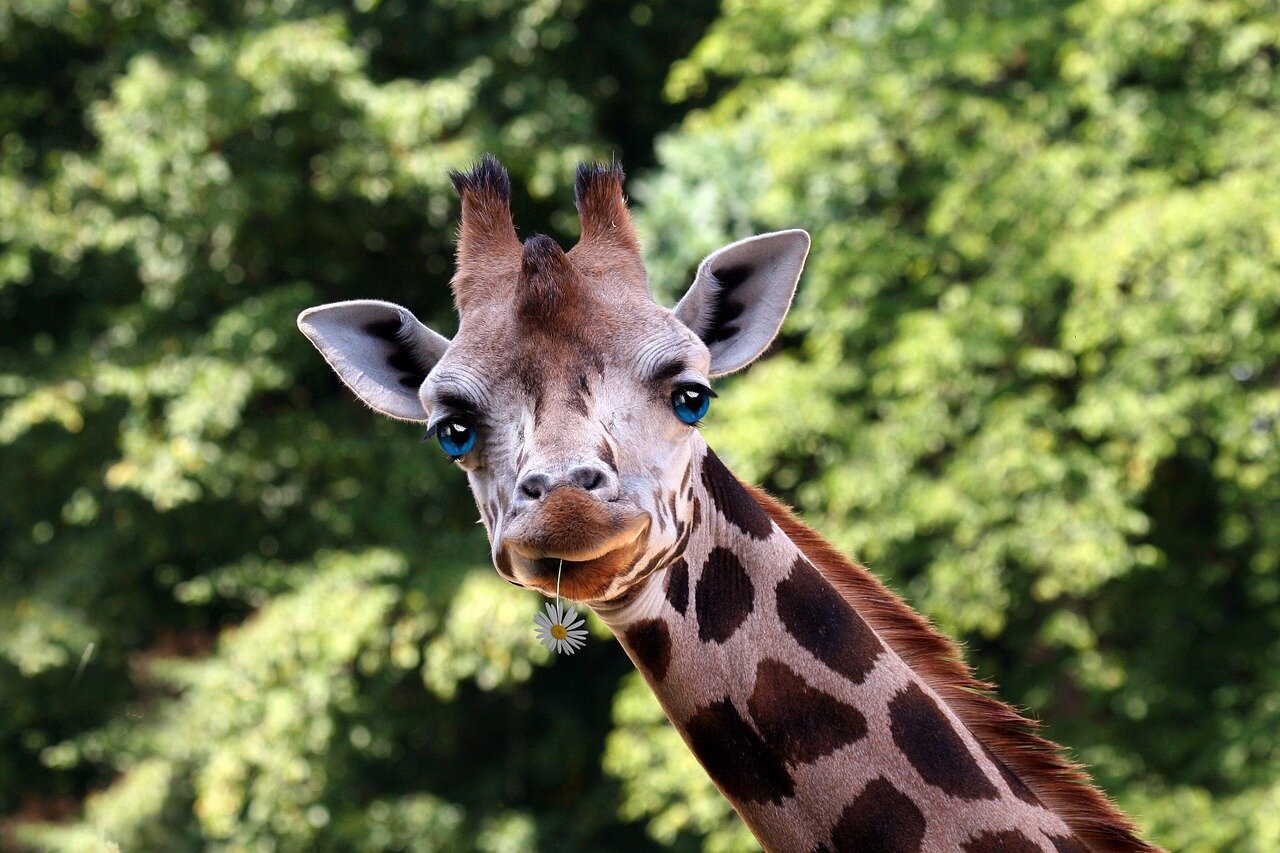
This initiative comes at a critical time, as conservation efforts are increasingly urgent. With ongoing habitat destruction and climate change impacting their natural environments, the success of such programs is vital for the survival of these majestic creatures. The collaboration between local wildlife authorities and international conservation organizations underscores the global commitment to preserving giraffe populations.
Background on giraffe conservation efforts
Giraffes, once abundant across the African continent, have seen a dramatic decline in their populations over the past few decades. Historical hunting practices, habitat loss due to agricultural expansion, and political instability in various regions have all contributed to the endangerment of several giraffe subspecies. As of 2023, the International Union for Conservation of Nature (IUCN) has classified giraffes as vulnerable, with some subspecies, such as the Rothschild’s giraffe, facing critical threats to their survival.
Efforts to conserve giraffes have been ongoing since the late 20th century, when awareness of their declining numbers began to grow. Various organizations, including the Giraffe Conservation Foundation and local wildlife authorities, have initiated programs aimed at habitat protection, anti-poaching measures, and community engagement. These efforts have been crucial in areas where giraffes coexist with human populations, emphasizing the need for sustainable practices that benefit both wildlife and local communities.
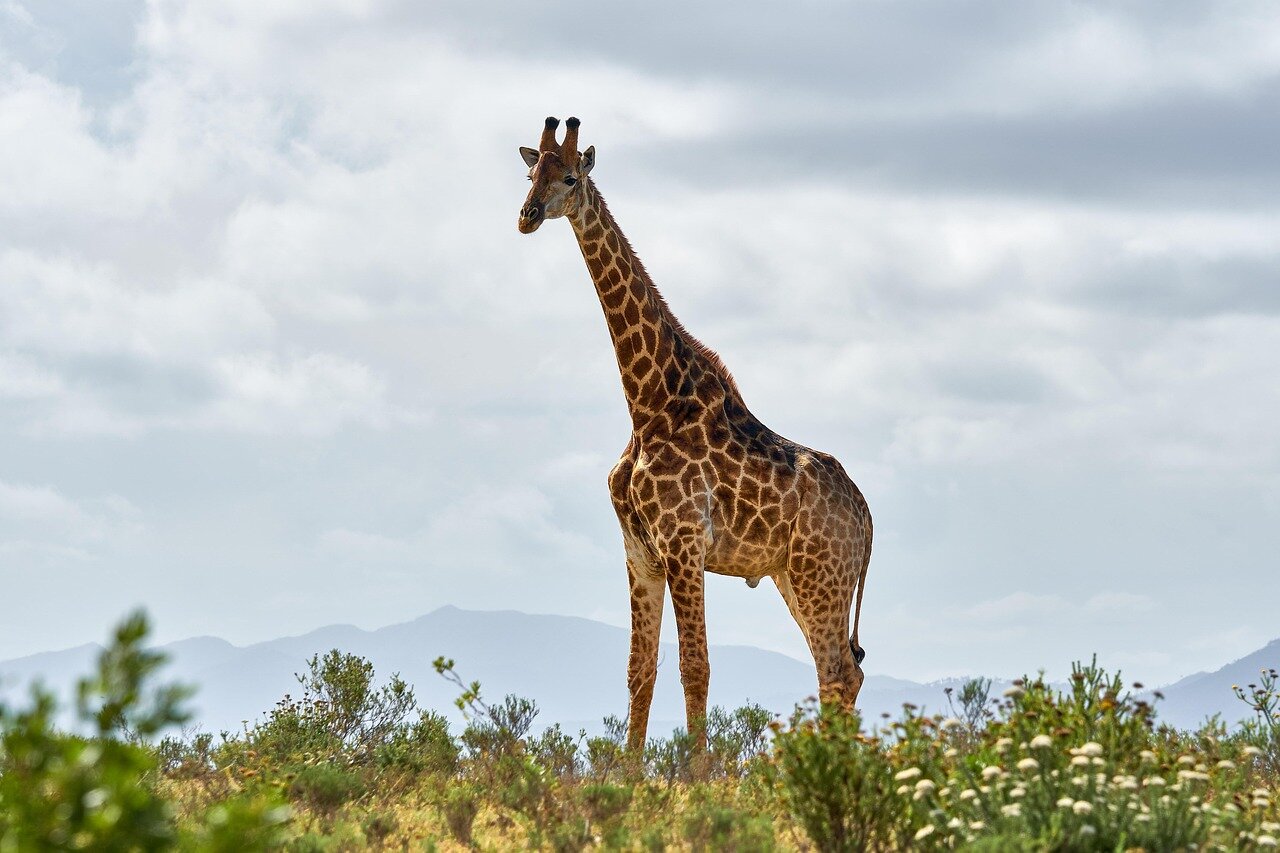
Key milestones in giraffe conservation
One significant milestone occurred in 2010 when the first comprehensive study of giraffe populations was conducted, revealing alarming statistics about their decline. This study prompted a global response, leading to the establishment of the Giraffe Conservation Strategy in 2018, which set ambitious targets for population recovery and habitat restoration. Additionally, the introduction of community-based conservation programs has empowered local populations to take an active role in protecting giraffes, fostering a sense of ownership and responsibility towards their natural heritage.
As the conservation landscape evolves, the introduction of a new arrival—a genetically diverse giraffe from a different region—could play a pivotal role in enhancing the genetic pool of endangered subspecies. This move is part of a broader strategy to ensure the long-term survival of giraffes in the wild, underscoring the importance of both scientific intervention and community involvement in conservation efforts, akin to programs discussed in recent conservation strategies.
Key stakeholders and their roles in giraffe preservation
The preservation of rare giraffe species involves a variety of stakeholders, each with distinct interests and responsibilities. These include wildlife conservation organizations, government agencies, local communities, and international bodies. Understanding their roles is essential to grasping the complexities of giraffe conservation efforts.
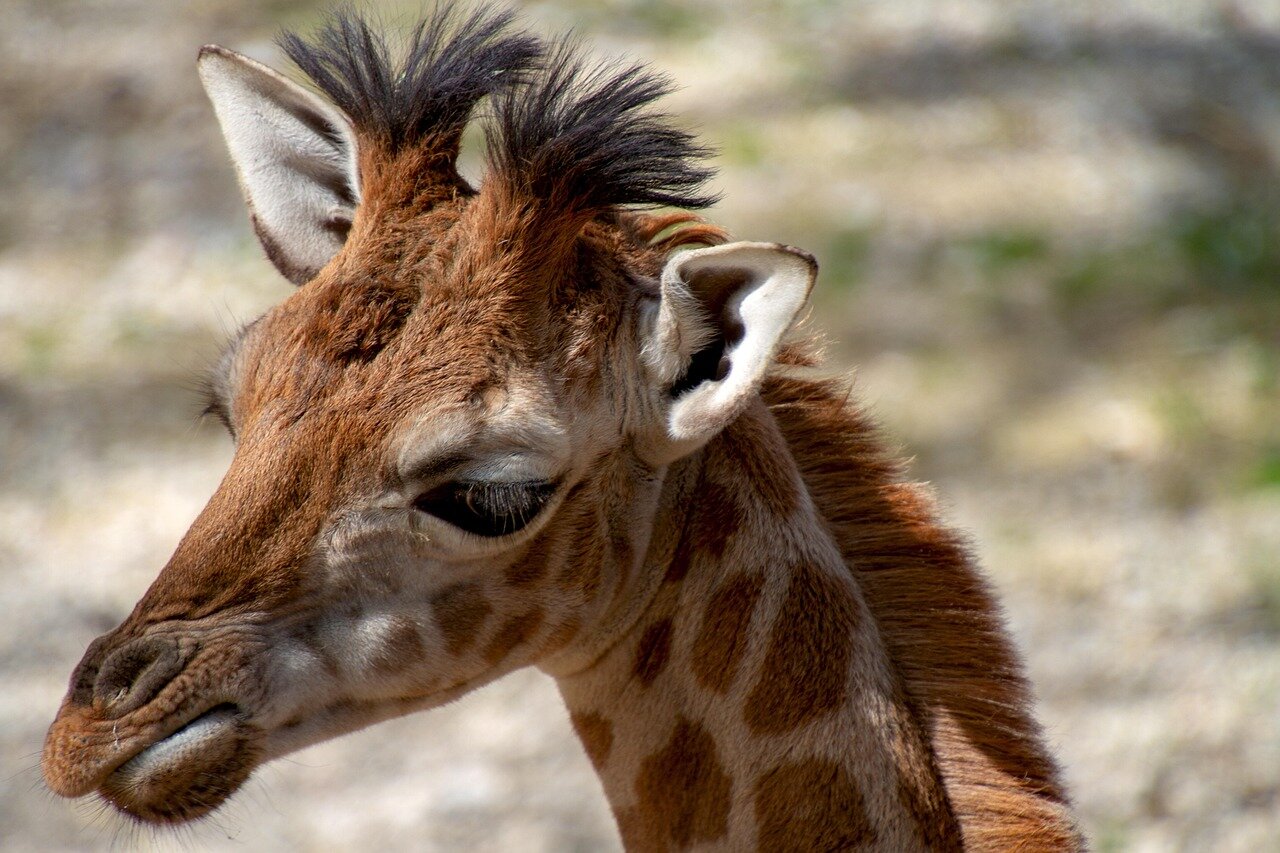
Wildlife conservation organizations, such as the Giraffe Conservation Foundation, play a crucial role in implementing on-the-ground initiatives. Their primary interest is to protect giraffe populations through habitat restoration, anti-poaching efforts, and breeding programs. They often rely on funding from donations and grants to support their activities, which can sometimes lead to competition for resources among different organizations.
Government agencies are also key players in giraffe preservation. National parks and wildlife departments are responsible for enforcing laws that protect endangered species. However, these agencies may face challenges, such as limited budgets and political pressures that can affect their effectiveness. Conflicts can arise when local economic interests, such as agriculture and tourism, clash with conservation goals.
- Local Communities: Often, the success of conservation efforts depends on the support of local communities. Their interests may include sustainable land use and economic benefits from eco-tourism.
- International Bodies: Organizations like the United Nations play a role in setting global standards for wildlife protection, which can influence national policies and funding.
- Legal Issues: Conflicts over land use and poaching laws often lead to legal disputes, complicating conservation efforts.
- Economic Trade-offs: Balancing conservation with economic development presents ongoing challenges, as stakeholders navigate the potential benefits and drawbacks of various land uses.
In summary, the interplay between these stakeholders reveals a complex network of interests and challenges. Effective giraffe conservation requires collaboration and understanding among all parties involved to ensure that both the species and local communities can thrive.
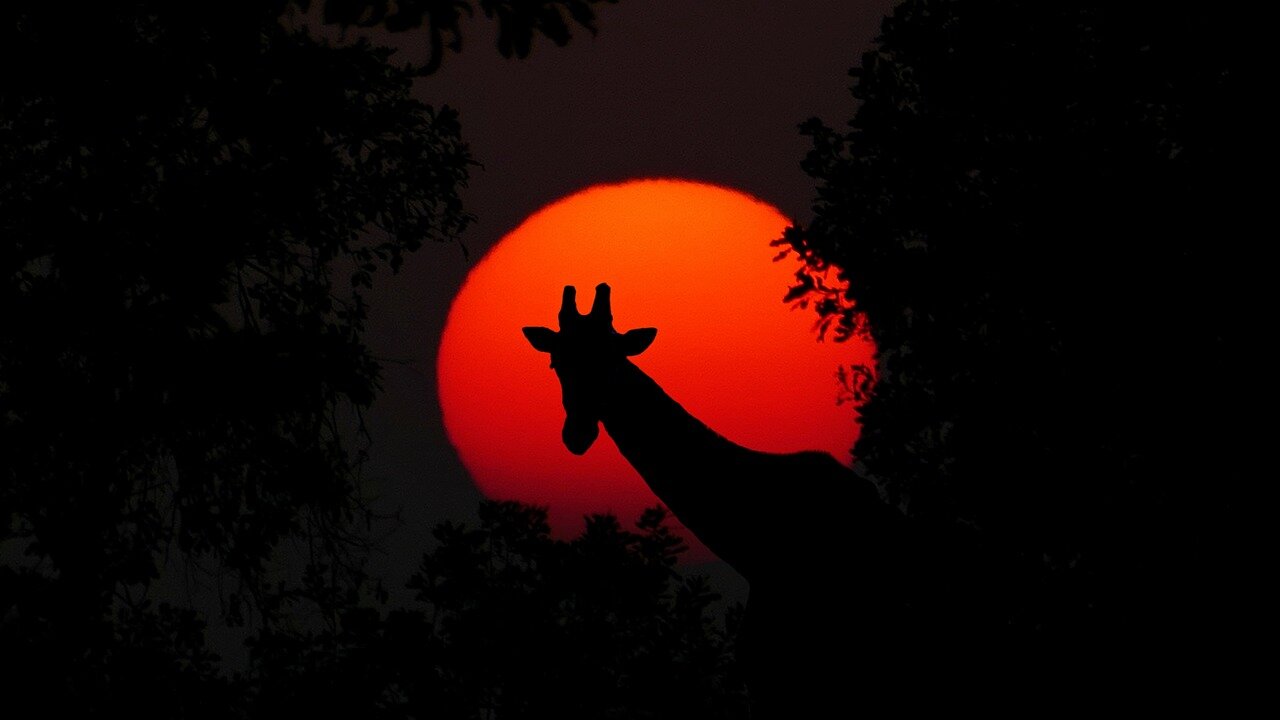
Potential impacts of new giraffe arrival on the ecosystem
The arrival of a new giraffe, especially one from a rare subspecies, could have significant implications for various groups and industries. Conservationists, local communities, and tourism operators stand to be directly affected by this development. The introduction of a new genetic lineage can enhance biodiversity, which is crucial for the health of ecosystems in regions where giraffes roam, similar to the collaborative efforts observed in other wildlife conservation projects.
In the short term, the presence of a rare giraffe can boost local tourism as wildlife enthusiasts and researchers flock to see the new addition. This influx of visitors can lead to increased revenue for local businesses, including hotels, restaurants, and tour operators. However, it also raises the risk of over-tourism, which can strain local resources and disrupt the natural habitat.
In the mid-term, the giraffe’s arrival may lead to policy changes focused on conservation efforts. Governments and organizations might implement stricter regulations to protect the species and its habitat, which could impact land use and local agriculture. While this may create challenges for some farmers, it could also present opportunities for eco-friendly agricultural practices and sustainable tourism initiatives.
- Economic boost: Increased tourism revenue for local businesses.
- Conservation policies: Potential changes in land use regulations.
- Community engagement: Opportunities for local involvement in conservation efforts.
- Risks of over-tourism: Strain on local resources and ecosystems.
Moreover, the introduction of a new giraffe could spark interest in wildlife conservation among local communities, fostering a sense of pride and responsibility towards protecting their natural heritage. This could lead to educational programs and initiatives aimed at promoting biodiversity, which would benefit both the local population and the ecosystem in the long run.
A: Giraffes are classified as endangered due to habitat loss, poaching, and declining populations. Their numbers have significantly decreased over the years, prompting urgent conservation efforts. A: Introducing a new giraffe can enhance genetic diversity, which is crucial for the health of the population. It can also help in breeding programs aimed at increasing numbers. A: The primary threats include habitat destruction, illegal hunting, and climate change. These factors contribute to the decline in their natural habitats and food sources. A: Various organizations are working on habitat restoration, anti-poaching initiatives, and breeding programs to help protect giraffes. These efforts aim to stabilize and increase their populations. A: Individuals can support giraffe conservation by donating to wildlife organizations, spreading awareness, and participating in local conservation activities.
Frequently asked questions about giraffe conservation
Key insights and future outlook for giraffe conservation
The recent arrival of a new giraffe into the conservation program presents a pivotal opportunity to enhance genetic diversity and bolster the population of this endangered species. As efforts to protect rare giraffes intensify, understanding the implications of this addition becomes crucial for effective conservation strategies.
Collaborative initiatives among wildlife organizations, local communities, and researchers will be essential in monitoring the new giraffe’s integration and its impact on the existing herd. This situation highlights the importance of adaptive management practices that can respond to the evolving needs of giraffe populations in their natural habitats.
- Monitor the genetic health of the giraffe population to ensure long-term viability.
- Engage local communities in conservation efforts to foster stewardship and support.
- Implement adaptive management strategies that can adjust to the changing dynamics of the herd.
- Explore partnerships with international conservation organizations to enhance resources and expertise.
- Raise awareness about the importance of giraffe conservation to garner public support and funding.