


The rise in anxiety among the youth can be attributed to various factors, including economic instability and the lingering effects of the COVID-19 pandemic. Many young individuals entered the job market during a turbulent economic period, leading to heightened uncertainty about their future career prospects. For further insights, you can explore what the Dutch can teach us about tackling youth unemployment.
Furthermore, the transition to a more automated workforce has raised questions about job availability in traditional sectors. As industries evolve, young workers are increasingly worried that their skills may not align with the demands of a changing job market, leaving them vulnerable to prolonged unemployment.
Government responses to address youth unemployment have been varied, with some countries implementing targeted initiatives to enhance job training and placement services. However, these measures have yet to fully alleviate the concerns of young people, as they continue to navigate a competitive and unpredictable employment landscape. Understanding these factors is crucial, as explained in another article on youth unemployment challenges.
Understanding the factors contributing to youth unemployment anxiety
The issue of youth unemployment has been a persistent challenge across various economies, particularly in the wake of global financial crises and economic downturns. Historically, young people have faced higher rates of unemployment compared to their older counterparts, primarily due to a lack of experience and skills that employers seek. However, recent trends indicate a record number of young individuals expressing anxiety about long-term unemployment, reflecting deeper socio-economic issues at play.

In the aftermath of the 2008 financial crisis, many economies struggled to recover fully, leading to stagnant job growth and an increase in precarious employment. This environment has disproportionately affected younger generations, who have entered the job market during a time of uncertainty. The emergence of gig economies and temporary contracts has further compounded this issue, leaving many young workers without the stability and benefits associated with traditional employment.
The impact of the COVID-19 pandemic
The COVID-19 pandemic has exacerbated existing vulnerabilities in the job market for young people. Lockdowns and restrictions led to significant job losses in sectors that typically employ a large number of youths, such as hospitality and retail. As businesses closed or reduced their workforce, young individuals found themselves not only facing immediate unemployment but also a bleak outlook for future job opportunities. This has resulted in heightened anxiety regarding their long-term career prospects.
Moreover, the rise of automation and technological advancements has changed the landscape of job availability. Many traditional roles have been replaced or diminished, creating a skills gap that young people must navigate. Educational institutions are increasingly being called upon to adapt their curricula to better prepare students for the evolving job market, yet there remains a lag in aligning education with market demands, further highlighting the issues surrounding youth unemployment.
As policymakers grapple with these challenges, the need for targeted interventions has become clear. Initiatives aimed at improving access to training, mentorship programs, and mental health support are crucial in addressing the anxiety surrounding long-term unemployment among youth. Understanding these historical and socio-economic factors is vital in developing effective solutions to ensure that young people can secure stable and fulfilling employment in the future.
Examining the key stakeholders and issues surrounding youth employment
The rising concerns about long-term unemployment among young people have brought various stakeholders into focus. Key actors in this scenario include governments, educational institutions, non-profit organizations, and the private sector. Each of these entities has distinct interests and responsibilities that influence the overall youth employment landscape.

Governments play a critical role in shaping policies that affect job creation and labor market access for young individuals. Their interests often lie in reducing unemployment rates to foster economic stability and growth. However, conflicting priorities, such as budget constraints and competing social programs, can hinder effective action. For instance, governments may prioritize immediate economic recovery measures over long-term youth employment strategies.
Educational institutions also have a vested interest in this issue, as they are responsible for equipping young people with the necessary skills for the job market. There is often a disconnect between the skills taught in schools and the demands of employers, leading to a gap that contributes to youth unemployment. This misalignment raises questions about curriculum relevance and the need for stronger partnerships between schools and industries.
- Non-profit organizations advocate for policies and programs that support youth employment, often focusing on marginalized groups who face additional barriers.
- The private sector has a dual interest in hiring skilled young workers while also managing costs. Companies may be hesitant to invest in training due to the perceived risk of high turnover rates among young employees.
- Economic factors such as inflation and recession can exacerbate unemployment rates, creating a challenging environment for young job seekers.
Ultimately, the interplay between these stakeholders highlights the complexity of addressing youth unemployment. Conflicts may arise when the interests of one group overshadow the needs of another, leading to trade-offs that can impact the effectiveness of solutions. As these dynamics evolve, it is crucial for all parties to engage in dialogue and collaboration to create sustainable pathways for young people entering the workforce.
The broader implications of youth unemployment fears on the economy
The recent surge in anxiety surrounding long-term unemployment among young people is a pressing concern that affects various demographics and sectors. Primarily, individuals aged 18 to 24 are at the forefront of this crisis, as they represent a significant portion of the workforce entering a challenging job market. This situation is exacerbated in regions with high youth populations and limited job opportunities, particularly in urban areas where the cost of living is high.
Industries such as hospitality, retail, and entertainment, which traditionally employ a large number of young workers, are experiencing significant disruptions. The pandemic’s aftermath has led to reduced hiring, layoffs, and shifts in consumer behavior, leaving many young individuals uncertain about their career prospects. This uncertainty not only affects their economic stability but also impacts their mental health and overall well-being.
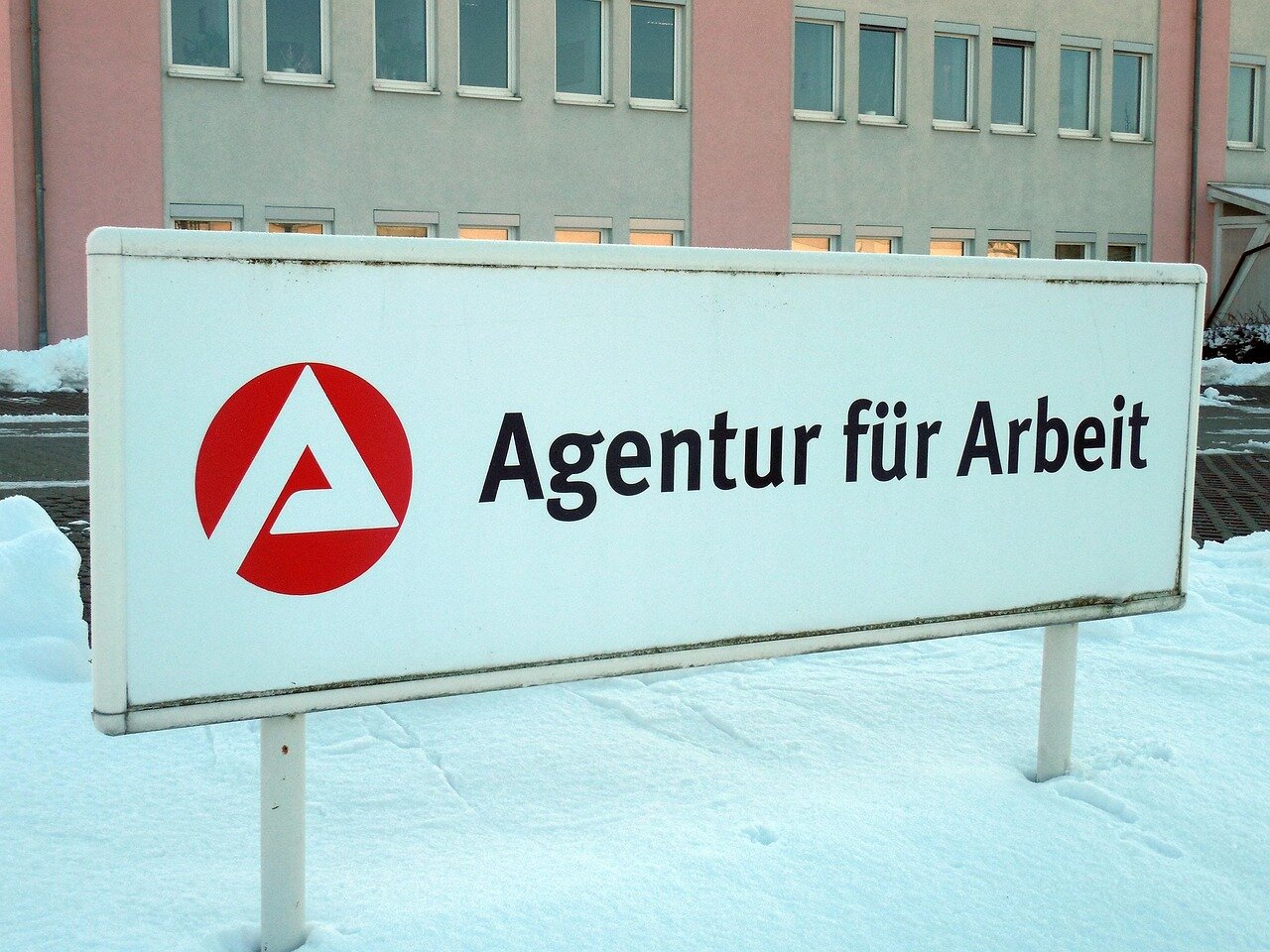
In the short term, the fears of unemployment can lead to decreased consumer spending as young people tighten their budgets in anticipation of financial difficulties. This shift can negatively impact businesses reliant on this demographic for revenue. In the mid-term, prolonged unemployment can result in skill erosion, making it even harder for young people to secure jobs in the future. Additionally, policymakers may be compelled to address these challenges through targeted initiatives, such as job training programs or incentives for businesses to hire young workers.
- Risks: Increased mental health issues among youth, reduced economic activity, and potential long-term skill gaps.
- Opportunities: Government initiatives for job creation, potential growth in sectors like technology and green jobs, and increased focus on entrepreneurship among young people.
Ultimately, the fears surrounding youth unemployment are not just a personal issue; they have far-reaching implications for the economy as a whole. Addressing these concerns effectively can lead to a more resilient workforce and a more robust economy in the future.
A: Young people fear long-term unemployment due to economic instability, lack of job opportunities, and the impact of automation on traditional roles. A: Long-term unemployment can lead to increased anxiety, depression, and a sense of hopelessness among young individuals, affecting their overall well-being. A: Governments and organizations can provide job training programs, internships, and mental health support to help young people navigate the job market more effectively. A: Yes, marginalized groups, including those from lower socioeconomic backgrounds, often experience heightened fears of unemployment due to systemic barriers. A: Education can equip young people with the skills needed for in-demand jobs, thereby reducing their fears of long-term unemployment.
Frequently asked questions about youth unemployment fears
Key takeaways and future outlook on youth employment concerns
The rising anxiety among young people regarding long-term unemployment highlights significant challenges in the job market that require immediate attention. With a record number of youths expressing fears about their future employment prospects, it is crucial for policymakers, educators, and businesses to understand the underlying factors contributing to this trend and to develop strategies that can effectively address them.
As we look ahead, the implications of these concerns extend beyond individual job seekers; they affect economic stability and social cohesion. By fostering a supportive environment that encourages skill development and job creation, we can mitigate the risks associated with youth unemployment and build a more resilient workforce for the future.
- Focus on Skill Development: Emphasizing training programs that align with market needs can enhance employability for young people.
- Encourage Entrepreneurship: Providing resources and support for young entrepreneurs can stimulate job creation and innovation.
- Strengthen Partnerships: Collaboration between educational institutions and industries can bridge the gap between skills and job opportunities.
- Monitor Mental Health: Addressing the psychological impact of unemployment fears is essential for the well-being of young individuals.
- Adapt to Changing Markets: Keeping abreast of economic trends will help in creating responsive policies that support youth employment.