


The Netherlands has emerged as a noteworthy example in addressing this crisis, implementing innovative policies that have successfully reduced youth unemployment. The Dutch government, in collaboration with various stakeholders, has introduced programs aimed at integrating young people into the workforce. For instance, initiatives such as the “No Dead Ends” program focus on providing tailored support and training to help young individuals transition from education to employment. You can learn more about similar initiatives in other regions by exploring the importance of information access.
Recent statistics indicate that the Netherlands has managed to lower its youth unemployment rate to around 7%, showcasing the effectiveness of its proactive measures. These efforts include partnerships with businesses to create apprenticeships and internships, ensuring that young people gain practical experience while still in education. Such strategies not only benefit the youth but also help fill labor shortages in various sectors.
The importance of addressing youth unemployment cannot be overstated, as it has far-reaching implications for economic stability and social cohesion. High levels of unemployment among young people can lead to increased poverty rates and social unrest, making it imperative for governments to adopt effective solutions. The Dutch model serves as a potential blueprint for other nations looking to combat this ongoing challenge.
The background of youth unemployment in Europe
Youth unemployment has been a persistent challenge in Europe, particularly exacerbated by economic downturns and shifts in labor market demands. Historically, the post-World War II era saw a boom in job creation, providing ample opportunities for young people entering the workforce. However, the economic crises of the late 20th and early 21st centuries, including the 2008 financial crisis, disrupted this trend, leading to soaring unemployment rates among young individuals. This change has prompted various responses, such as the Youth Guarantee program initiated by the European Union.

In the wake of these crises, many European countries faced structural changes in their economies, shifting from traditional industries to technology and services. This transition often left young workers, who may lack the necessary skills or experience, struggling to find stable employment. Countries like Spain and Greece have been particularly hard hit, with youth unemployment rates reaching alarming levels, prompting urgent calls for effective policy responses.
Key milestones in addressing youth unemployment
In response to the rising youth unemployment crisis, various initiatives have been launched across Europe. The European Union introduced the Youth Guarantee in 2013, a program aimed at ensuring that all young people receive a good-quality offer of employment, continued education, or training within four months of leaving school or becoming unemployed. This initiative marked a significant milestone in recognizing the need for targeted interventions to support young job seekers.
Additionally, countries like the Netherlands have implemented innovative approaches to tackle youth unemployment, emphasizing collaboration between government, businesses, and educational institutions. The Dutch model, which focuses on creating pathways to employment and skill development, has garnered attention as a potential blueprint for other nations grappling with similar challenges. It’s interesting to compare this with the initiatives undertaken in various domains, such as those illustrated in the recent article about Kanya King and the Mobo awards.
As the landscape of work continues to evolve, it is crucial to learn from these experiences and adapt strategies that not only address immediate unemployment rates but also prepare young people for a rapidly changing job market. Understanding the historical context and the effectiveness of various interventions will be key to shaping future policies aimed at reducing youth unemployment across Europe.
Key stakeholders and their roles in addressing the issue
In the context of youth unemployment, various stakeholders play pivotal roles in shaping policies and implementing programs aimed at reducing joblessness among young people. These stakeholders include government entities, educational institutions, non-profit organizations, and the private sector. Each actor has distinct interests and motivations that influence their approach to tackling this pressing issue.
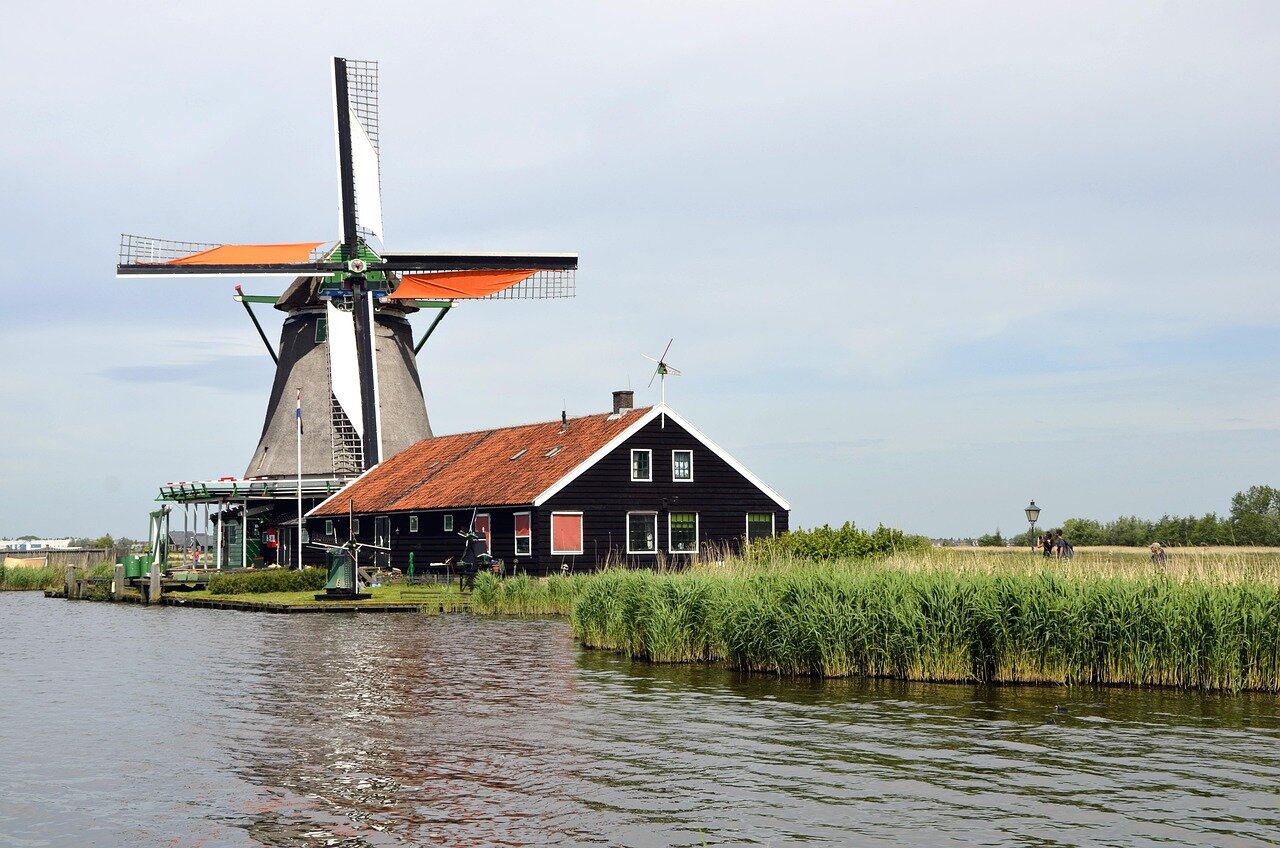
The Dutch government is a primary stakeholder, aiming to create a robust labor market that includes young people. Their interest lies in reducing unemployment rates to foster economic growth and social stability. To achieve this, the government has implemented policies that encourage collaboration between educational institutions and businesses, promoting apprenticeships and vocational training.
Educational institutions, such as universities and vocational schools, are also key players. Their interest is to equip students with relevant skills that meet the demands of the labor market. However, they face challenges in aligning curricula with industry needs, which can lead to a mismatch between graduates’ skills and employers’ expectations.
- Non-profit organizations: These groups often advocate for marginalized youth, focusing on providing support services and job training programs. Their goal is to empower young people and ensure they have access to opportunities.
- Private sector: Businesses have a vested interest in reducing youth unemployment as it expands their potential workforce. However, they may struggle with the costs associated with training and mentoring young employees.
- Local communities: Community leaders and organizations work to address youth unemployment at a grassroots level, identifying specific local needs and fostering partnerships to create job opportunities.
Conflicts may arise among these stakeholders, particularly regarding resource allocation and differing priorities. For instance, while the government may prioritize economic efficiency, educational institutions might focus on academic integrity and student welfare. Additionally, the legal frameworks governing employment and education can create trade-offs, as regulations may limit the flexibility needed to adapt quickly to changing market demands.
Ultimately, navigating these complexities requires a collaborative approach that balances the interests of all stakeholders. By fostering dialogue and partnerships, the Dutch model demonstrates how a multi-faceted strategy can effectively address youth unemployment and provide valuable lessons for other nations facing similar challenges.
The impact of youth unemployment on society and the economy
Youth unemployment is a pressing issue that affects various groups across society, particularly young individuals aged 15 to 24. This demographic is often at a critical juncture in their lives, where securing employment is essential for gaining financial independence and building a foundation for their future. The implications of youth unemployment extend beyond the individuals themselves, impacting families, communities, and the broader economy.

Regions with high youth unemployment rates, such as urban areas with limited job opportunities, are particularly affected. Industries that typically employ young people, such as retail, hospitality, and service sectors, face significant challenges when youth are unable to enter the workforce. This not only hinders the personal development of young individuals but also stifles economic growth and innovation within these sectors.
In the short term, the effects of youth unemployment manifest in increased reliance on social welfare programs, which can strain public resources. Young people may experience diminished mental health and social isolation, leading to broader societal issues. In the mid-term, prolonged unemployment can result in skill degradation, making it even harder for young people to find work as they become less competitive in the job market.
- Risks: Increased social unrest and economic instability.
- Opportunities: Programs inspired by Dutch models can lead to better vocational training and apprenticeship schemes.
- Risks: Long-term dependency on government support.
- Opportunities: Strengthened partnerships between educational institutions and businesses to create job-ready graduates.
Ultimately, addressing youth unemployment not only benefits those directly affected but also enhances community resilience and economic vitality. By investing in effective strategies, societies can harness the potential of their youth, paving the way for a more prosperous future.
A: The Dutch have focused on vocational training and strong partnerships between businesses and educational institutions, creating pathways for youth into the job market. A: Unlike many countries that rely heavily on unemployment benefits, the Dutch model emphasizes active labor market policies and integration of youth into the workforce. A: Employers in the Netherlands are encouraged to participate in training programs and internships, which helps bridge the gap between education and employment. A: Yes, other countries can adapt the Dutch model by fostering collaboration between government, education, and industry to create effective employment pathways.
Frequently asked questions about youth unemployment solutions
Key takeaways and future outlook on youth employment strategies
The Dutch approach to youth unemployment emphasizes the importance of comprehensive support systems that engage young people from various angles. By fostering collaboration between government, educational institutions, and the private sector, the Netherlands has created a model that not only addresses immediate job placement but also equips youth with the skills necessary for long-term career success. This holistic strategy serves as a valuable framework for other nations grappling with similar challenges.
As countries look to adapt these insights, it is crucial to recognize the need for tailored solutions that consider local contexts and labor market demands. The emphasis on early intervention and continuous support can significantly reduce youth unemployment rates and enhance overall economic stability.
- Collaboration is key: Strengthening partnerships between government, education, and industry can create a more effective support network for youth.
- Focus on skills development: Prioritizing vocational training and apprenticeships can bridge the gap between education and employment.
- Early intervention matters: Engaging with young people before they enter the job market can help identify and address barriers to employment.
- Adaptability is essential: Tailoring strategies to fit local economic conditions ensures that initiatives remain relevant and effective.
- Continuous support: Providing ongoing guidance and resources can help young individuals navigate their career paths more successfully.