


Recently, the museum has been the focus of discussions among local historians and community leaders regarding its preservation and role in tourism. In 2023, the Georgetown Historical Society launched a campaign to raise funds for restoration projects aimed at maintaining the building’s structural integrity and historical authenticity. This initiative is critical as the museum not only represents local heritage but also contributes to the economic vitality of the area.
Moreover, the museum’s educational programs have gained traction, with guided tours and workshops designed to engage visitors of all ages. These programs highlight the cultural significance of the hotel and the surrounding community, fostering a deeper appreciation for Colorado’s mining history. As the museum adapts to contemporary interests, it plays a pivotal role in connecting past and present for locals and tourists alike.
In summary, the ongoing efforts to promote and preserve the Hotel de Paris Museum reflect broader trends in heritage conservation and community engagement.
The historical background of the Hotel de Paris
The Hotel de Paris, located in Georgetown, Colorado, stands as a testament to the rich history of the American West during the late 19th century. Established in 1875 by Louis Dupuy, a French immigrant, the hotel initially served as a luxurious lodging option for affluent travelers and miners seeking respite from the rigors of the Colorado Gold Rush. Its construction was a reflection of the booming economy fueled by mining activities in the region, which attracted a diverse population eager to capitalize on the newfound wealth.
As the mining industry flourished, Georgetown became a key hub for commerce and transportation. The Hotel de Paris was strategically positioned to cater to the influx of visitors, offering not only accommodations but also fine dining and social gatherings.
Significant milestones in the hotel’s history
Throughout its existence, the Hotel de Paris has witnessed numerous historical milestones that have shaped its identity. In the early 20th century, the hotel transitioned from a luxurious destination to a more modest establishment, adapting to the changing socio-economic landscape as mining activities declined. Despite these challenges, the hotel remained a vital part of Georgetown’s heritage, eventually earning recognition as a historic site.
Today, the Hotel de Paris operates as a museum, showcasing artifacts and stories from its storied past, thereby preserving the legacy of a bygone era for future generations to explore and appreciate.
Key issues surrounding the preservation of the museum
The Hotel de Paris Museum in Georgetown, Colorado, stands as a testament to the region’s rich history and cultural heritage. However, its preservation involves a complex interplay of various stakeholders, each with distinct interests and concerns. Key actors include local government authorities, historical preservation organizations, community members, and tourism operators.
Local government officials are primarily concerned with the economic implications of maintaining the museum. They recognize that the Hotel de Paris attracts tourists, which can significantly contribute to the local economy. However, budget constraints and competing priorities for public funds can lead to tensions regarding the allocation of resources for preservation efforts.
Historical preservation organizations advocate for the protection of the museum as a vital piece of Colorado’s heritage. Their interest lies in ensuring that the building is maintained according to historical standards, which can sometimes conflict with the interests of local businesses that may favor more modern developments. This creates a trade-off between economic growth and cultural preservation.
Community members also play a crucial role in this discussion. Some residents may prioritize the museum’s preservation for its educational value and historical significance, while others might argue for its redevelopment to boost local commerce. This divergence of opinions highlights the need for inclusive dialogue among stakeholders to address the community’s diverse interests.
- Economic pressures: Balancing tourism revenue with preservation costs.
- Historical integrity: Ensuring restoration aligns with historical accuracy.
- Community engagement: Involving local voices in preservation decisions.
- Legal considerations: Navigating regulations governing historical sites.
- Future development: Assessing the impact of new projects on the museum’s viability.
The impact of the museum on local tourism and economy
The Hotel de Paris Museum in Georgetown, Colorado, stands to significantly affect various groups, including local residents, businesses, and the tourism industry. As a historical site, it attracts visitors interested in the rich mining history of the area, thereby benefiting the local economy.
In the short term, the museum’s opening is expected to increase foot traffic in Georgetown, leading to a rise in demand for local services such as restaurants, shops, and hotels. This influx of tourists can provide a much-needed boost to small businesses that have struggled in recent years, especially post-pandemic.
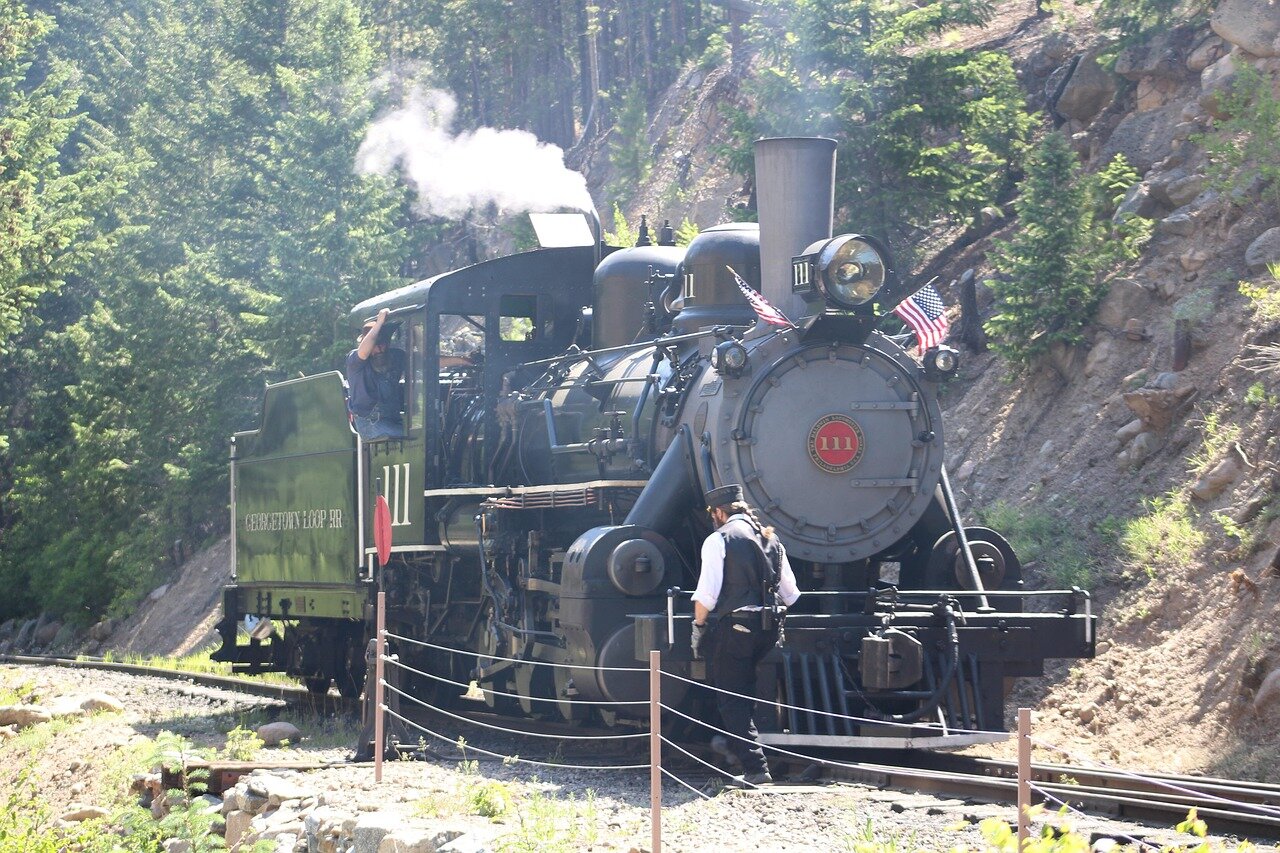
In the mid-term, the sustained interest in the museum could lead to the development of new business opportunities, such as guided tours and themed events. Local authorities may also consider policies that further promote tourism, such as improved infrastructure or marketing campaigns to attract visitors year-round.
- Increased tourism: More visitors can lead to higher revenue for local businesses.
- Job creation: New opportunities may arise in hospitality and service sectors.
- Community engagement: Local residents may become more involved in preserving and promoting their heritage.
However, there are risks associated with this increased focus on tourism. Overcrowding and strain on local resources could occur if not managed properly. Additionally, there is the potential for cultural dilution if the area becomes overly commercialized. Balancing growth while preserving the town’s unique character will be crucial for long-term success.
A: The Hotel de Paris Museum is a historic site located in Georgetown, Colorado, showcasing the history of the hotel that served miners and travelers in the 19th century. A: The museum was established in 1954 and has since been dedicated to preserving the history of the hotel and the region. A: Visitors can explore exhibits featuring artifacts from the hotel’s past, including guest rooms, dining areas, and mining memorabilia. A: Yes, there is a small admission fee to enter the museum, which helps support its maintenance and educational programs. A: Yes, the museum offers guided tours that provide in-depth information about its history and significance. A: The Hotel de Paris Museum is typically open from May to October, but it is advisable to check their official website for current hours.
Frequently asked questions about the Hotel de Paris Museum
Future outlook for the Hotel de Paris Museum and its role in Georgetown
The Hotel de Paris Museum stands as a testament to Georgetown’s rich history and cultural heritage, providing visitors with a unique glimpse into the past. As the museum continues to attract tourists and locals alike, its influence on the community is expected to grow, fostering a deeper appreciation for the area’s historical significance.
Looking ahead, the museum’s role in promoting educational programs and community events will be crucial in enhancing visitor engagement. By leveraging its historical narrative, the Hotel de Paris Museum can serve as a catalyst for economic growth and cultural preservation in Georgetown.
- Increased Visitor Engagement: Expect more interactive exhibits and educational programs that cater to diverse audiences.
- Economic Impact: The museum’s popularity may boost local businesses, encouraging collaboration with nearby shops and restaurants.
- Cultural Preservation: Continued efforts to maintain and restore the museum will ensure that Georgetown’s history remains accessible to future generations.
- Community Involvement: The museum could become a hub for local events, fostering community spirit and involvement.