


The valuation debate intensified following SpaceX’s latest funding round in 2023, where it raised $1.7 billion. While this influx of capital demonstrates strong investor interest, many experts argue that the valuation may not accurately reflect the company’s current revenue streams and operational challenges. The growing concerns about profitability and the competitive landscape in the space industry are contributing factors to this discourse. For more insights into financial dynamics, you may explore related topics in technology and funding.
Additionally, SpaceX’s ambitious plans, including its goal to establish a human settlement on Mars and its Starlink satellite internet service, have generated both excitement and skepticism. As the company continues to invest heavily in research and development, the question remains whether these initiatives will translate into sustainable revenue or if they will lead to further financial strain.
Moreover, the broader economic climate, characterized by rising interest rates and inflationary pressures, could impact investor sentiment towards high-valuation tech companies like SpaceX. As the market recalibrates, it is crucial for SpaceX to demonstrate its ability to deliver on its promises while navigating these external challenges.
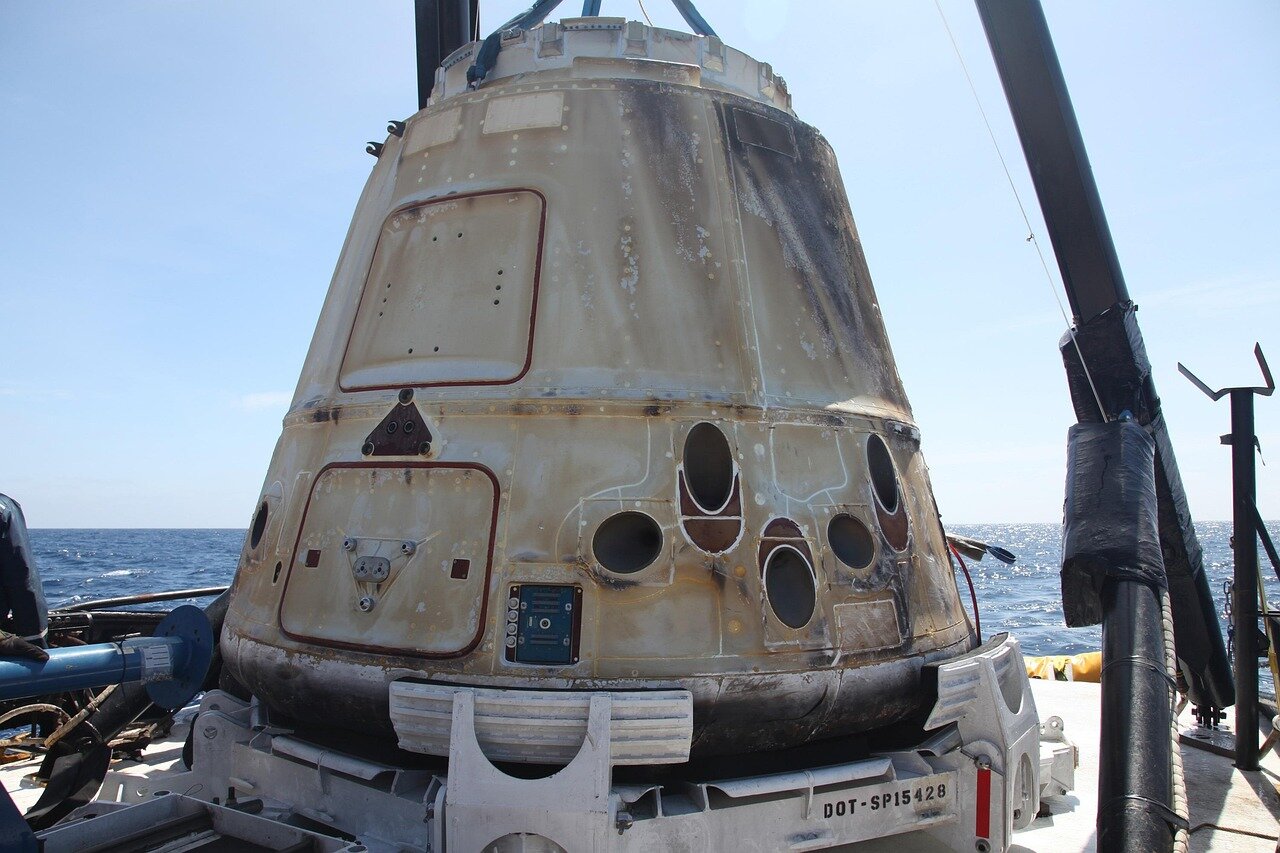
The background of SpaceX’s rapid growth and market position
SpaceX, founded in 2002 by Elon Musk, has rapidly transformed the landscape of the aerospace industry. Initially aimed at reducing space transportation costs and enabling the colonization of Mars, the company has achieved significant milestones, including the first privately-funded spacecraft to reach orbit and the first to dock with the International Space Station. These achievements have not only propelled SpaceX into the spotlight but have also attracted substantial investment, leading to a valuation that many now consider inflated.
The political backdrop of SpaceX’s rise is marked by a shift towards privatization in space exploration. In the early 2000s, the U.S. government began to encourage private sector involvement in space missions, leading to partnerships with NASA and contracts for satellite launches. This change in policy provided a fertile ground for SpaceX to grow, as it was able to secure lucrative government contracts while also competing in the commercial sector. This situation mirrors the concerns raised by stakeholders in other sectors.
Economically, the global demand for satellite launches and space exploration has surged over the past decade, driven by advancements in technology and increased interest in satellite internet and space tourism. SpaceX has capitalized on this trend, positioning itself as a leader in the industry. However, the company’s high valuation, which some analysts argue is based on future potential rather than current profitability, raises concerns about its sustainability in a competitive market.
Key milestones in SpaceX’s journey
Several key milestones have marked SpaceX’s journey, including the successful launch of the Falcon 1 in 2008, the first privately developed liquid-fueled rocket to reach orbit. The subsequent development of the Falcon 9 and Falcon Heavy rockets further solidified its market position. Additionally, the successful crewed missions to the International Space Station have showcased SpaceX’s capabilities and reliability, leading to increased investor confidence and a surge in valuation, much like how lower tier tennis players build their careers through consistent performances.
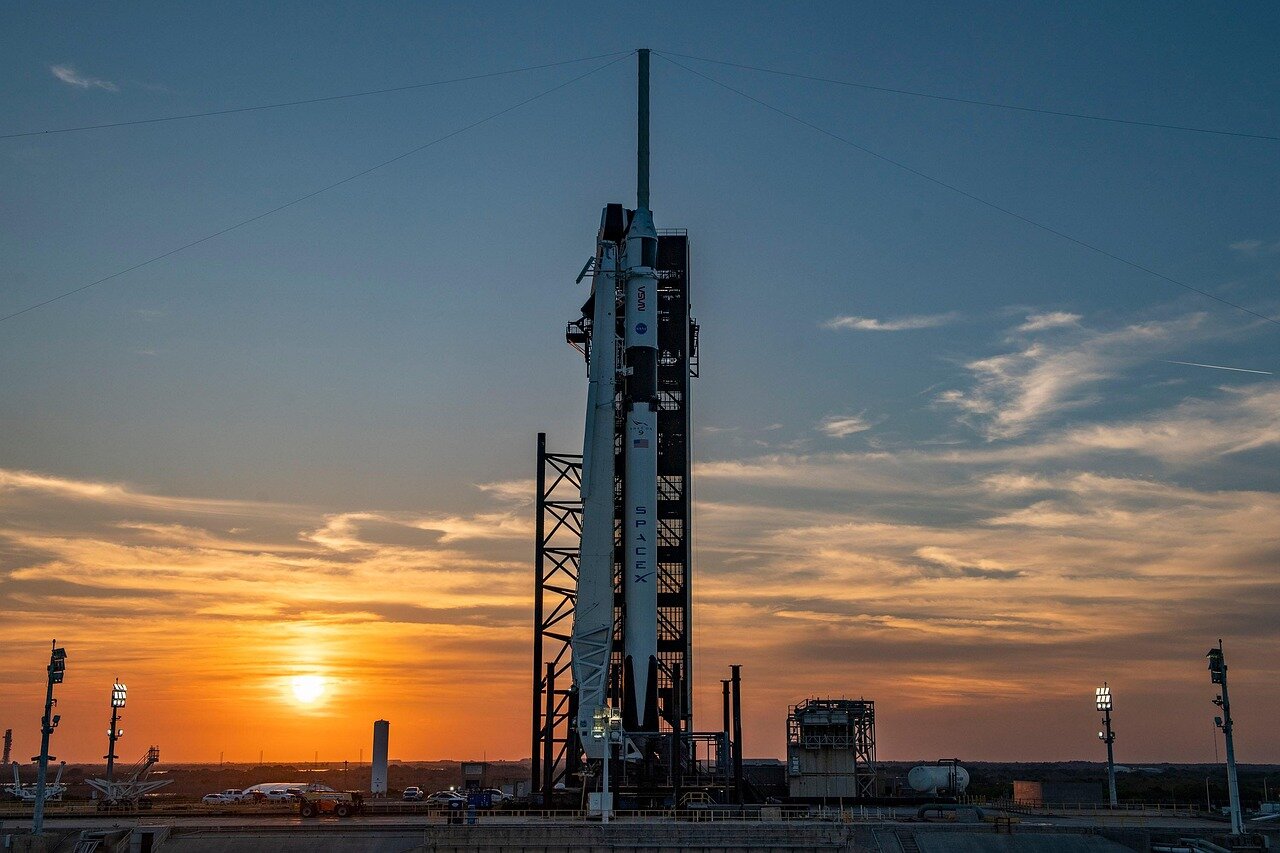
Despite its successes, analysts are now questioning whether SpaceX’s current valuation accurately reflects its financial health and market conditions. As the company continues to innovate and expand its services, it faces the challenge of justifying its worth amid growing competition and fluctuating market demands.
Key stakeholders and the implications of SpaceX’s valuation
SpaceX, as a leading player in the aerospace industry, has a diverse range of stakeholders, each with distinct interests. Key stakeholders include investors, government agencies, competitors, and the general public. Investors are primarily concerned with the company’s financial performance and future growth potential, while government agencies focus on regulatory compliance and national security implications of space activities.
One of the central conflicts arises between the expectations of investors and the actual market realities. SpaceX’s high valuation reflects optimism about its future prospects, particularly with ambitious projects like Starship and satellite internet services through Starlink. However, this valuation may not align with the current economic climate and the challenges of achieving profitability in the aerospace sector.
Additionally, trade-offs exist between innovation and safety. While SpaceX pushes the boundaries of space exploration and technology, ensuring safety and regulatory compliance is paramount. Any misstep could not only affect public perception but also lead to legal repercussions and financial losses.
- Investor Expectations: The pressure to deliver returns may lead to short-term decisions that compromise long-term goals.
- Regulatory Scrutiny: Increased government oversight could impact operational timelines and costs.
- Market Competition: Rival companies may seek to capitalize on any missteps by SpaceX, further complicating the competitive landscape.
- Public Perception: Failures or delays could erode public trust, affecting future funding and support.
In summary, the interplay between these stakeholders and the issues at hand highlights the complexities of SpaceX’s position in the market. The current valuation may need to be reassessed in light of these dynamics to ensure sustainable growth and innovation in the aerospace sector.
Who will be affected by SpaceX’s valuation adjustments?
The adjustments to SpaceX’s valuation are poised to impact a variety of stakeholders, including investors, employees, and the broader aerospace industry. Venture capitalists and private equity firms that have heavily invested in SpaceX will need to reassess their portfolios, while employees may experience changes in job security and compensation structures as the company recalibrates its financial strategies.
In the short term, the aerospace sector may witness fluctuations in stock prices and investment patterns. Companies that collaborate with SpaceX, such as suppliers and technology partners, could face uncertainty regarding future contracts and funding. This could lead to a ripple effect, affecting jobs and economic stability in regions heavily reliant on aerospace industries, such as California and Texas.
Mid-term impacts may include shifts in policy as government entities reassess their partnerships and funding for space exploration initiatives. Policymakers may prioritize different projects or companies based on SpaceX’s new valuation, potentially altering the competitive landscape in the space industry.

- Risks: Decreased investor confidence could lead to reduced funding for innovation.
- Risks: Job insecurity for employees amidst restructuring efforts.
- Opportunities: Potential for new entrants in the aerospace market as valuations normalize.
- Opportunities: Increased focus on sustainable practices in space exploration.
Overall, the recalibration of SpaceX’s valuation will not only affect the company itself but also create a broader impact across various sectors, influencing both economic conditions and technological advancements in space exploration.
A: SpaceX’s valuation is influenced by its ambitious projects, successful launches, and investor confidence. However, market volatility and competition in the aerospace sector also play significant roles. A: A decrease in valuation could limit SpaceX’s access to capital, impacting its ability to fund new projects and innovations. It may also affect investor sentiment and partnerships. A: A more realistic valuation could lead to sustainable growth, improved investor relations, and a more stable financial foundation for future endeavors. A: Compared to its competitors, SpaceX has a higher valuation due to its pioneering technology and market leadership. However, this also raises questions about sustainability and future performance. A: The outlook for SpaceX depends on its ability to adapt to market conditions and investor expectations. Strategic adjustments in valuation could enhance its long-term prospects.
Frequently asked questions about SpaceX’s valuation
Future outlook for SpaceX and its valuation adjustments
As SpaceX continues to push the boundaries of space exploration and satellite technology, it faces the inevitable challenge of aligning its ambitious goals with a realistic valuation. Investors and analysts will need to closely monitor the company’s performance in the coming quarters to determine whether its current market valuation can be justified by tangible achievements. A recalibration of expectations may be necessary as the company navigates its path forward amid increasing competition and evolving market dynamics.
Key factors to observe include the progress of upcoming launches, the success of the Starship program, and how effectively SpaceX can monetize its innovations. A more grounded valuation could pave the way for sustainable growth, ensuring that the company remains a leader in the aerospace sector without falling prey to overvaluation pitfalls.
- Monitor SpaceX’s upcoming launch schedules and success rates to gauge operational efficiency.
- Evaluate the market response to the Starship program’s milestones and its impact on future contracts.
- Watch for shifts in investor sentiment as financial performance becomes clearer in relation to valuation.
- Consider the implications of increased competition and regulatory changes on SpaceX’s market position.
- Assess how SpaceX’s strategic partnerships and collaborations may influence its long-term financial outlook.