


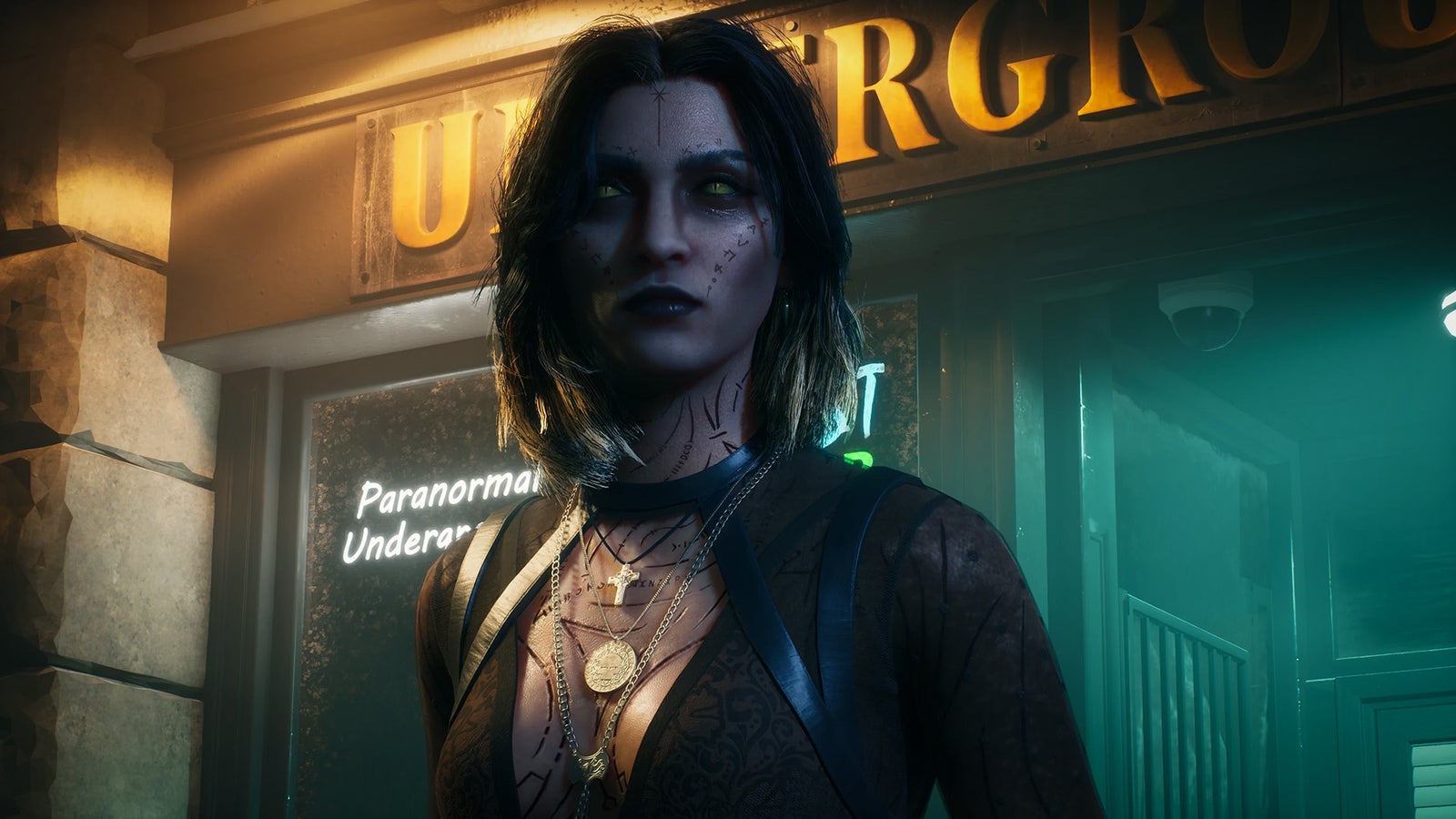
Despite high expectations from fans of the franchise, the game has struggled to gain traction in the market. Paradox’s acknowledgment of their role in the game’s underperformance highlights the impact of mismanagement and the importance of effective marketing strategies in the gaming industry. For more insights on corporate challenges, you can read the article on Coatsink’s recent layoffs amid market challenges.
The company revealed that the decision to delay the game’s release multiple times contributed significantly to its lackluster sales. Originally slated for a 2020 launch, Bloodlines 2 has faced numerous setbacks, leading to a loss of momentum and interest among potential players.
In a bid to address these issues, Paradox has committed to improving their development processes and ensuring better communication with their audience. This move is seen as crucial not only for restoring trust with fans but also for the future success of the Vampire: The Masquerade franchise, which has a dedicated fan following that can be deeply impacted by these changes.
Background on the development and release of Bloodlines 2
The development of “Vampire: The Masquerade – Bloodlines 2” has been a tumultuous journey marked by high expectations and significant challenges. Originally announced in 2019, the game was anticipated as a sequel to the cult classic “Vampire: The Masquerade – Bloodlines,” which was released in 2004. The original game garnered a dedicated fanbase due to its rich storytelling, complex characters, and immersive world, setting a high bar for its successor.

As development progressed, Paradox Interactive, the game’s publisher, faced numerous setbacks, including changes in the development team and the eventual departure of the lead studio, Hardsuit Labs. These changes created a ripple effect that delayed the game’s release multiple times, leading to growing concerns among fans about the project’s viability, similar to the anxieties faced in the gaming community as highlighted in the discussion on evaluating team performance in sports.
Economically, the gaming industry has experienced significant shifts in consumer behavior, with players increasingly demanding polished and complete experiences at launch. This trend has placed additional pressure on developers and publishers to deliver high-quality products. Despite these challenges, Paradox maintained its commitment to the project, ultimately deciding to take full responsibility for the game’s lackluster sales upon its eventual release in 2023.
Key Milestones in Development
Several key milestones punctuated the development of Bloodlines 2, each contributing to the game’s narrative of struggle. The initial reveal at PAX West in 2019 generated significant excitement, but subsequent announcements regarding delays and changes in leadership dampened enthusiasm. The decision to shift the game’s direction and the eventual cancellation of the original release date in 2021 were critical moments that highlighted the complexities of modern game development.
Moreover, the impact of the COVID-19 pandemic on the gaming industry cannot be overlooked. Many studios faced unprecedented challenges, and for Bloodlines 2, this period was particularly detrimental in terms of maintaining team cohesion and project timelines. As Paradox reflects on the game’s performance, the acknowledgment of their responsibility underscores the importance of transparency and accountability in the gaming community.
Key issues affecting the game’s sales and reception
The release of “Vampire: The Masquerade – Bloodlines 2” has been marred by a series of challenges, leading to disappointing sales figures. The primary actor in this scenario is Paradox Interactive, the game’s publisher, which has publicly taken responsibility for the game’s performance. Their interests lie in maintaining a strong brand reputation and ensuring profitability through successful game launches.

Another key stakeholder is the development team, originally led by Hardsuit Labs, which faced numerous setbacks, including changes in leadership and creative direction. These internal conflicts have resulted in delays and a lack of coherent vision, ultimately impacting the game’s quality and reception among fans of the franchise.
Additionally, the gaming community plays a significant role in shaping the game’s perception. Fans of the “Vampire: The Masquerade” series have high expectations, and any deviation from the established lore or gameplay mechanics can lead to backlash. The interests of this group revolve around fidelity to the original series and the desire for a polished gaming experience.
- Leadership Changes: Frequent changes in the development team have led to inconsistent messaging and project delays.
- Community Expectations: Fans have expressed frustration over unmet expectations, contributing to negative sentiment around the game.
- Market Competition: The crowded gaming market has made it difficult for “Bloodlines 2” to stand out, impacting sales.
- Legal and Economic Factors: Potential legal issues related to intellectual property or contractual obligations may have affected development timelines.
- Publisher Accountability: Paradox’s admission of responsibility raises questions about their future strategies and decision-making processes.
These elements highlight the complex interplay between the publisher, developers, and the gaming community, illustrating how various interests can conflict and influence the outcome of a major game release. The challenges faced by “Vampire: The Masquerade – Bloodlines 2” serve as a case study in the importance of cohesive development and market alignment in the gaming industry.
How the sales impact Paradox and the gaming community
The disappointing sales of Vampire: The Masquerade – Bloodlines 2 have significant implications for various stakeholders, primarily Paradox Interactive, the gaming community, and the broader gaming industry. As the publisher, Paradox has acknowledged its responsibility, which highlights the interconnected nature of game development, marketing, and community engagement.
One of the most immediate impacts is on Paradox’s financial health. Poor sales can lead to budget cuts, affecting not only current projects but also future game development. This situation could result in layoffs or a reduction in resources allocated to new titles, potentially stifling creativity and innovation within the company.

For the gaming community, the repercussions are multifaceted. Fans of the Vampire: The Masquerade franchise may feel disheartened by the lack of a successful sequel, which could lead to diminished interest in future titles. Additionally, this situation may create a ripple effect, causing gamers to be more cautious in their purchasing decisions, particularly for games from Paradox or those with similar themes.
- Short-term risks: Decreased consumer trust in Paradox’s ability to deliver quality games.
- Mid-term risks: Potential decline in the overall reputation of the Vampire: The Masquerade brand.
- Opportunities: Paradox could pivot to more community-driven development, engaging fans to rebuild trust and excitement.
- Opportunities: The company may explore new marketing strategies or collaborations to rejuvenate interest in the franchise.
In the broader industry context, the situation serves as a cautionary tale about the importance of aligning game development with community expectations and market demands. As companies analyze this case, there may be a shift towards more transparent communication and fan involvement in the development process, potentially reshaping industry standards.
A: Several factors contributed to the disappointing sales, including development delays, marketing challenges, and mixed reviews from players and critics. A: Paradox has stated that they take full responsibility and are analyzing feedback to improve future projects and marketing strategies. A: While there are no specific announcements yet, Paradox has indicated that they are considering future content based on community feedback. A: The future of the Vampire franchise will depend on how Paradox navigates this setback and engages with its fanbase moving forward.
Frequently asked questions about Bloodlines 2 sales
Key takeaways and future outlook for Paradox
The recent admission by Paradox Interactive regarding the disappointing sales of “Vampire: The Masquerade – Bloodlines 2” highlights the complexities of game publishing and the inherent responsibilities that come with it. As the publisher, Paradox acknowledges its role in the game’s underperformance, suggesting a need for introspection and strategic adjustments moving forward. This scenario serves as a reminder of the impact that marketing, community engagement, and development timelines can have on a game’s success.
Looking ahead, Paradox must navigate its path with a renewed focus on transparency and collaboration with both developers and the gaming community. The lessons learned from this experience could shape future projects, ultimately leading to more robust sales and a stronger brand reputation.
- Enhanced Marketing Strategies: Future titles may benefit from more targeted marketing campaigns that resonate with the audience’s expectations.
- Community Engagement: Building a stronger relationship with fans through regular updates and feedback mechanisms could improve player loyalty and anticipation.
- Development Timeline Management: Ensuring that development schedules are realistic and transparent can help align expectations and mitigate disappointment.
- Learning from Failure: Embracing this setback as a learning opportunity could foster innovation and resilience in future projects.
- Focus on Quality: Prioritizing the quality of the gaming experience over rushed releases may enhance overall customer satisfaction and brand trust.