


Notably, the fastest lap was recorded by Peter Hickman, who clocked in at an impressive 16 minutes and 42 seconds. This performance not only establishes him as a favorite but also underscores his consistency and experience on the challenging course. For more insights on rider performances, check out this article.
The qualifying sessions revealed varying levels of performance among the teams, with some experiencing mechanical issues that could affect their race day strategies. Teams like Tyco BMW and Smiths Racing have shown strong potential, while others are still grappling with setup challenges. The ability to fine-tune machines in the remaining practice sessions will be crucial for these competitors.
As the event approaches its main races, the implications of these qualifying results are significant. They not only influence the starting grid but also the psychological edge riders may carry into the races. With the unpredictability of the weather and the demanding nature of the course, the qualifying results are just the beginning of what could be a thrilling TT experience. To explore more about the historical context of the event, consider reading this post.
Background on the IOM TT and its qualifying sessions
The Isle of Man TT (Tourist Trophy) races, first held in 1907, are among the oldest and most prestigious motorcycle races in the world. This annual event takes place on the public roads of the Isle of Man, where riders compete in time trials over a challenging 37.73-mile course. The TT has a rich history that intertwines with the evolution of motorcycle racing, showcasing both technological advancements and the increasing skill of riders over more than a century.
Qualifying sessions are a critical component of the IOM TT, allowing riders to set their fastest lap times before the main races. These sessions not only determine the starting positions but also provide insights into the performance and capabilities of different riders and their machines. The results of these sessions often serve as a predictor for race outcomes, as they reflect the riders’ familiarity with the course and their ability to navigate its complexities at high speeds. Interested in how these dynamics affect competitions beyond racing? Read about it in this article.
The significance of qualifying times
Historically, the qualifying sessions have seen various milestones that have shaped the competitive landscape of the TT. For instance, the introduction of electronic timing and data analysis tools has transformed how teams prepare and strategize for both qualifying and race day. As riders push the limits, qualifying times have become increasingly competitive, with lap records continually being shattered, showcasing the relentless pursuit of speed and precision.
Moreover, the political and economic contexts surrounding the IOM TT have also impacted its qualifying sessions. The Isle of Man government has invested significantly in infrastructure and safety measures, leading to improved conditions for both riders and spectators. These investments have not only enhanced the experience but have also attracted a broader range of competitors, thus increasing the overall competitiveness of the event.

As we analyze the recent qualifying sessions, it becomes evident that trends in performance can indicate potential winners. Factors such as rider experience, machine performance, and even weather conditions during qualifying can all play pivotal roles in shaping the outcomes of the races. Understanding these dynamics is essential for fans and analysts alike as they speculate on who may emerge victorious in the highly anticipated races ahead.
Key factors influencing potential race winners
The International Isle of Man Tourist Trophy (IOM TT) is not only a test of speed but also a complex interplay of various stakeholders and factors that influence the outcomes of the races. Understanding these dynamics can shed light on which competitors might emerge victorious.
Key actors in this context include the riders, their teams, sponsors, and the governing bodies overseeing the event. Each of these stakeholders has distinct interests; for instance, riders aim for personal glory and recognition, while teams focus on securing sponsorship deals and maintaining their competitive edge. Sponsors, on the other hand, seek visibility and brand association with success, which can drive their investment decisions.
Furthermore, the relationship between the Isle of Man government and the IOM TT organizers plays a crucial role. The government’s support can influence the event’s funding and promotion, impacting the overall competitiveness of the race. Legal regulations, safety protocols, and financial backing are also vital considerations that can affect the performance of the riders and teams.
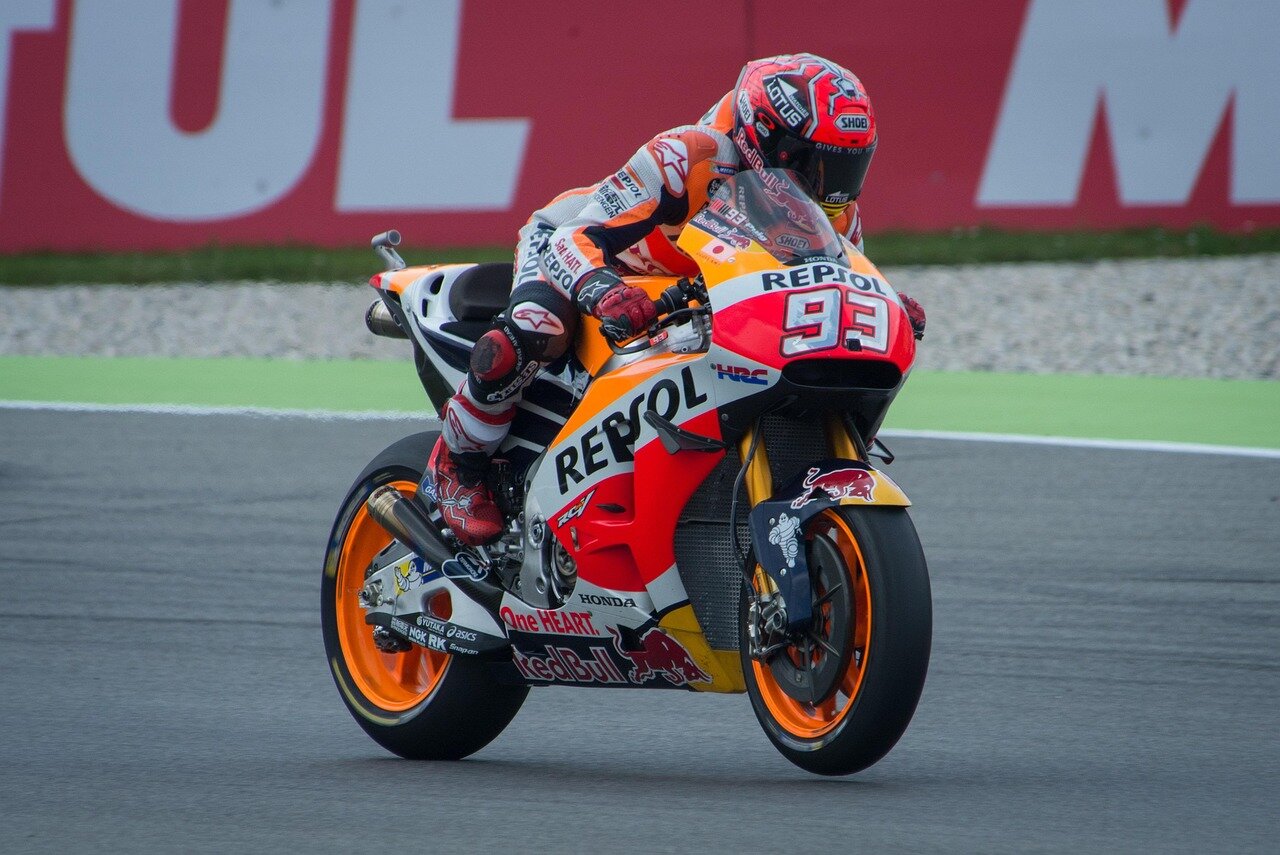
- Rider Experience: The skill level and experience of riders on the challenging course can significantly impact their chances of winning.
- Team Dynamics: The collaboration and strategy within teams can enhance performance, making team cohesion a critical factor.
- Technological Advancements: The use of cutting-edge technology in bike design and performance can provide a competitive advantage.
- Weather Conditions: Variability in weather can affect race conditions, influencing the outcomes and strategies employed by riders.
- Financial Investment: The level of investment from sponsors can determine the resources available for teams, affecting their overall competitiveness.
In summary, the interplay of these stakeholders and factors creates a dynamic environment that shapes the potential outcomes of the IOM TT races. By analyzing these elements, one can gain insights into which competitors may have the upper hand in future races.
Impact of qualifying results on rider strategies
The results of the IOM TT qualifying sessions have significant implications for various stakeholders in the motorcycle racing industry. Riders, teams, sponsors, and fans are all affected, as the qualifying times can indicate potential race outcomes and influence strategies moving forward.
In the short term, riders and teams must analyze qualifying results to adjust their race strategies. This includes evaluating bike performance, tire choices, and pit stop strategies. Teams may also need to reassess their technical setups, which can lead to increased costs and resource allocation. Additionally, sponsors may shift their marketing approaches based on the visibility of their riders during qualifying.
In the mid-term, the impact on local businesses and tourism in the Isle of Man becomes evident. Successful riders draw larger crowds, leading to increased hotel bookings, restaurant patronage, and merchandise sales. This influx can stimulate the local economy, benefiting various sectors, including hospitality and retail.

- Rider strategies: Adjustments based on qualifying performance.
- Sponsorship dynamics: Potential shifts in marketing focus.
- Local economy: Boost in tourism and business during race events.
However, there are also risks involved. If a favored rider underperforms during qualifying, it could lead to decreased fan engagement and lower ticket sales for the main event. Additionally, teams that fail to adapt quickly may fall behind, resulting in lost opportunities for podium finishes and sponsorship deals.
Ultimately, the outcomes of qualifying sessions serve as a crucial indicator for the races ahead, influencing not just the riders and teams but also the broader motorcycle racing ecosystem and the communities that support them.
A: The qualifying time reflects a rider’s speed and consistency on the track, suggesting their potential for success in the races. Faster times often correlate with better positioning and confidence. A: Weather can significantly impact qualifying times, as rain or wind can hinder performance. Riders who adapt well to changing conditions may have an advantage. A: Yes, sometimes less favored riders outperform expectations, indicating that the competition can be unpredictable. These surprises can shake up predictions for race outcomes. A: Riders with a history of strong performances at the IOM TT often carry momentum into qualifying, which can enhance their confidence and strategy. A: Team support is crucial, as it involves bike setup, strategy, and pit crew efficiency. A well-prepared team can help a rider achieve better qualifying times.
Frequently asked questions about IOM TT qualifying
Key takeaways and future outlook for the races
The recent IOM TT qualifying sessions have provided valuable insights into the potential dynamics of the upcoming races. Observations from the qualifying rounds indicate that certain riders are establishing themselves as front-runners, while others may need to adapt their strategies to remain competitive. The performance metrics, including lap times and consistency, will be crucial in predicting outcomes as the event progresses.
As the races approach, attention should be paid to the evolving conditions of the course and how they might influence rider performance. Factors such as weather, bike setup, and rider confidence will play significant roles in determining who will ultimately triumph.
- Watch for emerging talent: New riders showing promise in qualifying could disrupt traditional expectations.
- Consistency over speed: Riders who demonstrate consistent lap times may have an advantage in the race.
- Adaptability is key: Those who can quickly adjust to changing track conditions will likely perform better.
- Team strategies matter: Pit strategies and team support will influence race outcomes significantly.
- Experience counts: Veteran riders with a deep understanding of the course may leverage their knowledge to gain an edge.