


The colony was located during routine maintenance work at the cemetery, where workers noticed unusual activity in the soil. Upon further investigation, scientists from a local university were called in to assess the situation, confirming the presence of a thriving bee community living in a network of underground hives.
This finding is significant as it underscores the critical role bees play in pollination and biodiversity. With bee populations facing severe threats from habitat loss, pesticides, and climate change, the discovery of such a large colony raises questions about the hidden ecosystems that may exist in urban environments and their potential contributions to local ecology.
Experts are now urging for further studies to understand the dynamics of this underground colony and its impact on the surrounding environment. The findings could lead to new insights into bee behavior and management practices, particularly in urban areas where traditional habitats are scarce.
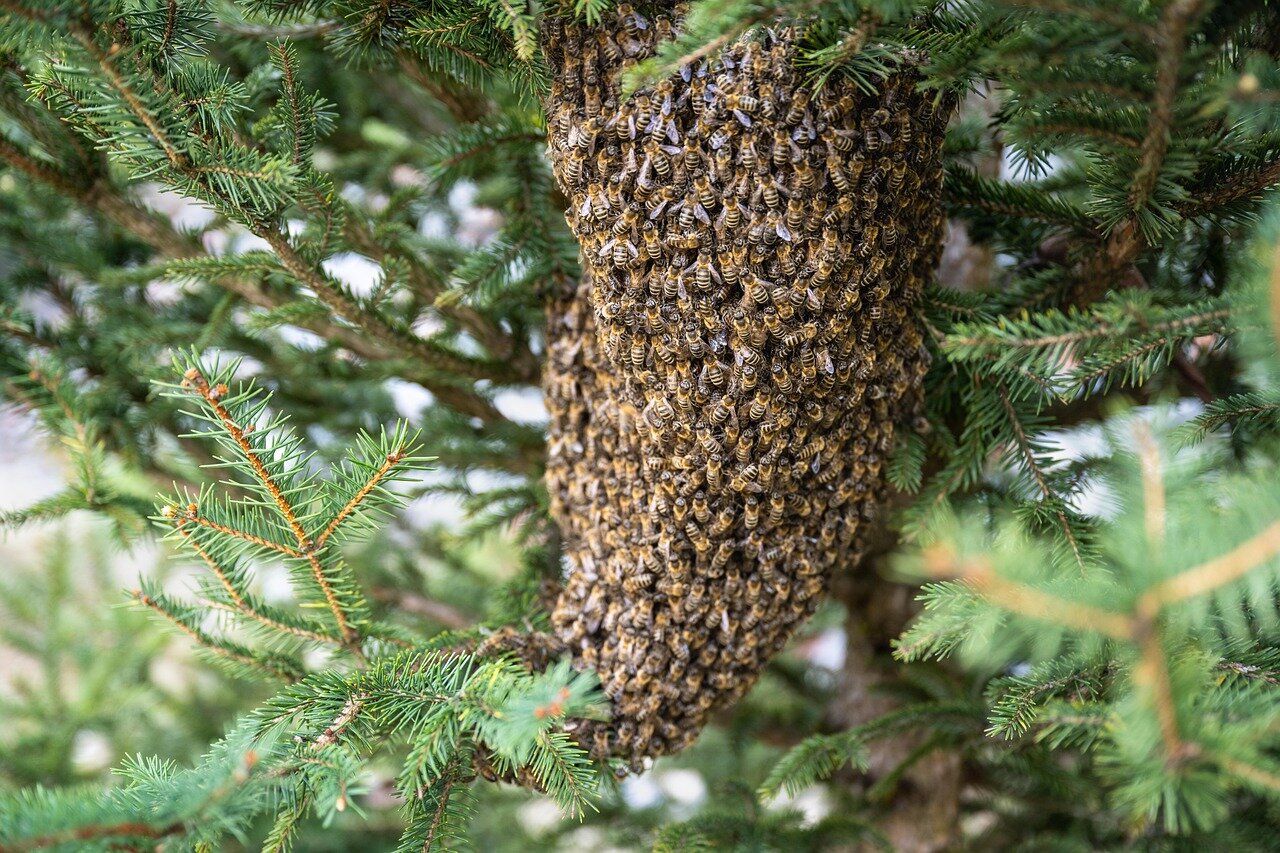
Understanding the significance of bee colonies
Bees play a crucial role in our ecosystem, serving as key pollinators for a wide variety of plants, including many that are essential for human food production. The discovery of a massive underground bee colony, containing approximately 5.5 million bees beneath a cemetery, raises important questions about the health of bee populations and their habitats. This finding highlights the intricate relationships between urban development, environmental conservation, and agricultural practices.
The decline of bee populations has been a growing concern over the past few decades, driven by factors such as pesticide use, habitat loss, and climate change. Historical data indicate that honeybee populations in North America have been declining since the mid-20th century, with a significant drop noted in the last two decades. This decline has sparked numerous studies and initiatives aimed at understanding the causes and finding solutions to protect these vital pollinators.
The Urban Environment and Bees
Urban areas, often seen as inhospitable to wildlife, can surprisingly provide suitable habitats for bee colonies. The presence of parks, gardens, and flowering plants in cities can create microhabitats that support bee populations. The discovery of the bee colony beneath the cemetery illustrates how urban landscapes can conceal thriving ecosystems. It also raises awareness about the need for urban planning that considers biodiversity and the preservation of natural habitats.
Moreover, this situation sheds light on the social and economic implications of bee conservation. Beekeeping has become a popular practice among urban dwellers, not only for honey production but also for environmental stewardship. Communities have started to recognize the importance of bees, leading to initiatives aimed at protecting pollinator habitats. The economic impact of healthy bee populations is significant, as they contribute to the pollination of crops worth billions of dollars annually, underscoring the interconnectedness of agriculture, economy, and environmental health.
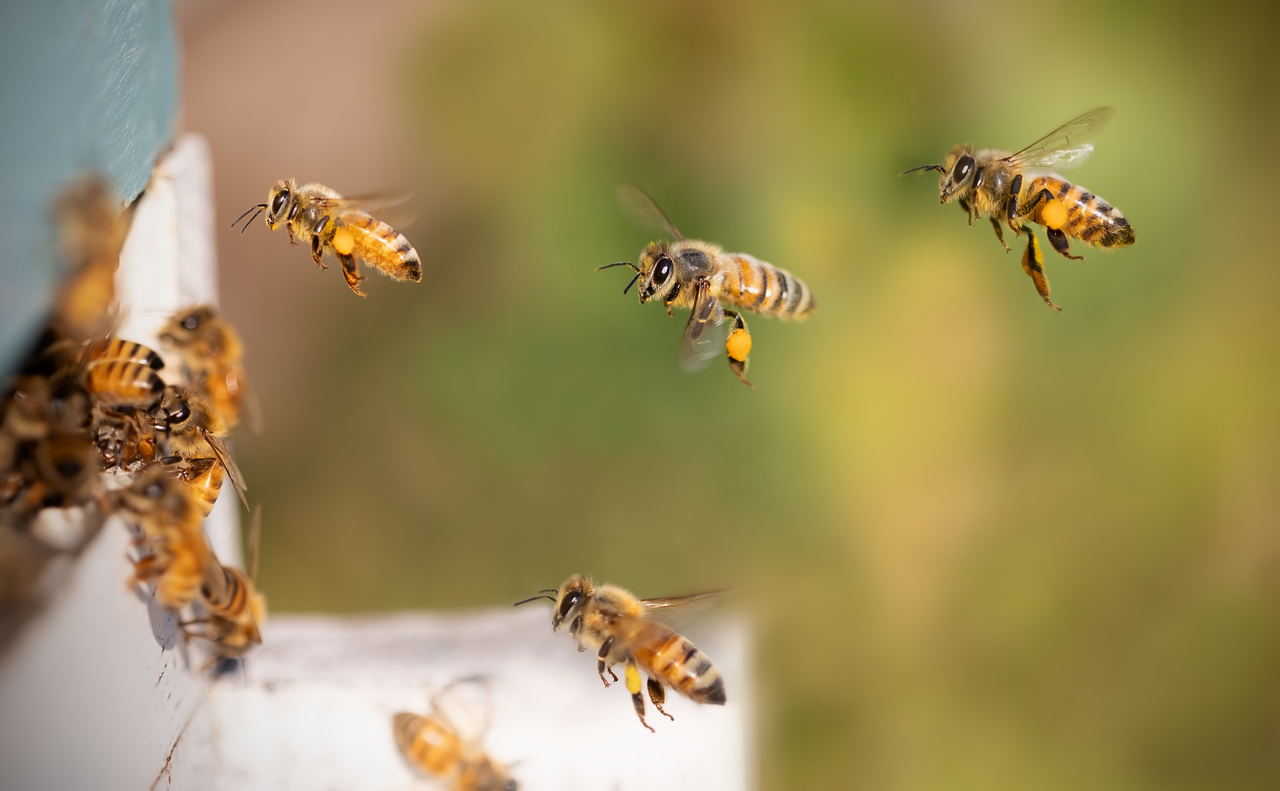
As we delve deeper into the implications of such discoveries, it is essential to consider the historical context of bee populations and their management. The rise of industrial agriculture and monoculture farming has led to a reliance on chemical pesticides, which have been linked to bee mortality. This situation serves as a reminder of the need for sustainable agricultural practices and the importance of preserving biodiversity in both rural and urban settings.
Examining the implications for local ecosystems and beekeepers
The discovery of a massive underground bee colony with 5.5 million bees beneath a cemetery has raised significant interest among various stakeholders, including local beekeepers, environmental organizations, and government agencies. Each of these actors has unique interests and concerns regarding the implications of such a large bee population on local ecosystems and agricultural practices.
Local beekeepers may view the colony as both an opportunity and a threat. On one hand, the presence of a large bee population could enhance pollination services in the area, potentially benefiting local crops and gardens. On the other hand, the colony could introduce competition for resources, leading to conflicts over forage and hive space. This competition may especially concern beekeepers who rely on specific floral sources for honey production.
Environmental organizations are likely to emphasize the ecological significance of the bee colony. Bees play a crucial role in maintaining biodiversity and supporting healthy ecosystems. The discovery prompts discussions on conservation efforts and the need to protect bee habitats, particularly in urban areas where natural environments are often compromised. However, there may also be concerns about the potential spread of diseases or pests from the colony to other bee populations.
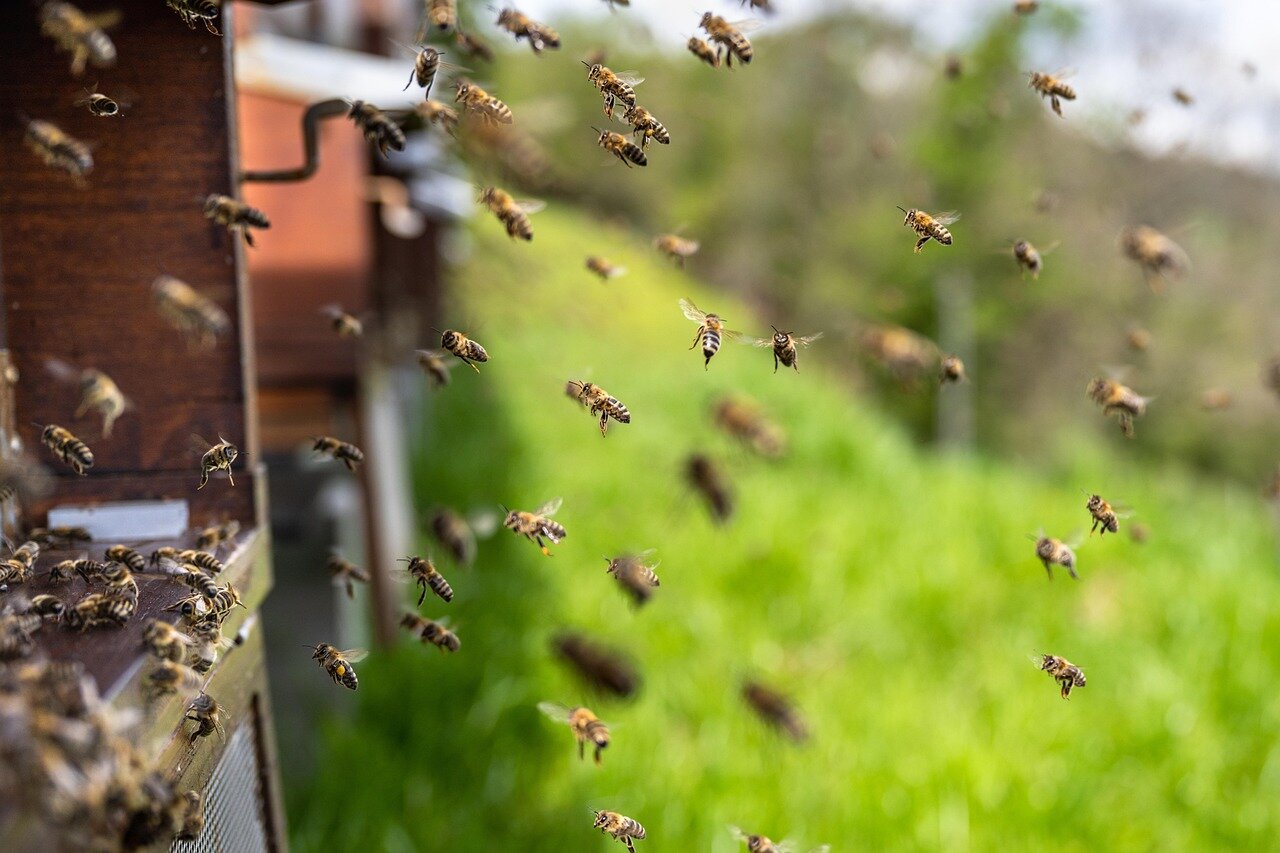
Government agencies may need to address legal and regulatory issues stemming from the discovery. This includes assessing the health of the bee colony and determining whether any interventions are necessary to manage its impact on local agriculture and ecosystems. Additionally, there may be public safety concerns if the colony poses risks to cemetery visitors or surrounding communities.
- Resource Competition: The potential for competition over floral resources between the underground colony and local beekeepers.
- Ecological Impact: The role of the colony in supporting local biodiversity and ecosystem health.
- Public Safety: Concerns regarding the safety of cemetery visitors and nearby residents.
- Regulatory Challenges: The need for government agencies to navigate legal frameworks surrounding bee management.
- Conservation Opportunities: The potential for increased awareness and conservation efforts for bee populations.
Potential effects on the environment and community
The discovery of a massive underground bee colony beneath a cemetery has significant implications for various groups, including local residents, environmentalists, and the agricultural industry. Beekeepers in the region may find both challenges and opportunities arising from this unusual find, as the colony could influence local bee populations and pollination patterns.
In the short term, local communities may experience heightened awareness about the importance of bees in the ecosystem. Residents might see increased activity as researchers and environmentalists investigate the colony, leading to potential disruptions in daily life. Additionally, there could be concerns about safety, especially if the colony poses a risk of swarming or if people inadvertently disturb it.
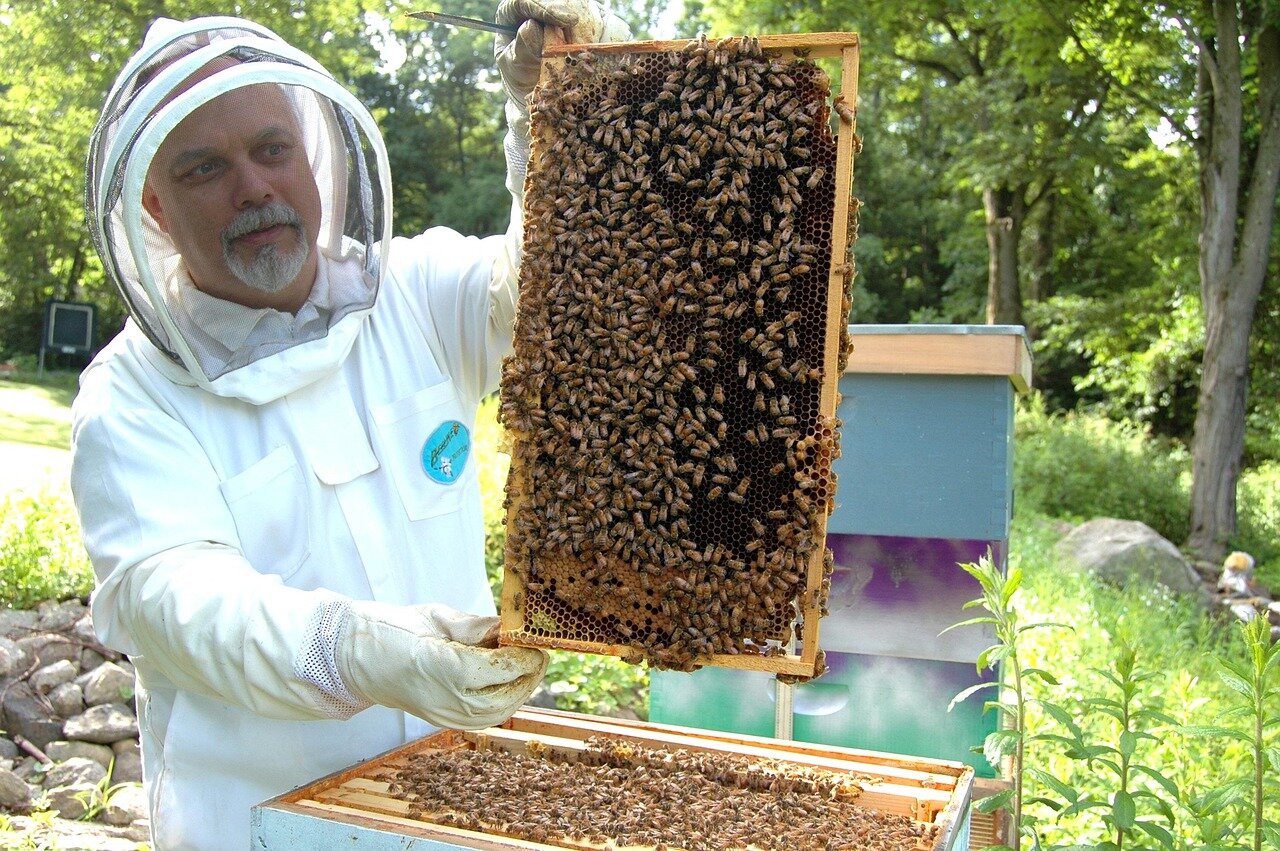
Mid-term impacts could include changes in local agricultural practices. Farmers may need to adapt their strategies based on the health and behavior of the bee population. This could lead to a renewed focus on sustainable practices and pollinator-friendly crops, potentially benefiting the agricultural sector. On the flip side, there may be increased regulatory scrutiny regarding land use and conservation efforts in the area.
- Increased awareness: Local communities may become more engaged in environmental issues.
- Potential disruptions: Research activities could affect daily life and local routines.
- Regulatory changes: New policies may emerge to protect bee populations and their habitats.
- Opportunities for beekeepers: Enhanced pollination could boost honey production and crop yields.
Overall, while the presence of this bee colony poses certain risks, it also opens doors for innovation and collaboration among various stakeholders in the community, potentially leading to a more sustainable future. The balance between preserving this unique ecosystem and addressing the concerns of local residents will be crucial in the coming months.
A: The colony was discovered during routine maintenance work at the cemetery, where workers noticed unusual bee activity in the area. A: Local beekeepers may benefit from the increased awareness of bee populations, but they also face challenges in managing potential interactions with wild colonies. A: While the colony is thriving, environmental changes and urban development pose risks to their habitat, making conservation efforts crucial. A: The public can support bee conservation by planting native flowers, avoiding pesticides, and advocating for local bee-friendly policies. A: The colony primarily consists of honey bees, which are essential for pollination and maintaining biodiversity.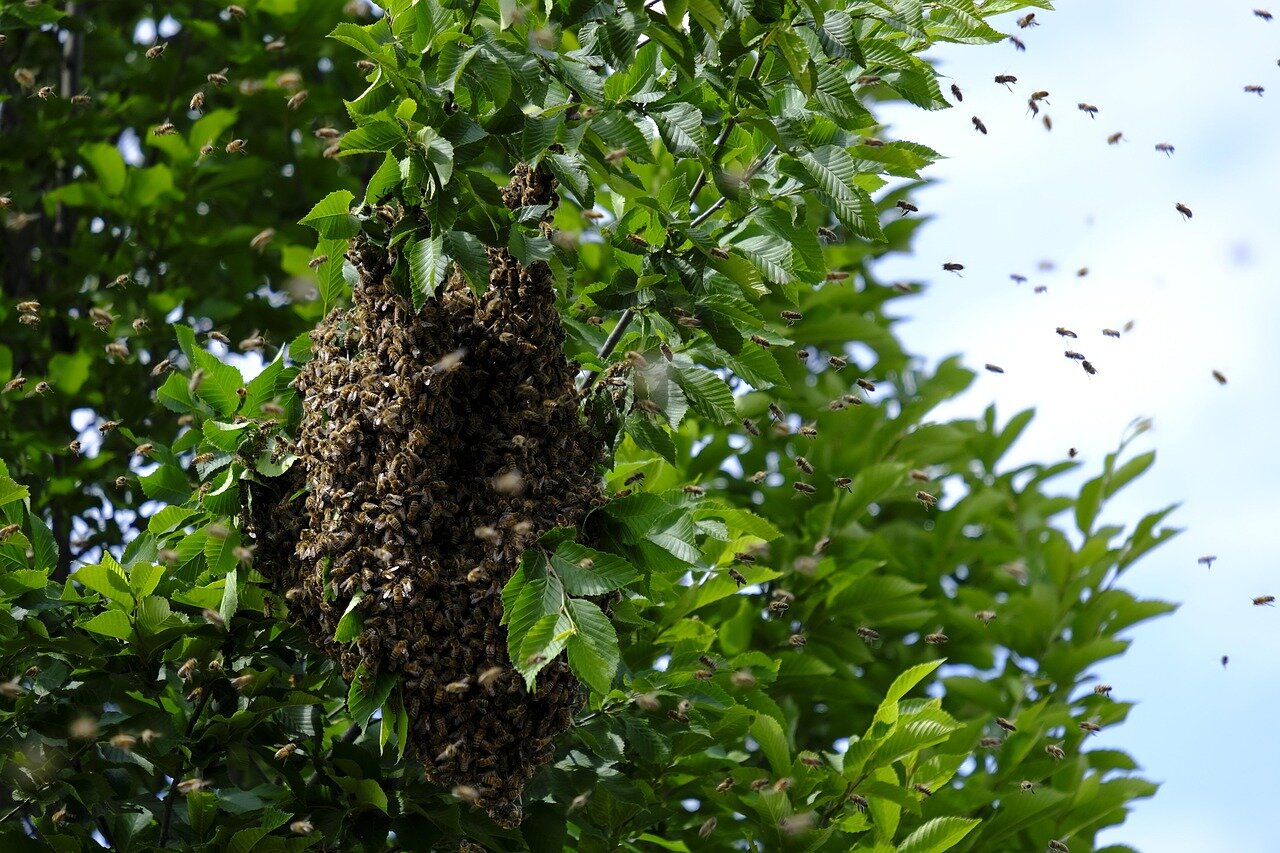
Frequently asked questions about the bee colony discovery
Key takeaways and future outlook on bee conservation
The discovery of a massive underground bee colony housing 5.5 million bees beneath a cemetery highlights the resilience and adaptability of bee populations. This finding not only emphasizes the importance of urban habitats for bees but also raises awareness about the critical role they play in our ecosystem. As urbanization continues to expand, understanding and protecting these hidden colonies becomes increasingly vital for biodiversity and food security.
Future conservation efforts should focus on preserving natural habitats and promoting bee-friendly practices in urban planning. The implications of this discovery extend beyond just the bees; they serve as a reminder of the interconnectedness of all living organisms and the need for sustainable environmental stewardship.
- Urban habitats are crucial: The success of bee colonies in urban areas suggests that cities can play a significant role in bee conservation.
- Increased awareness: This discovery can foster greater public interest in bee protection and the importance of pollinators.
- Sustainable practices: Encouraging eco-friendly landscaping and reduced pesticide use can help support bee populations.
- Research opportunities: Further studies on urban bee colonies can provide insights into their behavior and adaptation strategies.