


Notable examples include the viral dance challenges associated with songs like “Savage” by Megan Thee Stallion and “Blinding Lights” by The Weeknd, both of which saw choreographers crafting routines that captivated millions. These dances often lead to widespread participation from fans, turning simple movements into global phenomena. As of 2023, many choreographers are leveraging this trend, gaining followers and recognition that rival traditional music artists. For more insights into the evolving entertainment industry, check out our article on Rebellion’s Influence Across Various Sectors.
The impact of these viral routines extends beyond entertainment; they also influence music charts and streaming numbers. For instance, tracks that inspire popular dance challenges often experience spikes in sales and streams, demonstrating the symbiotic relationship between choreography and music. This phenomenon highlights the evolving landscape of music promotion, where a well-executed dance can propel a song to the top of the charts. To understand how this affects the film industry, see our study on Gender Disparity in Film Casting.
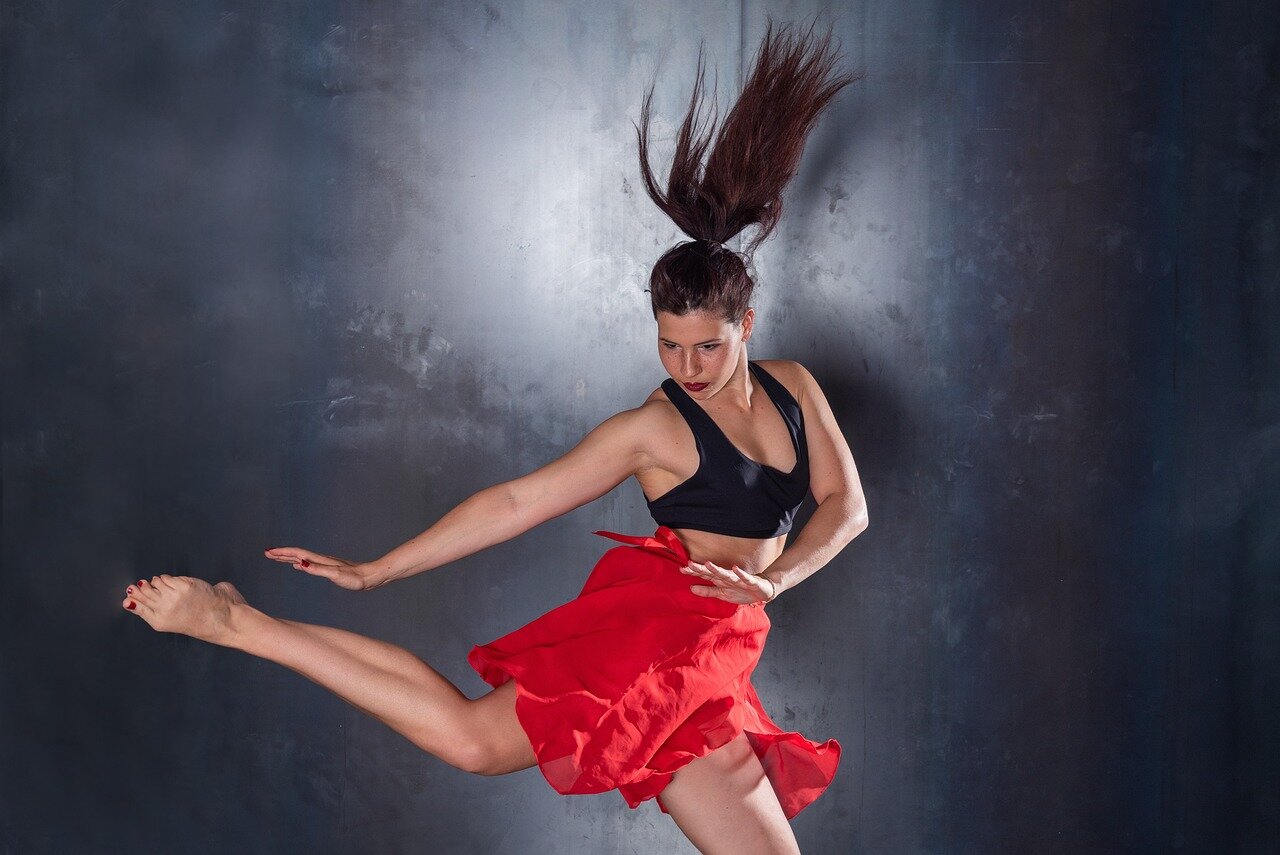
Furthermore, the rise of choreographers as key players in the entertainment industry raises questions about authorship and ownership in the digital age. As dances become viral, discussions about credit and compensation for choreographers are becoming increasingly prominent. This shift not only underscores the importance of choreography in popular culture but also emphasizes the need for fair recognition of creative contributions in the digital space.
The evolution of dance in the digital age and its cultural significance
The intersection of dance and technology has dramatically transformed the landscape of performance art over the last few decades. With the rise of social media platforms like TikTok, Instagram, and YouTube, dance has transcended traditional stages and found a new home in the digital realm. This shift has not only democratized dance, allowing anyone with a smartphone to showcase their talent, but has also created a new breed of choreographers who are akin to modern-day DJs, remixing movements to create viral sensations.
Historically, dance has always been a form of expression, often reflecting the cultural and social dynamics of its time. From the court dances of the Renaissance to the street styles of hip-hop, each era has produced its own unique expressions. However, the advent of the internet has accelerated the dissemination of dance styles and routines, enabling them to spread rapidly across the globe. This phenomenon can be traced back to the early 2000s with the emergence of platforms like YouTube, where choreographers began to upload their routines, gaining followers and influencing trends.
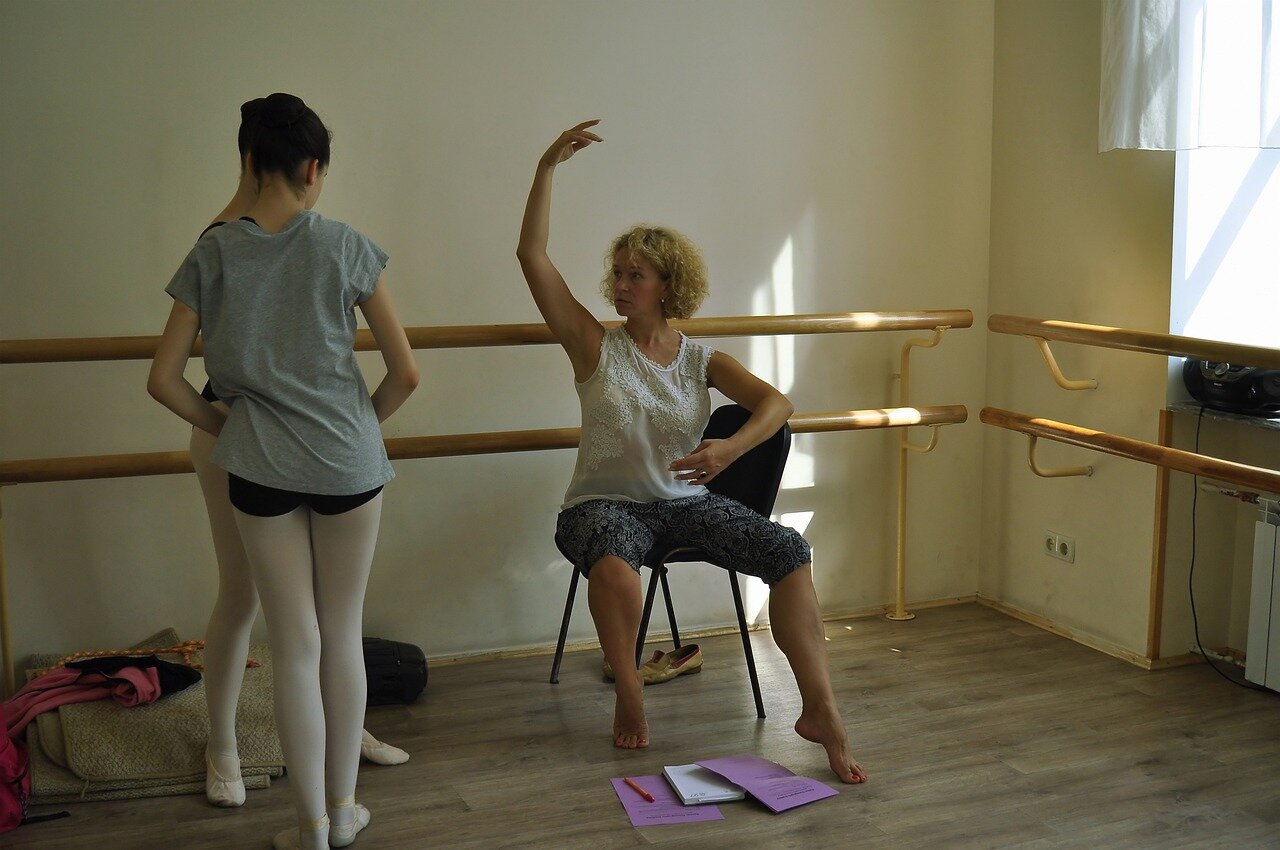
One of the most significant milestones in this evolution was the viral success of certain dance challenges, such as the “Harlem Shake” in 2013 and the “Mannequin Challenge” in 2016. These challenges not only showcased the creativity of choreographers but also highlighted the power of collective participation in the digital age. The ability for users to replicate and share these dances has fostered a sense of community, blurring the lines between performer and audience, and allowing for a more inclusive approach to dance. For a broader perspective on the cultural dynamics at play, view our piece on Why a Reluctant Guru Believes the Dutch Will Win the World Cup.
The rise of choreographers as cultural influencers
As social media continues to shape the way we consume and create dance, choreographers have emerged as significant cultural influencers. They are no longer just behind-the-scenes creators but are now at the forefront of popular culture. This shift has been economically beneficial as well, with many choreographers leveraging their online presence to secure lucrative partnerships, sponsorships, and even their own merchandise. The ability to go viral can lead to fame and financial success, further motivating choreographers to innovate and push the boundaries of their art.
This new paradigm also raises important questions about ownership and credit in the world of dance. As routines become viral, the original choreographers often struggle to receive recognition for their work, leading to discussions about intellectual property rights in the digital age. Nonetheless, the fusion of choreography and digital platforms continues to evolve, shaping the future of dance as a vital component of contemporary culture.
Key players in the dance community and the challenges they face
The rise of viral dance routines has transformed the landscape of the dance community, introducing a new set of stakeholders. Choreographers, dancers, social media platforms, and music rights organizations all play pivotal roles in this evolving art form. Each of these groups has distinct interests that can sometimes conflict, leading to a complex web of challenges.
Choreographers have emerged as central figures, often likened to DJs in the music industry. They seek recognition and financial compensation for their work, yet many face difficulties in protecting their intellectual property. As dance routines go viral, the original creators may struggle to receive credit or payment, raising questions about ownership and attribution.
Social media platforms, such as TikTok and Instagram, serve as the primary venues for these viral dance routines. Their interests lie in user engagement and content monetization. However, the rapid spread of dance trends can create tensions between creators and these platforms regarding revenue sharing and content moderation. Choreographers may feel that their contributions are undervalued, while platforms benefit from the increased traffic generated by popular dances.
- Intellectual Property Rights: The challenge of protecting choreographers’ creative work in a digital age.
- Monetization Issues: Disputes over how revenue generated from viral dances is shared among creators and platforms.
- Credit and Attribution: The difficulty in ensuring that original choreographers receive recognition for their work.
- Cultural Appropriation: Concerns about the appropriation of dance styles without proper acknowledgment of their origins.
- Legal Frameworks: The need for updated laws to address the unique challenges posed by digital content creation.
Furthermore, music rights organizations play a crucial role in this ecosystem. They are tasked with ensuring that artists receive compensation for the use of their music in dance routines. However, the rapid pace at which trends evolve can complicate licensing agreements, leaving choreographers and dancers caught in a legal gray area.
In summary, the intersection of choreography and viral dance trends presents a dynamic landscape full of opportunities and challenges. The need for collaboration and dialogue among these stakeholders is essential to navigate the complexities of this new art form, ensuring that all parties can thrive in an increasingly interconnected world.
How viral dance routines influence social media and pop culture
The rise of viral dance routines has significantly impacted various groups, particularly young audiences, content creators, and the entertainment industry. Social media platforms like TikTok and Instagram have become the primary channels for these dance trends, drawing in millions of users who engage with and share the content. This phenomenon is reshaping how people consume entertainment, as well as how artists and brands connect with their audiences.
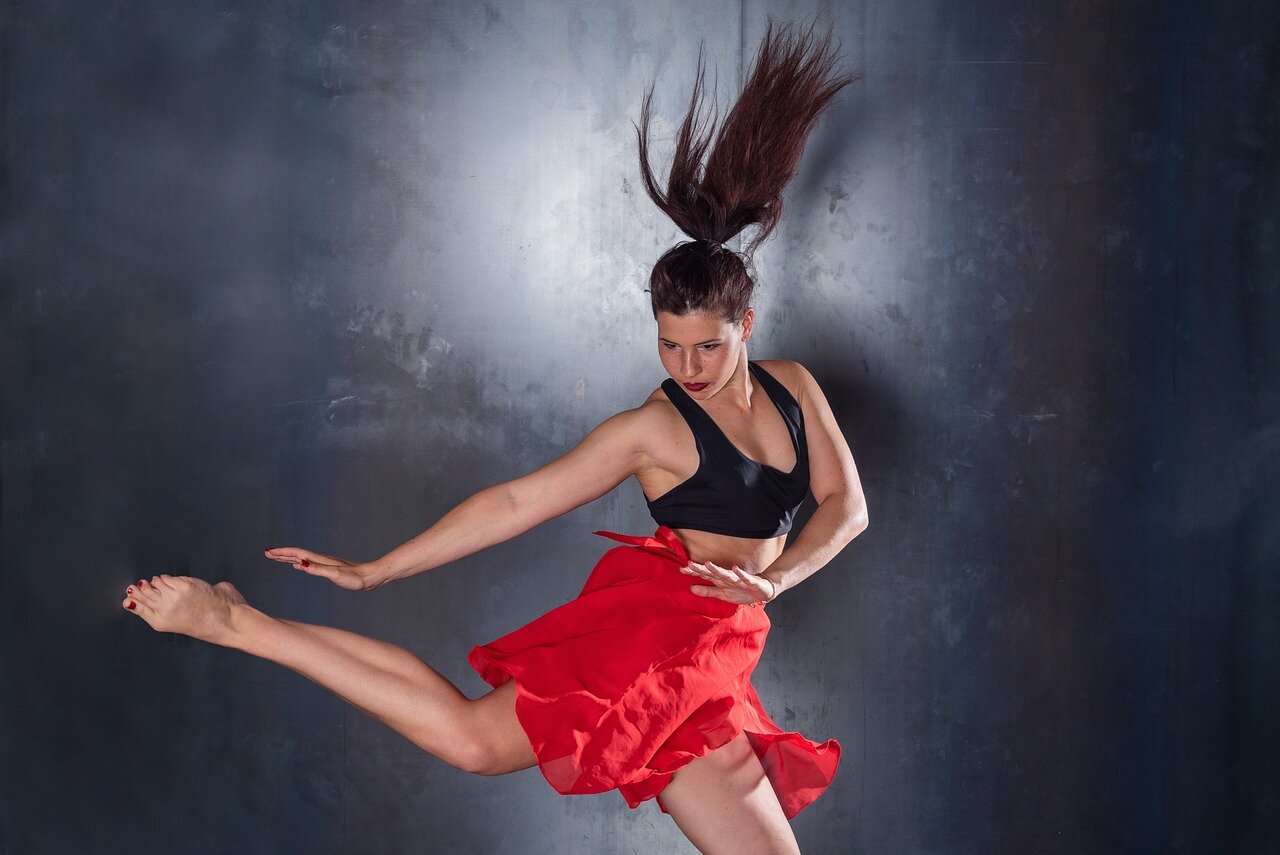
In the short term, businesses in the music and fashion industries are experiencing increased visibility and sales due to the popularity of these viral dances. Artists and choreographers who create catchy routines can see a surge in their following and engagement, leading to potential collaborations and sponsorships. For instance, a song that becomes associated with a viral dance can experience a significant boost in streams and downloads, benefiting both the musicians and the choreographers involved.
However, there are also risks associated with this trend. The rapid pace of viral content can lead to short-lived fame, where choreographers and artists may struggle to maintain relevance once the dance craze fades. Additionally, the pressure to continuously produce engaging content can lead to burnout among creators. There is also the risk of cultural appropriation, where dance routines may borrow from specific cultural styles without proper acknowledgment or respect.
In the mid-term, the impact of viral dance routines may extend to policy changes within the entertainment industry. As the demand for original choreography grows, there may be increased discussions around copyright and intellectual property rights. This could lead to more protections for choreographers, ensuring they receive credit and compensation for their work. Furthermore, educational institutions might begin to incorporate dance and choreography into their curriculums, recognizing the importance of these skills in today’s digital landscape.
- Increased visibility for artists: Viral dances can propel artists into the spotlight, boosting their careers.
- Opportunities for brand partnerships: Companies can leverage viral trends to connect with younger audiences.
- Cultural discussions: The phenomenon raises awareness about cultural appropriation and the importance of representation.
- Potential for burnout: Creators may face pressure to constantly innovate, leading to mental health challenges.
Frequently asked questions about viral dance routines
A: A dance routine often goes viral due to its catchy music, easy-to-follow steps, and the ability to resonate with a wide audience. Social media platforms play a crucial role in amplifying these routines.
A: Choreographers can monetize their viral dances through brand partnerships, sponsored content, and teaching workshops. They may also earn income from streaming platforms that feature their routines.
A: Yes, viral dance challenges can significantly boost a choreographer’s visibility and reputation, leading to more opportunities in the industry. However, they also face the risk of their work being copied without credit.
A: Social media is essential for the dissemination of dance routines, allowing them to reach a global audience quickly. Platforms like TikTok and Instagram are particularly influential in shaping dance trends.
Looking ahead: The future of choreography in the digital landscape
The rise of viral dance routines has redefined the role of choreographers, positioning them as key influencers in the digital age. As platforms like TikTok continue to shape popular culture, the intersection of dance and technology becomes increasingly significant. Choreographers are not just creators; they are curators of experiences that resonate with audiences worldwide, making their work more relevant than ever.
In this evolving landscape, the ability to adapt and innovate will be crucial for choreographers. As they harness the power of social media, they can reach broader audiences and create lasting impacts. The future will likely see a further blurring of lines between traditional choreography and digital expression, opening new avenues for collaboration and creativity.
- Choreographers should embrace social media as a platform for exposure and engagement, leveraging trends to showcase their work.
- Collaboration between dancers and digital creators can lead to innovative routines that capture audience imagination.
- Understanding audience preferences and cultural context will be essential for choreographers aiming to create viral content.
- As the industry evolves, ongoing education in digital tools and marketing strategies will be vital for success.
- The potential for choreographers to influence fashion, music, and lifestyle trends will continue to grow, making them pivotal figures in the entertainment ecosystem.