


On September 18, 2023, Iran announced that it had successfully tested a new missile capable of carrying nuclear warheads, prompting immediate condemnation from Washington. In response, the US deployed additional naval forces to the Persian Gulf, signaling its commitment to protecting its interests and allies in the region. This military buildup has drawn criticism from international observers, who worry it could trigger an arms race.
Diplomatic efforts aimed at de-escalation have also been complicated by recent incidents, including attacks on commercial shipping in the Strait of Hormuz, which Iran has been accused of orchestrating. These incidents have strained the already fragile talks regarding the revival of the nuclear deal, with both sides blaming each other for the lack of progress. The situation remains precarious as both nations navigate a complex web of alliances and enmities.
As the international community watches closely, the potential for miscalculation looms large. The Biden administration faces pressure from both hawks advocating for a tougher stance and doves seeking a return to dialogue. Meanwhile, Iran’s leadership is grappling with internal dissent and economic challenges, which could influence its approach to negotiations and conflict. The coming weeks will be critical in determining whether the two nations can find a path toward peace or if they are destined to slide back into confrontation.
Historical background of US-Iran relations
The relationship between the United States and Iran has been fraught with tension and conflict since the mid-20th century. The roots of this complex dynamic can be traced back to the 1953 CIA-backed coup that overthrew Iran’s democratically elected Prime Minister, Mohammad Mossadegh. This event not only set the stage for decades of authoritarian rule under the Shah but also sowed deep-seated resentment towards the United States among many Iranians.

The 1979 Iranian Revolution marked a significant turning point in US-Iran relations. The overthrow of the Shah and the establishment of an Islamic Republic led to the severing of diplomatic ties and the infamous hostage crisis, where 52 American diplomats and citizens were held captive for 444 days. This event solidified a narrative of antagonism that has persisted through subsequent decades.
Key milestones in US-Iran relations
Throughout the 1980s and 1990s, relations remained hostile, particularly during the Iran-Iraq War, when the US supported Iraq. The early 2000s saw a brief thaw in relations following the September 11 attacks, with Iran offering assistance in Afghanistan. However, this was short-lived as tensions escalated over Iran’s nuclear program, leading to international sanctions and increasing isolation.
The 2015 Joint Comprehensive Plan of Action (JCPOA), commonly known as the Iran nuclear deal, represented a significant diplomatic effort to curb Iran’s nuclear ambitions in exchange for the lifting of sanctions. However, the US withdrawal from the agreement in 2018 under the Trump administration reignited hostilities, further complicating the path to peace.
Today, as both nations grapple with internal and external pressures, the question remains whether diplomatic efforts can overcome decades of mistrust and animosity or if they are sliding back into a cycle of conflict. The geopolitical landscape continues to evolve, influenced by regional dynamics, economic challenges, and the quest for stability in the Middle East.
Key stakeholders and their interests in the conflict
The ongoing tensions between the United States and Iran involve a complex web of stakeholders, each with their own interests and motivations. Understanding these actors is crucial for analyzing the current state of affairs and the potential paths toward peace or conflict.
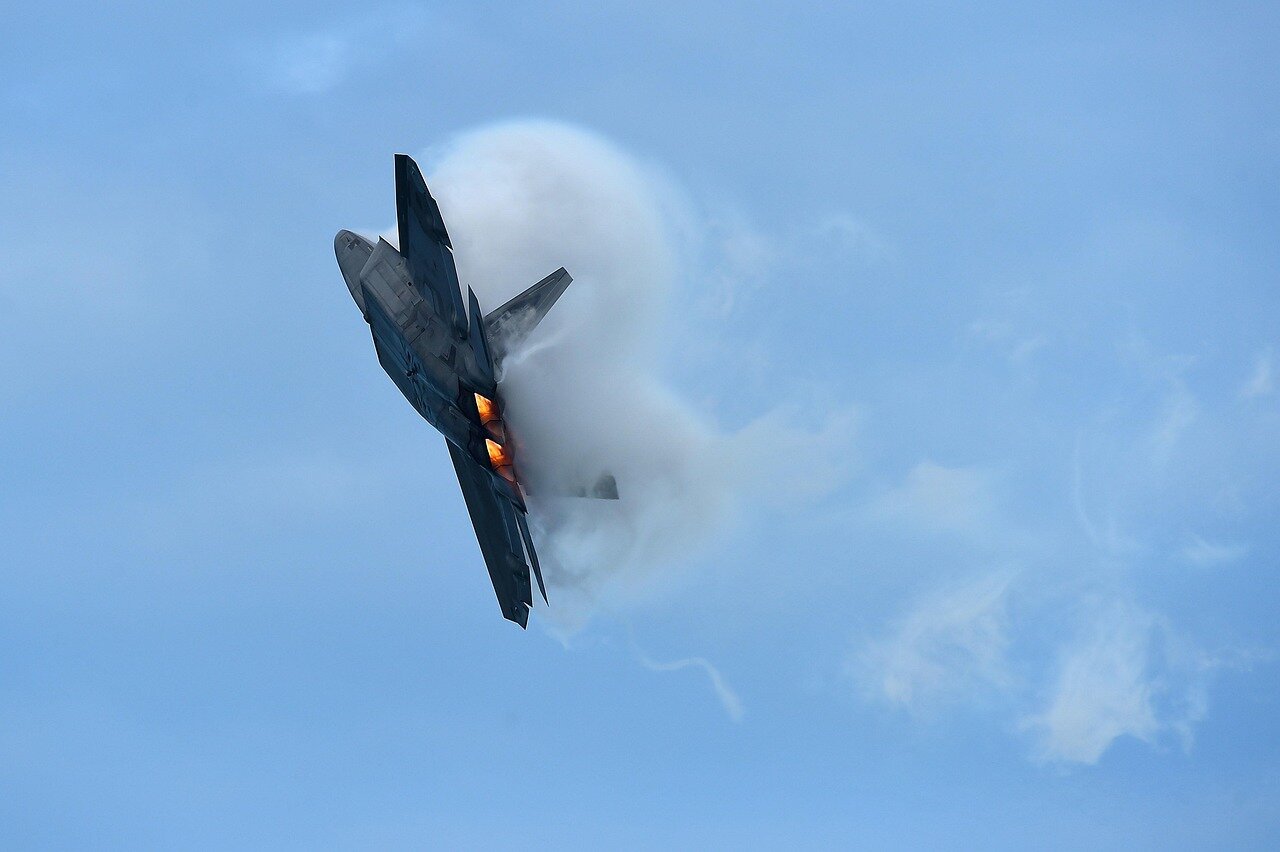
At the forefront are the governments of the United States and Iran. The U.S. government seeks to curb Iran’s influence in the Middle East, particularly its nuclear ambitions and support for militant groups. Conversely, Iran aims to assert its sovereignty and regional power, resisting what it perceives as U.S. imperialism and interference in its domestic affairs.
In addition to the two governments, regional players such as Saudi Arabia and Israel play significant roles. These nations view Iran as a direct threat to their security and stability, often advocating for a strong U.S. response. Their interests complicate the U.S.-Iran relationship, as they push for policies that may escalate tensions rather than foster dialogue.
International organizations, including the United Nations, also have a stake in the conflict. They advocate for diplomatic solutions and adherence to international law, often calling for negotiations and sanctions relief. However, the effectiveness of these organizations can be hindered by the geopolitical interests of powerful member states.
- The U.S. aims to limit Iran’s nuclear capabilities and regional influence.
- Iran seeks recognition and respect for its sovereignty and regional aspirations.
- Saudi Arabia and Israel push for a hardline U.S. stance against Iran.
- International organizations promote diplomacy and conflict resolution.
- Economic sanctions and their impacts on both nations are a key legal issue.
Furthermore, economic interests play a pivotal role in this conflict. Sanctions imposed by the U.S. have significantly impacted Iran’s economy, leading to widespread hardship. This economic pressure is intended to compel Iran to negotiate, but it also fuels domestic discontent and can drive the Iranian government to adopt more aggressive postures.
Potential impact on regional stability and global markets
The ongoing tensions between the US and Iran have far-reaching implications for various groups, industries, and regions. The potential for conflict or peace will significantly influence not only the geopolitical landscape but also the economic stability of the Middle East and global markets. Key stakeholders include governments, businesses, and civilian populations directly affected by these developments.
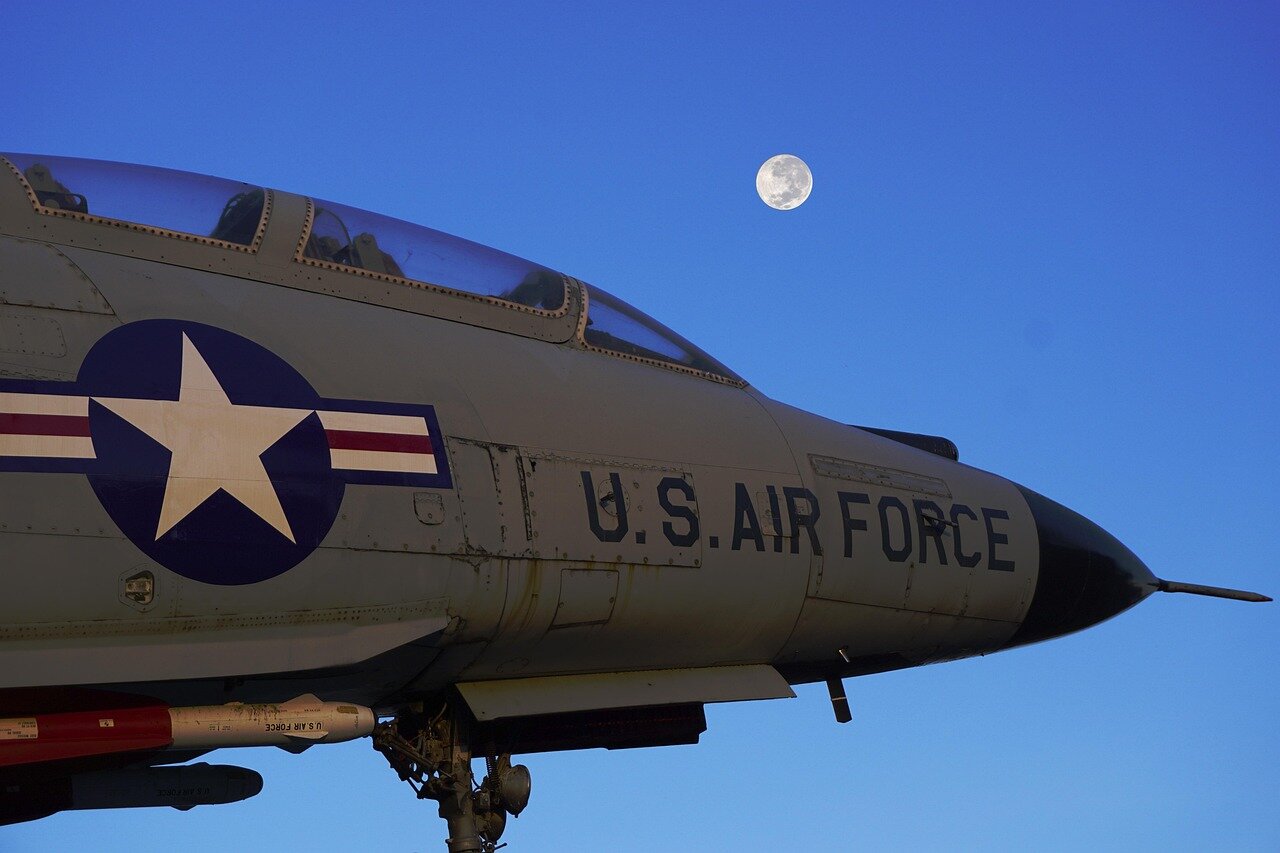
In the short term, businesses in the energy sector, particularly oil and gas, are likely to experience volatility as market reactions to diplomatic developments unfold. A move towards peace could stabilize oil prices and encourage investment in the region, while escalating tensions could lead to spikes in prices and supply chain disruptions. The tourism industry in nearby countries may also be affected, with travelers potentially avoiding regions perceived as unstable.
In the mid-term, the implications for policy could be significant. A diplomatic resolution may lead to the lifting of sanctions on Iran, opening up opportunities for international trade and investment. This could benefit sectors such as technology, agriculture, and manufacturing, which have been constrained by economic restrictions. Conversely, a return to conflict could lead to a tightening of sanctions and increased military spending, diverting resources from social programs and economic development.
- Energy Sector: Volatility in oil prices and supply chain impacts.
- Tourism Industry: Fluctuations in travel patterns and safety perceptions.
- International Trade: Potential for increased trade with Iran if sanctions are lifted.
- Military and Defense: Increased spending and focus on regional security.
Furthermore, civilian populations in both the US and Iran face the consequences of these geopolitical shifts. In the US, public sentiment may sway towards increased military involvement or a push for diplomatic solutions, shaping future elections and domestic policies. In Iran, the populace may experience either the relief of sanctions or the burden of conflict, impacting daily life and economic conditions.
A: The main issues include nuclear proliferation, economic sanctions, and regional conflicts involving proxy groups. These factors contribute to ongoing tensions and uncertainty. A: Recent diplomatic efforts have aimed to ease tensions, but progress has been slow. The willingness of both sides to engage in meaningful dialogue remains a critical factor. A: Other countries, particularly those in the Middle East and Europe, play significant roles as mediators and allies. Their interests can either help facilitate peace or exacerbate tensions. A: Renewed conflict could lead to significant humanitarian crises, disruption of oil supplies, and broader regional instability. The global economy may also be adversely affected. A: There are some signs of potential for peace, such as backchannel communications and interest in negotiations, but substantial barriers remain.
Frequently asked questions about US-Iran relations
Outlook on the future of US-Iran relations
The current state of US-Iran relations remains precarious, characterized by a complex interplay of diplomacy, regional tensions, and domestic pressures. While recent negotiations have opened channels for dialogue, the potential for miscalculations and escalations persists. Observers must consider both the opportunities for constructive engagement and the risks that could lead to renewed hostilities.
As both nations navigate their respective political landscapes, the focus will likely shift toward key indicators that could signal either a path to lasting peace or a regression into conflict. Stakeholders should remain vigilant regarding the evolving dynamics in the region and their implications for broader geopolitical stability.
- Monitor the outcomes of upcoming diplomatic engagements, particularly any agreements on nuclear capabilities and sanctions relief.
- Watch for shifts in domestic political sentiment in both countries that could influence foreign policy decisions.
- Pay attention to regional alliances and their impact on US-Iran relations, especially with neighboring countries like Saudi Arabia and Iraq.
- Assess the role of non-state actors and proxy groups in escalating tensions or facilitating dialogue.
- Consider the potential impact of global economic conditions on the willingness of both nations to engage in negotiations.