


During a recent interview, NASCAR CEO Jim France expressed that the weekly gatherings at racetracks will not be the same without Busch’s presence. Known for his vibrant personality and competitive spirit, Busch has contributed significantly to the excitement of NASCAR weekends, making them feel like a “family reunion” for fans and teams alike. His absence raises questions about how this will affect the atmosphere at races moving forward. For more insights on the community aspect of NASCAR, check out related articles.
As the 2023 NASCAR season progresses, fans and analysts alike are keenly observing the impact of Busch’s departure on the sport’s viewership and fan engagement. The upcoming races will provide insights into how teams and drivers adapt to the changing landscape of NASCAR. With new talent emerging, the sport may see a shift in its competitive balance, but the legacy of Busch will undoubtedly linger.

In summary, the current situation surrounding Kyle Busch’s exit from NASCAR reflects a broader evolution within the sport. As teams and fans navigate this change, the implications for race weekends and the future of NASCAR remain significant. The coming months will be crucial in determining how the sport adapts to this new chapter.
Understanding Kyle Busch’s significance in NASCAR
Kyle Busch has been a pivotal figure in NASCAR, both on and off the track. Known for his aggressive racing style and charismatic personality, he has amassed numerous accolades, including multiple Cup Series championships. His presence in the sport has not only contributed to its competitive nature but has also attracted a diverse fan base, making him a household name in American motorsports.
The history of NASCAR is deeply intertwined with its drivers, and Busch’s career reflects significant milestones in the sport’s evolution. He made his debut in the NASCAR Cup Series in 2004, quickly establishing himself as a formidable competitor. Over the years, he has broken records and set new standards, becoming one of the most successful drivers in the history of the series. You can read about other key figures in sports by visiting our related articles.

Beyond his on-track achievements, Busch’s influence extends to the economic landscape of NASCAR. His sponsorship deals and merchandise sales have had a considerable impact on the sport’s financial health. The loss of a driver of his caliber raises concerns about the potential effects on team sponsorships and fan engagement, as he has been a central figure in many marketing campaigns. For a broader look at sports marketing strategies, see our related articles.
The Family Reunion Aspect
NASCAR is often referred to as a “family reunion” due to the close-knit community among drivers, teams, and fans. Busch’s departure from his long-time team signifies a shift in this dynamic. Many fans have grown accustomed to seeing him race alongside other familiar faces, and his absence will undoubtedly alter the atmosphere at events, affecting both the competitive spirit and the camaraderie that has defined NASCAR culture.
As NASCAR continues to evolve, the legacy of drivers like Kyle Busch will be felt for years to come. His contributions to the sport have set a benchmark for future generations, and the emotional impact of his absence will serve as a reminder of the deep connections shared within the racing community.
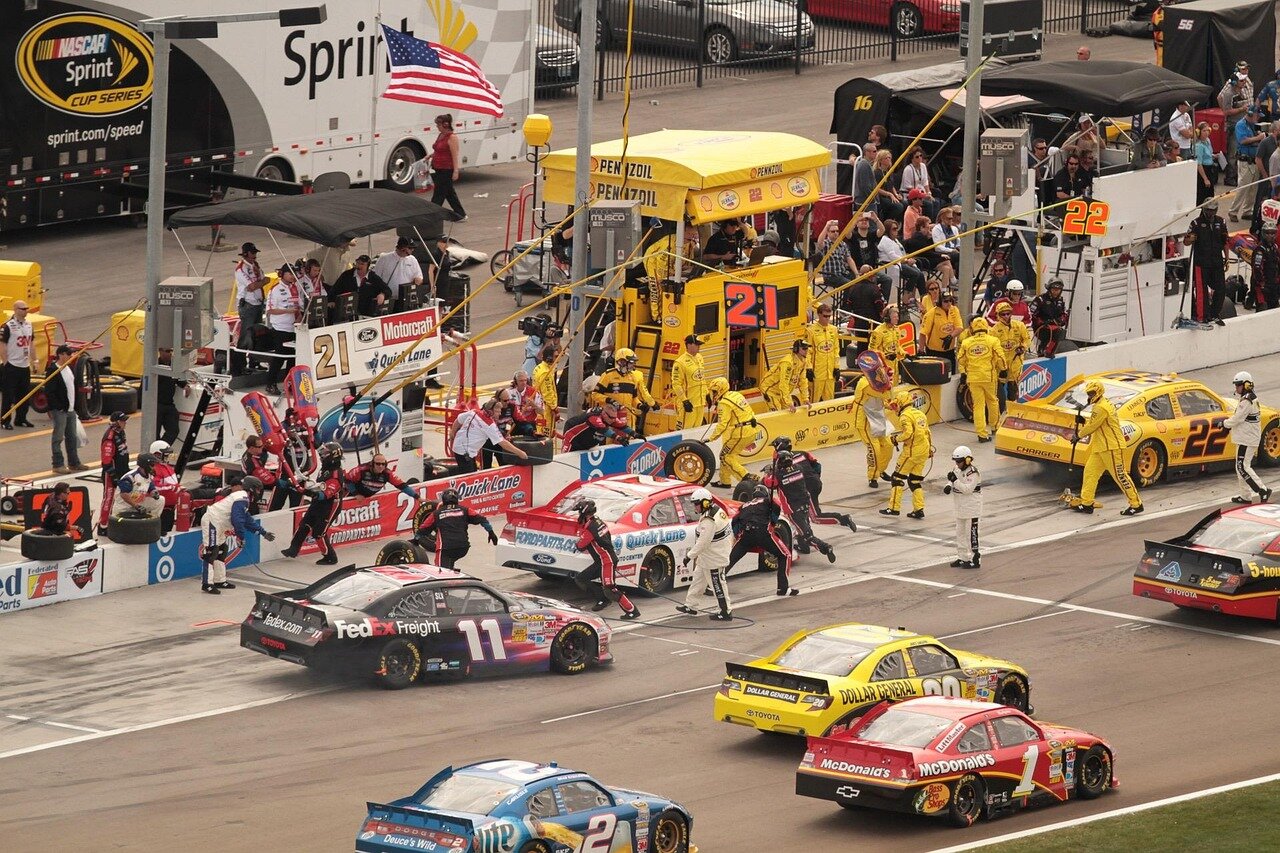
Key stakeholders react to Busch’s absence
The departure of Kyle Busch from NASCAR has triggered a significant response from various stakeholders within the motorsport community. Busch, a two-time Cup Series champion, has been a central figure in the sport, and his absence raises questions about the future dynamics of NASCAR.
Fans, who have long viewed Busch as a polarizing yet entertaining driver, express mixed emotions. Many supporters feel a sense of loss, as his competitive spirit and dramatic racing style have contributed to the excitement of the sport. Conversely, some fans may welcome the opportunity for new talent to emerge in Busch’s absence, highlighting a potential shift in fan engagement and loyalty.
Team owners and sponsors are also key stakeholders in this scenario. They have vested interests in the performance and marketability of their drivers. Busch’s departure may lead to financial implications, as sponsors who aligned with him may need to reassess their strategies. This could create opportunities for other drivers to secure sponsorship deals, but it also presents challenges for teams that relied on Busch’s popularity to attract funding.

- Economic impact: The financial landscape of NASCAR may shift as teams adjust to new sponsorship dynamics.
- Driver development: Emerging drivers may gain more opportunities, altering the competitive balance in the series.
- Fan engagement: Changes in fan loyalty could affect attendance and merchandise sales at events.
- Media coverage: The narrative surrounding NASCAR may evolve, impacting how the sport is portrayed in the media.
- Regulatory considerations: NASCAR may need to address any legal implications stemming from sponsorship contracts and driver agreements.
In summary, the absence of Kyle Busch represents a pivotal moment for NASCAR, prompting stakeholders to navigate a landscape that is likely to undergo significant changes. The interplay of fan sentiment, economic factors, and the emergence of new talent will shape the future of the sport as it adapts to this new reality.
The broader implications for NASCAR and its fans
The departure of Kyle Busch, a prominent figure in NASCAR, resonates deeply across various groups, particularly fans, sponsors, and the racing community. His absence will be felt not only on the track but also in the stands, where his loyal fan base has contributed significantly to the sport’s vibrant atmosphere. This shift may lead to a temporary decline in attendance and engagement, impacting local economies that rely on race weekends.
In the short term, businesses surrounding NASCAR events, including hotels, restaurants, and merchandise vendors, may experience a downturn as fans adjust to the change. The loss of a high-profile driver like Busch could deter some casual fans from attending races, leading to decreased ticket sales and lower revenue for these establishments. Additionally, sponsors who have invested heavily in Busch’s brand and popularity may reconsider their commitments, affecting the financial landscape of the sport.
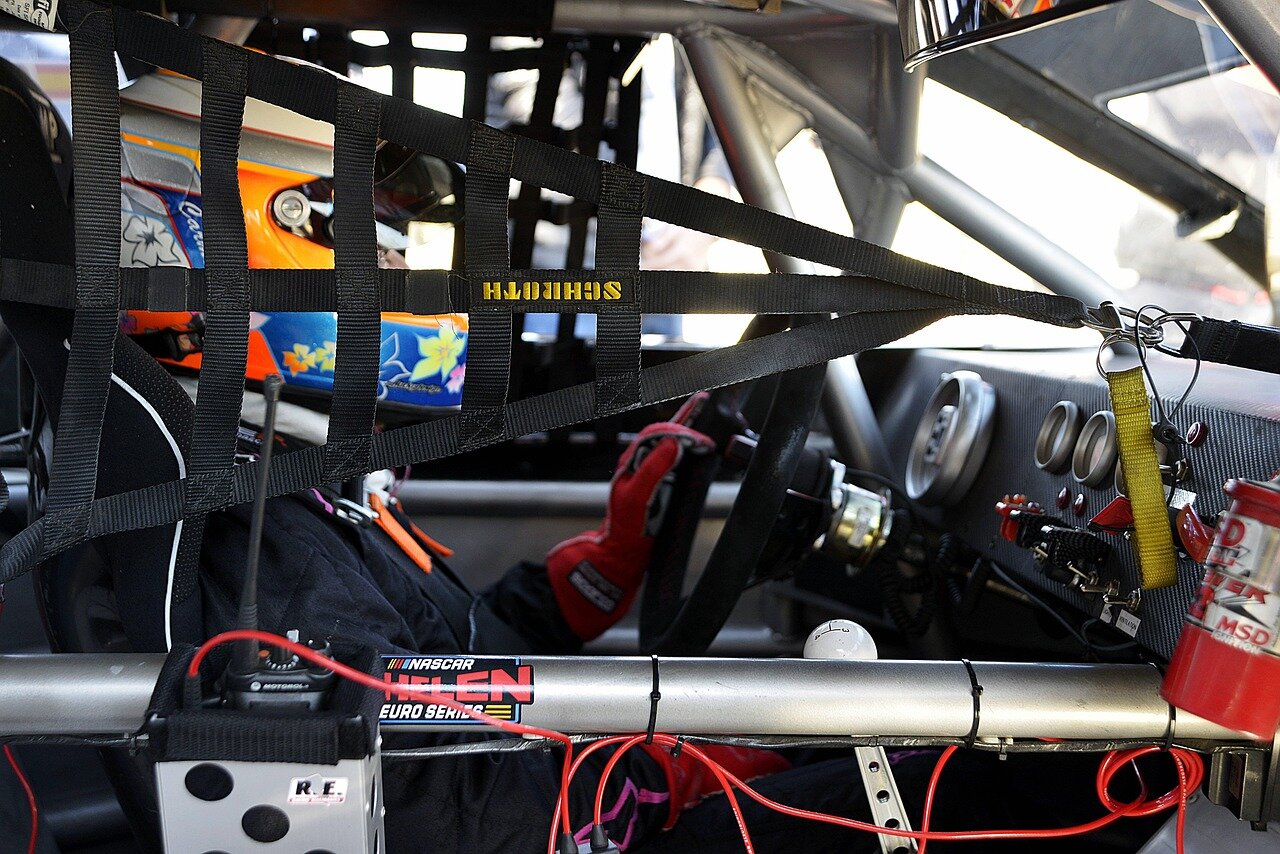
Mid-term impacts could include a shift in NASCAR’s marketing strategies as the organization seeks to fill the void left by Busch. This might open doors for emerging drivers to capture the spotlight, potentially revitalizing interest in the sport. However, there are risks involved; if NASCAR fails to cultivate new fan favorites, it could struggle to maintain its audience and relevance in a competitive entertainment landscape.
- Potential decline in race attendance and local business revenue.
- Shifts in sponsorship dynamics and marketing strategies.
- Opportunities for new drivers to rise and attract fan interest.
- Risk of losing casual fans if new stars do not emerge.
Ultimately, the impact of Busch’s departure will extend beyond immediate financial concerns, prompting a reevaluation of NASCAR’s identity and its connection with fans. The sport’s ability to adapt and innovate in response to this change will determine its future trajectory and relevance in the world of motorsports.
A: Kyle Busch is a celebrated driver known for his competitive spirit and numerous wins. His presence has significantly shaped NASCAR’s popularity and fan engagement. A: NASCAR may experience shifts in fan dynamics and team strategies. Busch’s absence could lead to new opportunities for emerging drivers. A: The NASCAR CEO described weekends as a ‘family reunion’ and expressed that they will never feel the same without Busch’s unique energy and contributions. A: Fans have expressed a mix of sadness and nostalgia, highlighting Busch’s memorable moments and his role in their NASCAR experience. A: While there are no confirmed plans for Busch’s return, fans and analysts remain hopeful for a potential comeback in some capacity.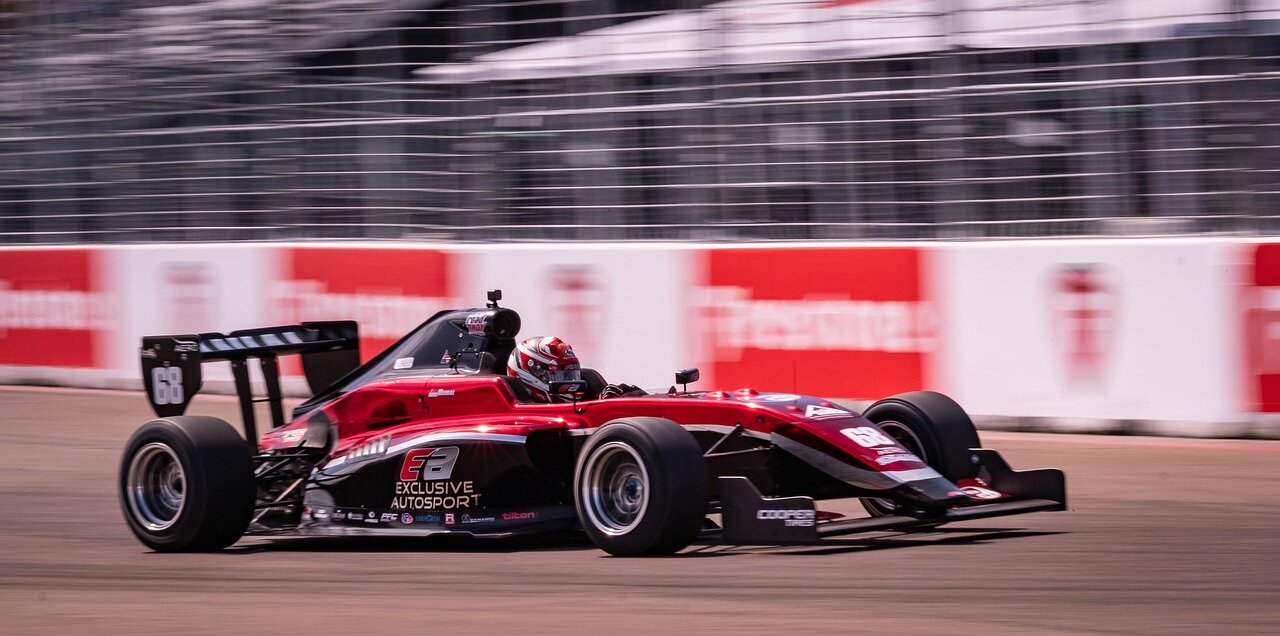
Frequently asked questions about Kyle Busch’s impact
Looking ahead: The future of NASCAR without Kyle Busch
The departure of Kyle Busch marks a significant shift in the NASCAR landscape, as his presence has been a defining element of the sport for years. As the series moves forward, teams and fans alike will need to adapt to the changes in dynamics and competition. The impact of Busch’s absence will resonate not only on the track but also in the broader fan engagement and marketing strategies of NASCAR.
In the coming seasons, NASCAR will likely see new opportunities for emerging talent to step into the spotlight, while veteran drivers may also adjust their strategies to fill the void left by Busch. The challenge will be to maintain the excitement and loyalty of fans who have long followed Busch’s career, ensuring that the sport continues to thrive in his absence.
- Emerging Talent: Watch for new drivers who may rise to prominence, potentially reshaping the competitive landscape.
- Fan Engagement: NASCAR will need innovative strategies to keep fans engaged and excited about the sport without Busch’s star power.
- Team Dynamics: Teams will have to recalibrate their approaches to racing, possibly leading to unexpected alliances and rivalries.
- Marketing Shifts: The absence of a marquee name like Busch may prompt NASCAR to explore new marketing avenues and partnerships.