


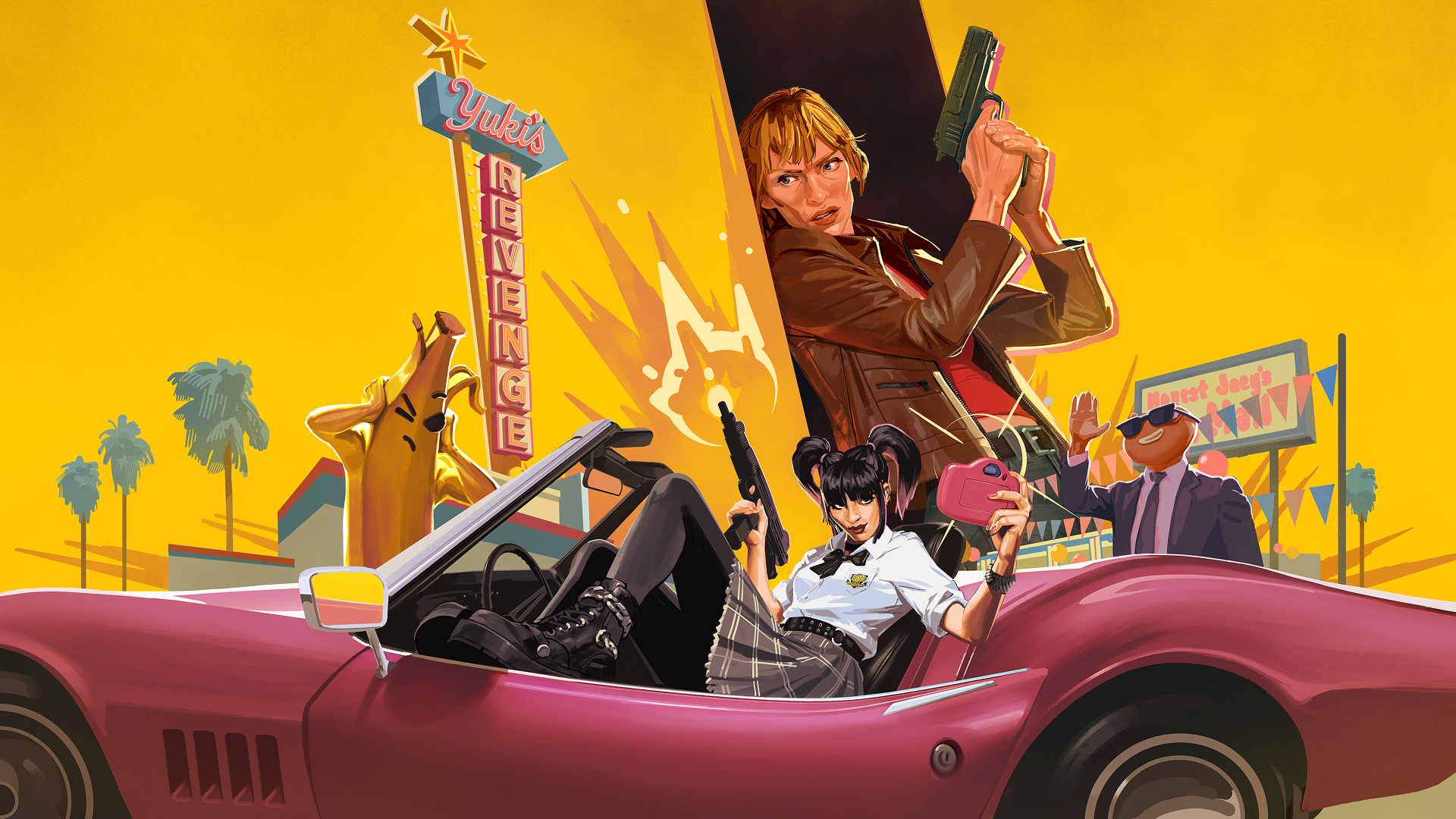
Tarantino shared that he sent the script for the lost chapter to the Fortnite team, who responded enthusiastically, leading to the decision to move forward with the project. This collaboration with Fortnite marks a unique intersection between cinema and gaming, highlighting the evolving landscape of content creation.
The original Kill Bill films, released in two volumes in 2003 and 2004, garnered critical acclaim and a dedicated fanbase, making this new chapter highly anticipated. The announcement has sparked discussions among fans and industry insiders alike, as it showcases Tarantino’s ability to innovate and adapt his storytelling to new mediums. The release date and further details about the project remain under wraps, but the excitement is palpable.
As Tarantino embarks on this unconventional venture, it reflects a broader trend of filmmakers exploring new avenues to engage audiences, merging traditional narratives with interactive experiences, reminiscent of the discussions about creative expression in the industry.

The background of the lost Kill Bill chapter and its significance
Quentin Tarantino’s ‘Kill Bill’ has long been celebrated as a modern classic in the action genre, known for its stylistic violence and rich homage to various cinematic traditions. Originally released in two volumes in 2003 and 2004, the films were intended to tell a singular story of revenge, but due to runtime constraints, Tarantino made the decision to cut several scenes, including a chapter that has since been deemed ‘lost.’ This chapter, which was believed to delve deeper into the backstory of the character O-Ren Ishii, has remained a point of intrigue for fans and film scholars alike.
The significance of this lost chapter extends beyond mere curiosity; it embodies the complexities of creative expression in the film industry. The decision to excise content often reflects not only artistic choices but also the commercial realities of filmmaking. In the early 2000s, the industry was grappling with changing audience expectations and the rise of franchises, leading directors like Tarantino to make tough decisions about what to include in their narratives. As such, the lost chapter of ‘Kill Bill’ represents both a personal artistic loss for Tarantino and a broader commentary on the constraints faced by filmmakers.
Tarantino’s collaboration with ‘Fortnite’ to bring this lost chapter to life exemplifies how the evolution of media consumption has opened doors for previously shelved projects and allowed creators to reimagine their work for new audiences, similar to how key players redesign narratives in sports.
The role of Fortnite in reviving cinematic narratives
‘Fortnite,’ a cultural phenomenon since its launch, has established itself as a platform for cross-media collaborations. By engaging with filmmakers and artists, it has become a space where traditional boundaries of storytelling can be blurred. Tarantino’s partnership with the game not only highlights the platform’s influence in the entertainment landscape but also showcases a shift in how narratives can be told and experienced. The decision to adapt a lost chapter of ‘Kill Bill’ into a playable format signifies a merging of cinematic artistry with interactive entertainment, paving the way for future collaborations between filmmakers and gaming platforms.

Exploring the collaboration between Tarantino and Fortnite
Quentin Tarantino, a renowned filmmaker known for his unique storytelling and stylistic choices, has expressed surprise at the revival of a lost chapter from his iconic film, ‘Kill Bill.’ The collaboration with Fortnite, a leading video game platform, has opened new avenues for creative expression and audience engagement. This partnership highlights the intersection of film and gaming, where both industries can benefit from each other’s vast reach and innovative capabilities.
Key actors in this scenario include Tarantino himself, Epic Games (the developer of Fortnite), and the broader entertainment industry. Tarantino’s interest lies in seeing his creative vision realized, while Epic Games aims to enhance their platform’s content and attract new users. The collaboration also raises questions about intellectual property rights, as Tarantino navigates the complexities of adapting his work into a different medium.
- Creative Control: Tarantino’s desire to maintain artistic integrity may conflict with Fortnite’s commercial interests.
- Audience Expansion: Both parties benefit from reaching new demographics, with Tarantino appealing to gamers and Fortnite introducing its audience to cinematic storytelling.
- Legal Considerations: The partnership may involve negotiations over rights and revenue sharing, especially regarding the use of Tarantino’s original script.
- Market Dynamics: This collaboration could influence trends in both the film and gaming industries, potentially leading to more crossovers.
- Fan Reactions: The response from both Tarantino’s film fans and Fortnite players will be critical in determining the success of this project.
As this collaboration progresses, it will be essential to monitor how both Tarantino and Epic Games navigate these challenges. The outcome may set a precedent for future partnerships between filmmakers and gaming companies, showcasing the potential for innovative storytelling in interactive formats.
The potential impact on fans and the film industry
The collaboration between Quentin Tarantino and Fortnite to bring a lost chapter of ‘Kill Bill’ to life has significant implications for various groups, particularly fans of the franchise and the broader film industry. Fans who have long awaited more content from the ‘Kill Bill’ universe are likely to experience renewed excitement and engagement. This unique partnership could also attract a younger audience who may not be familiar with Tarantino’s work but are avid gamers.

In the short term, this collaboration can lead to increased visibility for both the film and the gaming industry. The release of the chapter may boost sales of ‘Kill Bill’ merchandise and streaming services hosting the film. Additionally, it could spark renewed interest in Tarantino’s other works, ultimately benefiting the film industry as a whole.
In the mid-term, the partnership may influence how filmmakers approach storytelling, particularly in integrating video game platforms with cinematic narratives. This could pave the way for more cross-industry collaborations, where films and video games coexist and enhance each other’s narratives. However, there are risks involved, such as potential backlash from purists who believe that the integrity of the original film may be compromised.
- Increased fan engagement: Renewed interest in ‘Kill Bill’ and Tarantino’s work.
- Boost for the gaming industry: Attracting a new audience to Fortnite and its events.
- Influence on future collaborations: Setting a precedent for filmmakers to explore gaming platforms.
- Risks of backlash: Potential criticism from traditionalists regarding the adaptation.
Overall, this collaboration stands to reshape how fans interact with cinematic content and could lead to innovative storytelling methods that blend different media formats. As the lines between film and gaming continue to blur, both industries may find new pathways for growth and engagement.
A: The lost chapter of Kill Bill is a segment that was initially written but never filmed. Tarantino has now decided to bring it to life through a collaboration with Fortnite. A: Tarantino sent the script to Fortnite, and they expressed immediate interest in producing the chapter, leading to a unique partnership. A: Yes, the chapter is expected to be accessible through Fortnite, allowing fans to experience it in an interactive format. A: Tarantino is excited about the collaboration, noting that it allows him to explore new creative avenues while reaching a broader audience. A: While an exact release date has not been announced, updates are anticipated as the project progresses.
Frequently asked questions about the Kill Bill chapter
Key insights and future outlook on the project
The collaboration between Quentin Tarantino and Fortnite represents a significant intersection of film and gaming, illustrating how traditional media can adapt and thrive in the digital age. Tarantino’s willingness to explore new platforms for storytelling indicates a shift in how narratives can be shared and experienced, particularly among younger audiences who engage with content through interactive mediums. This partnership not only revitalizes the ‘Kill Bill’ franchise but also sets a precedent for future collaborations between filmmakers and video game developers.
As this project unfolds, it will be essential to observe how audiences respond to this unique blend of cinematic storytelling and interactive gameplay. The success of this endeavor could pave the way for similar projects, encouraging other filmmakers to consider alternative avenues for their works and potentially transforming the landscape of both industries.
- The merging of film and gaming could lead to innovative storytelling techniques that enhance audience engagement.
- Future collaborations may emerge between other iconic filmmakers and gaming platforms, expanding the reach of cinematic narratives.
- Monitoring audience reception will provide insights into the viability of cross-platform storytelling as a mainstream practice.
- This partnership could influence the marketing strategies of both films and video games, leveraging each other’s fanbases.
- Expect to see more interactive experiences that allow fans to immerse themselves in beloved franchises, reshaping how stories are consumed.