


Recent events, such as Xi’s visit to Moscow in March 2023, highlighted the strengthening ties between the two nations. During this visit, the leaders signed a series of agreements aimed at enhancing economic cooperation, particularly in energy and infrastructure. For more on the implications of these agreements, see Latest Updates on Current Events.
Moreover, the ongoing conflict in Ukraine has further solidified the bond between Russia and China. While China has maintained a position of neutrality, it has refrained from condemning Russia’s actions and has instead called for dialogue and peace. This stance has been interpreted as tacit support, allowing both countries to navigate their respective challenges while aligning their interests.
In addition to military and economic collaboration, the two countries have also engaged in cultural exchanges and diplomatic dialogues, reinforcing their partnership on multiple fronts. As both nations face internal and external pressures, their alliance may continue to evolve, making it essential to monitor their interactions and the implications for global geopolitics.
Historical Context of Russia-China Relations
The relationship between Russia and China has evolved significantly over the centuries, shaped by a complex interplay of historical events, political ideologies, and economic interests. Initially, the two nations shared a tumultuous relationship, characterized by territorial disputes and mutual suspicion. The signing of the Treaty of Nerchinsk in 1689 marked the first formal agreement between the two powers, establishing borders and setting the stage for future interactions.
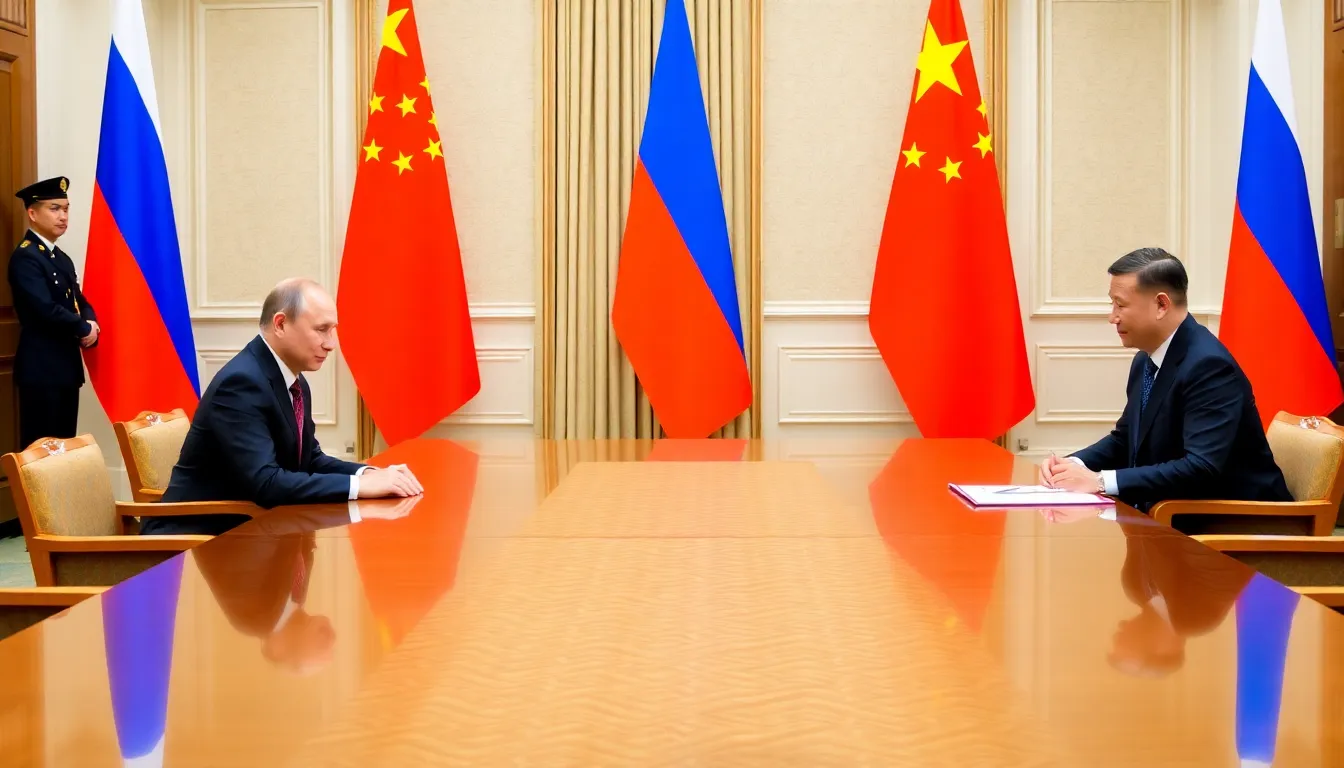
During the Cold War, the dynamics shifted as both countries aligned with opposing ideological camps. While China initially looked to the Soviet Union for support in its communist revolution, ideological rifts emerged in the 1960s, leading to a period of hostility known as the Sino-Soviet split. This discord was marked by border clashes and a significant decline in diplomatic relations, which lasted for decades.
Post-Cold War Reconciliation
The end of the Cold War in the late 20th century opened a new chapter in Russia-China relations. Both nations faced the challenge of redefining their roles in a rapidly changing global landscape. The 1991 dissolution of the Soviet Union prompted China to seek stronger ties with Russia, viewing it as a counterbalance to Western influence. This led to a series of treaties aimed at enhancing cooperation in various fields, including trade, security, and energy.
In the 21st century, the relationship has deepened further, with both leaders, Vladimir Putin and Xi Jinping, emphasizing the importance of a strategic partnership. Key milestones, such as the establishment of the Shanghai Cooperation Organization in 2001 and the signing of multiple economic agreements, have solidified their alliance. This partnership is often framed as a counterweight to Western hegemony, particularly in light of rising tensions with the United States and NATO.
Today, the Russia-China relationship is characterized by a blend of pragmatism and mutual benefit, with both nations leveraging their partnership to advance their respective geopolitical agendas. As they navigate a multipolar world, the question of whether Putin and Xi are best friends reflects not only their personal rapport but also the broader strategic interests that bind their countries together.
Key Issues and Stakeholders in the Putin-Xi Alliance
The relationship between Russian President Vladimir Putin and Chinese President Xi Jinping has garnered significant attention, particularly as both leaders navigate complex geopolitical landscapes. Their alliance is driven by mutual interests, including economic cooperation, military collaboration, and a shared vision of countering Western influence. Understanding the key stakeholders, like the Russian government, is essential for grasping the implications of their partnership; for further insights on this, visit Trump and Xi conclude very successful talks with limited agreements.
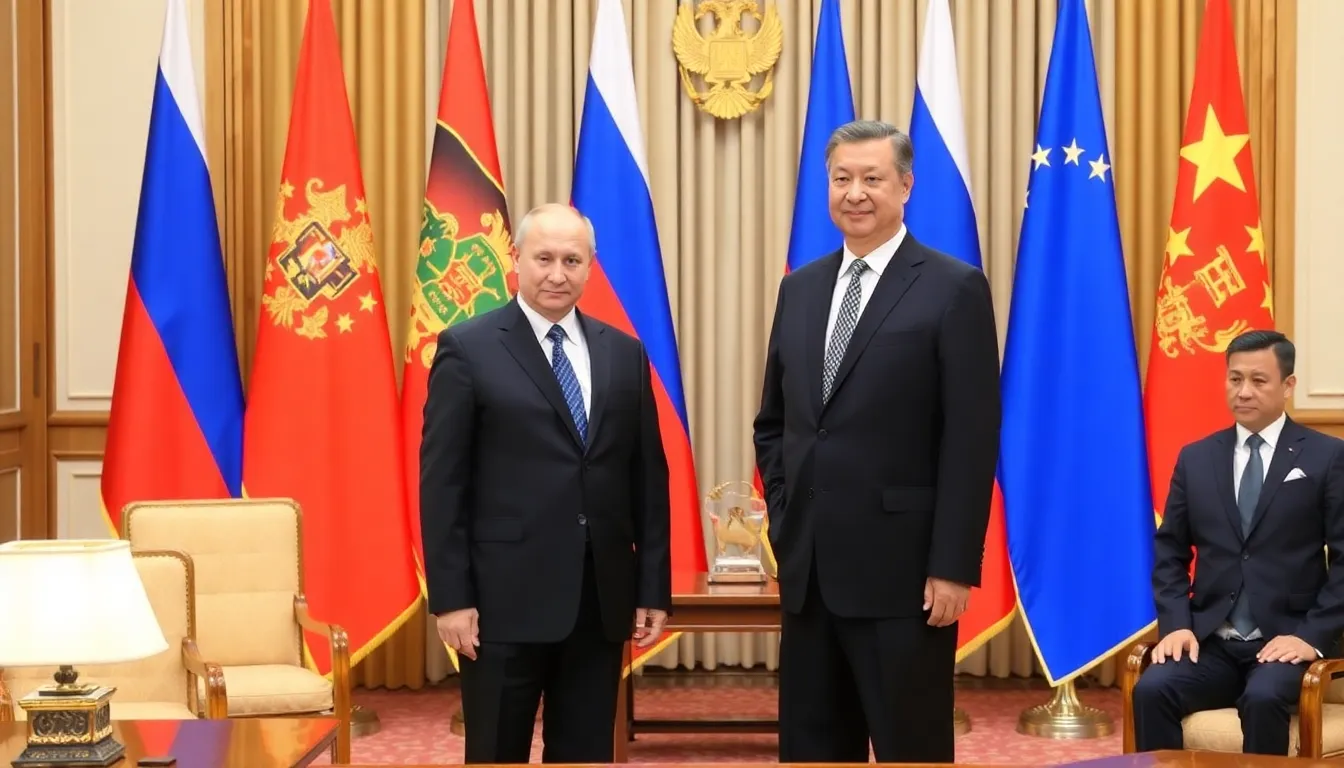
One of the primary stakeholders in this alliance is the Russian government, which seeks to strengthen its economy through increased trade with China. This includes energy exports, as Russia is a major supplier of oil and gas to China. For Xi’s administration, fostering a strong relationship with Russia serves to bolster China’s energy security and diversify its sources of energy, especially amidst tensions with Western nations.
However, the alliance is not without its conflicts and trade-offs. Both countries have competing interests in regions such as Central Asia, where their spheres of influence overlap. Additionally, there are concerns about the balance of power in their relationship, with some analysts suggesting that China may be taking advantage of Russia’s economic vulnerabilities.
- Economic Interests: Both leaders aim to enhance bilateral trade, with a focus on energy, technology, and infrastructure.
- Military Cooperation: Joint military exercises and arms deals highlight their strategic partnership, but raise alarms in neighboring countries.
- Geopolitical Tensions: Their alliance serves as a counterbalance to Western powers, particularly the United States and NATO.
- Regional Influence: Competition in Central Asia and the Arctic may lead to friction between the two nations.
- Legal and Economic Issues: Sanctions and international law pose challenges to their cooperative efforts, particularly regarding trade agreements.
In summary, the Putin-Xi relationship is multifaceted, characterized by a blend of cooperation and competition. As both leaders continue to navigate their respective domestic and international challenges, the dynamics of their alliance will likely evolve, influencing global politics in significant ways. To explore related developments, check out Latest Updates on Current Events.
The Global Impact of Their Partnership
The alliance between Vladimir Putin and Xi Jinping has far-reaching implications for various groups, industries, and regions around the world. As their relationship strengthens, countries and sectors that rely on geopolitical stability may find themselves facing new challenges and opportunities. This partnership is particularly significant for nations in Europe, Asia, and the energy sector.
In the short term, businesses in the energy and defense industries may see immediate impacts. With both Russia and China seeking to expand their influence, companies involved in energy production, technology, and military supplies could experience increased demand. Conversely, industries reliant on Western markets may face disruptions due to potential sanctions or shifts in trade policies.
Regions such as Eastern Europe and Central Asia are likely to feel the effects of this partnership more acutely. Countries in these areas may experience heightened tension as they navigate the dynamics of Russian and Chinese influence. This could lead to a realignment of alliances and economic partnerships, impacting local economies and political stability.
- Energy Sector: Increased collaboration may lead to more investment in energy projects between Russia and China.
- Technology and Defense: Enhanced military cooperation could boost defense contracts and tech sharing.
- Geopolitical Tensions: Nations in proximity may face increased pressure to align with either Russia or China.
In the mid-term, businesses and governments will need to adapt to a shifting landscape. There is a risk of increased isolation for countries that oppose this partnership, but there are also opportunities for nations that can leverage the economic ties between Russia and China. For instance, countries that can position themselves as intermediaries or trade partners may benefit from increased investment and economic growth.
A: While they share a close working relationship, their friendship is often seen as strategic rather than personal. Both leaders prioritize their national interests over emotional bonds. A: Russia and China collaborate on various fronts, including military exercises, energy partnerships, and economic initiatives. These collaborations strengthen their geopolitical stance. A: The West generally views their alliance with skepticism, seeing it as a potential threat to global stability and a challenge to Western influence. A: Key events include the Cold War dynamics, the end of the Soviet Union, and recent joint efforts against Western sanctions, which have brought them closer together. A: The future of their relationship will likely depend on global political shifts, economic needs, and how they navigate their individual ambitions on the world stage.
Frequently Asked Questions About Putin and Xi
Key Takeaways and Future Outlook on Their Relationship
The evolving relationship between Putin and Xi reflects a strategic partnership that extends beyond mere friendship. As both leaders navigate a complex global landscape, their collaboration may significantly influence geopolitical dynamics, particularly in areas such as trade, military cooperation, and international diplomacy.
Monitoring the developments in this relationship is crucial, as it could reshape alliances and impact global stability. Observers should pay attention to how their interactions evolve in response to external pressures, such as Western sanctions or regional conflicts, and what this means for the future of global governance.
- Increased Military Cooperation: Watch for joint military exercises and defense agreements that may signal a deeper alliance.
- Economic Partnerships: The potential for enhanced trade deals could reshape economic ties, particularly in energy and technology sectors.
- Geopolitical Maneuvering: Their responses to Western policies and actions will be critical in understanding shifts in global power dynamics.
- Regional Influence: The impact of their relationship on neighboring countries, particularly in Asia and Eastern Europe, will be pivotal.
- Public Perception: How state media portray their relationship may influence domestic and international public opinion.