


The vaping policy, which aims to impose stricter regulations on e-cigarettes and vaping products, has sparked a debate not only within the campaign but also among public health advocates and industry stakeholders. Supporters argue that the policy is necessary to protect youth from potential addiction, while opponents, including Danker, believe it could lead to overreach and limit consumer choices. This ongoing discussion is part of broader updates on current events.
Danker’s resignation has drawn attention to the internal conflicts within Kennedy’s campaign as it seeks to balance public health concerns with the principles of personal liberty. His departure raises questions about the future direction of the campaign and how it will address the complex issue of vaping in a rapidly evolving regulatory landscape.
This incident also highlights a broader national conversation about vaping and its implications for public health policy. As various states and localities continue to grapple with similar issues, the outcome of this debate may influence future legislation and campaign strategies across the political spectrum, similar to the discussions seen in current media trends.
Understanding the background of the vaping policy controversy
The vaping industry has experienced rapid growth over the past decade, emerging as a significant player in the broader tobacco market. Initially marketed as a safer alternative to traditional cigarettes, vaping products gained popularity among both smokers looking to quit and young consumers attracted by flavored options. However, this surge in popularity has led to increasing scrutiny from health officials and lawmakers, who express concerns about the potential health risks associated with vaping, particularly among adolescents.
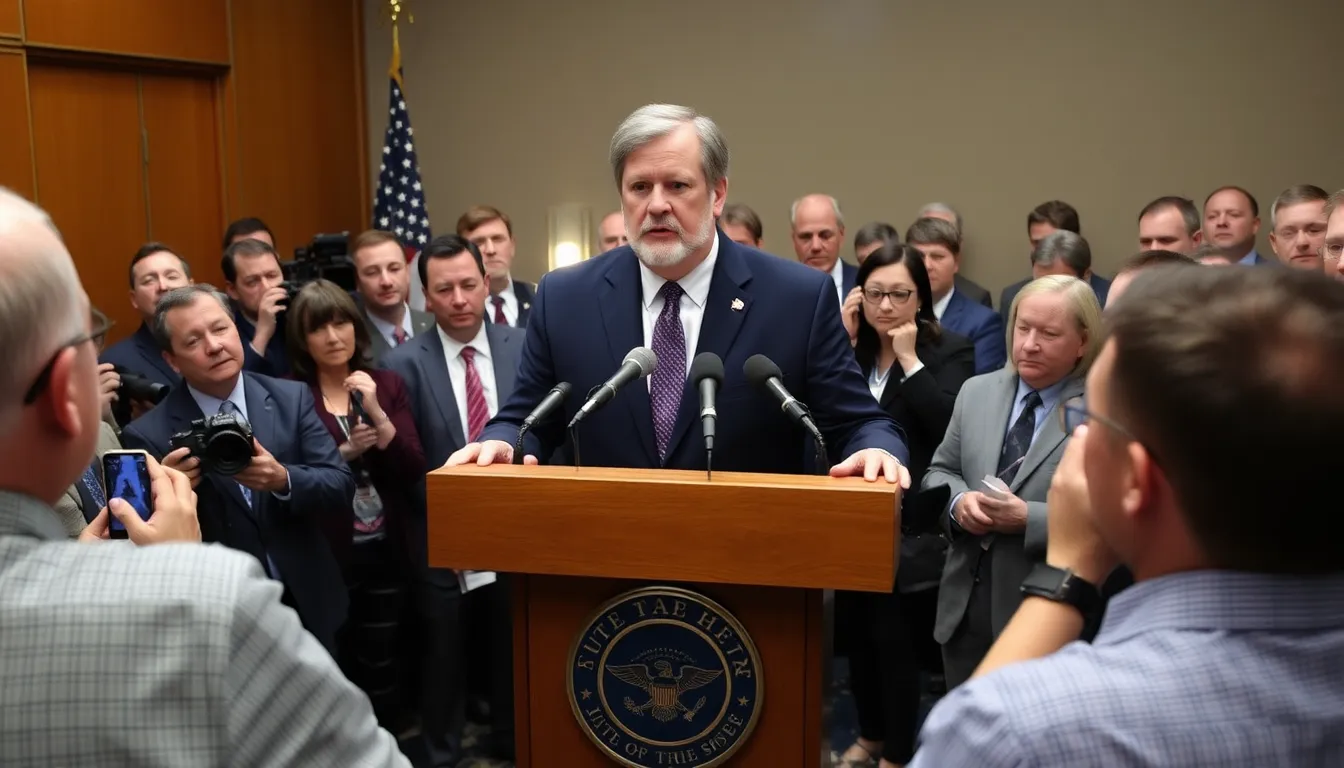
In recent years, various states and federal agencies have implemented stricter regulations on vaping products, aiming to curb youth access and usage. These regulations often include age restrictions, flavor bans, and marketing limitations. The political landscape surrounding vaping has become increasingly polarized, with advocates arguing for personal choice and harm reduction while opponents cite public health risks and addiction concerns.
The role of advocacy groups
Advocacy groups have played a crucial role in shaping the discourse on vaping policies. Organizations such as the Campaign for Tobacco-Free Kids and the American Lung Association have been vocal in their opposition to vaping, pushing for comprehensive policies to protect public health. Conversely, groups representing the vaping industry argue that responsible regulation is necessary to ensure product safety without stifling innovation and consumer choice. This ongoing tug-of-war has created a contentious environment, influencing public perception and political action.
The resignation of Rich Danker, RFK Jr.’s top spokesman, highlights the internal conflicts that can arise within political campaigns regarding policy stances. Danker’s departure in protest over the new vaping policy reflects not only a personal disagreement but also underscores the broader implications of how political figures navigate the complex landscape of public health and personal freedoms. Such events can serve as pivotal moments in political campaigns, potentially swaying public opinion and altering the trajectory of policy discussions.
Examining the implications of Danker’s departure for RFK Jr.’s campaign
Rich Danker, a prominent spokesperson for Robert F. Kennedy Jr., has resigned in protest over the campaign’s new vaping policy. This unexpected move raises significant questions about the internal dynamics of the campaign and its broader implications for the 2024 presidential race.
The resignation highlights a potential rift within RFK Jr.’s campaign team, particularly concerning issues related to public health and regulatory policies. Danker, known for his strong advocacy on vaping rights, may have viewed the new policy as a betrayal of the campaign’s foundational principles, which could alienate a segment of the electorate that values personal choice and freedom.
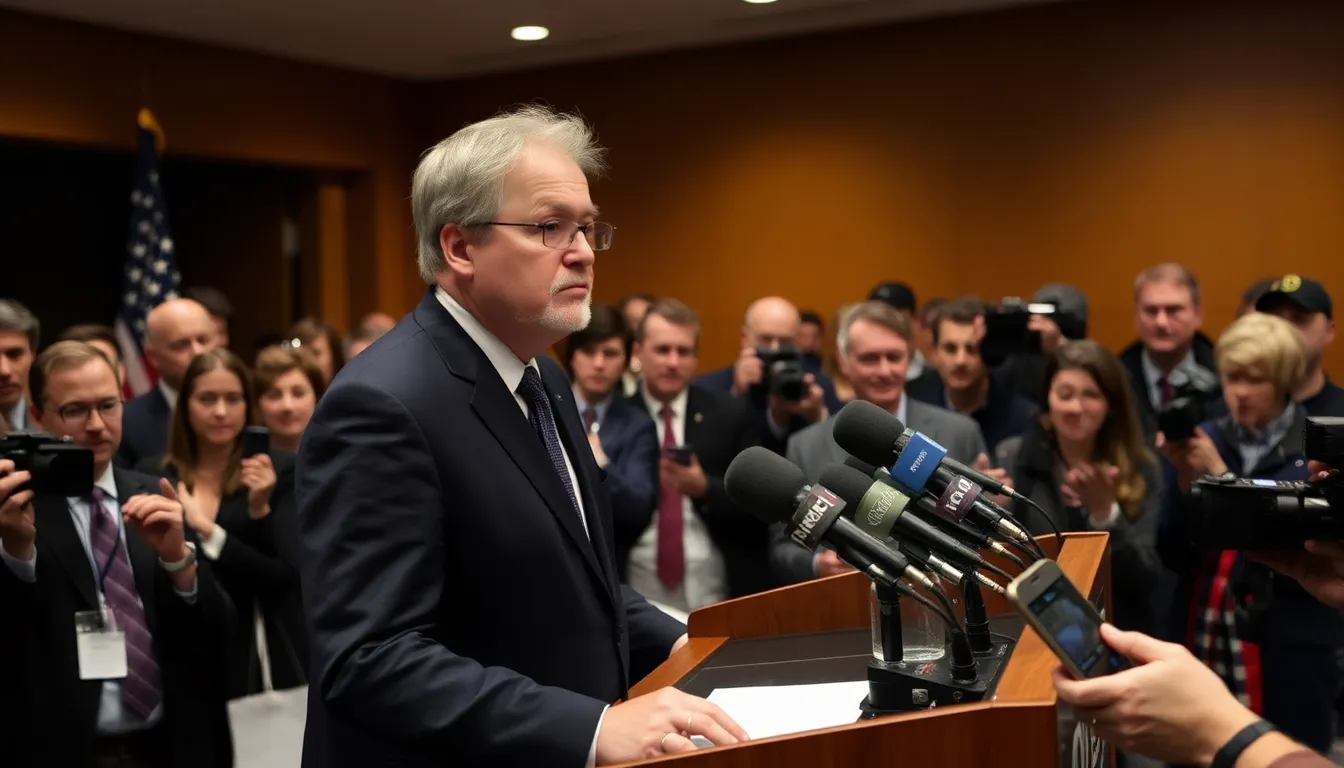
Key stakeholders in this scenario include RFK Jr. himself, who must now navigate the fallout from this resignation while maintaining campaign momentum. Additionally, public health organizations and advocacy groups are closely monitoring the situation, as the vaping policy could influence perceptions of RFK Jr. among both supporters and detractors.
- Internal Conflict: The departure may signal deeper ideological divides within the campaign, affecting team cohesion.
- Public Perception: RFK Jr.’s stance on vaping could be pivotal in shaping voter sentiment, especially among younger demographics.
- Legal Issues: The new vaping policy could attract scrutiny from regulatory bodies, impacting campaign strategy.
- Economic Implications: Changes in vaping policy could influence market dynamics, affecting businesses and consumers alike.
As the campaign progresses, it will be essential for RFK Jr. to address these emerging issues and clarify his position on vaping to ensure that his message resonates with his target audience. The balance between public health concerns and individual liberties will likely remain a contentious topic as the election approaches.
Potential effects on supporters and the vaping industry
The resignation of Rich Danker, a prominent figure in RFK Jr.’s campaign, signals a significant shift in the political landscape surrounding vaping policies. This change is likely to impact a diverse range of groups, including vaping enthusiasts, manufacturers, and public health advocates. The new policy could alienate supporters who view vaping as a less harmful alternative to smoking, potentially leading to a decrease in political backing for RFK Jr. and his campaign, especially as it relates to emerging trends.
In the short term, businesses within the vaping industry may experience volatility as they adapt to new regulations. Retailers, particularly those specializing in vaping products, could see a decline in sales as consumers react to the uncertainty surrounding the legality and availability of products. Additionally, manufacturers may face increased operational costs due to compliance with new regulations, which could lead to higher prices for consumers.
Mid-term impacts may include a shift in consumer behavior as individuals reassess their choices in light of the new policy. Some may revert to traditional tobacco products, while others might explore alternative nicotine delivery systems. This could create opportunities for innovation within the industry, prompting companies to develop new products that align with changing regulations and consumer preferences.
- Increased operational costs for vaping businesses due to compliance.
- Potential decline in sales for retailers specializing in vaping products.
- Opportunities for innovation as companies adapt to new market demands.
- Shift in consumer behavior towards traditional tobacco or alternative products.
Public health advocates may view the new policy as a step toward reducing nicotine addiction among youth, potentially leading to a more significant push for stricter regulations in the future. However, this could also ignite a backlash from vaping supporters who argue for their rights to choose less harmful alternatives. The ongoing debate may further polarize opinions on vaping, impacting future political campaigns and policies.
A: Rich Danker resigned in protest against a new vaping policy that he believes contradicts the campaign’s values and principles. A: The new vaping policy aims to regulate vaping products more strictly, which some supporters feel may alienate a segment of the voter base. A: Danker’s resignation could create uncertainty among supporters and may impact fundraising efforts as the campaign navigates this controversy. A: As of now, there has been no announcement regarding a replacement for Rich Danker, leaving the campaign to address this leadership gap. A: Reactions from supporters have been mixed, with some expressing disappointment over the policy while others support the campaign’s new direction.
Frequently asked questions about the resignation and vaping policy
Key takeaways and future outlook for RFK Jr.’s campaign
The resignation of Rich Danker, a key figure in RFK Jr.’s campaign, highlights the internal conflicts arising from new vaping policies that may alienate certain voter demographics. This move raises questions about the campaign’s direction and its ability to maintain cohesion among its leadership, particularly as it seeks to appeal to a diverse electorate.
As RFK Jr. navigates this turbulent period, the implications of this resignation could reverberate beyond immediate personnel changes, affecting campaign strategy and public perception. Observers should monitor how the campaign adjusts its messaging and whether it can effectively address the concerns raised by Danker’s departure.
- The campaign may need to clarify its stance on vaping to regain the trust of supporters who feel alienated by the new policy.
- Future resignations or shifts in campaign personnel could signal deeper ideological divides within RFK Jr.’s team.
- Public reaction to this resignation may influence voter sentiment and fundraising efforts in the coming weeks.
- The handling of this situation could serve as a test of RFK Jr.’s leadership and crisis management skills.
- Monitoring media coverage will provide insights into how this resignation shapes the broader narrative of the campaign.