


With this win, City has confirmed their place in the UEFA Champions League for the upcoming season, further solidifying their status as one of the top clubs in Europe. The FA Cup triumph complements their Premier League success, where they finished first in the 2022-2023 season, showcasing their dominance in English football.
The outcome of the FA Cup also affects other teams vying for European spots. Since City has already qualified for the Champions League through their league position, the next highest-placed teams in the Premier League will benefit from the additional European qualification spots that are now available.
This situation creates a ripple effect in the league, as clubs like Newcastle United and Liverpool, who are eager to secure their places in European competitions, will have to navigate the final matches of the season with heightened intensity. The dynamics of the Premier League table are critical as teams strive for both glory and financial incentives that come with European football participation.
Exploring the historical context of FA Cup and Premier League qualifications
The FA Cup, established in 1871, is one of the oldest football competitions in the world and has long been a cornerstone of English football. Its significance extends beyond just a trophy; it has historically provided teams with a pathway to European competition. The winner of the FA Cup traditionally qualifies for the UEFA Europa League, a vital opportunity for clubs looking to enhance their prestige and financial stability.
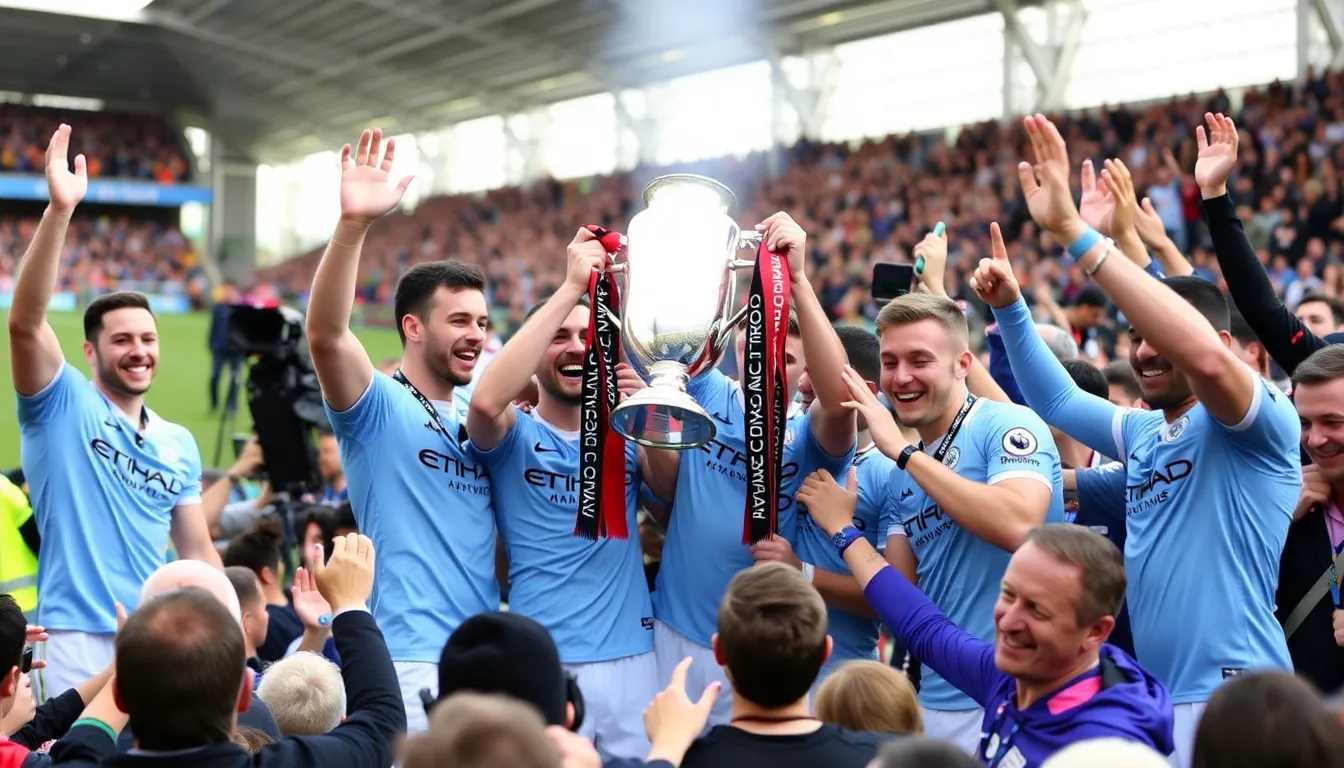
Over the years, the relationship between domestic cup success and European qualification has evolved. In the early years, the FA Cup was the primary means for clubs to gain international exposure. However, with the establishment of the Premier League in 1992 and the subsequent creation of the UEFA Champions League, the landscape of European football qualifications became more complex. The Premier League’s top teams began to dominate European spots, often overshadowing the potential of cup winners.
Manchester City’s recent FA Cup victory is particularly significant as it highlights this ongoing dynamic between domestic success and European aspirations. With their win, City not only added another trophy to their cabinet but also secured a place in the UEFA competitions, reinforcing their status as one of England’s elite clubs. This achievement is reflective of a broader trend where clubs with substantial financial backing can leverage domestic cup victories to bolster their European campaigns.
The impact of financial investment on competition
The rise of financial investment in football, particularly since the turn of the millennium, has transformed the competitive landscape of the Premier League. Clubs like Manchester City have benefitted from significant investment, allowing them to build squads capable of competing on multiple fronts, including domestic cups and European tournaments. This financial power has led to a concentration of talent in a few clubs, making it increasingly challenging for traditional teams to compete for both league titles and cup victories.
As a result, the implications of Manchester City’s FA Cup win extend beyond the immediate joy of their supporters; it serves as a reminder of the evolving nature of competition in English football, where financial prowess often dictates success and European qualification. The interplay between cup victories and league performances continues to shape the ambitions of clubs across the Premier League, making every match and tournament a crucial battleground for securing a place in Europe.
Analyzing the key stakeholders affected by this victory
The recent FA Cup victory by Manchester City has significant implications for various stakeholders within the football ecosystem. The primary actors include the Premier League clubs, UEFA, the English Football Association (FA), and the fans. Each of these stakeholders has distinct interests that may be impacted by this win.
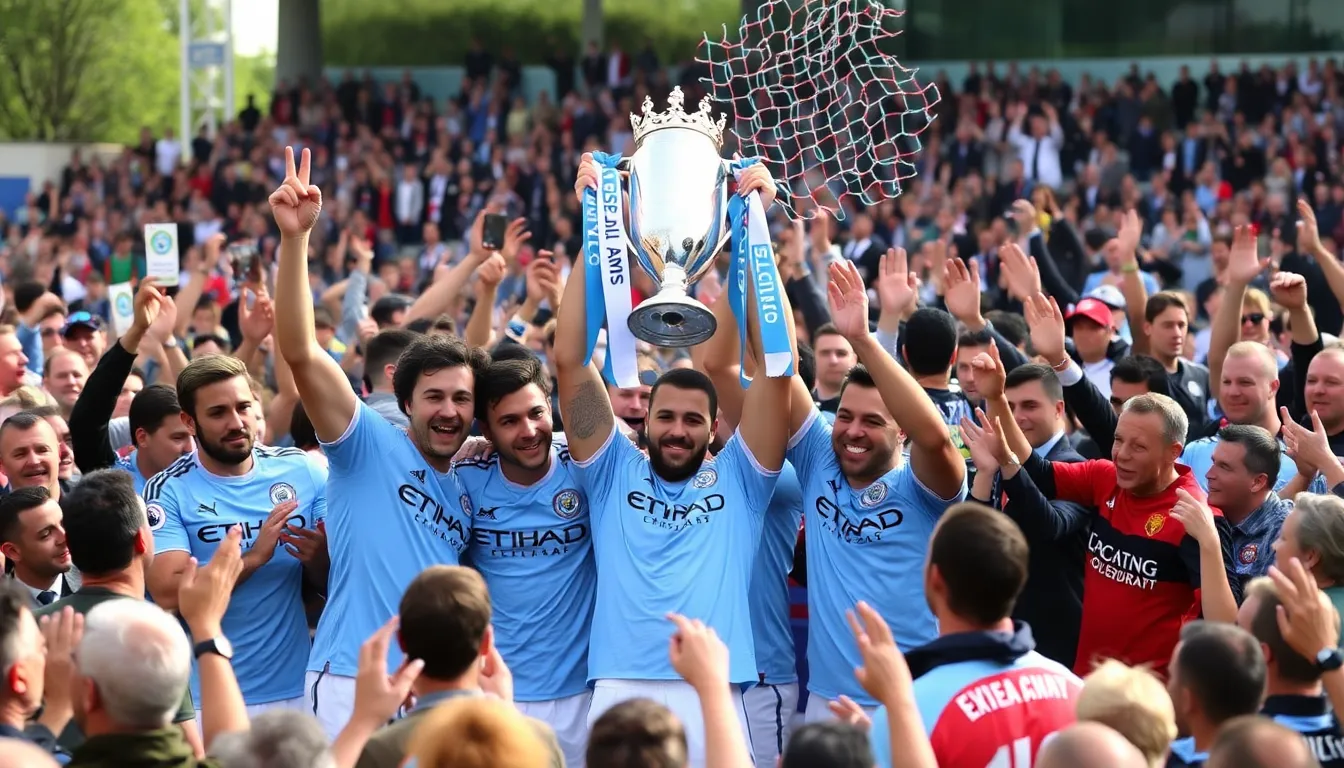
For Premier League clubs, Manchester City’s success raises concerns about financial disparities within the league. Clubs that operate on tighter budgets may feel the pressure as City continues to attract top talent and secure lucrative sponsorships. This could lead to a widening gap between the top teams and those lower in the standings, potentially affecting competitive balance.
UEFA, as the governing body for European football, has a vested interest in maintaining the integrity of its competitions. City’s victory could influence their qualification for European tournaments, depending on their performance in the league. This raises questions about financial fair play regulations and whether City’s investments are sustainable or lead to unfair advantages.
- Financial Disparities: The growing gap between wealthy clubs and smaller teams may lead to calls for reforms in revenue sharing and salary caps.
- Regulatory Scrutiny: UEFA may increase scrutiny on Manchester City regarding compliance with financial fair play rules, particularly if they continue to dominate.
- Fan Engagement: Fans of rival clubs may feel disillusioned, leading to decreased attendance and engagement in the league, impacting overall revenues.
- International Representation: City’s success enhances the Premier League’s reputation globally, potentially attracting more international viewership and sponsorships.
- Future Investments: Other clubs may be compelled to invest heavily to compete, leading to a potential arms race in player acquisitions.
In summary, while Manchester City’s FA Cup win is a moment of triumph for the club and its supporters, it underscores a complex web of interests and potential conflicts among various stakeholders in the football landscape. The implications of this victory will likely resonate throughout the league and beyond, shaping the future of English football.
Evaluating the impact on Premier League teams and European spots
The recent FA Cup victory by Manchester City has significant implications for various stakeholders within the Premier League and beyond. Teams vying for European competition spots are directly affected, as the distribution of UEFA tournament places hinges on the outcomes of domestic cup competitions. This win not only solidifies City’s dominance but also reshapes the competitive landscape for other clubs.
In the short term, clubs that fail to secure a European spot may face financial strain due to decreased revenue from ticket sales, merchandise, and broadcasting rights. This could lead to difficult decisions regarding player transfers and wage budgets, impacting their overall competitiveness. Conversely, clubs that qualify for European tournaments will benefit from increased exposure and financial gains, allowing them to invest further in their squads.
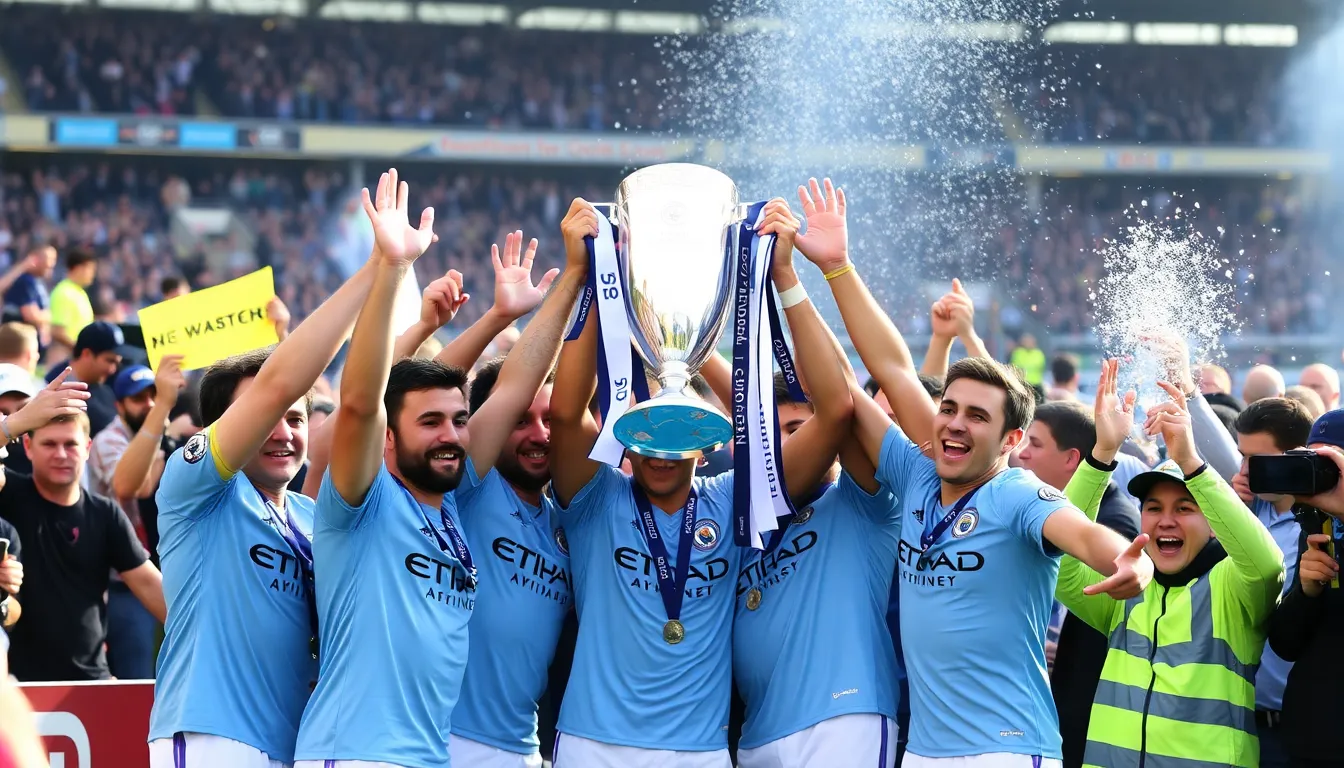
In the mid-term, the ripple effects of City’s victory could influence player recruitment strategies across the league. Clubs may prioritize signing players with European experience to enhance their chances of qualification in future seasons. Additionally, mid-table teams might reassess their ambitions and consider adopting more aggressive strategies to break into the European competition, potentially altering the dynamics of the league.
- Financial Impact: Clubs missing out on Europe may struggle financially.
- Player Movements: Increased competition for top talent as clubs aim for European spots.
- Strategic Shifts: Teams may alter their long-term strategies based on European qualification chances.
Moreover, the broader footballing community, including sponsors and broadcasters, will also feel the effects of Manchester City’s success. Increased viewership and engagement from European competitions can lead to higher advertising revenues and sponsorship deals, benefiting the entire league. However, the dominance of a single club may also raise concerns about competitive balance, prompting discussions around potential policy changes to ensure a more level playing field.
A: Man City’s FA Cup win secures them a spot in the UEFA competitions, which could impact the number of available places for other teams in the Premier League. A: The FA Cup can influence the Premier League standings by altering which teams qualify for European competitions, depending on their league positions. A: Yes, depending on the FA Cup winner and their league position, it can affect the total number of Premier League teams qualifying for European tournaments. A: If the FA Cup winner has already secured a European spot through the league, the next highest-placed team in the league may gain entry to European competitions. A: Many fans see the FA Cup as a prestigious tournament that not only provides silverware but also a pathway to European football, making it highly significant.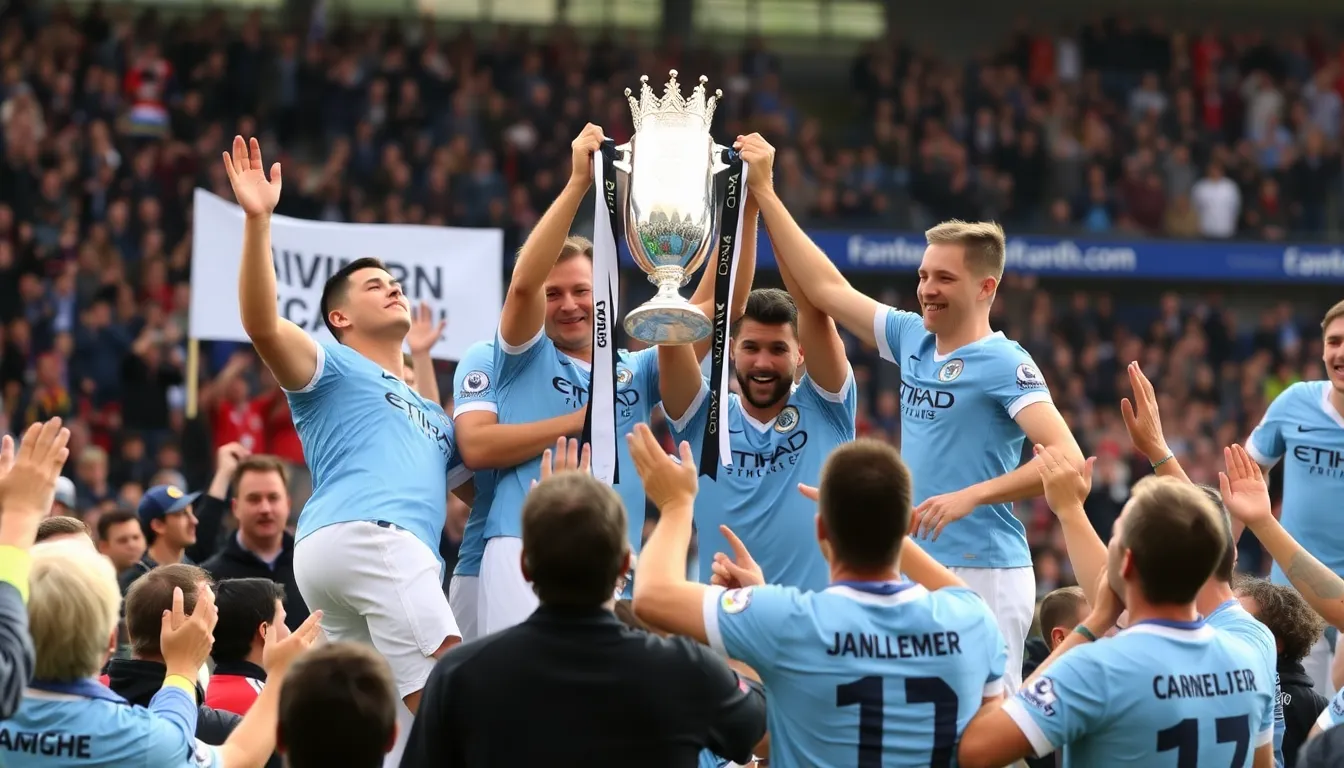
Frequently asked questions about the FA Cup and European qualifications
Summarizing the implications for future Premier League seasons
Manchester City’s recent FA Cup victory not only adds to their trophy cabinet but also reshapes the landscape of European qualification for the Premier League. With their solidified status as a top contender, the ripple effects of this win may influence both the strategies of other clubs and the dynamics of European competitions. As the Premier League continues to be a battleground for elite clubs, the implications of City’s success could have lasting effects on how teams approach their seasons.
Looking ahead, clubs vying for European spots will need to assess their strategies in light of City’s dominance. The competition for places in the UEFA Champions League and Europa League is expected to intensify, with several teams likely to bolster their squads to keep pace. Additionally, the financial ramifications of participating in European tournaments will motivate clubs to invest wisely, making every match increasingly critical.
- The fight for Champions League spots will become more competitive, with clubs needing to enhance their performances consistently.
- Teams may adopt more aggressive transfer strategies to attract top talent, aiming to close the gap with City.
- Clubs outside the traditional top six will look for opportunities to disrupt the status quo, potentially leading to surprising outcomes in the league.
- City’s success could encourage a focus on youth development and tactical innovation among rival clubs.
- The financial implications of European qualification will drive clubs to prioritize league performance, affecting managerial decisions and player contracts.