



This situation has attracted attention not only for its potential impact on Rooney’s readership but also for the broader implications it may have on freedom of expression and artistic integrity.
As of now, no final decision has been made, but the case is being closely monitored by both supporters and critics of the movement. The next court date is set for early next month, where further arguments are expected to be presented regarding the legality and ethics of the proposed ban.
This issue highlights the intersection of literature, politics, and social activism, raising questions about the responsibilities of authors and publishers in politically charged environments. The outcome of this case could set a precedent for how similar situations are handled in the future, making it a significant moment in contemporary publishing history.
Understanding the Palestine Action ban and its implications
The ongoing conflict between Israel and Palestine has been a focal point of international debate for decades, with cultural and political ramifications extending far beyond the Middle East. The rise of movements advocating for Palestinian rights, such as the Boycott, Divestment, Sanctions (BDS) movement, has gained traction in various parts of the world, particularly in the UK. This context sets the stage for the recent legal challenges surrounding the sale of books by Irish author Sally Rooney, known for her critical stance on Israeli policies.
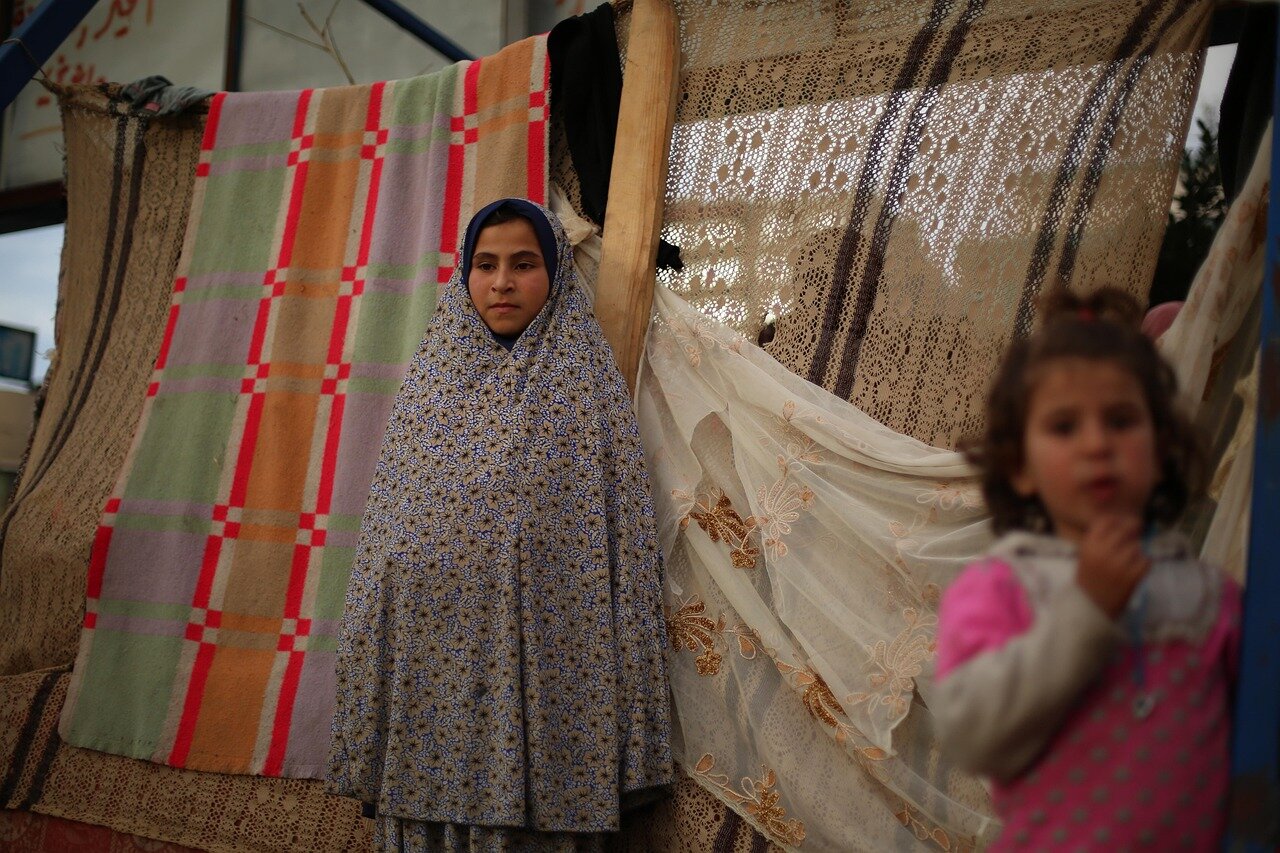
Her decision to support the BDS movement by refusing to allow her latest book to be published in Hebrew sparked significant discourse about the intersection of art, politics, and commerce, similar to the themes explored in recent artistic controversies.
The Legal Landscape
The legal implications of the Palestine Action ban are complex and multifaceted. Courts in the UK have previously addressed similar cases where artistic expression has collided with political activism. Precedents have been set regarding the limits of free speech and the extent to which individuals and organizations can be held accountable for their political affiliations. As the case surrounding Rooney’s books unfolds, it raises critical questions about censorship, artistic freedom, and the role of literature in political discourse.
As the situation develops, it reflects broader societal tensions regarding the Israeli-Palestinian conflict, with public opinion often polarized. The potential withdrawal of Rooney’s books from sale not only affects her readers but also highlights the challenges faced by authors and artists who engage with contentious political issues. This case may serve as a pivotal moment in the ongoing conversation about the responsibilities of creators in relation to their political beliefs and the market’s response to those beliefs.
Key stakeholders and issues surrounding the court ruling
The ongoing debate regarding the potential withdrawal of Sally Rooney’s books from UK sale highlights various stakeholders with differing interests. Key actors in this scenario include the author Sally Rooney, publishers, retailers, and advocacy groups such as Palestine Action. Each of these parties has a stake in the outcome of the court ruling, which is rooted in broader socio-political contexts.
Sally Rooney, an acclaimed author known for her exploration of complex social themes, may face reputational risks if her works are linked to the ongoing political controversy. Her interest lies in maintaining her artistic integrity while navigating the implications of her support for Palestinian rights. Publishers and retailers, on the other hand, are concerned about the economic impact of withdrawing popular titles from sale, which could lead to significant financial losses.
Their involvement raises critical questions about freedom of expression and the responsibilities of authors and publishers in the context of political activism, echoing sentiments found in other cultural discussions.
- Freedom of Speech: The case raises questions about the limits of free expression in literature and the potential consequences of political stances.
- Economic Implications: A withdrawal of Rooney’s books could lead to financial repercussions for publishers and retailers, affecting their bottom line.
- Public Sentiment: The public’s reaction to the court ruling could influence future publishing decisions and author-brand relationships.
- Activism vs. Commerce: The tension between political activism and commercial interests presents ongoing challenges for authors and publishers alike.
- Legal Precedents: The outcome of this case may set important legal precedents regarding the rights of authors and the responsibilities of publishers.
Potential effects on authors and the publishing industry
The potential withdrawal of Sally Rooney’s books from UK sale due to the Palestine Action ban could have significant repercussions for various stakeholders in the literary world. Authors, publishers, and booksellers are among the groups that may experience immediate and long-term consequences as a result of this legal battle.
In the short term, the decision to withdraw Rooney’s works could lead to a decrease in sales for publishers and booksellers. This is particularly concerning for independent bookstores that rely on popular titles to attract customers. Additionally, the controversy surrounding the withdrawal may deter other authors from engaging in political discourse, fearing similar repercussions.
Mid-term impacts could manifest in shifts within the publishing industry. Publishers may need to reassess their marketing strategies and the types of authors they choose to represent. There is a risk that the industry could become more conservative, stifling diverse voices and limiting the range of perspectives available to readers.
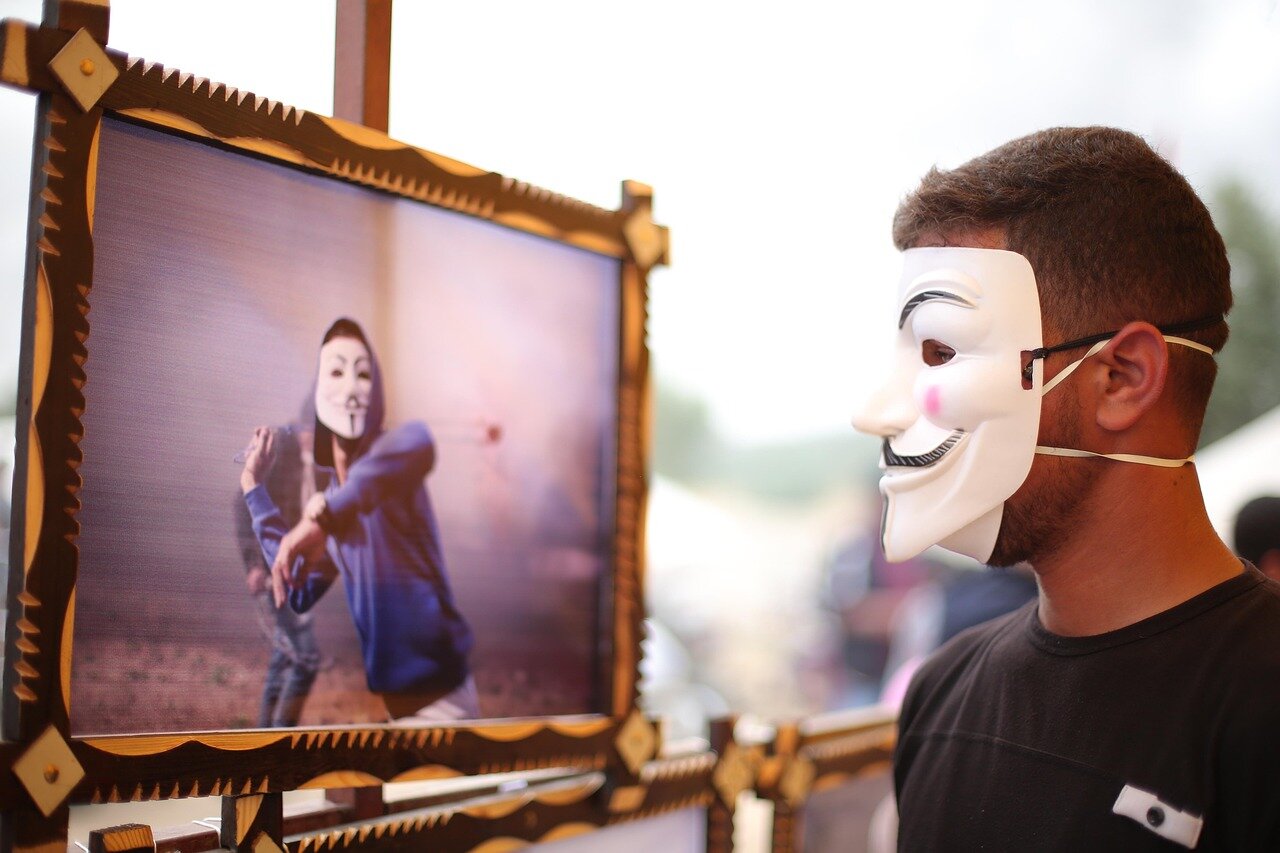
- Risks: Decreased sales for publishers and booksellers, potential chilling effect on authors’ political expression.
- Opportunities: Increased demand for alternative voices and narratives, potential for advocacy and activism within the literary community.
Moreover, the broader cultural impact could lead to heightened discussions about censorship and the role of literature in social movements. This situation may galvanize readers and writers alike to support works that challenge the status quo, fostering a more engaged literary community.
A: The potential withdrawal is linked to a court ruling regarding the Palestine Action ban, which raises concerns about censorship and the distribution of literature. A: The Palestine Action ban refers to legal actions taken against entities perceived to support actions in Palestine, influencing various sectors, including publishing. A: If Rooney’s books are withdrawn, it could set a precedent that affects other authors and their works, potentially leading to broader censorship. A: Readers may face limited access to certain literary works, impacting their ability to engage with diverse perspectives and narratives. A: Yes, there may be options for appeal, which could alter the outcome and allow Rooney’s works to remain available in the UK.
Frequently asked questions about the situation
Outlook on the future of Sally Rooney’s works in the UK
The recent legal proceedings regarding the potential withdrawal of Sally Rooney’s books from the UK market highlight the complex intersection of literature, activism, and legal frameworks. As the court deliberates on the implications of the Palestine Action ban, the outcome could set a precedent for how artistic expressions are treated in relation to political movements. This situation raises critical questions about freedom of expression, consumer choice, and the responsibilities of publishers in politically charged environments.
As the discussion unfolds, stakeholders in the literary community, including authors, publishers, and readers, will need to navigate the implications of this case. The potential ramifications could influence not only Rooney’s works but also the broader landscape of literature that engages with contentious social issues. Observers should remain vigilant as developments may alter the availability of politically relevant literature in the UK.
- The court’s decision may redefine the boundaries of artistic expression in relation to political activism.
- Publishers may need to reassess their distribution strategies for authors whose works engage with controversial topics.
- Readers could face limitations on access to literature that addresses significant social issues, impacting cultural discourse.
- The case may inspire other authors to engage with political themes, knowing the potential risks involved.
- Continued public and media attention may influence future legal interpretations regarding artistic freedom.