


On November 24, 2023, the election concluded with the victory of the new Prime Minister, who has pledged to reassess the country’s foreign relations, particularly its ties with Beijing. This change is significant as it reflects the growing concerns among Solomon Islanders regarding the implications of deepening ties with China, especially in light of the security pact signed in 2022.
The new administration’s approach is expected to prioritize stronger relationships with traditional allies such as Australia and the United States. This realignment could alter the dynamics of regional security and trade, as the Solomon Islands navigates its position between major powers vying for influence in the Pacific and potential collaborations.
As the new leader takes office, the international community will be closely monitoring developments in the Solomon Islands. The outcome of this election not only reshapes domestic policies but also has broader implications for regional stability and the strategic balance in the South Pacific.
Understanding the political landscape of the Solomon Islands
The Solomon Islands, an archipelago in the South Pacific, has a complex political history shaped by colonial influences, ethnic tensions, and external geopolitical interests. Gaining independence from British rule in 1978, the nation has since navigated through a series of political upheavals and civil conflicts, particularly during the ethnic tensions in the early 2000s. These events have significantly influenced the country’s governance and its relationships with major powers, notably Australia, China, and the United States.
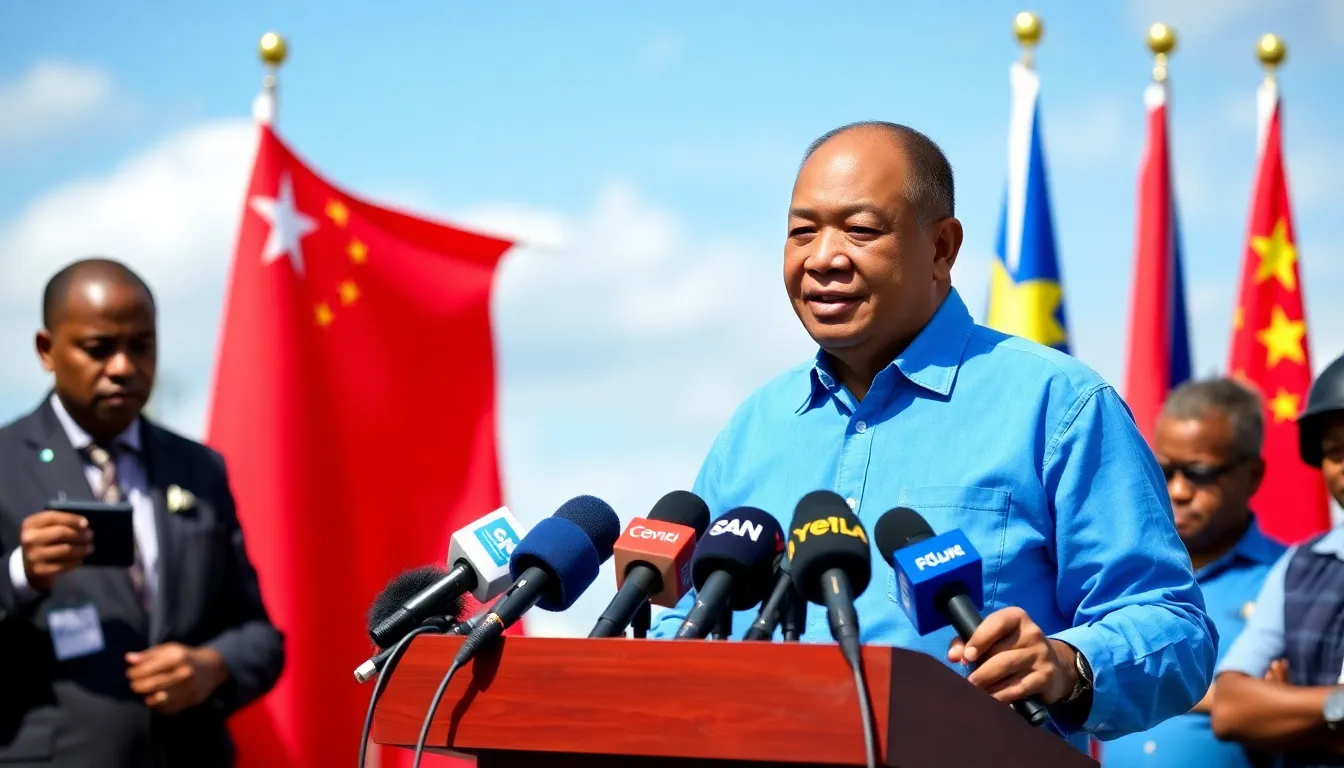
In recent years, the Solomon Islands have attracted international attention due to their strategic location and resources, making them a focal point in the broader context of Sino-American rivalry in the Pacific. The signing of a security pact between the Solomon Islands and China in 2022 marked a significant shift in the country’s foreign policy, raising concerns in Australia and the United States about China’s growing influence in the region. This development underscored the delicate balance the Solomon Islands must maintain between its traditional allies and emerging powers.
The Rise of the Former China Hawk
The recent election of a former China hawk as the leader of the Solomon Islands reflects the evolving political dynamics within the country. This leader’s previous stance on China suggests a potential pivot back towards a more cautious approach regarding foreign relations. His election may signal a desire among the electorate for stability and a reassessment of the Solomon Islands’ diplomatic engagements, particularly in light of the contentious issues surrounding the security pact and its implications for national sovereignty.
Historically, the Solomon Islands’ leadership has often oscillated between pro-China and pro-Western sentiments, influenced by economic dependencies and external pressures. The new leader’s background and political ideology may play a crucial role in shaping future policies that could either strengthen ties with traditional allies or deepen reliance on China, thus impacting the region’s geopolitical landscape.
As the Solomon Islands navigate these turbulent waters, the implications of this leadership change will likely resonate beyond its borders, affecting regional security, economic partnerships, and the broader strategic competition in the Pacific. The coming months will be critical in determining how the new administration will balance these competing interests while addressing domestic challenges such as economic development and social cohesion.
Key stakeholders and implications of the new leadership
The recent election of a former China hawk as the leader of the Solomon Islands has significant implications for various stakeholders involved. Key actors include the Solomon Islands government, the Chinese government, and regional powers such as Australia and the United States. Each of these entities has distinct interests that may lead to conflicts or collaborations in the future.
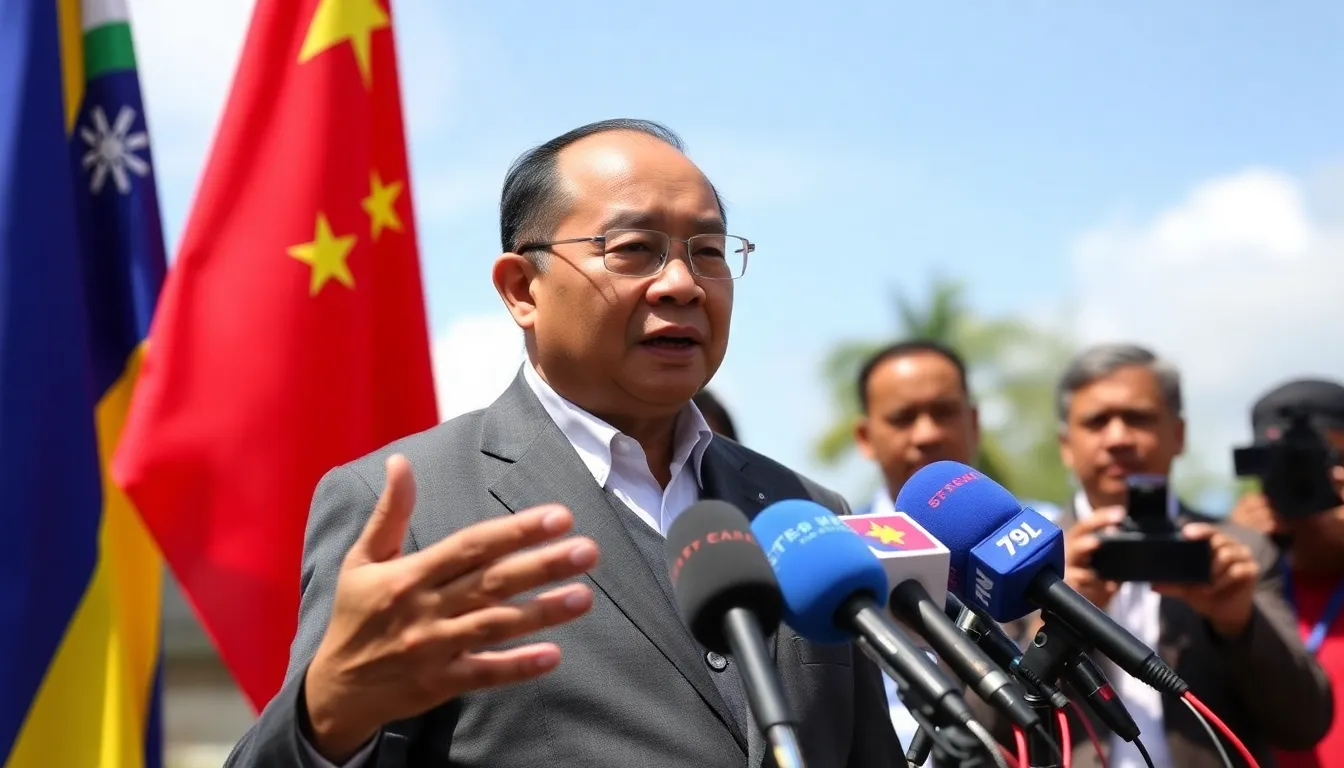
The Solomon Islands government, under the new leadership, may seek to balance its relationships between China and Western powers. This shift could potentially alter the dynamics of foreign aid, trade agreements, and security arrangements. The newly elected leader’s previous stance on China suggests a desire to reassess the extent of Chinese influence in the region, which could lead to increased tensions.
China, as a major player in the Pacific, has invested heavily in the Solomon Islands through infrastructure projects and economic support. The election of a leader who is skeptical of China could jeopardize these investments and prompt a reevaluation of China’s strategic interests in the region. This situation may lead to a diplomatic tug-of-war as both sides navigate their respective priorities.
- Shift in foreign policy: The new leadership may pivot towards stronger ties with Western nations, impacting current agreements with China.
- Economic implications: A reduction in Chinese investment could affect local economies that depend on these funds for development.
- Security concerns: Increased military presence from Western nations could raise tensions with China, leading to potential conflict.
- Regional stability: The new leadership’s approach may influence the broader geopolitical landscape in the Pacific, affecting neighboring countries.
- Public sentiment: The local population’s views on foreign influence will play a critical role in shaping future policies and governance.
As these stakeholders engage with one another, the resulting interactions will be crucial in determining the future trajectory of the Solomon Islands and its place within the larger geopolitical context of the Pacific region. The balance of power, economic opportunities, and national security will all be at the forefront of this evolving narrative.
Potential effects on regional stability and international relations
The election of a former China hawk as the leader of the Solomon Islands signals a significant shift in the geopolitical landscape of the South Pacific. This change is likely to affect various groups, including local communities, businesses, and international stakeholders, especially those with vested interests in the region.
In the short term, local communities may experience a heightened sense of uncertainty as the new leadership navigates its foreign policy. The emphasis on a more cautious approach towards China could lead to a reassessment of existing agreements and partnerships, impacting everyday life through potential changes in trade dynamics and foreign aid. Local businesses that rely on Chinese investments may face challenges as relations strain.
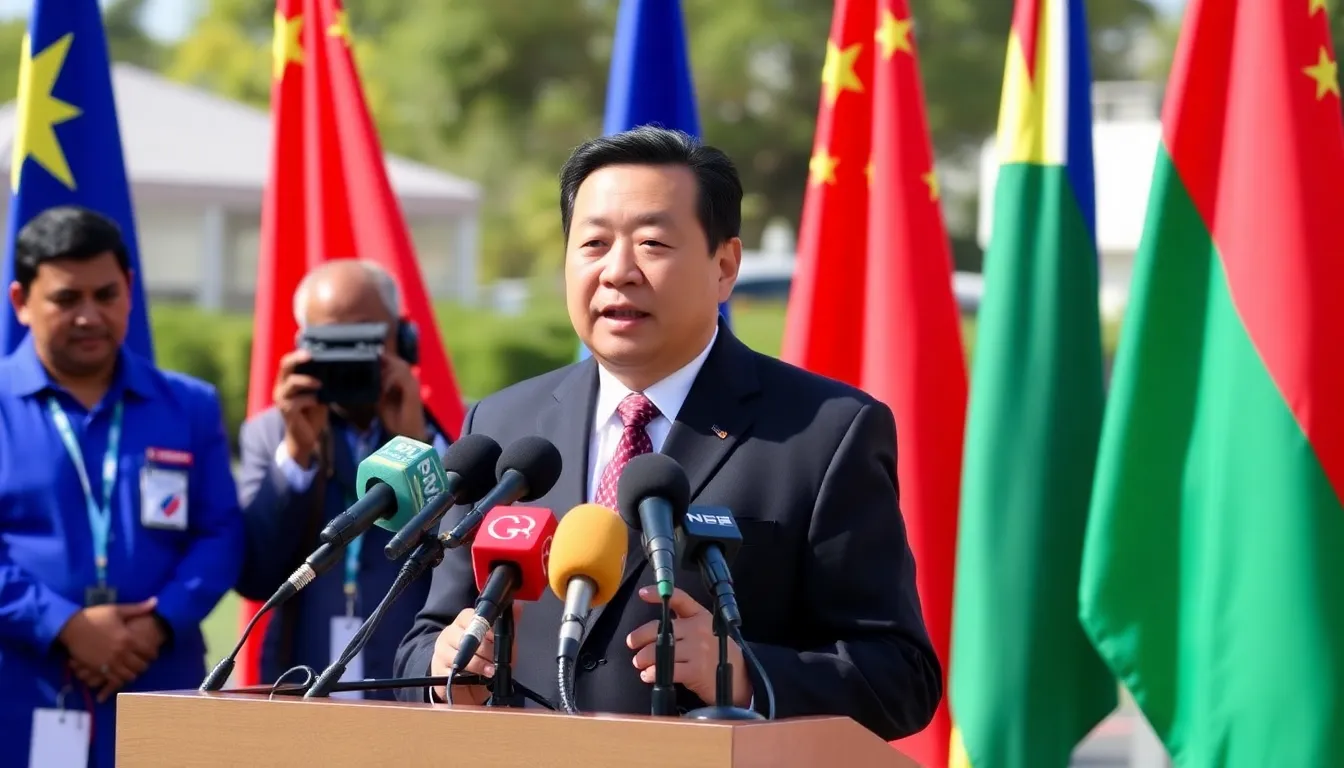
Mid-term impacts could extend to the tourism and fishing industries, which are vital to the Solomon Islands’ economy. A shift in diplomatic relations may deter Chinese tourists and investors, affecting revenue streams. Conversely, this may open doors for partnerships with Western nations, potentially leading to increased investment from countries like Australia and the United States.
- Risks: Economic downturn due to reduced Chinese investment.
- Opportunities: Strengthened ties with Western countries could lead to new trade agreements.
- Risks: Social unrest as communities react to policy changes.
- Opportunities: Enhanced security cooperation with allies in the region.
Overall, the election of a leader with a hawkish stance towards China introduces both risks and opportunities that will shape the socio-economic fabric of the Solomon Islands and its relationship with neighboring countries.
A: This election could lead to a shift in foreign policy, particularly in relation to China and its influence in the Pacific region. A: The new leadership may strengthen ties with Australia and the US, as they seek to counter China’s growing presence in the region. A: The new leader will need to navigate complex domestic issues while balancing international relations and economic development. A: Neighboring countries are closely monitoring the situation, with some expressing optimism about potential changes in regional dynamics. A: It remains to be seen, but the new leadership may prioritize policies that align more closely with Western interests.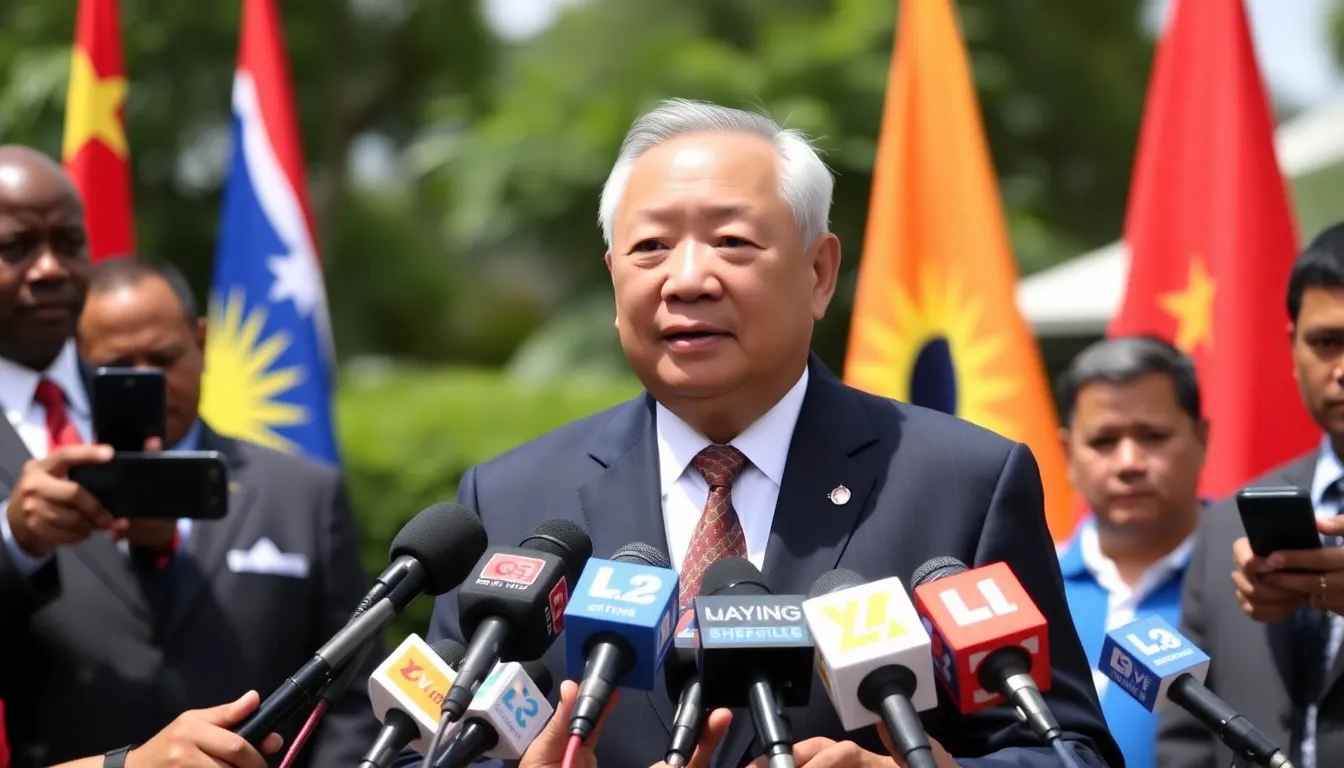
Frequently asked questions about the election
Looking ahead: key takeaways from the election
The election of a former China hawk as the leader of the Solomon Islands marks a significant shift in the nation’s foreign policy landscape. This development could have far-reaching implications for the region, particularly in terms of diplomatic relations and economic partnerships. As the new administration takes shape, it will be crucial to monitor how these changes affect both domestic policies and international alignments.
In the context of increasing geopolitical tensions, the Solomon Islands’ approach to China and its alliances with other nations, especially Australia and the United States, will be pivotal. Observers should remain vigilant regarding potential shifts in trade agreements, security arrangements, and regional cooperation initiatives as the new leadership seeks to navigate these complex dynamics.
- Impact on China Relations: Watch for any changes in diplomatic engagements with China, including trade and investment agreements.
- Regional Alliances: The new leadership may seek to strengthen ties with traditional allies like Australia and the U.S., affecting regional security dynamics.
- Domestic Policy Changes: Monitor potential shifts in domestic policies that could arise from the new administration’s stance on foreign influence.
- Public Sentiment: Keep an eye on how the electorate responds to the new government’s foreign policy decisions, which could influence future elections.
- Economic Implications: Consider the potential economic impacts of any new trade agreements or partnerships that may emerge from this leadership change.