


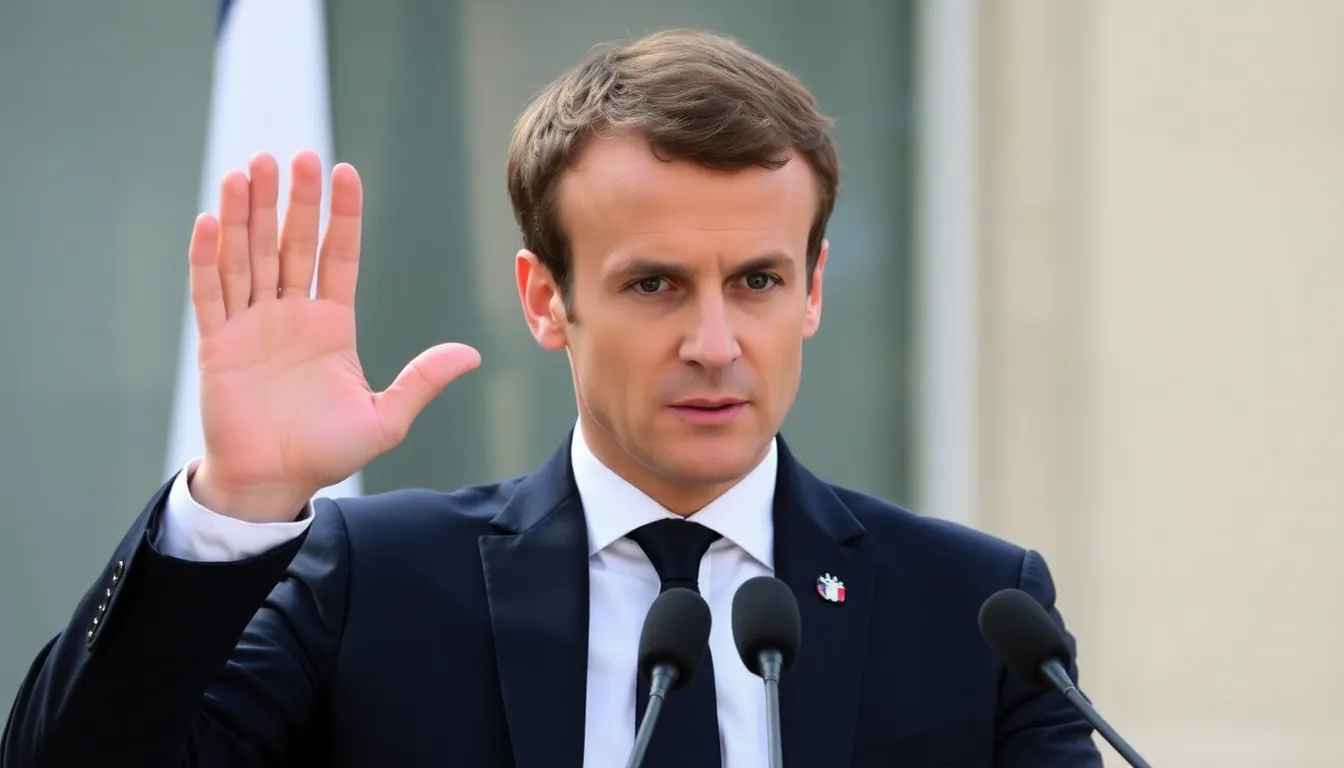
As the speaker attempted to present their views, Macron’s abrupt interjection was perceived by many as a display of impatience and a lack of respect for the democratic process of dialogue, which is crucial in maintaining a vibrant society. This moment has drawn attention not only for its content but also for the broader implications it holds for public engagement and the relationship between leaders and citizens.
Critics argue that such behavior undermines the principles of open communication and respect for differing opinions, which are essential in a democratic society. The incident has prompted discussions among political analysts and citizens alike about the expectations of leaders in maintaining a respectful and inclusive atmosphere during public forums.
The event has also reignited debates about Macron’s leadership style, which has been characterized by a mix of assertiveness and occasional brusqueness. As France navigates ongoing economic challenges and social unrest, the manner in which its leaders communicate with the public is increasingly scrutinized.
This interruption has not only raised eyebrows but also serves as a reminder of the delicate balance leaders must strike between authority and approachability in their interactions with the public. As the political landscape evolves, the expectations for respectful dialogue continue to grow, making such incidents particularly noteworthy.
Understanding the political climate surrounding Macron’s actions
The recent incident involving President Emmanuel Macron interrupting a speaker to request silence has sparked significant discussion regarding the current political climate in France, which is often analyzed in relation to past governmental approaches. Macron, who has been in office since 2017, has faced numerous challenges, including widespread protests, economic reforms, and a polarized electorate. This context is crucial for understanding the implications of his actions during public engagements.
Historically, Macron’s presidency has been marked by a series of contentious reforms aimed at modernizing the French economy. His government has pursued policies that some view as pro-business, leading to accusations of neglecting the working class and traditional social values. The “Yellow Vest” movement, which began in late 2018, exemplifies the deep-seated frustrations among citizens regarding rising living costs and perceived governmental indifference. This backdrop of civil unrest has fostered an environment where public figures, including Macron, are often met with hostility and skepticism.
Moreover, Macron’s leadership style has been characterized by a blend of assertiveness and a desire for dialogue. His approach has often been interpreted as top-down, which can clash with the expectations of a populace that values democratic engagement and public discourse. Interrupting a speaker may be seen as a reflection of this tension, where the need for order and respect in political discussions is weighed against the backdrop of a society grappling with its identity and values.
The impact of public perception
Public perception plays a critical role in shaping the political landscape in France. Macron’s interruptions and other similar incidents can be viewed as emblematic of a broader struggle between authority and the voices of dissent. As the country continues to navigate issues such as immigration, economic inequality, and national identity, the reactions to leaders’ behavior become increasingly scrutinized. This incident serves as a reminder of the delicate balance between maintaining order in political discourse and respecting the diverse opinions that characterize a democratic society.
Key stakeholders and the implications of Macron’s behavior
The recent incident involving President Emmanuel Macron, where he interrupted a speaker to request silence, highlights a complex interplay of stakeholders and their respective interests. Macron, as the head of state, represents the French government and its objectives, while the speaker embodies the voice of civil society or a specific interest group. This interaction raises questions about respect, authority, and the dynamics of public discourse in France.
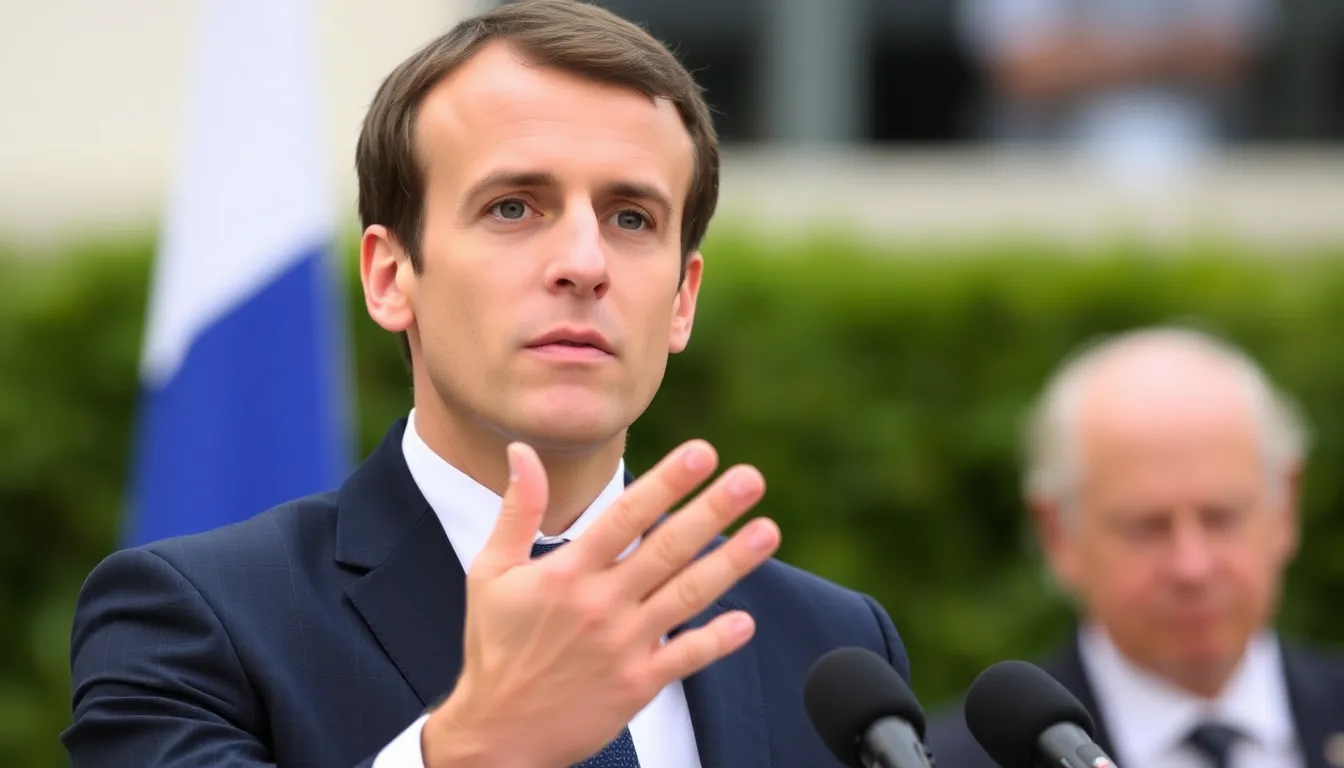
One of the primary stakeholders in this scenario is the French government, which seeks to maintain order and demonstrate leadership in public forums. Macron’s interruption can be interpreted as an assertion of authority, aimed at reinforcing the government’s position in discussions that may involve contentious issues. However, this behavior also risks alienating segments of the population who value open dialogue and respect for diverse viewpoints.
Another critical actor is the public, including various advocacy groups and citizens who may feel marginalized in political discussions. Their interests often center around transparency, accountability, and the right to voice concerns. Macron’s actions could be seen as undermining these principles, potentially leading to a backlash from those who demand greater respect for democratic processes.
- Public Perception: Macron’s behavior may influence how citizens perceive his leadership and commitment to democratic values.
- Media Response: The media’s portrayal of the incident can shape public discourse and affect Macron’s political capital.
- Potential Backlash: Advocacy groups may mobilize in response to perceived disrespect, leading to protests or calls for accountability.
- International Implications: Such incidents can affect France’s image abroad, particularly in terms of its commitment to democratic ideals.
In summary, the implications of Macron’s interruption extend beyond the immediate context, touching on broader themes of governance and public engagement, which are essential topics in ongoing political discussions. The reactions from various stakeholders will likely shape the ongoing narrative surrounding this incident and its impact on future political discourse in France.
Reactions from the public and political analysts
The recent incident involving President Macron interrupting a speaker has sparked significant reactions across various segments of society. Politicians, public figures, and everyday citizens are weighing in on the implications of such behavior, which many view as a reflection of the current political climate in France.
Several groups are notably affected, including political analysts, media organizations, and citizens engaged in civic discourse. The incident raises questions about respect and decorum in political discussions, impacting how politicians interact with constituents and each other. This could lead to a shift in public expectations regarding political communication.
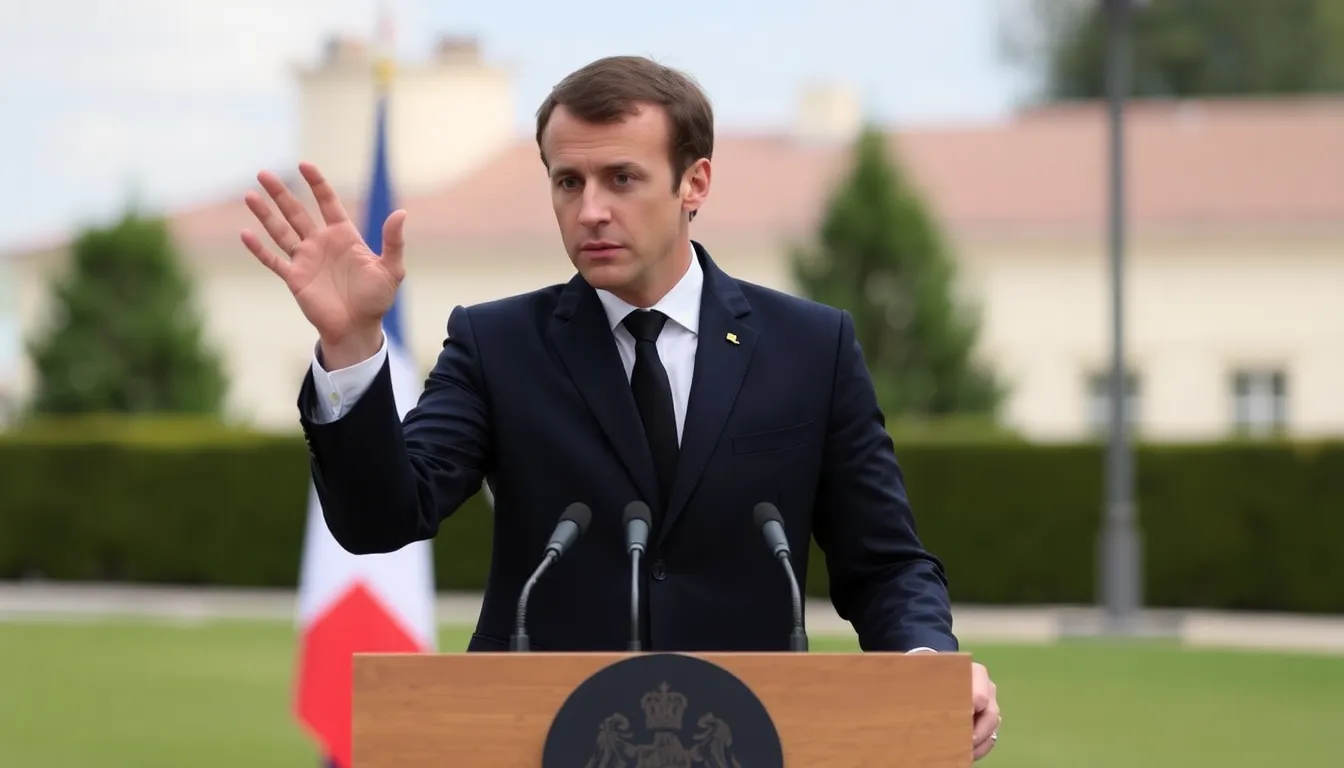
In the short term, the incident may provoke immediate backlash against Macron, potentially affecting his approval ratings and the political landscape. Media coverage will likely amplify public sentiment, influencing how citizens perceive their leaders and the democratic process. In the mid-term, this could lead to policy changes aimed at fostering more respectful dialogue in political settings.
- Risks: Deterioration of public trust in political institutions.
- Risks: Increased polarization among political factions.
- Opportunities: Potential for new initiatives promoting civic engagement and respectful discourse.
- Opportunities: A chance for opposition parties to capitalize on public dissatisfaction.
Regions that have been particularly vocal in their criticism may see a surge in grassroots movements advocating for change in political conduct. This could lead to a more engaged electorate, fostering a climate where citizens demand accountability and respect from their leaders.
A: Macron interrupted the speaker due to perceived disrespect and a lack of attention from the audience, which he found unacceptable during a serious discussion. A: The audience had mixed reactions, with some applauding Macron’s demand for respect while others criticized his approach as authoritarian. A: This incident reflects heightened tensions in French politics, where respect and decorum are increasingly being challenged in public discourse. A: Yes, interruptions in political speeches have occurred historically, often highlighting divisions or tensions within political parties or between leaders and their constituents.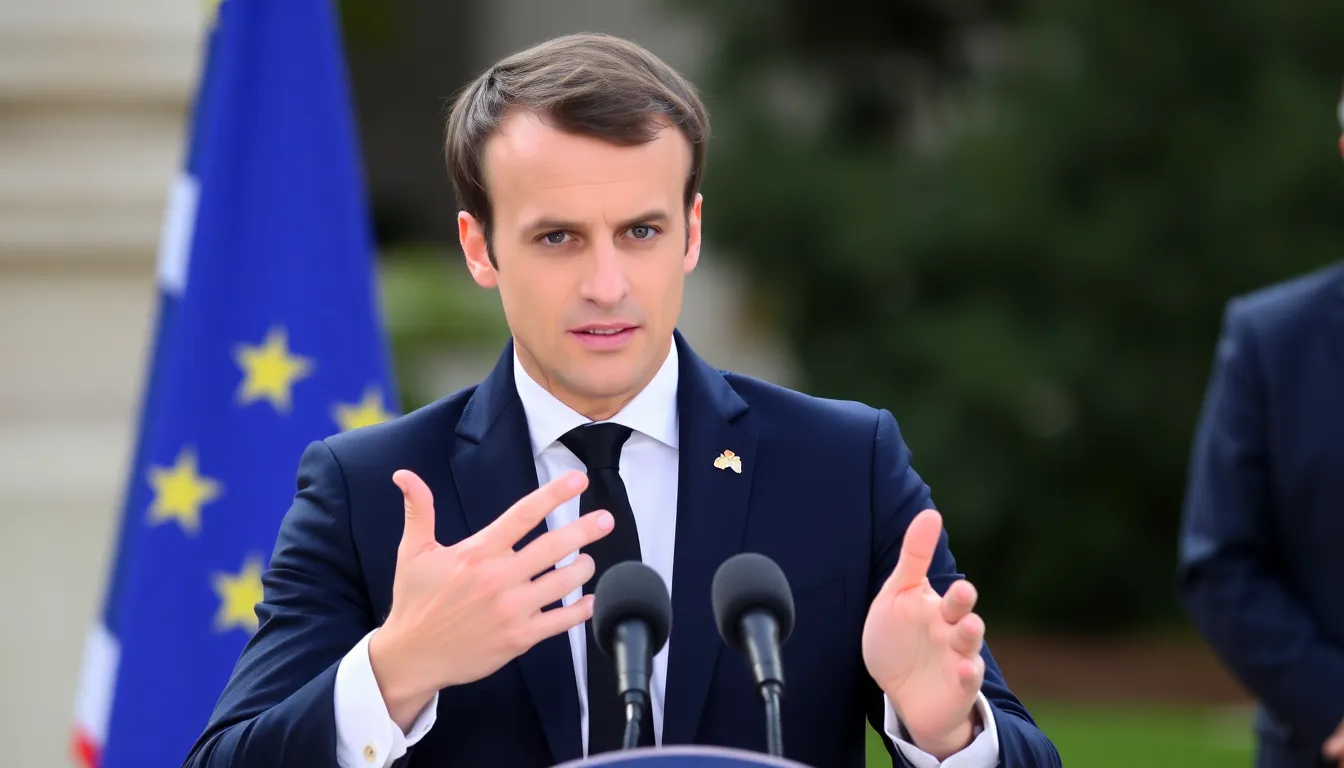
Frequently asked questions regarding the incident
Looking ahead: the future of political discourse in France
The recent incident involving President Macron’s interruption of a speaker highlights a growing tension in political discourse in France. As public figures grapple with the challenges of maintaining civility while addressing pressing issues, the implications for future interactions between leaders and citizens are significant. This moment serves as a reminder of the delicate balance required to foster respectful dialogue in an increasingly polarized environment.
Moving forward, it will be essential to observe how this event influences not only Macron’s communication style but also the broader cultural expectations of political engagement. The potential for heightened scrutiny on public figures’ conduct during discussions may lead to a shift in how leaders approach their interactions with constituents.
- Increased focus on civility: Expect a growing emphasis on respectful dialogue in political settings, with leaders encouraged to model this behavior.
- Public reactions to authority: Monitor how citizens respond to perceived disrespect from political figures, potentially leading to more vocal demands for accountability.
- Impact on policy discussions: The tone and manner of political discourse may influence the effectiveness of policy discussions and the willingness of citizens to engage with their leaders.
- Media scrutiny: Anticipate heightened media attention on instances of disrespect in political conversations, shaping public perceptions of leaders.
- Shifts in political strategy: Political parties may need to reevaluate their communication strategies to prioritize transparency and respect in their messaging.