


The Florida Fish and Wildlife Conservation Commission (FWC) reported that Clavicular was apprehended shortly after the shooting, which took place in a residential area. Witnesses indicated that the act was not in self-defense, leading to the immediate involvement of law enforcement and wildlife officials.
As of now, Clavicular faces multiple charges, including illegal hunting and animal cruelty, both of which carry significant penalties under Florida law. If convicted, he could face up to five years in prison, along with hefty fines and potential restitution for the harm caused to the alligator. This scenario poses serious questions about the enforcement of wildlife regulations, which are critical to preserving Florida’s natural heritage.
This case highlights the ongoing challenges of balancing human activities with wildlife conservation efforts in Florida, a state known for its diverse ecosystems. The outcome of Clavicular’s trial may set a precedent for future cases involving similar offenses, emphasizing the importance of adhering to wildlife protection regulations.
Background on Florida’s Wildlife Protection Laws
Florida is home to a diverse array of wildlife, including the American alligator, which has been a protected species since the 1970s. The state’s wildlife protection laws are designed to conserve and manage these species, reflecting both ecological and cultural values. The alligator population, once on the brink of extinction, has rebounded significantly due to these protective measures. Consequently, any unlawful harming of an alligator can lead to severe legal repercussions.
The legal framework surrounding wildlife protection in Florida is primarily governed by the Florida Fish and Wildlife Conservation Commission (FWC). The FWC enforces regulations that prohibit the hunting, killing, or harassment of protected species without proper permits. Violations can result in hefty fines and potential jail time, emphasizing the importance of responsible interaction with wildlife. Understanding these regulations is vital for residents who wish to engage in outdoor activities within the state.
Historical Context of Wildlife Protection
Historically, the American alligator was listed as an endangered species under the Endangered Species Act in 1967. A successful recovery effort led to its delisting in 1987, but the legacy of its protection remains ingrained in Florida’s conservation ethos. Over the years, various incidents involving illegal hunting or shooting of alligators have prompted stricter enforcement of wildlife laws, highlighting the ongoing struggle between human activity and wildlife conservation.
In recent years, high-profile cases of wildlife violations have drawn public attention, leading to increased advocacy for stronger protections. These cases often serve as precedents, influencing how similar incidents are prosecuted. The current climate of heightened awareness around wildlife conservation underscores the seriousness with which the state treats violations, particularly in cases involving firearms and endangered species.
The intersection of wildlife protection and public safety has also become a focal point in discussions about Florida’s laws. As urban development encroaches on natural habitats, conflicts between humans and wildlife are becoming more common, raising questions about how best to balance conservation efforts with community interests. This ongoing dialogue is crucial in understanding the ramifications of actions like those taken by Clavicular in the recent alligator shooting incident.
Key Legal Issues Surrounding the Charges Against Clavicular
The case of Clavicular, who is facing charges related to the shooting of an alligator in Florida, has sparked significant discussion among various stakeholders. The primary actors in this situation include Clavicular himself, local law enforcement, wildlife conservation organizations, and the broader community of Florida residents who are concerned about wildlife protection and public safety.
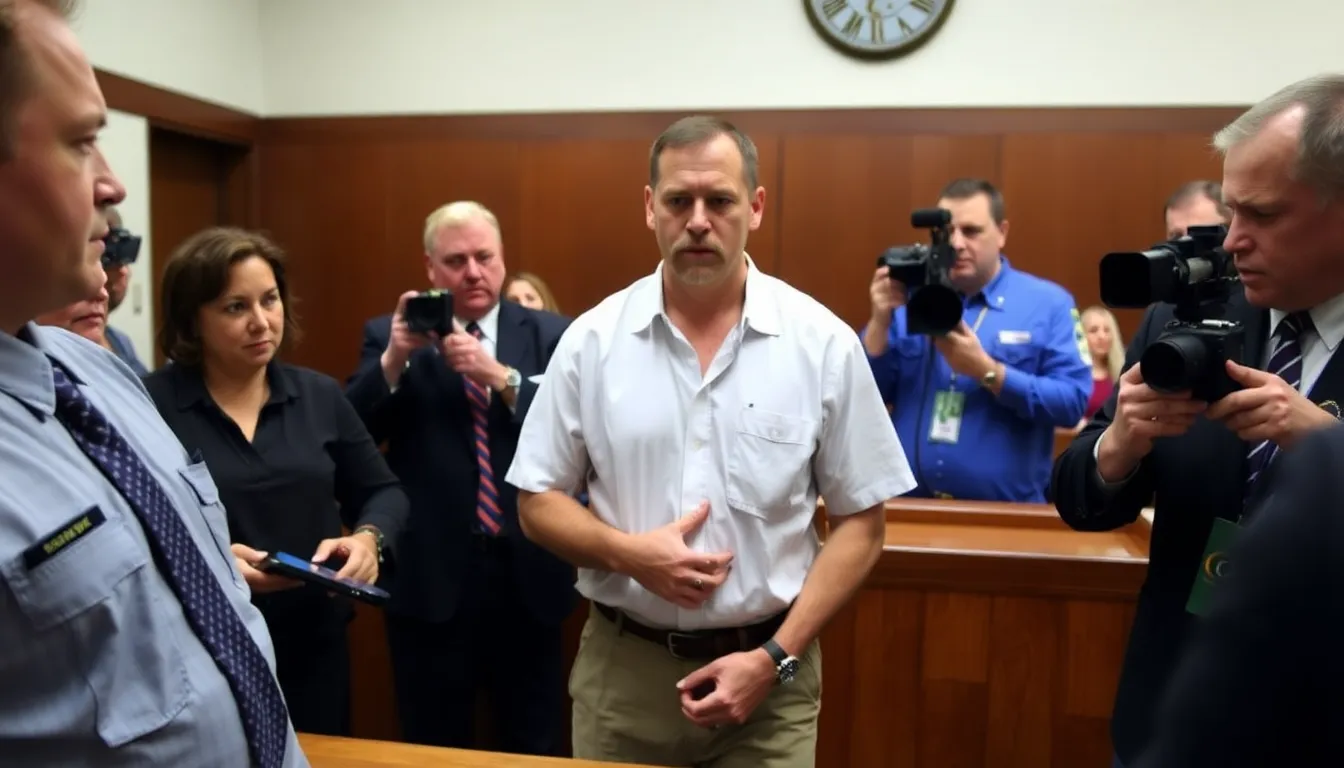
Clavicular’s interests revolve around his legal defense and the potential consequences of his actions, which could include substantial jail time. He may argue that his actions were justified under specific circumstances, which could influence the legal proceedings. On the other hand, law enforcement agencies are focused on upholding the law and ensuring that wildlife protections are enforced, reflecting a commitment to environmental conservation and public safety.
Wildlife conservation organizations have a vested interest in this case as it highlights the ongoing issues surrounding human-wildlife interactions and the illegal hunting of protected species. They may advocate for stricter penalties to deter similar actions in the future, emphasizing the need for education and awareness about wildlife laws. The organization’s efforts to enhance public understanding are crucial in establishing a shared responsibility for wildlife protection.
- Legal Precedents: The outcome of this case may set a precedent for future wildlife-related offenses in Florida.
- Public Sentiment: Community opinions could influence the severity of the charges and potential sentencing.
- Environmental Impact: The case raises questions about the ecological consequences of such actions on local wildlife populations.
- Potential for Reform: This incident may spark discussions about the adequacy of current wildlife protection laws.
In summary, the intersection of legal, environmental, and social interests creates a complex landscape for Clavicular’s case, highlighting the broader implications for wildlife conservation and public policy in Florida.
Potential Consequences for Clavicular and Wildlife Conservation Efforts
The recent incident involving Clavicular and the shooting of an alligator in Florida has raised significant concerns among various groups and industries. Wildlife conservation organizations, local communities, and law enforcement agencies are all directly affected by the outcome of this case. The repercussions could extend beyond individual accountability to impact broader wildlife protection policies and community attitudes towards conservation efforts.
In the short term, the case may lead to increased scrutiny of hunting regulations and wildlife protection laws in Florida. Local businesses that rely on tourism, particularly those focused on eco-tourism, might experience a decline in visitors due to heightened media attention and public outcry. The perception of Florida as a safe and responsible destination for wildlife enthusiasts could be compromised, affecting the livelihood of those in the tourism sector.
Moreover, the mid-term impacts could involve policy changes aimed at strengthening wildlife protection laws. Legislators may be prompted to introduce stricter penalties for wildlife crimes, which could deter similar incidents in the future. However, this could also create challenges for local hunters and outdoor enthusiasts who may feel unfairly targeted by new regulations.
- Wildlife Conservation Organizations: Increased advocacy and potential funding for wildlife protection initiatives.
- Local Businesses: Possible decline in eco-tourism and related economic activities.
- Legislative Changes: Potential for stricter wildlife protection laws and regulations.
- Community Impact: Shift in public perception regarding wildlife interactions and conservation efforts.
While the situation poses risks to both wildlife and community dynamics, it also presents opportunities for dialogue around conservation. Increased awareness may lead to greater public support for wildlife protection initiatives, fostering a culture of respect for natural habitats and their inhabitants.
A: Clavicular is facing charges related to illegal hunting and animal cruelty under Florida law, which could result in significant penalties. A: Depending on the severity of the charges and any prior offenses, Clavicular could face several months to years in jail. A: Fines can range from hundreds to thousands of dollars, depending on the specific violations and the court’s ruling. A: This incident may prompt stricter enforcement of wildlife protection laws and raise public awareness about the importance of conservation. A: Yes, Clavicular has the right to appeal any conviction, which would be reviewed by a higher court.
Frequently Asked Questions About the Case
Key Takeaways and Future Implications of the Case
The case of Clavicular and the charges stemming from the Florida alligator shooting raises significant questions about wildlife protection laws and the legal consequences of such actions. As the judicial process unfolds, it is essential to consider not only the potential penalties Clavicular may face but also the broader implications for wildlife conservation efforts and public awareness regarding interactions with local fauna.
This incident serves as a reminder of the importance of adhering to wildlife regulations and the potential repercussions of disregarding them. Stakeholders, including wildlife advocates and law enforcement, will be closely monitoring the outcome of this case, which could set a precedent for similar future incidents.
- The severity of the charges may influence public perception of wildlife protection laws.
- Potential jail time for Clavicular could deter similar actions by others in the community.
- This case may prompt discussions about the adequacy of current wildlife protection legislation.
- Increased public awareness about the importance of respecting local wildlife may emerge as a result.
- Future legal outcomes could lead to enhanced training and resources for law enforcement regarding wildlife-related incidents.