


The launch of the disco ball logo was officially announced on October 15, 2023, during a live-streamed event that showcased a variety of Spotify’s features and offerings. This event highlighted the platform’s evolution over the years and its role in shaping the music industry. The celebration is expected to include special playlists, artist collaborations, and interactive user experiences.
Spotify’s decision to adopt this playful logo comes at a time when the streaming service faces increasing competition from other platforms. By embracing a more dynamic visual identity, Spotify aims to reinforce its position as a leader in the music streaming space. The company hopes that this fresh branding will resonate with both long-time users and potential new subscribers.
As part of the festivities, Spotify has also announced a series of virtual events and promotions that will take place throughout the month. These initiatives are designed to enhance user engagement and celebrate the diverse musical landscape that Spotify offers. The disco ball logo is not just a design change; it represents Spotify’s commitment to creating memorable experiences for its audience.
The significance of the disco ball logo in music culture
The introduction of Spotify’s new disco ball logo marks a significant moment in the evolution of music branding, reflecting the platform’s commitment to celebrating music culture and community. The disco ball, an iconic symbol of nightlife and celebration, resonates deeply with the history of music genres that have shaped modern entertainment, particularly disco, dance, and electronic music. This logo not only serves as a visual representation of the joy and vibrancy of music but also connects to the broader cultural movements that have defined social gatherings and collective experiences over the decades.
Historically, the disco ball emerged in the 1970s, becoming synonymous with dance clubs and parties. It represented an era where music was not just for listening but for experiencing, as people gathered to dance and socialize. This cultural phenomenon was not just about the music itself but also about the sense of community and shared joy that it fostered. As music evolved, the disco ball remained a powerful symbol of celebration, often associated with major events and festivals, making it an apt choice for Spotify’s new branding.
Economically, the music industry has undergone significant transformation over the years, particularly with the rise of digital streaming platforms like Spotify. As these platforms revolutionized how music is consumed, they also began to shape the way artists connect with their audiences. By adopting a logo that celebrates the communal aspects of music, Spotify is positioning itself as a facilitator of not just music access, but also of shared experiences, aligning with the growing trend of virtual events and online gatherings that have become increasingly popular, especially in recent years.
Milestones in Music Branding
Spotify’s shift to a disco ball logo can be seen as part of a larger trend in music branding where companies seek to establish a deeper emotional connection with their users. Key milestones in this evolution include the rebranding efforts of other major music platforms and festivals that have embraced visual identities that reflect their core values. The use of vibrant, celebratory imagery has been shown to resonate with audiences, enhancing brand loyalty and engagement. As Spotify celebrates its ‘Party of the Year(s),’ it taps into this rich history, reinforcing its role in the ongoing narrative of music and culture.
Key stakeholders and their reactions to the new logo
The launch of Spotify’s new logo, designed as a disco ball to celebrate its ‘Party of the Year(s)’, has garnered attention from various stakeholders, each with distinct interests and perspectives. These stakeholders include Spotify’s management and employees, users, artists, and the broader music industry.
Spotify’s management sees the new logo as a strategic move to rejuvenate the brand and attract more users, particularly younger audiences who resonate with the vibrant imagery of a disco ball. This rebranding effort aims to enhance user engagement and solidify Spotify’s position as a leader in the streaming market. Employees may also feel a sense of pride and motivation from being part of a company that embraces creativity and innovation.
On the user side, reactions are mixed. While many users appreciate the fresh and festive design, some loyal customers express concern over the continual changes to the brand identity. Users often develop emotional connections to logos, and frequent rebranding can lead to confusion or dissatisfaction. This highlights a potential conflict between the desire for innovation and the need for brand consistency.
Artists and content creators are another critical group affected by this change. While the new logo may enhance Spotify’s appeal, artists are primarily concerned about fair compensation and visibility on the platform. The logo change does not directly address these ongoing economic issues, which could lead to a perception that Spotify prioritizes aesthetics over substantive improvements in artist relations.
- Brand Identity: The new logo aims to refresh Spotify’s image, appealing to a younger demographic.
- User Engagement: Mixed reactions indicate a potential trade-off between innovation and brand loyalty.
- Artist Relations: Ongoing economic concerns for artists may overshadow the logo’s positive reception.
- Market Competition: The rebranding could be a strategic move to fend off competitors in the streaming space.
In summary, while Spotify’s new logo is a creative endeavor intended to celebrate its vibrant community, it also opens up discussions around the various interests and concerns of its stakeholders, illustrating the complexities of branding in the digital age.
How the new logo affects Spotify’s branding and user engagement
The introduction of Spotify’s new disco ball logo is set to impact various groups, including music artists, advertisers, and listeners across different regions. As a prominent player in the streaming industry, Spotify’s rebranding effort aims to resonate with its youthful audience while also appealing to a broader demographic that enjoys the celebratory nature of music and social gatherings.
In the short term, the new logo could enhance user engagement, attracting both new users and retaining existing ones who appreciate fresh branding. This change may lead to increased app usage, particularly during events or parties, as Spotify positions itself as the go-to platform for music streaming during social occasions. Advertisers may also take advantage of this branding shift to promote party-related products, creating a synergistic effect.
In the mid-term, the impact on businesses could be significant. Companies within the entertainment and event planning industries may see a rise in demand for services that complement Spotify’s new image. For instance, venues, DJs, and event organizers might leverage Spotify playlists more prominently, leading to a potential increase in collaborations and partnerships.
- Increased user engagement: The new logo may attract more listeners, enhancing overall app activity.
- Opportunities for advertisers: Brands can create targeted campaigns that align with the party theme.
- Impact on related industries: Event planners and artists may benefit from heightened visibility and collaboration opportunities.
- Risks of alienation: Existing users who prefer the previous branding might feel disconnected.
Despite the potential risks, such as alienating a segment of loyal users, the new logo presents an opportunity for Spotify to redefine its market presence. By embracing a festive and engaging identity, Spotify can solidify its role as a leader in the music streaming space while fostering a sense of community among its users.
A: The disco ball symbolizes celebration and joy, aligning perfectly with Spotify’s theme of hosting a ‘Party of the Year(s)’. It reflects the platform’s commitment to bringing people together through music. A: Yes, Spotify plans to roll out the disco ball logo across all its platforms, including the app, website, and promotional materials, to create a cohesive branding experience. A: Initial reactions have been overwhelmingly positive, with many users expressing excitement about the vibrant design and its connection to festive themes. A: While the disco ball logo is currently part of a celebration campaign, Spotify has not confirmed whether it will become a permanent fixture in their branding. A: Spotify is continuously innovating its platform, and users can expect more updates and features that enhance user experience and engagement in the coming months.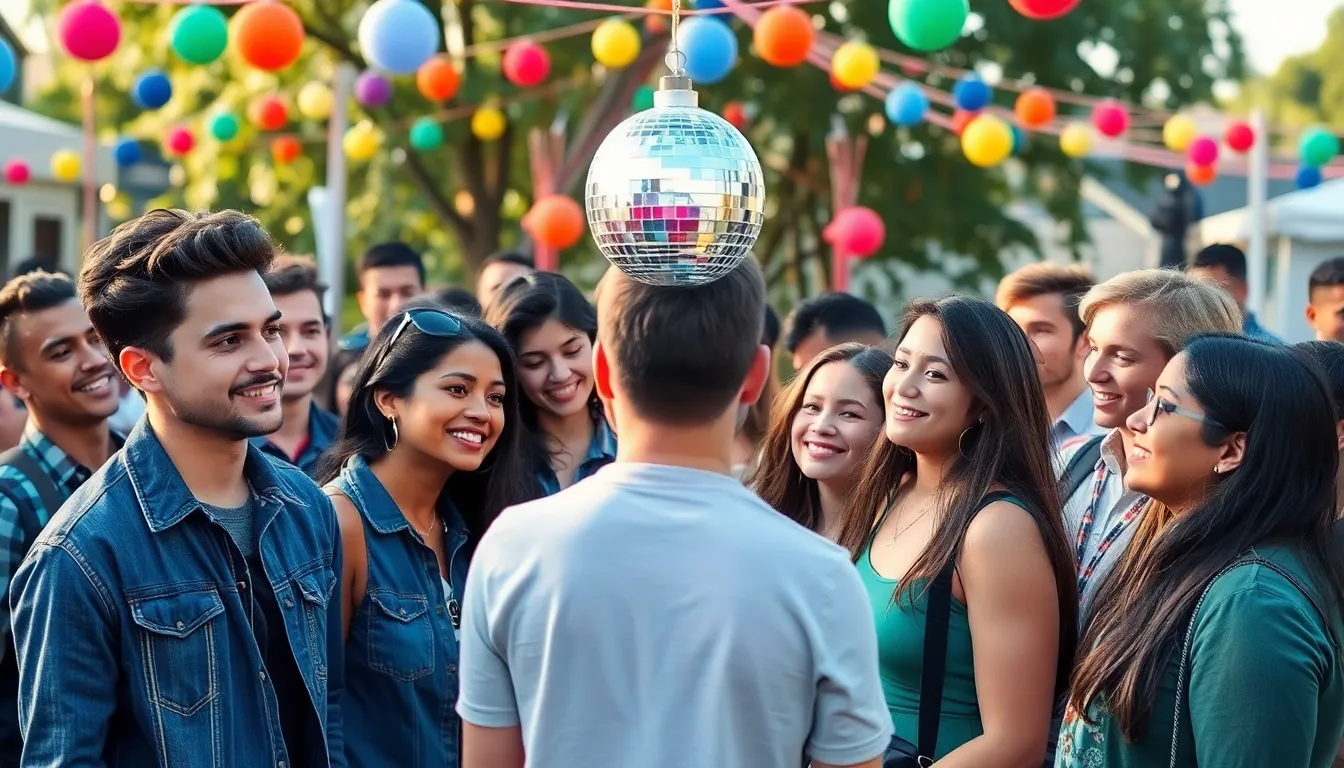
Frequently asked questions about Spotify’s new logo
Looking ahead at Spotify’s branding strategy and future celebrations
Spotify’s introduction of a disco ball logo marks a significant evolution in its branding, reflecting a commitment to creating immersive and engaging experiences for its users. This fresh visual identity not only aligns with the platform’s goal of celebrating music and community but also positions Spotify as a leader in the competitive streaming landscape. As the company embraces this playful yet sophisticated design, it opens the door to new marketing strategies that could enhance user engagement and attract a broader audience.
Moving forward, it will be essential to observe how Spotify leverages this new branding in its promotional campaigns and user interactions. The emphasis on celebration suggests that future features might include more interactive and social elements, reinforcing the idea of music as a shared experience. Stakeholders should remain attentive to how these changes impact user retention and market positioning.
- Monitor user engagement metrics to gauge the effectiveness of the new logo in enhancing brand loyalty.
- Watch for potential collaborations or partnerships that could leverage the disco ball theme in unique ways.
- Consider the implications of this branding shift on Spotify’s competition and market share within the streaming industry.
- Anticipate the introduction of new features that promote social sharing and collaborative listening experiences.
- Evaluate audience feedback on the new logo and overall branding strategy to inform future marketing efforts.