


Released in late 2023, the film has sparked discussions about the changes in air travel over the decades. With the rise of budget airlines and the increasing focus on efficiency, many travelers long for the elegance and personal touch that characterized earlier flights, as seen in the dynamics of TWA’s service model.
The film’s release coincides with a resurgence of interest in retro themes across various media, as audiences seek comfort in the past amid modern complexities. Travolta’s portrayal of a young boy dreaming of flight encapsulates this longing, appealing to both older generations who remember the era and younger viewers who are discovering it through a contemporary lens. This blend of nostalgia and modern storytelling highlights the ongoing fascination with air travel’s history.
Moreover, the film has prompted conversations about the future of air travel. As airlines navigate challenges such as environmental concerns and technological advancements, the nostalgia portrayed in the film serves as a reminder of the importance of customer experience. The contrast between past and present may influence how airlines approach their services moving forward, potentially leading to a renewed focus on enhancing passenger comfort and satisfaction.
Understanding the background of TWA and its significance
The Trans World Airlines (TWA) was once a titan in the aviation industry, symbolizing the golden age of air travel in America. Founded in 1925, TWA quickly became known for its innovative approach to air transportation, offering luxurious services that attracted a range of passengers, from celebrities to everyday travelers.
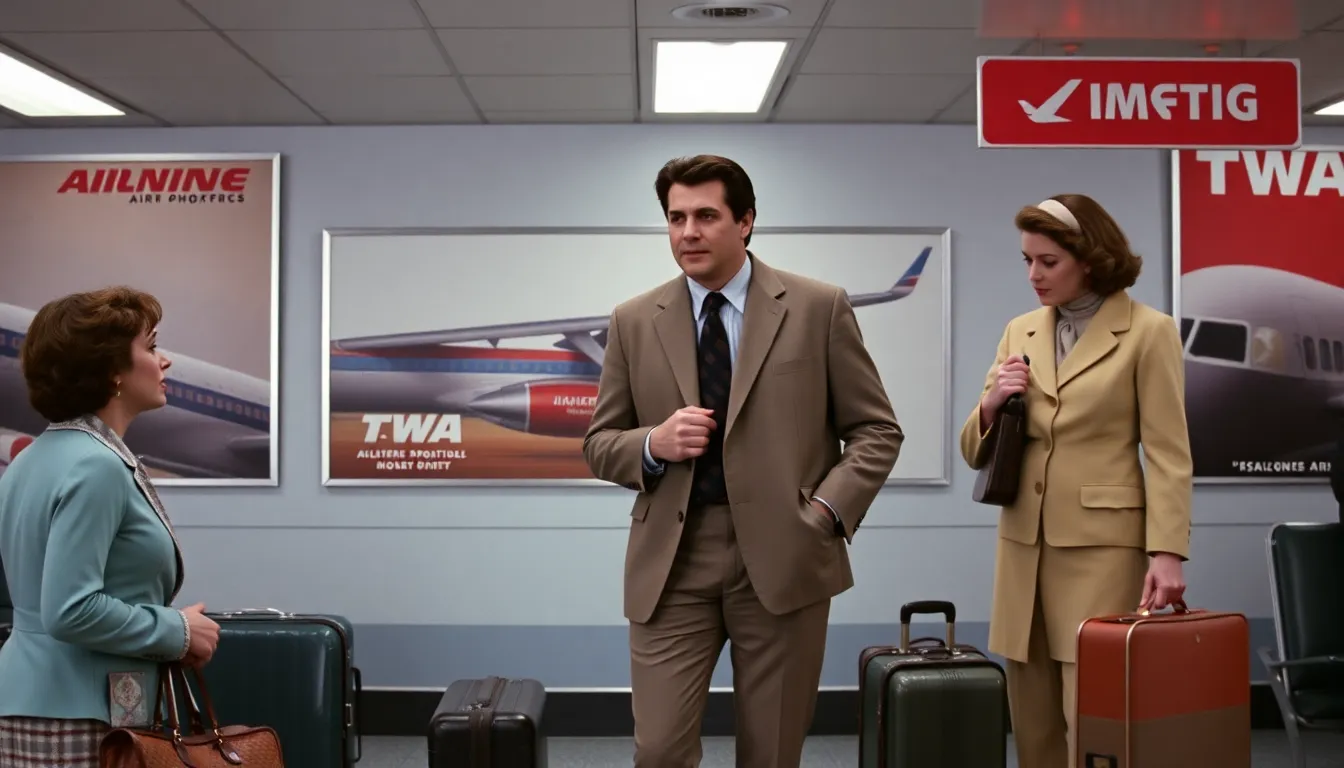
During the post-World War II period, TWA experienced significant growth, capitalizing on the booming economy and the increasing demand for air travel. The airline became synonymous with glamour and sophistication, often featuring in films and pop culture. This period also saw the introduction of iconic aircraft, such as the Lockheed Constellation and the Boeing 707, which transformed the flying experience into a more comfortable and enjoyable journey.
However, the airline industry began to face challenges in the late 20th century, including deregulation in the late 1970s, which led to increased competition and price wars. TWA struggled to maintain its once-dominant position amidst these changes, facing financial difficulties that ultimately led to its acquisition by American Airlines in 2001. The decline of TWA marked a significant shift in the aviation landscape, reflecting broader economic and social changes that affected how people perceived and experienced air travel.
The Cultural Impact of TWA
The allure of flying with TWA was not just about reaching a destination but experiencing a lifestyle filled with elegance and style. This cultural significance is echoed in films like Propeller One-Way Night Coach, where the nostalgia for TWA serves as a backdrop for exploring themes of adventure and the passage of time.
Analyzing the key themes and stakeholders in Travolta’s work
In the nostalgic exploration of air travel presented in ‘Propeller One-Way Night Coach’, several key stakeholders emerge, each with distinct interests and perspectives. John Travolta, as the lead actor and a producer, aims to evoke a sense of wonder and nostalgia for the golden age of aviation, particularly during the era of TWA. His personal connection to aviation, as a licensed pilot, adds authenticity to the narrative and emphasizes the emotional resonance of the film.
Airlines, particularly those that have historical significance like TWA, are also central to this discussion. The portrayal of TWA in the film highlights both its legacy and the challenges faced by the airline industry over the decades. This representation can influence public perception, potentially rekindling interest in vintage air travel experiences, which may benefit nostalgic marketing campaigns or heritage tourism.
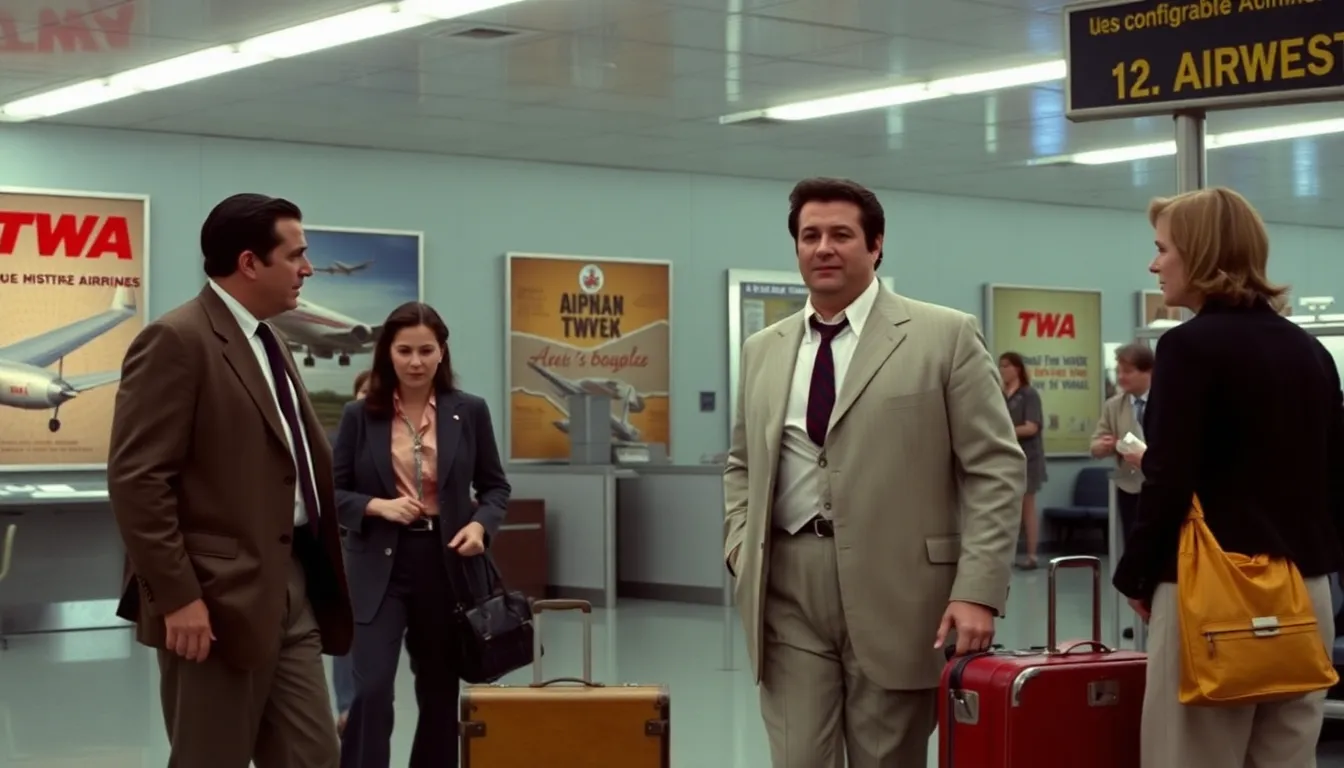
Moreover, audiences and critics represent another crucial stakeholder group. Their reception of the film can impact its success and the broader implications for the film industry, particularly in how it portrays historical narratives. The film’s ability to connect with viewers on an emotional level can drive discussions about the evolution of air travel and its societal implications.
- Conflict of Interest: There may be tension between the romanticized depiction of air travel and the modern realities of the airline industry, which includes safety concerns and economic viability.
- Trade-offs: The film’s nostalgic approach may overlook the complexities of aviation history, such as environmental impacts and labor issues, creating a simplified narrative.
- Legal Issues: Rights to depict historical figures or brands like TWA can lead to legal negotiations, affecting how the story is told.
- Economic Considerations: The film’s success could influence investments in heritage aviation experiences, shaping the future of niche tourism markets.
Overall, the interplay between these stakeholders and issues reflects a broader conversation about how nostalgia shapes our understanding of the past and influences present-day experiences in the aviation sector.
Assessing the impact of Travolta’s film on audiences and the aviation industry
John Travolta’s ‘Propeller One-Way Night Coach’ is poised to resonate with various demographics, particularly aviation enthusiasts, nostalgic audiences, and young viewers curious about the golden age of air travel. The film’s portrayal of a bygone era may rekindle interest in air travel history and its cultural significance, affecting how people perceive modern aviation.
In the short term, the film could lead to increased tourism in regions associated with the TWA legacy, such as St. Louis, where the airline was headquartered. Local businesses, including hotels and restaurants, may experience a boost as fans of the film seek to explore the locations depicted. Additionally, the film can inspire renewed interest in vintage aviation experiences, potentially leading to a rise in themed events and exhibitions.
In the mid-term, the aviation industry might see shifts in marketing strategies as airlines capitalize on the nostalgia factor. There could be increased collaboration between filmmakers and airlines to promote travel experiences that harken back to the era portrayed in the film. However, this nostalgia also presents risks; it may lead to unrealistic expectations about modern air travel, which is often characterized by efficiency and budget constraints rather than the romanticism of the past.
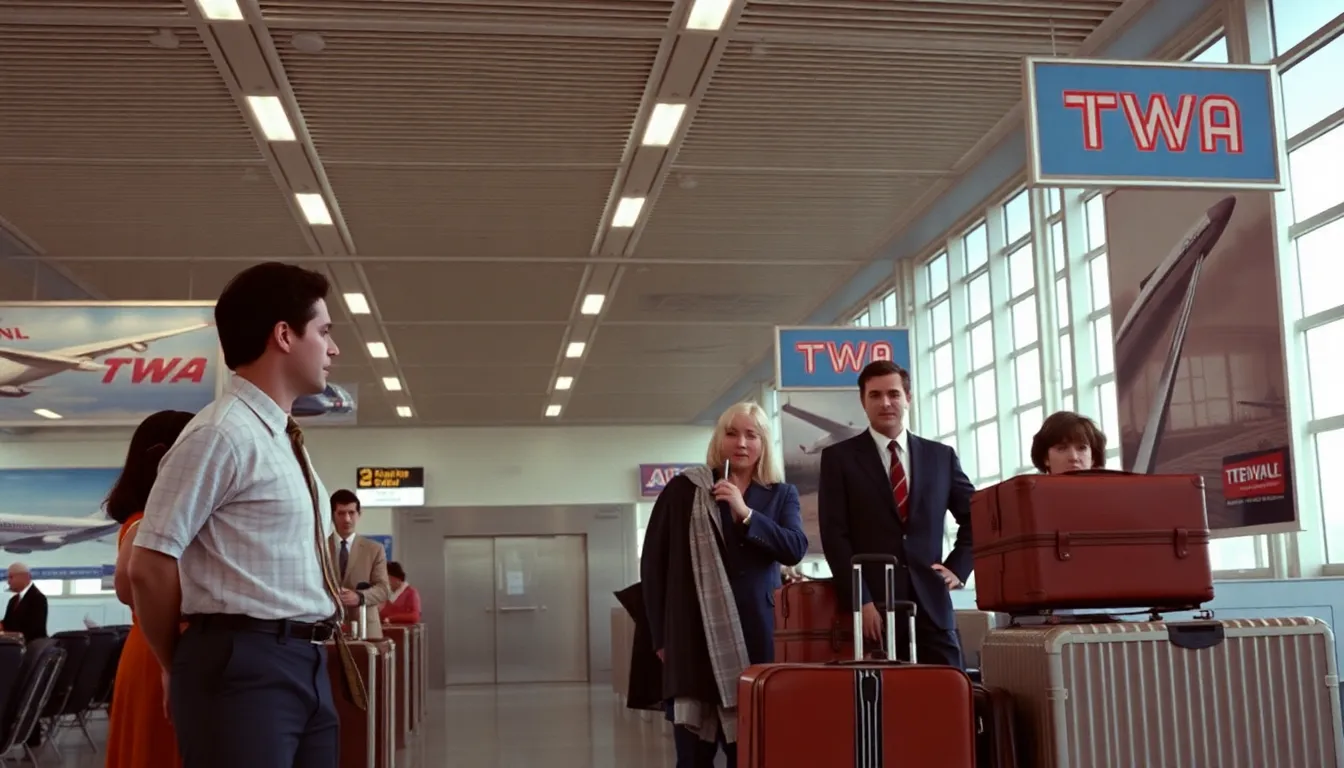
- Increased tourism in historical aviation hubs.
- Potential rise in themed events and exhibitions related to vintage air travel.
- Shifts in marketing strategies within the aviation industry.
- Risks of nostalgia leading to unrealistic expectations of modern air travel.
Moreover, the film may stimulate discussions around aviation policies, particularly regarding environmental concerns. As audiences reflect on the past, there may be a push for more sustainable practices within the industry, driven by a desire to preserve the charm of air travel while adapting to contemporary challenges.
A: The main theme revolves around nostalgia for air travel during the golden age of TWA, capturing the essence of adventure and freedom. A: Travolta uses personal anecdotes and vivid imagery to illustrate his boyhood dreams of flying, creating a heartfelt narrative. A: The film has received positive feedback for its emotional depth and authentic representation of a bygone era in aviation. A: Yes, the supporting cast delivers strong performances that enhance the film’s nostalgic tone and storytelling. A: The film contrasts the romanticized past of air travel with the current state of the aviation industry, highlighting both progress and loss.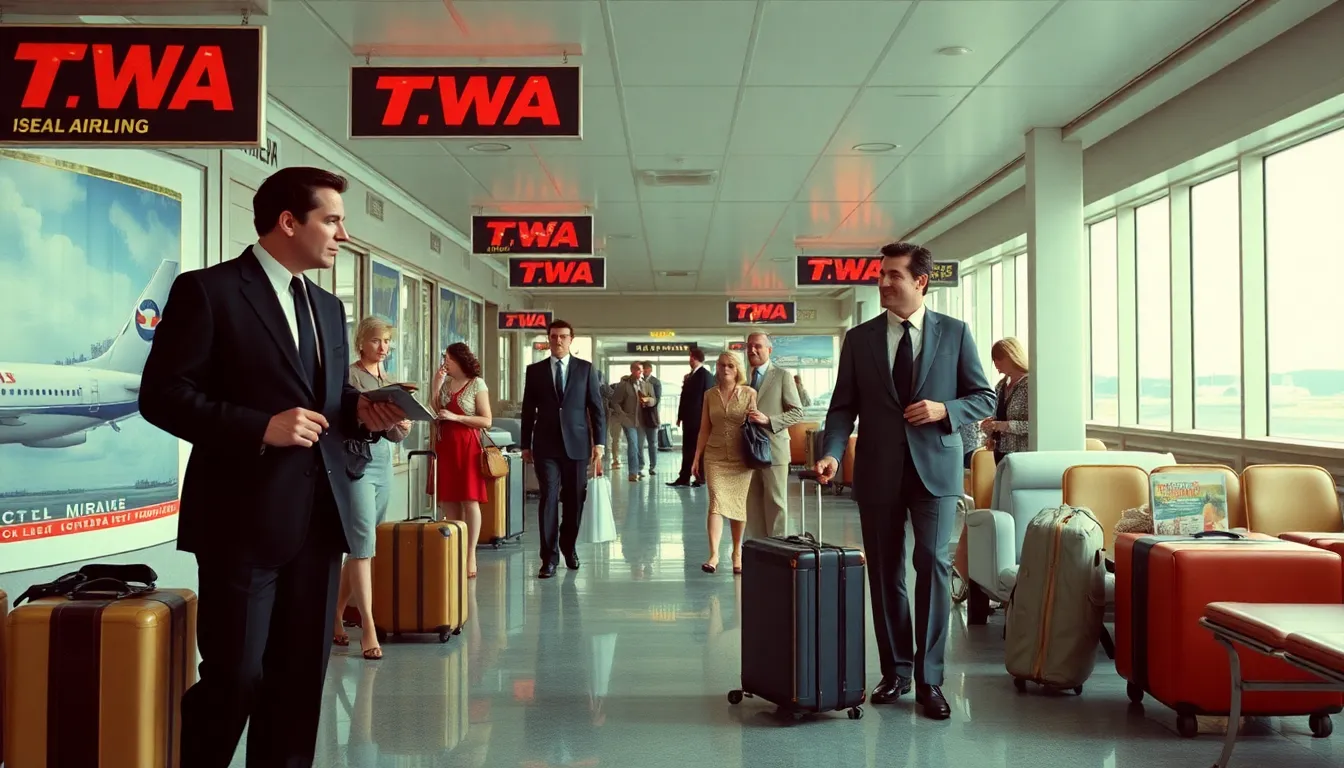
Frequently asked questions about the film
Summarizing the key insights and future outlook
The exploration of John Travolta’s ‘Propeller One-Way Night Coach’ reveals a nostalgic journey through the golden age of air travel, particularly highlighting the allure of TWA and the romanticism associated with flying. This film not only serves as a tribute to a bygone era but also prompts reflections on the evolution of air travel and the shifting perceptions surrounding it. As audiences engage with this cinematic experience, it opens discussions about the future of air travel, the impact of technology, and the enduring human desire for adventure.
Looking ahead, the film encourages a reassessment of how we view air travel in a contemporary context, particularly in light of environmental concerns and the quest for sustainable aviation solutions. The narrative invites viewers to consider what elements of the past can be integrated into the future of travel to enhance the experience while addressing modern challenges.
- The film highlights the importance of nostalgia in shaping our understanding of travel, which could influence future marketing strategies in the aviation industry.
- As air travel continues to evolve, there is potential for a resurgence of retro-themed experiences that celebrate the history of aviation.
- Environmental considerations will play a crucial role in the future of air travel, prompting innovations that balance nostalgia with sustainability.
- The emotional connection to travel depicted in the film could inspire new narratives in the industry, focusing on the human experience rather than just logistics.
- Audiences may seek more immersive travel experiences that echo the romanticism of the past, suggesting a market opportunity for airlines and travel companies.