


One significant event occurred in June 2021, when the Office of the Director of National Intelligence (ODNI) released a report summarizing 144 sightings of UFOs between 2004 and 2021. For more insights on government transparency, you can read about it here. The report concluded that most of these incidents remain unexplained, with a small number attributed to foreign adversaries or classified programs. This official recognition has led to calls for more transparency and further investigation into the nature of these phenomena.
Additionally, in July 2022, the Pentagon established the All-domain Anomaly Resolution Office (AARO) to streamline the analysis of UFO sightings and improve reporting mechanisms. This initiative reflects a shift in how the military and government agencies approach unidentified aerial phenomena, moving from skepticism to a more open inquiry into their origins and potential implications for national security, a topic explored in more detail here.
As public fascination grows, several high-profile military personnel have come forward to share their experiences with UFOs, adding credibility to the discourse surrounding these sightings. The combination of official reports, military testimonials, and media coverage has transformed the narrative from fringe conspiracy theories to a legitimate subject of inquiry, prompting discussions about the potential for extraterrestrial life and the need for a comprehensive understanding of these phenomena.
Historical context of UFO investigations and government secrecy
The phenomenon of unidentified flying objects (UFOs) has captivated public imagination and sparked debate for decades. The modern era of UFO sightings can be traced back to the late 1940s, particularly after World War II, when reports of strange aerial phenomena began to surface. The term “flying saucer” was popularized in 1947 when pilot Kenneth Arnold reported seeing nine objects near Mount Rainier in Washington State, which ignited widespread media coverage and public interest.
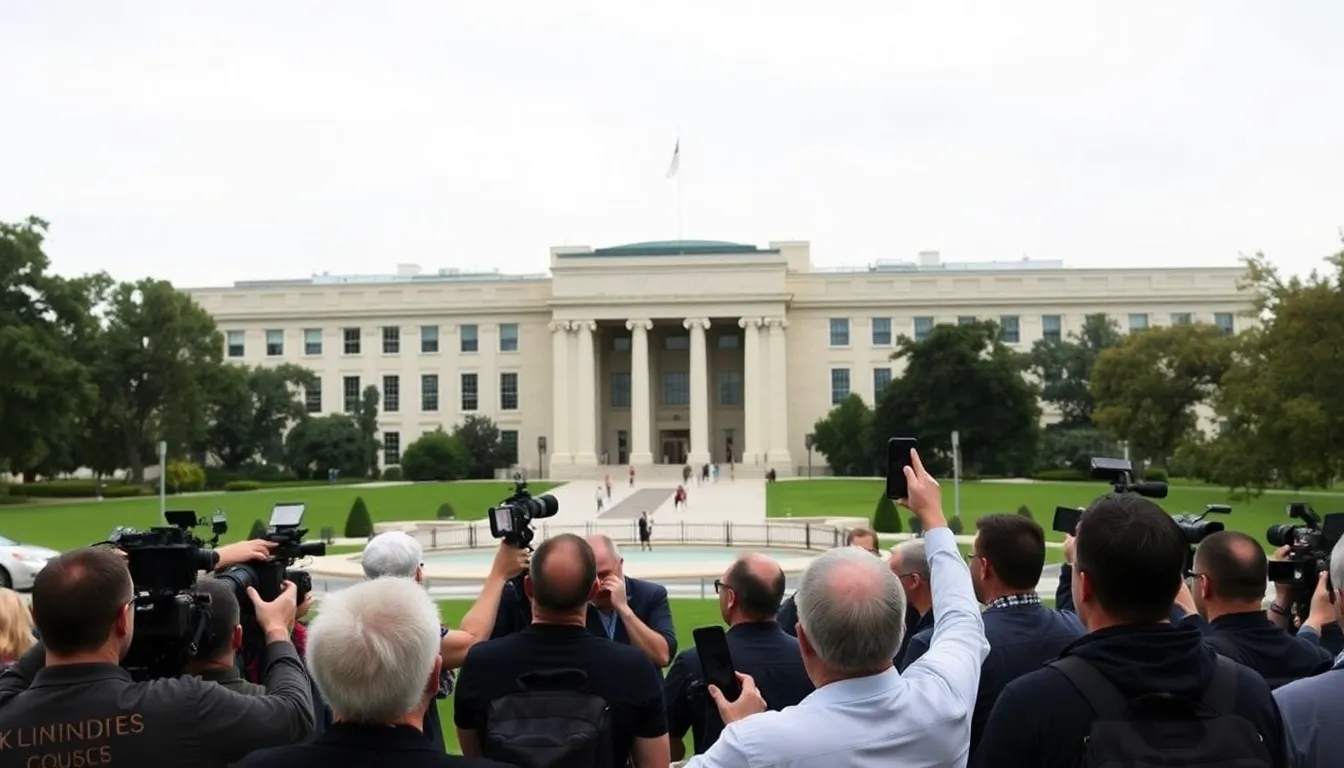
In response to the growing number of sightings, the U.S. government initiated several investigations, most notably Project Blue Book, which ran from 1952 to 1969. The project aimed to evaluate UFO reports and assess their potential threat to national security. Over the years, thousands of cases were documented, yet many were dismissed as misidentified aircraft, atmospheric phenomena, or hoaxes. However, a significant number of sightings remained unexplained, fostering a culture of skepticism and conspiracy theories surrounding government transparency.
Political dynamics also played a crucial role in shaping public perception of UFOs. During the Cold War, the U.S. government was particularly sensitive to issues of national security, leading to a culture of secrecy. The fear of espionage and the need to maintain military superiority often resulted in the classification of information related to UFOs. This secrecy only fueled speculation and distrust among the public, as many believed that the government was withholding information about extraterrestrial life and advanced technology, a concern that resonates in various public discourses today.
Key milestones in UFO disclosures
In recent years, significant milestones have marked a shift in the government’s approach to UFOs. The release of previously classified documents by the Pentagon in 2020, including videos captured by military pilots showing unexplained aerial phenomena, reignited interest in the subject. These revelations prompted Congress to hold hearings on UFOs, reflecting a growing acknowledgment of the need for transparency regarding national security and unexplained aerial activities.
The evolving narrative around UFOs is not only a reflection of changing societal attitudes but also highlights the intersection of science, technology, and belief. As more information becomes available, the conversation surrounding UFOs continues to evolve, challenging the boundaries of what is known and understood about our skies.
Key stakeholders and ongoing debates in the UFO discourse
The recent release of UFO documents by the Pentagon has reignited interest and debate among various stakeholders, including government agencies, defense contractors, scientists, and the general public. Each of these groups has distinct interests and perspectives on the implications of these findings.
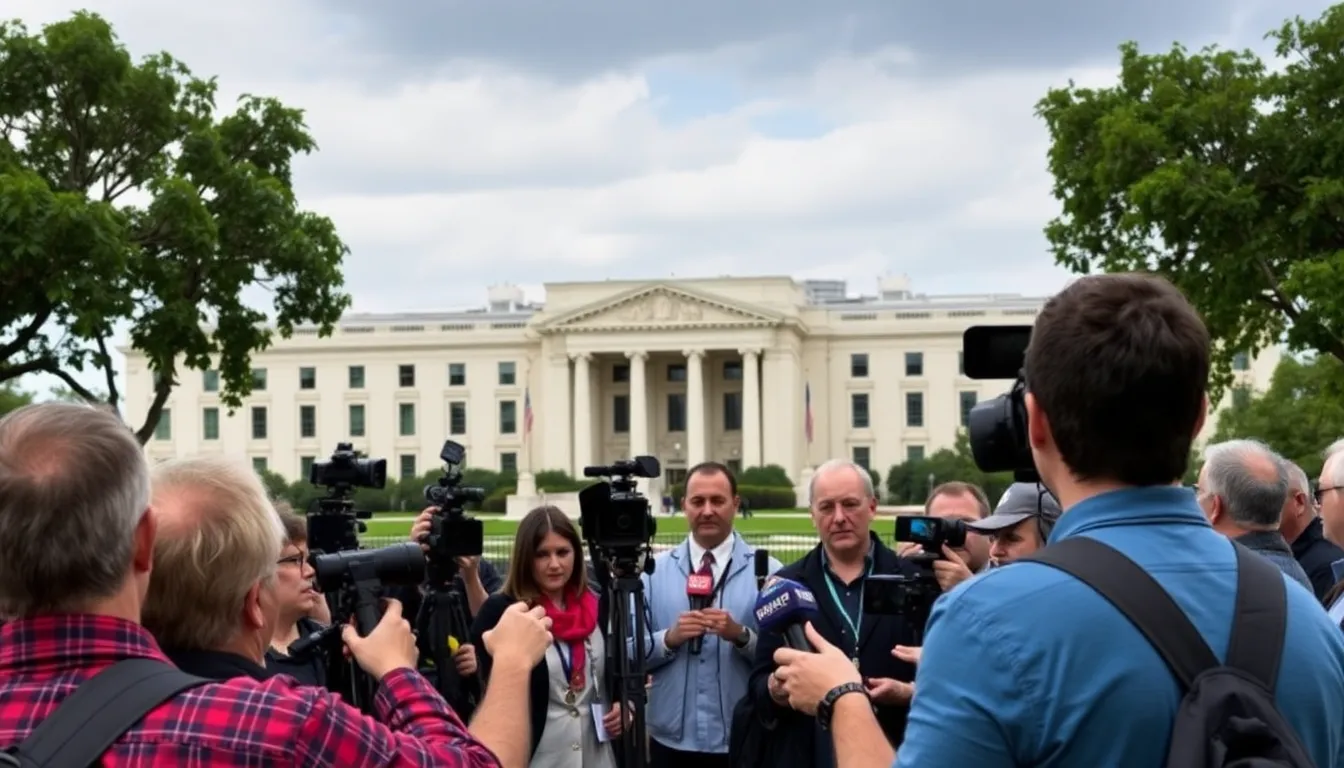
Government agencies, particularly the Pentagon and intelligence organizations, are primarily focused on national security. They aim to assess the potential threat posed by unidentified aerial phenomena (UAP) and ensure that any advanced technology is not in the hands of adversaries. This focus raises concerns about transparency and the public’s right to know, which often conflicts with security protocols.
Scientific communities are also significant stakeholders in this discourse. Researchers and academics are interested in studying UAPs from a scientific perspective, aiming to understand the physical phenomena behind these sightings. However, they face challenges in securing funding and institutional support, as the stigma surrounding UFO research can hinder serious scientific inquiry.
- Public Interest: There is a growing curiosity among the public regarding UAPs, leading to increased demand for transparency and information from government sources.
- Economic Implications: Defense contractors and private enterprises see potential economic opportunities in developing technologies related to UAP detection and analysis.
- Legal Considerations: The release of UFO documents raises questions about the legal frameworks governing classified information and the balance between national security and public access to information.
Moreover, the media plays a crucial role in shaping public perception and discourse surrounding UFOs. Investigative journalism can influence how information is disseminated and interpreted, often leading to sensationalism or skepticism. This dynamic can complicate the efforts of stakeholders who seek a more nuanced understanding of the phenomena.
Potential implications for national security and public perception
The recent release of UFO documents by the Pentagon has significant implications for various groups and industries. National security agencies, defense contractors, and the scientific community are particularly affected as they grapple with the implications of unidentified aerial phenomena (UAP) on airspace safety and security protocols.
In the short term, the public’s perception of UFOs may shift dramatically, leading to increased interest in space exploration and defense technologies. Industries related to aerospace and defense may see a surge in investments as governments prioritize research and development in response to these revelations. Additionally, the entertainment sector could benefit from heightened interest in UFO-related content, from documentaries to fictional portrayals.
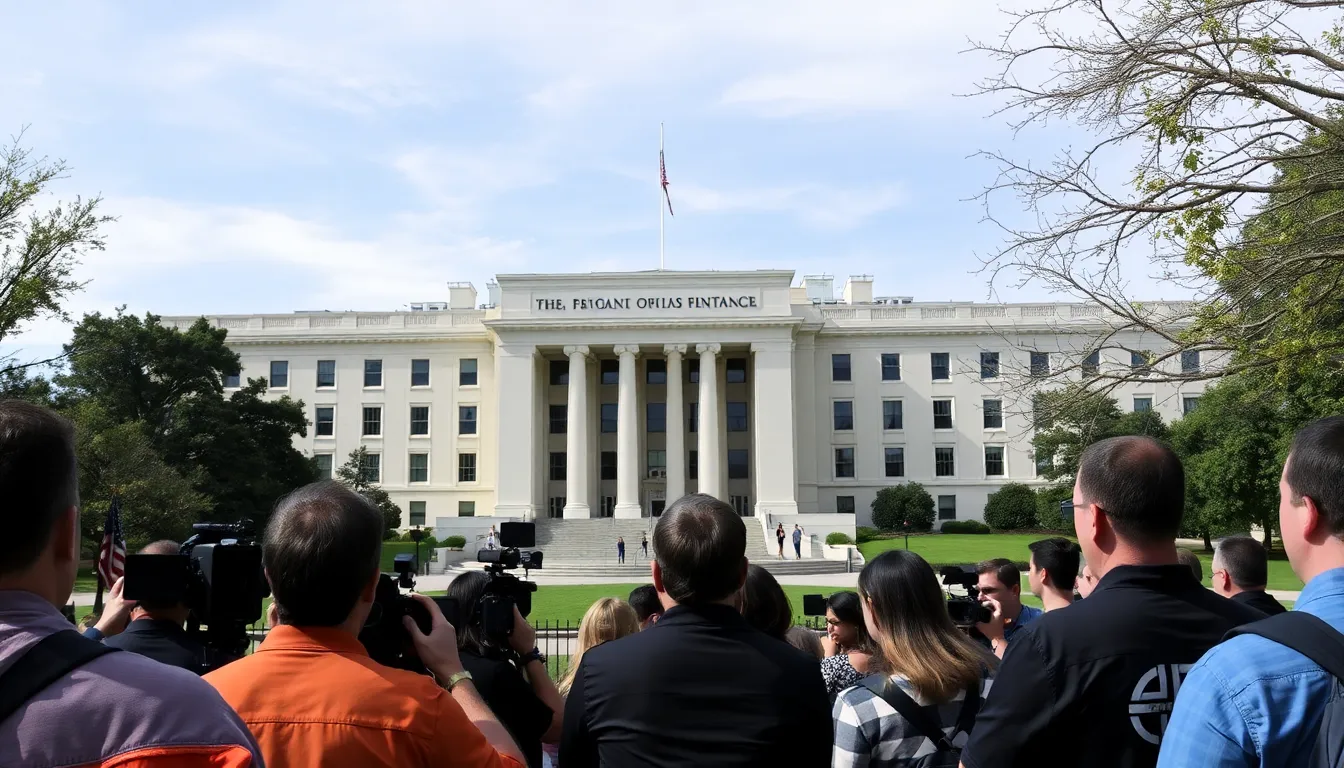
Mid-term impacts may include changes in policy as governments reassess their approach to airspace management and national defense. Increased funding for research into UAP could lead to advancements in technology, potentially creating new markets for companies specializing in aerospace innovation. However, there are also risks involved, such as the potential for misinformation and public panic if these phenomena are not adequately addressed by authorities.
- Increased investment in aerospace and defense sectors.
- Potential policy changes regarding airspace management.
- Public interest in UFOs leading to new entertainment opportunities.
- Risks of misinformation affecting public trust and safety.
Regions with significant military installations or aerospace industries, such as California and Texas, may experience immediate economic benefits, while other areas may seek to capitalize on the growing interest in UAP through tourism and educational initiatives. Overall, the implications of these UFO documents are far-reaching, touching on national security, economic growth, and cultural shifts.
A: The release was part of a broader effort to increase transparency regarding unidentified aerial phenomena and to address public interest in the topic. A: The documents detail various sightings of unidentified objects exhibiting unusual flight characteristics, including hovering and rapid movements. A: Public reaction has been mixed, with some expressing skepticism while others are intrigued by the possibility of extraterrestrial life. A: The potential presence of unidentified objects raises concerns about airspace security and the need for further investigation into their origins. A: It is likely, as the government continues to evaluate and disclose information related to UFO sightings and investigations.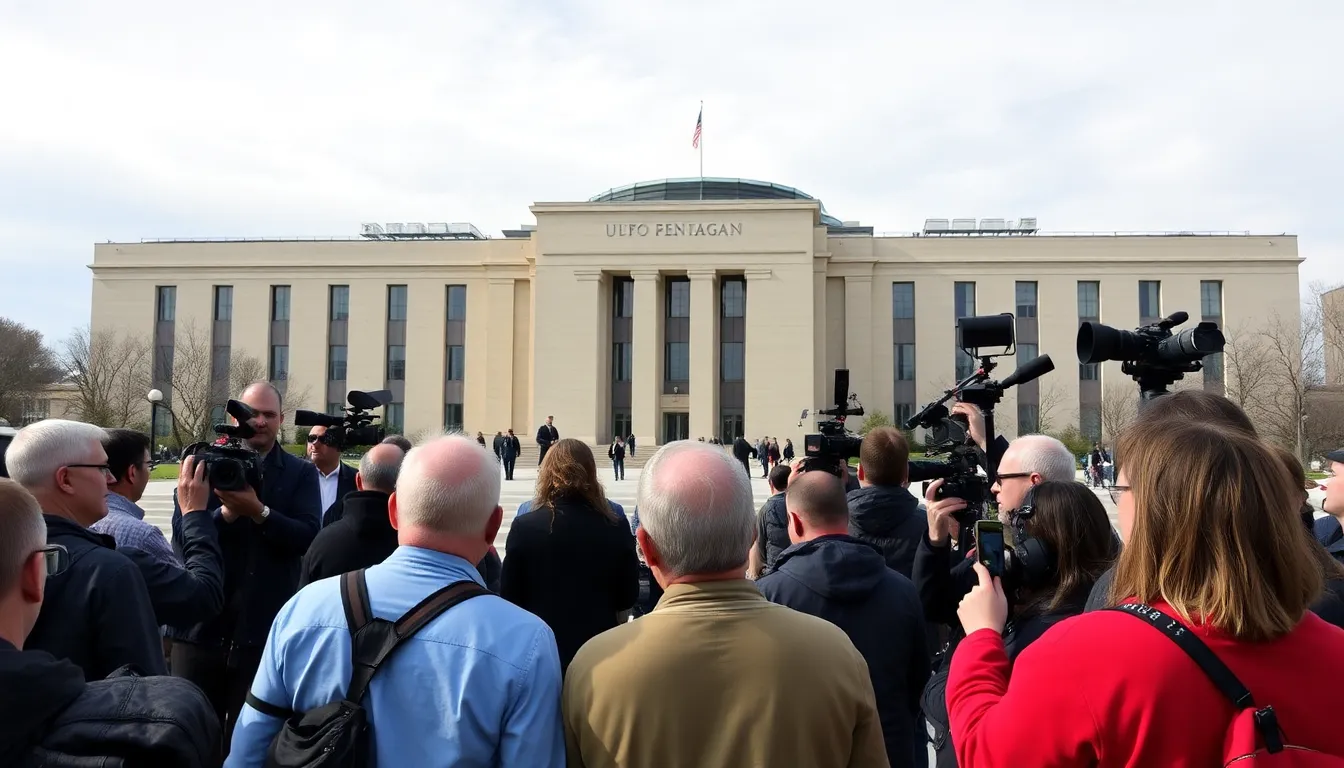
Frequently asked questions about UFOs and the Pentagon’s findings
Key takeaways and future directions in UFO research
The recent release of UFO documents by the Pentagon has opened new avenues for understanding aerial phenomena that have long intrigued both the public and the scientific community. As these documents reveal more about the nature of unidentified flying objects, they also challenge existing paradigms regarding our understanding of airspace and potential extraterrestrial technology. This shift may lead to a more rigorous scientific inquiry into the phenomena, prompting collaboration across various fields such as aerospace engineering, physics, and even psychology.
Looking ahead, the implications of these findings could reshape not only our approach to national security but also our broader understanding of the universe. As governments and private entities increasingly engage in the study of these phenomena, the potential for groundbreaking discoveries grows, necessitating careful observation and analysis of future developments.
- Increased funding and support for scientific research into UFO phenomena may emerge as a priority for governments.
- Collaboration between military and civilian sectors could lead to new technologies inspired by observed aerial behaviors.
- Public interest in UFOs may drive educational initiatives aimed at demystifying the science behind these phenomena.
- Heightened scrutiny of airspace security protocols could result from the acknowledgment of unidentified aerial threats.
- Future disclosures could provide more clarity on the nature of these objects, influencing both policy and public perception.